The Ear Fringe That Gives the Papillon Its Name
If you've ever admired a Papillon, the first thing that probably caught your eye were those magnificent, butterfly-like ears. They're not just beautiful; they're the very feature that gives the breed its name, "Papillon" being French for butterfly. But what most people don't realize until they bring one of these enchanting little dogs home is that those glorious fringes, while stunning, require a specific kind of care. They aren't just decorative; they're delicate, prone to tangles, and surprisingly complex to maintain. This guide will walk you through everything you need to know to keep your Papillon's iconic ear fringe looking its best, from understanding its unique structure to preventing mats and handling grooming challenges.
Understanding the Papillon's Signature Ear Fringe
The Papillon's ears are truly a marvel, setting them apart from almost every other toy breed. It's not just the shape, but the delicate, flowing hair that creates that iconic "butterfly" look. You might think all long-haired dogs are the same, but the Papillon's fringe has its own particular characteristics and needs.
What Makes the Papillon's Ears Unique?
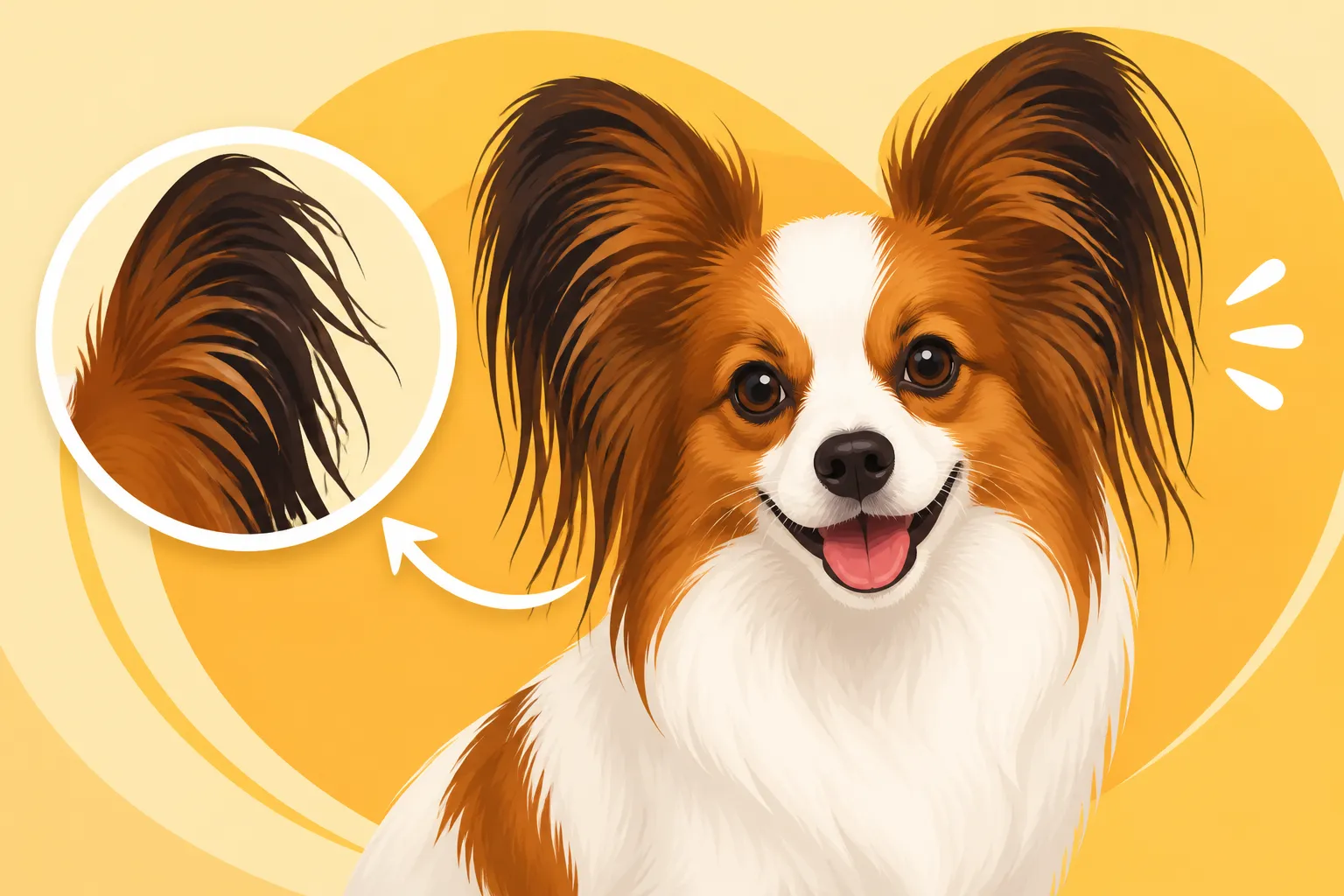
Beyond the obvious, upright, wide-set appearance that truly resembles a butterfly's wings, it's the texture and length of the hair on a Papillon's ears that makes them so special. Unlike many breeds with a thick double coat, a Papillon has a single coat, meaning there's no woolly undercoat to deal with. This is usually a blessing when it comes to shedding and matting on the body, but on the ears, it means the fine, silky strands are more susceptible to tangles and damage. The hair streams gracefully from the leathers, creating a delicate veil that can reach impressive lengths, sometimes even rivaling the dog's body length. This ethereal quality is what breeders strive for and what owners cherish, but it's also what demands diligent attention. It's a hallmark of the breed's elegance, a feature that has been cultivated through centuries and captured in countless artworks.
The Anatomy of a Papillon's Ear Leather and Fringe
To properly care for your Papillon's ears, it helps to understand their basic anatomy. The "ear leather" refers to the actual cartilage structure of the ear itself. In a Papillon, this leather should be firm and relatively large, holding the ear upright and open, providing the canvas for the fringe. The fringe itself isn't just one type of hair; it's a cascade of fine, silky strands that grow from the edges of the ear leather. This hair typically starts shorter near the head and gradually lengthens, forming a flowing "curtain" that can sweep out several inches beyond the tips of the ears. You'll notice that the hair around the ear canal itself is often shorter and softer, while the outer fringes are longer and more substantial. It's this outer fringe that is most prone to matting and collects the most debris, demanding the most attention during grooming sessions. Knowing this helps you focus your brushing efforts where they're most needed.
How the Phalene's Ears Differ
It's worth mentioning the Papillon's close cousin, the Phalene. While genetically identical and often born in the same litter, the Phalene ("moth" in French) has drop ears, meaning their ear leathers fold down rather than standing erect. This fundamental difference in ear carriage also impacts their fringe. While Phalenes still boast beautiful, long ear hair, it tends to be less exposed to the elements and might be slightly less prone to certain types of tangles that affect the upright Papillon ears. However, their fringes can still mat, especially where they rub against the neck or collect moisture. The grooming principles of gentle brushing and careful dematting remain largely the same, but the presentation and specific points of wear will differ. When considering a Papillon, it's important to appreciate this distinction, though both types of ears are equally charming. The Papillon Means Butterfly and Phalene Means Moth delves deeper into this fascinating connection.
The Growth and Development of the Papillon Ear Fringe
Watching a Papillon puppy grow is a joy, and part of that joy is observing their ears develop their characteristic fringe. It's not an overnight transformation; it's a gradual process influenced by a mix of genetics, health, and age.
When the Ear Fringe Starts to Come In
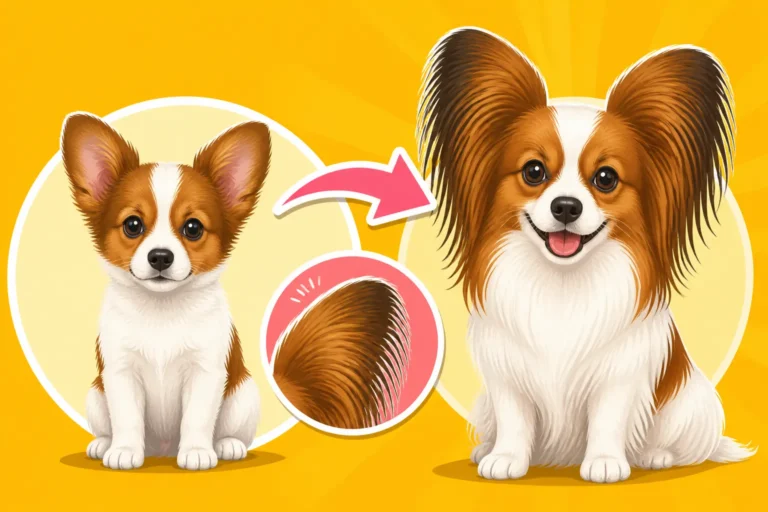
When you first bring home a Papillon puppy, their ears might just have soft, short fuzz. It can be easy to forget that these tiny bundles of energy will eventually sport those magnificent, flowing ears. Typically, the ear leathers begin to stand fully erect somewhere between 3 to 6 months of age, though some might take a little longer. This process is often concurrent with teething, which can sometimes cause the ears to go "up and down" temporarily as calcium is redirected. Once the ears are up, the true fringe starts its serious growth spurt. You'll notice the fine hairs lengthening steadily from the edges of the ear leathers. By the time a Papillon is around a year old, they'll usually have a decent amount of fringe, but it will continue to fill out and gain length and density until they are about two or even three years old. Patience is key during this stage, as is gentle handling to avoid damaging the delicate new growth.
Factors Affecting Fringe Growth and Fullness
Several factors play a role in how thick and long your Papillon's ear fringe will become. Genetics are paramount; if your puppy's parents and grandparents had lavish fringes, your dog likely will too. This is why a reputable breeder is so important, as they understand and select for these breed characteristics. Nutrition also plays a significant role. A high-quality diet rich in omega fatty acids, protein, and essential vitamins will support healthy hair growth. Poor nutrition can result in dull, brittle, or sparse hair that doesn't reach its full potential. Hormonal balance can also be a factor; spaying or neutering can sometimes lead to changes in coat texture and growth for some dogs, though it's less dramatic with Papillons than with some other breeds. Finally, general health is crucial. Any underlying health issues, even seemingly minor ones, can impact coat quality. A healthy dog typically has a healthy coat and fringe.
Common Changes in Fringe Over Time
Just like human hair, a Papillon's ear fringe isn't static; it changes throughout their life. As puppies mature into adults, the fringe becomes longer, denser, and more luxurious. You might notice it getting silkier, too. However, as Papillons age, you might see some subtle shifts. The hair might become a bit thinner or coarser, or perhaps not grow quite as long as it once did. Sometimes, older dogs can develop slightly drier skin, which can affect hair health. Hormonal changes, even natural aging, can influence this. It's also possible for the fringe to become slightly discolored over time, especially if the dog frequently dips their ears into food or water. Regularly assessing your Papillon's fringe is part of good care, allowing you to notice any changes that might warrant a closer look or a tweak to their grooming routine or diet. Caring for an aging Papillon might mean even gentler brushing or more frequent moisturizing to keep their fringe comfortable and beautiful.
Daily Care and Maintenance for Glorious Ear Fringe
The secret to a stunning Papillon ear fringe isn't just good genetics; it's consistent, thoughtful daily care. Skipping days can quickly lead to big problems, turning a beautiful asset into a matted mess.
The Importance of Regular Brushing and Combing
This cannot be stressed enough: regular brushing and combing are absolutely essential for a Papillon's ear fringe. Think of it as preventative medicine for mats. The fine, flowing hair on their ears is like delicate silk – beautiful, but quick to tangle. Even a short walk on a breezy day or a vigorous head shake can create knots. Brushing daily, or at least every other day, does several critical things. Firstly, it removes loose hairs that, if left, will inevitably weave themselves into mats with the healthy hair. Secondly, it distributes natural oils from the skin down the hair shaft, keeping the fringe moisturized, shiny, and less prone to breakage. Thirdly, it's a wonderful bonding experience for you and your Papillon. It also allows you to inspect their ears for any signs of irritation, parasites, or skin issues before they become serious problems. Neglecting this step can quickly lead to painful, tight mats that can pull on the skin and even require professional removal or shaving.
Essential Tools for Papillon Ear Care
Having the right tools makes all the difference. Don't just grab any old brush; specific tools are designed for this delicate job.
- Pin Brush: Look for a pin brush with smooth, rounded tips. This will glide through the longer hair of the fringe without pulling or scratching the delicate skin. It's excellent for initial detangling and general grooming. Which Brush a Papillon Needs explains why certain brush types are better than others.
- Metal Comb: A good quality, fine-toothed metal comb is indispensable. Use the wider-toothed side for initial combing through the fringe after brushing, and the finer-toothed side for working through smaller tangles, especially behind the ears where mats tend to form.
- Detangling Spray or Conditioner: These products are lifesavers. A light mist of detangling spray before brushing can help the brush glide through more smoothly, reduce static, and add a layer of protection to the hair. You can find excellent options on sites like Chewy or Amazon.
- Blunt-nosed Scissors (Optional): Keep these on hand only for safely cutting out very stubborn, tight mats that cannot be worked out with a comb or detangler. Always use extreme caution and never cut parallel to the skin.
This table provides a quick overview:
| Tool | Primary Use | Tips for Papillon Ears |
|---|---|---|
| Pin Brush | Gentle detangling, overall brushing | Rounded tips to protect skin, glides through long fringe |
| Metal Comb | Removing tangles, checking for mats | Wide teeth first, then fine teeth for detailed work |
| Detangling Spray/Conditioner | Loosening tangles, adding moisture, reducing static | Light mist, never saturate; can be found on Chewy/Amazon |
| Blunt-nosed Scissors | Last resort for severe mats | Use with extreme caution, never cut parallel to skin, point away from ear |
Step-by-Step Brushing Technique for Ear Fringe
Here's how to approach brushing your Papillon's ear fringe to maximize effectiveness and minimize stress for both of you:
- Preparation: Find a comfortable spot where your Papillon can relax. Many owners like to have their dog sit on their lap or a grooming table. Have all your tools ready. A small treat can make this a positive experience.
- Mist with Detangler: Lightly mist the ear fringe with a detangling spray. Don't soak it; just a fine layer to help lubricate the hair.
- Section the Hair: Gently hold the ear leather with one hand. With the other, start at the very bottom of the fringe, near the tip of the ear, and work your way up. Brush in small sections, always working from the ends of the hair towards the roots. This technique, called "line brushing," ensures you're getting all the way down to the skin.
- Use the Pin Brush: With your pin brush, carefully brush each section. Pay close attention to the hair behind the ear, where tangles are particularly common due to friction.
- Follow with the Comb: Once you've brushed a section with the pin brush, use your metal comb. Start with the wide-toothed side, again working from the ends up. If the comb glides through easily, switch to the finer-toothed side to ensure there are no hidden tangles. If you hit a snag, stop, apply more detangler, and gently work it out with your fingers or the wide-toothed comb before proceeding.
- Repeat for Both Ears: Take your time with each ear. Rushing can cause discomfort and make your dog resistant to future grooming sessions.
- Positive Reinforcement: Always praise your Papillon and give them a small reward after grooming. This positive association will make them much more cooperative in the long run. Teaching a Papillon puppy to be handled all over is crucial for successful grooming throughout their life.
Battling Mats and Tangles in Papillon Ear Fringe
Even with the most diligent care, sometimes a mat happens. It’s not a reflection of poor ownership, but rather a testament to the fine texture of a Papillon's coat and the active lives they lead. Knowing how to handle them gently is key.
Why Papillon Ears Mat So Easily
Papillon ear fringe is incredibly beautiful but also incredibly delicate, making it a prime candidate for matting. Several factors contribute to this common frustration. Firstly, the hair itself is very fine and silky, lacking an undercoat. While this reduces shedding, it means individual strands are more likely to twist and knot together. Secondly, the length of the fringe means it's constantly interacting with the environment. It can get caught on collars, sweaters, toys, or even just static electricity in dry air. Think about how often your Papillon shakes their head – each shake can weave tiny tangles. Thirdly, moisture is a big culprit. If your Papillon dips their ears in their water bowl or gets wet outside, and the fringe isn't thoroughly dried and brushed, those damp hairs will bind together quickly, forming tight mats as they dry. Eating can also be an issue; food particles can stick to the fringe around the muzzle and ears, leading to sticky tangles. This is precisely why Whether a Papillon Mats Behind the Ears is a common question among owners.
Gentle Methods for Removing Existing Mats
When you find a mat, resist the urge to pull or yank. That will only cause pain and make your Papillon wary of grooming. Patience is your best friend here.
- Assess the Mat: Determine how tight and large the mat is. Small, loose tangles are much easier to handle than dense, felted mats.
- Apply Detangler: Generously spray or work a dab of a high-quality detangling spray or conditioner directly onto the mat. Let it sit for a minute or two to soften the hair. Brands like Chewy often carry a variety of excellent detangling products specifically for long-haired dogs.
- Finger Pick: Gently try to separate the outer edges of the mat with your fingers. Start from the very end of the hair and work your way inward, picking strands apart.
- Use a Wide-Toothed Comb: Once you've loosened some of the mat with your fingers, use the wide-toothed side of your metal comb. Again, start at the very end of the mat and work small sections at a time, teasing the comb through just a few strands at a time. Hold the hair at the base of the mat with your other hand to prevent pulling on the skin.
- Work Slowly: This is not a race. If your dog shows any discomfort, take a break.
- Blunt-Nosed Scissors (Last Resort): For truly impossible, painful mats that are tight against the skin and cannot be combed out, carefully use blunt-nosed scissors. Always point the tips away from the skin. Try to cut into the mat vertically, from the outside edge towards the skin, to break it into smaller pieces that are easier to comb out, rather than trying to snip it off horizontally. If you're unsure or the mat is very large or close to the skin, it's always safer to seek professional help from a groomer or vet.
Preventing Future Mats and Tangles
An ounce of prevention is worth a pound of cure, especially when it comes to Papillon ear mats.
- Consistent Brushing: As discussed, daily or every-other-day brushing with the right tools is your primary defense.
- Water Bowl Management: Consider a "spaniel bowl" or a water bottle for your Papillon. Spaniel bowls have narrower openings that help keep long ears out of the water. A water bottle can also prevent the ears from getting wet.
- Eating Habits: If your Papillon gets food in their fringe, consider tying the ears back with a soft hair tie or snood during meal times. A small bandanna can also work. Immediately wipe any food residue from the fringe after eating.
- Protective Gear: For walks in brushy areas or during certain activities, a snood (a fabric tube that covers the ears) can protect the fringe from tangles and burrs. You can find these easily on Amazon.
- Regular Trims (Judiciously): While many Papillon owners prefer not to trim the fringe to maintain its natural length, sometimes a very slight trim on the very ends can help prevent split ends and make the fringe less prone to knotting. This should be done very sparingly and carefully, if at all, as it can detract from the elegant lines.
- Healthy Lifestyle: Ensure a balanced diet, as healthy hair is more resilient. Also, keep your Papillon's nails trimmed short. Why a Papillon's Nails Affect Its Knees sounds unrelated, but proper nail length affects their gait and can reduce accidental ear-paw contact that might cause tangles.
Bathing and Drying the Delicate Ear Fringe
Bathing a Papillon needs a careful touch, especially when it comes to their ear fringe. A rushed or incorrect bath can turn those flowing locks into a matted nightmare.
Choosing the Right Shampoos and Conditioners
Just like for humans, the right products make a huge difference. You want to choose gentle, moisturizing, and specifically formulated dog shampoos and conditioners.
- Mild, pH-Balanced Shampoo: Look for shampoos that are tearless and free of harsh sulfates, parabens, and artificial dyes. These ingredients can strip natural oils, leading to dry, brittle hair that mats more easily. Opt for a shampoo designed for long-coated or sensitive-skinned dogs. Brands like Earthbath or Bio-Groom offer excellent gentle options.
- Conditioner is Non-Negotiable: A good conditioner is vital for a Papillon's fringe. It helps to smooth the hair cuticles, reduce static, and make the hair more manageable and less prone to tangles. Apply conditioner generously to the ear fringe after shampooing, letting it sit for a few minutes before rinsing thoroughly. Some owners even use a leave-in conditioner after the bath for extra protection and shine.
- Avoid Human Products: Never use human shampoo or conditioner on your Papillon. Our skin and hair have different pH levels, and human products can be too harsh and drying for dogs, leading to skin irritation and coat damage.
A Gentle Approach to Washing Ear Fringe
Washing the ear fringe isn't just about getting it clean; it's about doing so without creating more work for yourself later.
- Pre-Brush: Always, always, always brush and comb out your Papillon's entire coat, especially the ear fringe, before bathing. Any existing tangles will tighten into painful mats when wet, making them nearly impossible to remove later. Whether a Papillon Should Be Brushed Before Bathing is an absolute yes!
- Protect the Ears: While you want to wash the fringe, try to avoid getting water inside the ear canal. You can place a cotton ball loosely in each ear canal (remember to remove them later!).
- Gentle Wetting: Use a handheld shower sprayer on a low setting, or a cup, to gently wet the fringe. Avoid blasting water directly onto the ears, which can cause tangles.
- Apply Shampoo: Dilute your shampoo slightly with water. Gently massage the shampoo into the fringe, working in the direction of hair growth. Do not scrub vigorously or create a tangled mess. Focus on cleaning, not agitating.
- Rinse Thoroughly: This is critical. Shampoo residue can irritate the skin and make the hair dull and sticky, leading to tangles. Rinse until the water runs clear and you can feel no slipperiness from the shampoo.
- Apply Conditioner: Apply conditioner to the fringe, ensuring full coverage. Let it sit for the recommended time (usually 2-5 minutes) before rinsing even more thoroughly than the shampoo. The goal is silky, smooth hair, not heavy, product-laden hair.
The Art of Drying Papillon Ears
Drying is just as important as washing. Improper drying is a common cause of matting.
- Squeeze Gently: After rinsing, gently squeeze excess water from the ear fringe with your hands.
- Towel Dry: Wrap your Papillon in a soft, absorbent towel. Gently blot and squeeze the ears; don't rub vigorously, as this can create tangles.
- Use a Blow Dryer (Recommended): For best results and to prevent mats, a cool or low-heat setting on a human or, ideally, a dog-specific blow dryer is recommended. Dog dryers are often quieter and have specialized nozzles.
- As you blow dry, use your pin brush or a comb to gently brush the fringe, starting from the roots and working towards the ends, ensuring every strand is dried straight and tangle-free. This technique is called "line drying" or "fluff drying." How Long a Papillon Takes to Dry can vary, but thoroughness is key.
- Keep the dryer moving to avoid overheating any one spot.
- Air Dry Caution: While it might seem easier, simply air-drying a Papillon's fringe is risky. As the hair dries, it can curl, intertwine, and form mats that are much harder to remove than if you had blow-dried. If you absolutely must air dry, make sure the fringe is already mostly dry and thoroughly combed out, and check it frequently for tangles as it finishes drying.
Protecting Your Papillon's Ears from Environmental Factors
A Papillon's beautiful ears are constantly exposed to the world, and that means they need protection from various environmental hazards that can cause damage or matting.
Guarding Against Dirt, Debris, and Moisture
Your Papillon loves to explore, and their ears often lead the way. This means they are constantly sweeping up whatever is around them.
- Outdoor Adventures: When out on walks, especially in grassy or wooded areas, burrs, twigs, and seeds can easily get tangled in the long fringe. After every outdoor excursion, take a moment to quickly inspect and comb through the ear fringe to remove any hitchhikers. This small habit can prevent a minor tangle from turning into a big, painful mat.
- Food and Water Bowls: As mentioned before, the fringe can dip into food and water. Consider a snood during meal times, or use specialized bowls that keep the ears out. If your dog consistently gets messy around the mouth and ears during eating, a quick wipe down with a damp cloth immediately after meals, followed by a gentle comb-through, can save you a lot of grooming time later. Whether a Papillon's Muzzle Fringe Gets Food In It is a common problem and needs proactive management.
- Rain and Snow: If your Papillon gets caught in the rain or plays in the snow, ensure their ears are thoroughly dried as soon as you get home. Damp hair, especially fine hair like a Papillon's, will mat quickly as it dries if not properly combed and dried. Whether a Papillon Needs a Coat in Winter might be a good idea for overall comfort, and a hood could offer some ear protection too.
Seasonal Challenges for Ear Fringe
Different seasons bring different challenges for your Papillon's delicate ear fringe.
- Winter Dryness: Cold, dry winter air, combined with indoor heating, can make your Papillon's coat, including the ear fringe, dry and static-prone. This dryness can lead to brittle hair that breaks easily and is more susceptible to tangles. Regular use of a hydrating detangling spray, especially one with anti-static properties, can be very beneficial. Static guard sprays can also help prevent the hair from clinging and tangling.
- Summer Humidity: Conversely, high humidity in the summer can make the fringe feel heavy and potentially lead to frizziness and matting if not managed. While a Papillon doesn't have an undercoat to get bogged down, the moisture can still make the fine outer coat prone to tangling. Ensure good air circulation when drying, and consider a lighter, moisturizing spray.
- Parasites: Fleas, ticks, and mites can hide in long ear fringe, causing irritation and prompting your dog to scratch, which only exacerbates tangles and can lead to skin infections. Regular parasite prevention, as recommended by your vet, is essential year-round. Always check the ears and surrounding areas for any signs of these unwelcome guests during your regular grooming sessions. Flea and tick products are readily available from online retailers like Chewy or your local pet store.
Preventing Damage from Play and Activity
Papillons are feisty and playful, but their long ear fringe can be vulnerable during enthusiastic play.
- Playing with Other Dogs: If your Papillon plays with other dogs, especially larger ones, their ears can accidentally get caught in teeth or claws during roughhousing. Supervise play, and if necessary, gently tie back the ear fringe or use a snood to keep it out of harm's way. This is particularly important for puppies, whose ears are still developing.
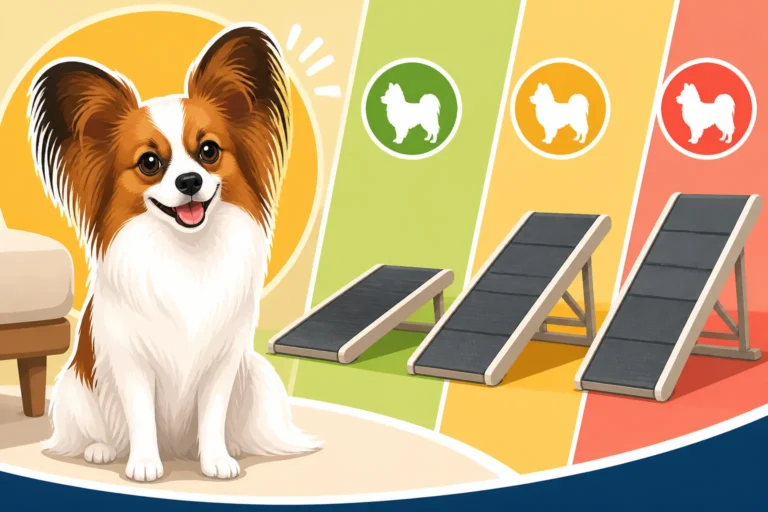
- Roughhousing and Tumbling: Even playing alone, your Papillon can snag their ears on furniture or tumble in a way that catches the fringe. While you can't prevent every accident, ensuring a safe play environment can help. Consider ramps or steps for furniture to prevent jumping, which can also be hard on their joints. Whether a Papillon Should Be Stopped From Jumping Off Furniture is a valid concern for their overall health, not just their ears.
- Leash and Harness Interference: Be mindful of where leashes and harnesses rub against the ears. Sometimes, certain types of harnesses can chafe the hair behind the ears, leading to breakage or mats. Ensure any gear fits properly and isn't causing undue friction on the delicate fringe. Whether a Papillon Should Wear a Harness Instead of a Collar is generally recommended for respiratory health, but check that it doesn't rub the ears.
When to Seek Professional Help for Ear Fringe Issues
While much of your Papillon's ear care can be handled at home, there are times when professional intervention from a groomer or veterinarian is not just helpful, but necessary.
Identifying When a Mat Is Beyond Home Care
It's easy to feel defeated when you encounter a mat that just won't budge. But knowing when to throw in the towel and call in the pros is a sign of good pet ownership. Here are some indicators:
- Size and Density: If a mat is larger than a quarter, very tight, or has felted close to the skin, it's often beyond what you can safely remove at home. Trying to force a comb through a dense mat will cause pain and trauma to your dog's skin.
- Location: Mats in sensitive areas, like directly behind the ear or in the armpits, are harder to remove without causing discomfort. The skin there is very thin and easily torn.
- Dog's Discomfort: If your Papillon is showing significant pain, growling, snapping, or becoming stressed during your attempts, stop immediately. Pushing through their discomfort can create a lasting negative association with grooming.
- Skin Irritation: If the mat has been there for a while, or if you've been pulling at it, the skin underneath might be red, inflamed, or even broken. This requires a professional touch to avoid further injury or infection.
Remember, a professional groomer has specialized tools and techniques, and most importantly, the experience to remove mats as painlessly as possible.
The Role of a Professional Groomer in Ear Maintenance
A professional groomer can be an invaluable partner in maintaining your Papillon's ear fringe. They do more than just baths; they offer expert care that can prevent and resolve many common issues.
- Dematting Services: When you hit that "beyond home care" point, a professional groomer can often remove even severe mats. They have powerful, but gentle, detangling solutions, specialized dematting tools, and techniques to minimize discomfort. They can often save more of the hair than you might be able to at home. However, be prepared that for very severe mats, shaving might be the only humane option.
- Trimming Expertise: While Papillons aren't typically "cut" breeds, a groomer can judiciously trim the very tips of the ear fringe to keep it neat, prevent split ends, and sometimes manage excessive length if it's contributing to matting. They can also trim the hair between the paw pads and around the sanitary area, which are often overlooked but important for cleanliness and comfort.
- Regular Maintenance Schedule: If you struggle with consistent home grooming, a groomer can set up a regular schedule for baths, conditioning treatments, and thorough brush-outs, ensuring your Papillon's fringe always looks its best. They can also recommend products tailored to your dog's specific coat needs. What Grooming a Papillon Costs will vary, but it's an investment in your dog's comfort and health.
Consulting Your Vet for Skin or Ear Health Concerns
Sometimes, what looks like a grooming issue might actually be a health problem that requires veterinary attention.
- Ear Infections: If you notice redness, swelling, discharge, a foul odor, or if your Papillon is constantly scratching, shaking their head, or holding an ear at an odd angle, these are classic signs of an ear infection. While the fringe itself isn't infected, the underlying ear canal is, and the symptoms can affect the appearance and health of the surrounding hair. Only a vet can properly diagnose and treat an ear infection.
- Skin Irritation or Allergies: Persistent redness, flakiness, scabs, or hair loss around the ears, even after careful grooming, could indicate a skin allergy or other dermatological issue. Your vet can help identify the cause and prescribe appropriate treatment, which might include medicated shampoos, oral medications, or dietary changes. Whether a Papillon Gets Skin Allergies is a common concern for many breeds.
- Parasites Beyond Fleas: While groomers can deal with fleas, more severe parasitic infestations like ear mites or certain types of skin mites require veterinary treatment. A vet can perform diagnostic tests to identify the specific parasite and prescribe effective medication.
- Injury: If your Papillon has sustained an injury to the ear leather or surrounding skin, whether from rough play or an accident, a vet visit is essential to ensure proper cleaning, wound care, and to prevent infection.
Your vet is your first line of defense against health issues. Don't hesitate to consult them if you suspect anything more serious than a simple mat.
Disclaimer
This article is for general informational purposes only and does not constitute professional advice. Laws, prices and regulations vary by location and change over time. Consult a qualified professional for guidance on your specific situation.