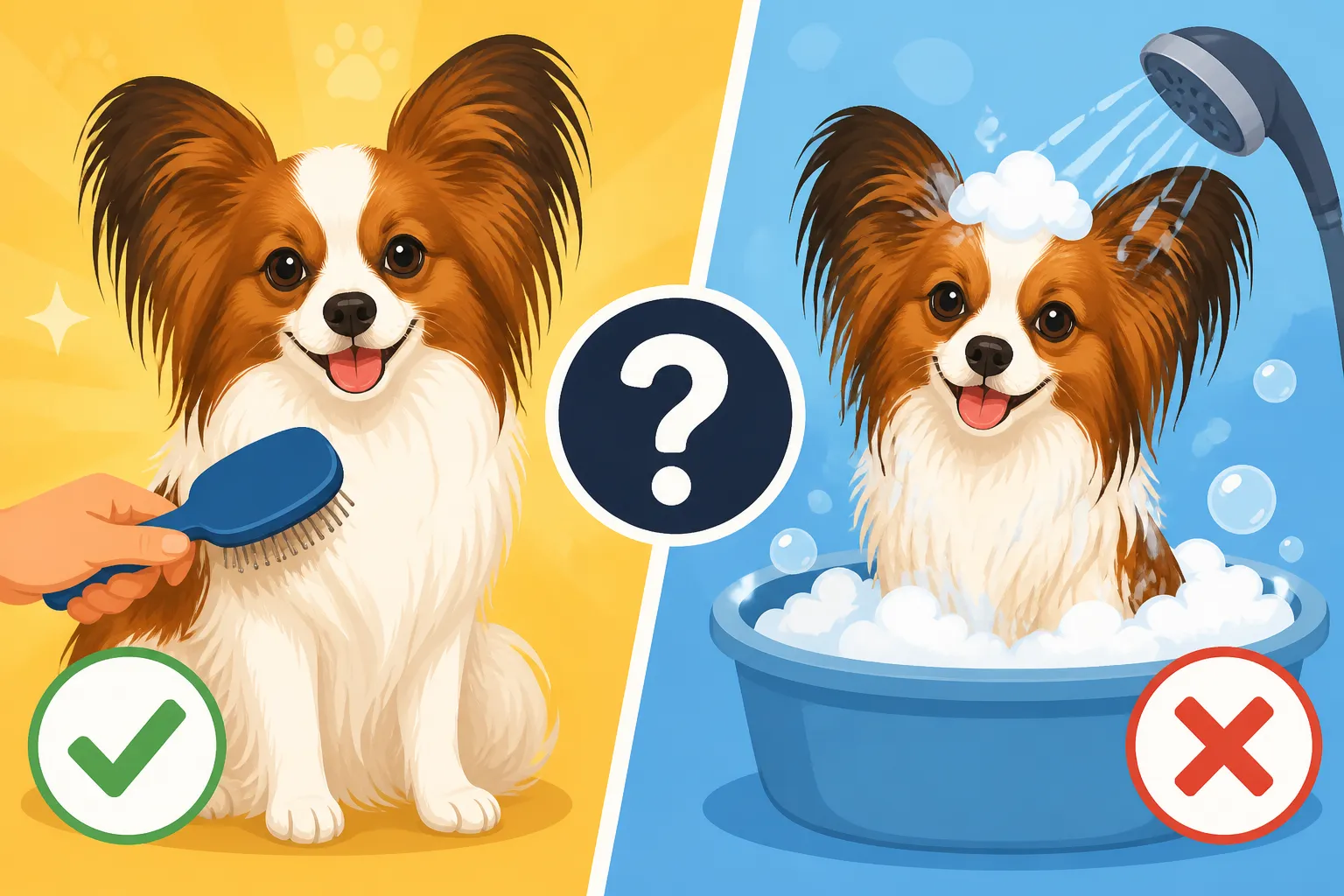
Whether a Papillon Should Be Brushed Before Bathing
If you're a Papillon owner, you've likely experienced the frustration of trying to bathe your beautiful dog, only to find their delicate, silky fur transforming into a matted, tangled nightmare once wet. It's a common struggle, and it can make bath time a dreaded chore instead of a pleasant bonding experience. This guide is dedicated to demystifying the essential step of pre-bathing brushing for your Papillon, explaining exactly why it's so important and how to do it effectively to keep their coat gorgeous and mat-free.
The Non-Negotiable Necessity of Pre-Bath Brushing for Papillons
Many dog owners might think a quick rinse is enough before a good scrub, but with a Papillon, that couldn't be further from the truth. Their coat type is unique, and ignoring pre-bath grooming can lead to a world of trouble for both you and your little butterfly-eared companion. It's not about being overly fussy; it's about protecting their comfort and the health of their skin.
Understanding the Papillon's Unique Coat
Papillons boast a single coat, meaning they don't have that dense, woolly undercoat that many other breeds possess. Instead, their fur is long, fine, and silky, designed to lie flat and flow beautifully. This is what gives them that elegant, ethereal appearance, with their distinctive ear fringes, chest ruffs, and tail plumes. While this single coat makes them less prone to the heavy shedding of double-coated breeds, it also makes their hair incredibly susceptible to matting and tangling, especially when wet. The absence of an undercoat means there's less structure to support the longer guard hairs, allowing them to twist and knot together with surprising ease. This is why you need to understand A Papillon's Coat Is All Fringe and No Undercoat.
Imagine trying to brush your own fine, long hair after you've washed it without conditioning or combing it first – it's a tangled mess, right? A Papillon's coat behaves similarly, but with even more potential for tiny, insidious knots to form. These aren't just superficial tangles; they can quickly become tight, felt-like mats that pull at the skin. If you regularly bathe your Papillon without thoroughly brushing them beforehand, you're essentially setting yourself up for an hour-long battle with tangles, or worse, the need for professional dematting, which can be uncomfortable and costly.
Their signature ear fringe, often referred to as "butterfly ears," is particularly vulnerable. These long, delicate hairs are constantly moving and rubbing, making them prime candidates for knotting. The "culottes" on their hind legs and the abundant "plume" of their tail also collect debris and can tangle easily. Any moisture, even humidity in the air, can exacerbate existing tangles, let alone a full bath.
The Problem with Washing Matted Fur
If you put a Papillon with existing tangles or mats into the bath, the water acts like a super-setter for those knots. Instead of loosening them, the water causes the hair to swell and the mats to tighten and shrink, pulling even closer to the skin. Think of it like trying to untangle a wet shoelace knot – it's infinitely harder than untangling a dry one. Once a mat is wet and then dries, it becomes incredibly dense, almost like felt, and can be excruciatingly difficult, if not impossible, to brush out without causing pain to your dog.
Beyond the immediate difficulty, washing matted fur creates several problems. First, the shampoo and conditioner cannot properly penetrate the matted areas, leaving dirt, skin flakes, and product residue trapped underneath. This creates a breeding ground for bacteria and yeast, leading to skin irritations, hot spots, or even infections. It also means your dog isn't truly getting clean, despite your best efforts.
Secondly, the drying process becomes a nightmare. Air drying wet mats takes an age, further encouraging bacterial growth and a damp dog smell. Blow-drying mats only serves to dry them tighter, making them even harder to remove. What might have been a small, manageable tangle before the bath can become a large, painful mat cemented against the skin, requiring professional intervention or, in severe cases, shaving. This is why knowing Where a Papillon Mats is so important.
Preventing Pain and Skin Issues
Ignoring tangles and mats doesn't just make grooming difficult; it directly impacts your Papillon's comfort and health. Mats pull at the skin constantly, causing discomfort and even pain, similar to how a tight ponytail feels on your scalp after a while. Over time, this constant tension can lead to skin redness, irritation, and open sores. These sores are not only painful but also vulnerable to infection.
Furthermore, severe matting can restrict movement, especially around the joints, armpits, and groin. Your Papillon might find it painful to walk, run, or even lie down comfortably. It can also hide parasites like fleas and ticks, as well as minor injuries or skin conditions, making them much harder to detect and treat. Regular, gentle brushing before a bath ensures that their skin can breathe, their coat is clean right down to the root, and you can easily inspect them for any bumps, cuts, or unwelcome hitchhikers. This proactive approach prevents a small tangle from escalating into a serious health concern, making the overall experience much less stressful for your beloved pet.
Your Step-by-Step Guide to Pre-Bath Papillon Grooming
Getting your Papillon ready for a bath involves more than just gathering shampoo. It's a methodical process that ensures their comfort and the effectiveness of the bath itself. Think of it as preparing the canvas before you paint – you want it smooth and ready. This isn't just about brushing; it's about a complete pre-treatment to avoid any post-bath headaches.
Setting the Stage for a Successful Brush-Out
Before you even think about picking up a brush, ensure you have a calm environment. A relaxed dog is a cooperative dog. Choose a quiet time when you won't be interrupted, and have all your tools within reach. A non-slip surface for your dog to stand or lie on is ideal, whether it's a grooming table with a rubber mat or even just a bath mat on the floor. Offering a favorite treat or a puzzle toy can distract your Papillon and make the experience more positive. Consistency is key here; if you make grooming a regular, positive routine, your Papillon will learn to tolerate, and perhaps even enjoy, the attention.
Next, give your Papillon a full body check. Gently run your hands over their entire body, feeling for any lumps, bumps, or hidden mats. Pay special attention to areas prone to tangles like behind the ears, under the armpits, in their "culottes" (the long fur on their hindquarters), and the feathery fringes of their tail and ears. Finding these before you start brushing allows you to approach them carefully. This initial tactile inspection helps you identify problem areas before you accidentally pull or cause discomfort with a brush. Remember, your Papillon might be small, but they feel pain just like any other dog.
Finally, a light misting of a detangling spray or a very dilute leave-in conditioner can work wonders, especially if your Papillon's coat tends to be dry or flyaway. Apply it sparingly, focusing on areas where tangles are most likely to form. This lubricates the hair strands, making them much easier to separate and glide past each other, significantly reducing static and breakage during brushing. You can find excellent detangling sprays on platforms like Chewy or Amazon, designed specifically for delicate coats.
The Detangling and Dematting Process
Now for the main event: the brushing. Start with a pin brush or a soft slicker brush. Begin at the extremities – a leg, the tip of an ear fringe, or the end of the tail plume – and work your way inward towards the body. Always brush in layers, lifting the top coat and brushing the hair underneath. This technique ensures you're getting through the entire coat and not just skimming the surface. Use gentle, sweeping strokes, and if you encounter a snag, stop immediately. Never yank or force the brush through a tangle; that will only cause pain and breakage.
For tangles, switch to a metal comb, ideally one with both wide and narrow teeth. Hold the hair at the base of the tangle, close to the skin, with your fingers. This "anchoring" technique prevents pulling on the skin while you work on the knot. Use the wide-toothed side of the comb first, gently teasing the knot apart from the outside edges inwards. Once it starts to loosen, you can switch to the finer-toothed side. Patience is paramount here. If a mat is particularly stubborn or close to the skin, a mat splitter or blunt-nosed scissors might be necessary, but use extreme caution. When trimming, always slide a comb between the mat and the skin to prevent cutting your dog. For severe matting, sometimes the kindest thing is a professional groomer.
Move slowly and systematically over your Papillon's entire body. Don't forget their tummy, inside their legs, and especially behind those beautiful butterfly ears – these are common spots for mats to form unnoticed. The goal is to ensure that you can run a fine-toothed metal comb from the skin all the way to the ends of the hair without encountering any resistance. This comb-check is your ultimate indicator that the coat is truly tangle-free and ready for bathing. It might seem like a lot, but this detailed attention saves you much more time and stress later.
Ensuring a Thorough Brush-Out
A "thorough" brush-out means every single strand of hair, from root to tip, on every part of your Papillon's body, is free of tangles and mats. It’s not just about what you can see. Once you've gone over the entire coat with your pin or slicker brush and have addressed any tangles with your comb, do a final "test" comb-through. Use a fine-toothed metal comb and work it through the coat, section by section, starting from the skin. If the comb glides smoothly without catching, you've done your job! If it snags, go back to that area and work through it again.
Don't rush this process. For a Papillon, a complete pre-bath brush-out can take anywhere from 15 to 30 minutes, depending on the length and density of their coat and how frequently they're brushed between baths. Remember that Why a Papillon's Long Coat Takes Twenty Minutes a Week is often due to the thoroughness needed. It's an investment of your time that pays dividends in a smoother bath, a cleaner dog, and a happier experience for both of you. Many owners find that breaking the brushing into shorter sessions over a day or two before the bath can be less overwhelming for both dog and owner.
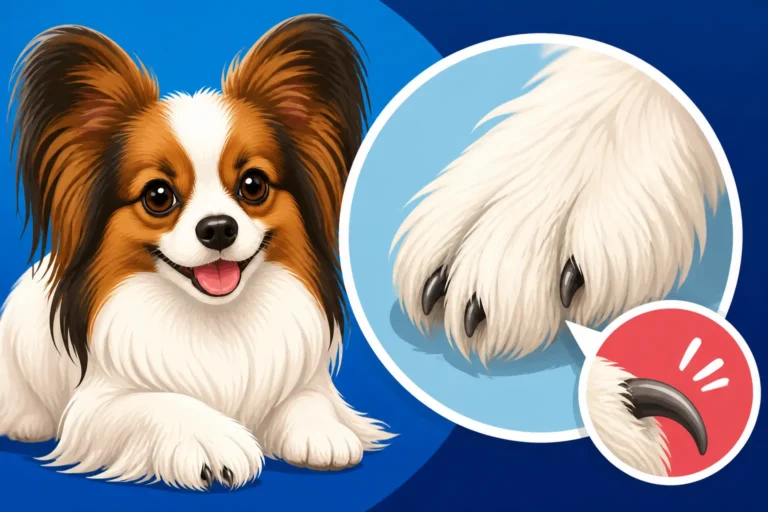
During this final check, also pay close attention to any areas that might get overlooked. The fine hair between their paw pads can sometimes mat, as can the fur around their hocks. Even areas that seem less exposed can hide small knots. This meticulous approach ensures that when your Papillon finally steps into the tub, the water will penetrate their coat evenly, and the shampoo will effectively cleanse every inch, leaving them truly clean and fluffy. It also means the drying process will be far simpler, as there will be no tight mats to hold moisture.
Essential Tools for Your Papillon's Pre-Bath Routine
Having the right tools is half the battle when it comes to grooming a Papillon. You wouldn't try to sculpt a masterpiece with a dull knife, and you shouldn't try to maintain your Papillon's exquisite coat with inadequate brushes. Investing in quality grooming tools makes the task easier, more effective, and much more comfortable for your dog.
Selecting the Right Brushes and Combs
For a Papillon's fine, single coat, a few key brushes and combs are indispensable. First, a pin brush with rounded tips is excellent for general brushing and getting through the longer portions of their coat without pulling. It helps to separate the strands and lift loose hair. Look for one with sturdy, yet flexible pins. Then, a slicker brush with fine, tightly packed wires is crucial for really getting down to the skin and working out smaller tangles, especially on the body and legs. Be sure to choose a slicker that isn't too stiff, as a harsh one can scratch their delicate skin.
The most important tool for detangling and dematting, however, is a metal comb. Specifically, a greyhound comb, which typically has widely spaced teeth on one end and finer teeth on the other. This allows you to tackle larger tangles with the wide teeth and then work on smaller knots and ensure thoroughness with the finer teeth. It’s your final check to make sure the coat is truly clear of all knots. You can find all these options readily available from retailers like Chewy or on Amazon, often with reviews from other small breed owners to guide your choice. Understanding Which Brush a Papillon Needs is vital.
Here's a quick guide to brush types:
| Brush Type | Description | Best Use for Papillons | When to Use |
|---|---|---|---|
| Pin Brush | Oval or rectangular head with widely spaced metal pins. | General brushing, separating coat, lifting loose hair. | Daily, and initial pass before detangling. |
| Slicker Brush | Flat or curved head with fine, tightly packed wire bristles. | Removing loose undercoat (even though Papillons have little) and minor tangles, especially on body. | After pin brush, to smooth and ensure no small mats. |
| Metal Comb | Fine-toothed, often with wider and narrower teeth sections. | Detangling knots, checking for missed mats, ear fringes, tail. | After brushing, to confirm mat-free status, on problem areas. |
Dematting Sprays and Conditioners
Beyond the brushes, dematting sprays and leave-in conditioners are your secret weapons. These products are formulated to lubricate hair shafts, making them slippery and easier to separate. A good quality dematting spray can significantly reduce the effort and stress involved in working through stubborn tangles. Apply the spray directly to the matted area, let it sit for a minute or two to penetrate, and then carefully begin to tease the mat apart with your fingers or the wide-toothed end of your metal comb.
For regular use and overall coat health, a leave-in conditioner after a bath, or a very dilute spray as part of your daily brushing routine, can help prevent mats from forming in the first place. These products add moisture and a protective barrier to the hair, reducing friction and static that contribute to tangles. Some brands even offer formulas specifically for long-haired breeds or those with delicate coats, which can be found at pet supply stores or online from vendors like Chewy. These products not only aid in grooming but also contribute to the silky texture and sheen that are hallmarks of the Papillon coat.
Other Handy Grooming Aids
While brushes and sprays are central, a few other items can make your pre-bath grooming routine even smoother. A small pair of blunt-nosed scissors can be a lifesaver for carefully cutting out very tight, unmanageable mats that absolutely cannot be brushed out. Always remember to slide a comb between the mat and the skin first to create a safe barrier before snipping. Never cut directly against the skin.
Additionally, a grooming glove with rubber nubs can be wonderful for a gentle massage and to pick up loose hairs, especially for Papillons who might be sensitive to traditional brushes. For quick clean-ups and to reduce general dirt accumulation between baths, pet wipes can also be useful for cleaning paws and faces, which helps prevent minor debris from turning into larger problems later. Finally, don't forget the treats! Positive reinforcement with high-value treats from a company like Ollie, or even just tiny bits of cheese or cooked chicken, can turn a potentially stressful grooming session into a positive experience, especially when dealing with a reluctant dog.
Common Pitfalls and Troubleshooting Your Papillon's Pre-Bath Brush
Even with the best intentions and the right tools, grooming can sometimes present challenges. Papillons, with their delicate coats and sometimes strong personalities, can make things interesting. Knowing what to watch out for and how to respond can save you a lot of grief.
Dealing with Stubborn Mats
You’ve found a mat that just won’t budge, no matter how much detangling spray you use or how carefully you try to tease it apart. This is a common frustration. The key here is not to panic or get aggressive. Aggressive brushing or pulling will cause pain and make your Papillon hate grooming. Instead, re-apply detangling spray and let it sit for a few more minutes. Try working on the mat with your fingers first, trying to separate the hair strands from the outside in. Sometimes, simply breaking the mat into smaller sections with your fingers before using a comb is the most effective approach.
If the mat is truly cemented and close to the skin, and you're not comfortable using blunt-nosed scissors yourself, it's time to call in a professional groomer. They have specialized tools and techniques to remove mats safely and with minimal discomfort to your dog. Trying to cut out a deep, tight mat yourself can easily result in accidental nicks or cuts to the skin, which can become infected. Remember, a Papillon's skin is very thin and delicate. It's far better to pay for a professional dematting session than to risk injuring your beloved pet.
Addressing a Reluctant Papillon
Some Papillons just don't love grooming, and that's okay. They might squirm, nip, or try to escape. The first step is to ensure you're not causing them pain – check your technique, ensure your brushes aren't too harsh, and use ample detangling spray. If they're still resistant, approach grooming as a series of short, positive sessions rather than one long battle. Start with just a minute or two of gentle brushing, especially in areas they tolerate, followed by praise and a high-value treat. Gradually increase the duration as they become more comfortable.
Consistency is crucial. If grooming only happens when their coat is already matted, they'll associate it with pain. Make it a daily routine, even if it's just a quick brush-through, so they get used to the sensation and the handling. Introduce it slowly to puppies, touching their paws, ears, and tail regularly, even when not grooming, so they become accustomed to being handled. For an older, very resistant Papillon, you might consider professional guidance from a positive reinforcement trainer who specializes in cooperative care. They can help you teach your dog to willingly participate in grooming sessions, making it a stress-free experience for everyone involved. For tips on managing your dog's attitude, you might want to read Teaching a Papillon Puppy to Be Handled All Over.
Maintaining Coat Health Between Baths
The effort you put into pre-bath brushing shouldn't just be a one-off event. Regular maintenance between baths is what truly keeps your Papillon's coat in pristine condition and makes bath days much easier. Aim for a quick brush-out every day or at least every other day. This daily routine only takes a few minutes – perhaps Why a Papillon's Long Coat Takes Twenty Minutes a Week is a good benchmark – but it prevents small tangles from becoming major mats. Focus on those problem areas: behind the ears, under the legs, and the "culottes."
Beyond daily brushing, consider the environmental factors that can impact coat health. Humidity can increase static and tangling, so a humidifier in your home during dry months might help. Protecting their coat from harsh elements like snow or mud with appropriate doggy attire can also reduce the need for intensive grooming. Also, consider their diet. A high-quality diet, perhaps one like what Ollie offers, rich in omega fatty acids can contribute to a healthier, stronger coat that is less prone to breakage and matting. A healthy coat from the inside out is always easier to maintain. Remember that a clean, healthy coat is a comfortable coat, and a comfortable Papillon is a happy Papillon.
Disclaimer
This article is for general informational purposes only and does not constitute professional advice. Laws, prices and regulations vary by location and change over time. Consult a qualified professional for guidance on your specific situation.