Whether Conditioner Is Needed on a Papillon
One of the most common questions I get from fellow Papillon parents, especially those new to the breed, is about their dog's luxurious coat. You look at that magnificent ear fringe and flowing tail, and you might wonder if it needs the full salon treatment every time. Specifically, many of us ponder: does a Papillon really need conditioner, or is shampoo enough for their seemingly low-maintenance, single coat? It's a valid concern, as we all want to do right by our little butterflies without overdoing it or wasting money on unnecessary products. This guide is here to untangle that question and help you understand the role conditioner plays in maintaining your Papillon's signature look and overall skin health.
Understanding the Papillon's Unique Coat
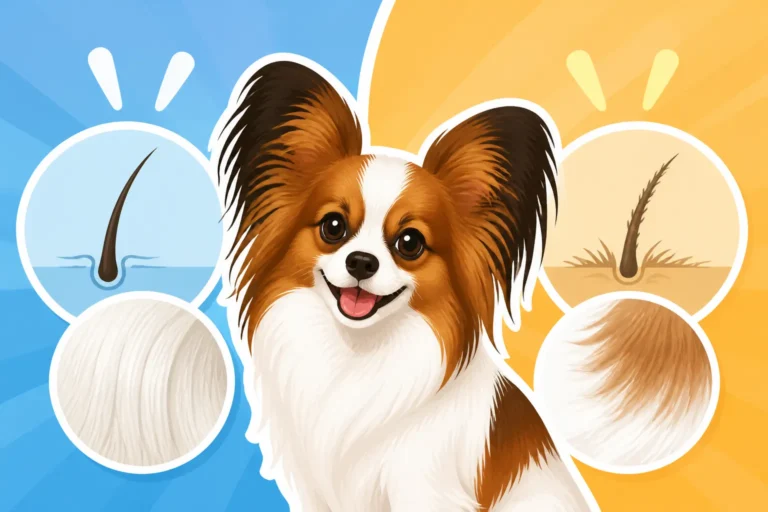
Before we dive into the merits of conditioner, let's chat a bit about what makes a Papillon's coat so special. Unlike many other long-haired breeds, Papillons boast a single coat, meaning they don't have that dense, woolly undercoat that many double-coated breeds possess. This is a huge part of why they're often considered less prone to matting and shedding than some other long-haired beauties, but it also presents its own unique care considerations.
The Silky, Single Layer
A Papillon's coat is characterized by its fine, silky texture. It's designed to lie flat and flow, giving them that elegant, ethereal appearance. Because there's no fuzzy undercoat to trap shed hair or create a tangled mess, many owners are surprised by how manageable it actually is. You might think, "Well, if it's so silky and doesn't have an undercoat, why would it need conditioner?" And you're not wrong to think that – on the surface, it seems counterintuitive. However, this very quality, the fineness of the hair, can also make it vulnerable in other ways. Fine hair, whether on a dog or a human, can be more prone to breakage, static, and environmental damage if not properly cared for. It can also dry out, just like any other hair type, leading to dullness and potential skin irritation.
Less Undercoat Doesn't Mean Zero Maintenance
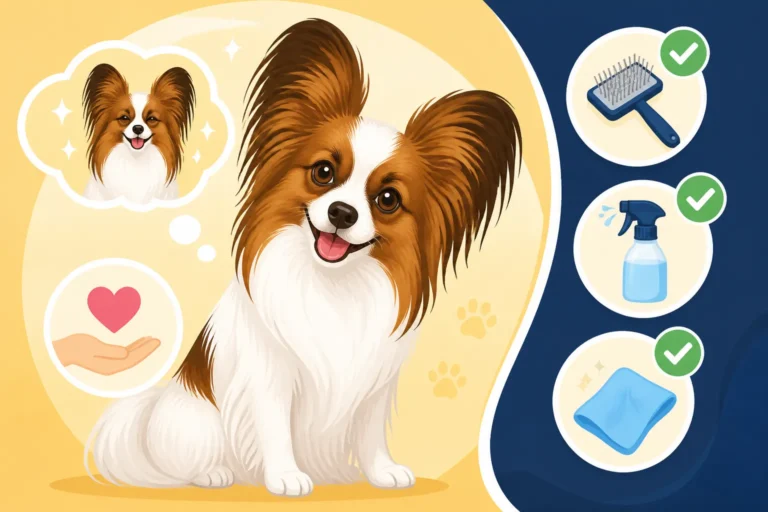
While it's true that a Papillon's coat doesn't demand the intense daily brushing sessions that a Samoyed or a Newfoundland might, it still requires consistent attention. Regular brushing is key, perhaps every few days, to prevent tangles from forming, especially in those magnificent ear fringes and their flowing culottes. Neglecting even a single-coated dog's grooming routine can lead to discomfort for them, and bigger problems for you down the line. We often talk about A Papillon's Coat Is All Fringe and No Undercoat, which highlights just how distinctive their hair is. But a single coat still sheds, still collects dirt, and still benefits from proper hydration. Think of it less as a protective armor and more like delicate silk that needs gentle care to retain its luster.
The Undeniable Benefits of Conditioning Your Papillon's Coat
Okay, so we've established that the Papillon's coat is unique. Now, let's get down to the brass tacks: why should you use conditioner? It turns out, there are several really compelling reasons why adding a good quality conditioner to your Papillon's bath routine is absolutely worth it.
Detangling and Preventing Mats
Even with a single coat, mats can form, especially in high-friction areas like behind the ears, under the armpits, and where harnesses rub. The long hair, particularly the delicate feathering on their ears and tail, can snag and knot. That's where conditioner truly shines. A good conditioner helps to smooth the hair shaft, making it much easier to comb through any existing tangles, and more importantly, making it harder for new ones to form. Imagine trying to comb dry, frizzy human hair versus hair that's been treated with a silky conditioner – it's the same principle for your Papillon. It adds a protective slip to the coat, allowing the individual hairs to slide past each other rather than locking together. This means less painful brushing for your dog and less frustration for you. Trust me, nobody wants to be wrestling with a matted Papillon, especially not one that's already protesting the bath! Regularly using conditioner can significantly reduce the amount of time you spend on detangling and can help keep those beautiful fringes pristine. You'll find that if you condition well, your routine brushing sessions, which should happen How Often a Papillon Needs Brushing, become much more pleasant for both of you.
Reducing Static and Breakage
Have you ever brushed your Papillon only to find their delicate hair flying everywhere, clinging to your clothes, and looking a bit wild? That's static electricity at play, and it's a common issue with fine, dry hair. Conditioner helps to rehydrate the hair and smooth the cuticle, which in turn reduces static. Less static means less frizz, a smoother appearance, and fewer "bad hair days" for your pup.
Beyond aesthetics, static can actually contribute to hair breakage. When hairs are charged with static, they can become brittle and snap more easily, leading to a thinner, less luxurious coat over time. A well-conditioned coat is a more resilient coat. It's more supple, less prone to snapping, and generally healthier. This is especially important for areas like their glorious tail plume and ear fringes, which are such defining features of the breed. Preventing breakage helps maintain the length and fullness that we all adore in a Papillon's coat.
Enhancing Shine and Softness
A Papillon's coat should have a beautiful, healthy sheen. If your dog's coat looks dull, dry, or feels a bit coarse, it's a strong indicator that it could benefit from conditioning. Conditioner works by replenishing moisture and sealing the hair cuticle, which reflects light more effectively, resulting in a vibrant, glossy coat. It also leaves the coat feeling incredibly soft to the touch, which is a joy for both you and your Papillon. There's nothing quite like burying your fingers in a freshly conditioned, silky Papillon coat! This enhanced softness also makes it more comfortable for your dog, as the hair moves more freely and is less likely to pull on the skin. A soft coat is also generally a cleaner coat, as dirt is less likely to cling to smooth, hydrated hair.
Moisturizing the Skin
It's easy to focus solely on the hair, but don't forget the skin underneath! A Papillon's delicate skin can become dry, flaky, or itchy, especially if they are bathed frequently or live in a dry climate. Conditioner isn't just for the hair; many formulas are designed to moisturize the skin as well. By hydrating the skin, conditioner can help prevent dryness, reduce irritation, and maintain a healthy skin barrier. Healthy skin is the foundation for a healthy coat. If your Papillon suffers from dry skin, you might notice them scratching more, or you might see flakes when you brush them. A good conditioning routine, combined with the right shampoo, can make a world of difference. When considering which products to choose, think about brands available on Amazon or Chewy that specialize in sensitive skin formulas.
Choosing the Right Conditioner for Your Papillon
With so many products out there, selecting the right conditioner can feel a bit overwhelming. But don't worry, a few key pointers can help you narrow down the options and find the perfect match for your Papillon's needs.
What to Look For: Gentle, Hydrating Ingredients
The best conditioners for Papillons will be formulated with gentle, hydrating ingredients that won't strip the natural oils from their skin or weigh down their fine coat. Look for ingredients like:
- Aloe Vera: Known for its soothing and moisturizing properties.
- Oatmeal: Excellent for sensitive or itchy skin.
- Natural Oils (e.g., coconut oil, argan oil, jojoba oil): These can provide deep hydration and shine without feeling greasy.
- Panthenol (Vitamin B5): Helps to strengthen hair and improve elasticity.
- Keratin: A protein that can help repair damaged hair.
Always opt for products specifically formulated for dogs. Human conditioners, even those labeled "gentle," often have a different pH balance and contain ingredients that can be irritating or harmful to canine skin and coats. You're looking for something that will hydrate and protect without causing residue buildup or irritation.
What to Avoid: Harsh Chemicals and Heavy Formulas
Just as important as knowing what to look for is knowing what to avoid. Steer clear of conditioners that contain:
- Sulfates: These harsh detergents can strip natural oils and dry out skin and coat.
- Parabens: Preservatives that some pet owners prefer to avoid.
- Artificial Fragrances and Dyes: These can be common irritants for sensitive dogs. Opt for naturally scented products or those with no added fragrance.
- Heavy Waxes or Silicones: While some silicones can be beneficial in small amounts for smoothing, overly heavy formulas can build up on your Papillon's fine coat, making it look dull, greasy, and feeling weighted down. This can also ironically attract more dirt and lead to mats.
Remember, a Papillon's coat is delicate, so a "less is more" approach with ingredients is often best. Always check the ingredient list on the back of the bottle. If you're unsure, ask your vet or a professional groomer for recommendations. Many reputable pet supply retailers, like Chewy, offer a wide range of specialized dog grooming products, often with detailed ingredient lists and customer reviews that can help guide your choice.
Considering Specific Coat Needs
Does your Papillon have particular coat challenges?
If your Papillon has dry, flaky skin, look for conditioners with extra moisturizing properties or those designed for sensitive skin. If their coat tends to be dull, seek out formulas that promise shine enhancement. For dogs prone to tangles, a detangling conditioner or a conditioning spray can be a lifesaver between baths. You might even find that rotating between a couple of different conditioners works best, using a deep conditioning treatment occasionally and a lighter one for regular baths. It's a bit like finding the right skincare routine for yourself – it might take a little experimentation.
| Conditioner Type | Best For | Key Benefits | Things to Consider |
|---|---|---|---|
| Moisturizing | Dry skin, dull coat, static | Hydrates skin & hair, adds shine | Can be too heavy for very fine coats if overused |
| Detangling | Mats, tangles, long fringes | Smooths hair, reduces friction, easier brushing | May not offer deep skin hydration |
| Hypoallergenic/Sensitive | Itchy skin, allergies, redness | Gentle, free of common irritants | Check ingredient list for specific allergens |
| Brightening | White/light-colored coats, yellowing | Enhances natural coat color, reduces stains | Often contains optical brighteners |
| Leave-in Spray | Between baths, quick detangling, static control | Quick application, maintains coat health | Not a replacement for rinse-out conditioner |
How to Condition a Papillon Properly
Applying conditioner isn't just about squeezing some onto your dog and rinsing. There's a technique to it that maximizes its benefits and ensures your Papillon's coat is truly pampered.
Step-by-Step Application
- Thorough Shampooing and Rinsing: Before you even think about conditioner, your Papillon needs to be squeaky clean. Use a good quality dog shampoo, lather thoroughly, paying attention to the ear fringes, chest, and culottes where dirt loves to hide. Rinse completely, making sure no shampoo residue is left behind, as this can cause skin irritation and dull the coat. If you’re not sure Which Shampoo Suits a Papillon's Coat, ask your vet!
- Squeeze Out Excess Water: Gently squeeze excess water from your Papillon's coat. You don't want it dripping wet, as this will dilute the conditioner too much. A slightly damp coat allows the conditioner to adhere better.
- Apply Conditioner: Dispense a small amount of conditioner into your hands – remember, with a Papillon, a little goes a long way. Start with a dime-sized amount and add more if needed. Rub your hands together to distribute it, then gently work it into your Papillon's coat, starting from the neck and working your way down to the tail. Pay special attention to those long, feathered areas: the ears, the chest frill, the culottes, and the tail plume. These are the areas most prone to matting and breakage.
- Massage and Distribute: Gently massage the conditioner into the hair and down to the skin. Use your fingers to ensure even distribution. For very long fringes, you can even use a wide-tooth comb to gently comb the conditioner through, ensuring every strand is coated. This is also a good opportunity to work out any very minor tangles that might have survived the shampooing.
- Let it Sit: Most conditioners need a few minutes to work their magic. Check the product label for specific instructions, but generally, 3-5 minutes is a good guideline. This allows the hydrating ingredients to penetrate the hair shaft and moisturize the skin. This short waiting period is crucial for optimal results.
- Rinse Thoroughly: This is perhaps the most critical step. Rinse, rinse, and rinse again! Just like with shampoo, any conditioner left behind can attract dirt, cause residue buildup, and lead to skin irritation or a greasy-feeling coat. Use lukewarm water and continue rinsing until the water runs clear and the coat feels clean and smooth, not slippery.
Drying After Conditioning
After a good rinse, gently towel dry your Papillon. Blot and squeeze the water out, rather than rubbing vigorously, which can create tangles. Many Papillon owners, especially those who show their dogs or want that pristine look, follow up with a blow dryer on a cool or low-heat setting. This helps to fully dry the coat, prevents matting from damp hair, and encourages that beautiful flow. Remember, a Papillon's coat dries relatively quickly compared to double-coated breeds, but proper drying is still essential. For tips on this, check out How to Dry a Papillon. A thorough, gentle drying process after conditioning ensures your Papillon's coat looks its absolute best.
Addressing Specific Papillon Coat Concerns with Conditioner
Conditioner isn't just for general maintenance; it can be a targeted solution for common Papillon coat issues that pop up despite our best efforts.
Tackling Mats and Tangles
While Papillons are less prone to severe matting due to their single coat, small tangles can still form, especially behind the ears, under the elbows, and in their "culottes" (the long hair on their hind legs). These areas experience more friction and movement. When you encounter a tangle, don't just pull at it! After shampooing, apply a generous amount of conditioner directly to the matted area and let it sit for a few minutes. The conditioner will help lubricate the hairs, making them easier to separate. Then, gently work the tangle out with your fingers or a wide-tooth comb, starting from the ends and working your way towards the skin. Patience is key here. For stubborn knots, a detangling spray applied after the bath can also be incredibly helpful. We've even discussed Whether Detangler Helps a Papillon in detail. Regular conditioning makes these occurrences far less frequent and easier to manage when they do happen.
Battling Dryness and Dullness
If your Papillon's coat looks lackluster or feels rough, dryness is likely the culprit. This can be caused by environmental factors, overly harsh shampoos, or even dietary deficiencies. A high-quality moisturizing conditioner is your best friend here. It infuses the hair with much-needed hydration, smoothing the cuticle and restoring that natural, healthy shine. Think of it as a deep conditioning treatment for their fur. Consistency is important; regular conditioning will prevent the coat from drying out again. It's also worth considering if your dog's diet is supporting a healthy coat. While conditioner works externally, good nutrition plays a huge role internally. Brands like Ollie focus on fresh, whole ingredients which can contribute to overall health, including skin and coat condition, from the inside out.
Sometimes, dryness can also be a sign of underlying skin issues. If your Papillon has persistently dry or flaky skin, Whether a Papillon Gets Dry Skin delves into more detail, but adding conditioner to your routine is a great first step.
Reducing Static Electricity
Static cling is not just annoying; it can make your Papillon's coat prone to tangles and breakage. When hair is dry, it's more susceptible to static. Conditioner works by adding moisture back into the hair, which helps to neutralize the electrical charge. This leaves the coat smoother, less frizzy, and easier to manage. If static is a persistent problem, especially in dry winter months, consider using a leave-in conditioning spray between baths to keep the coat hydrated and static-free. A humid environment can also help, but a good conditioner provides direct relief for the coat itself.
How Often Should You Condition Your Papillon?
The frequency of conditioning your Papillon depends on several factors, including their activity level, coat condition, and lifestyle. There's no one-size-fits-all answer, but we can certainly provide some good guidelines.
General Guidelines for Bathing and Conditioning
For most Papillons, a bath every 2-4 weeks is sufficient. If your Papillon spends a lot of time outdoors, gets dirty frequently, or has a tendency to roll in things they shouldn't (and let's be honest, which dog doesn't?), then you might need to bathe them more often. Conversely, if your dog is mostly an indoor companion and stays relatively clean, you might stretch it closer to once a month.
- Every Bath: Generally speaking, if you are shampooing your Papillon, you should follow up with conditioner. Shampoo cleanses and can sometimes strip a little moisture, so conditioner replenishes it. It's like washing your hair – you almost always follow with conditioner to restore balance.
- For Dogs Prone to Mats or Dryness: If your Papillon's coat is particularly prone to tangles or dryness, you might even consider a light conditioning spray on key areas between full baths. This isn't a replacement for a full rinse-out conditioner, but it can help maintain moisture and detangling properties for those troublesome spots.
- Seasonal Changes: In drier climates or during winter months when indoor heating can dry out the air, you might find your Papillon's coat (and your own skin!) needs a little extra hydration. This is a great time to be diligent with conditioning. In humid summer months, you might be able to get away with slightly less, but it's still beneficial.
Factors Influencing Frequency
- Coat Length and Type: Even within the Papillon breed, there can be slight variations in coat length and density. A Papillon with an exceptionally full, long coat, especially very long ear fringes, might benefit from more frequent conditioning to keep tangles at bay.
- Activity Level: A Papillon that actively competes in dog sports like agility will likely get dirtier and require more frequent baths, thus more frequent conditioning. The protective barrier that conditioner creates can also help protect the coat from environmental damage. You might find that agility dogs benefit from a good conditioner to keep their coat in top shape when they are Where a Papillon Gets Injured in Agility (though often minor scrapes, not coat damage).
- Skin Sensitivities: If your Papillon has sensitive skin or allergies, your vet might recommend specific conditioning products or a particular bathing schedule to manage their condition. Always defer to your vet's advice in these cases.
- Age: Older Papillons, just like older humans, can sometimes experience changes in their skin and coat. Their skin might become drier, and their coat can become coarser or thinner. What an Aging Papillon's Coat Looks Like often involves a bit of dullness or more brittleness. Regular conditioning can help keep their aging coat comfortable and healthy.
By paying attention to your individual Papillon's needs and adjusting your conditioning routine accordingly, you can ensure their beautiful coat remains healthy, shiny, and tangle-free for years to come.
Disclaimer
This article is for general informational purposes only and does not constitute professional advice. Laws, prices and regulations vary by location and change over time. Consult a qualified professional for guidance on your specific situation.