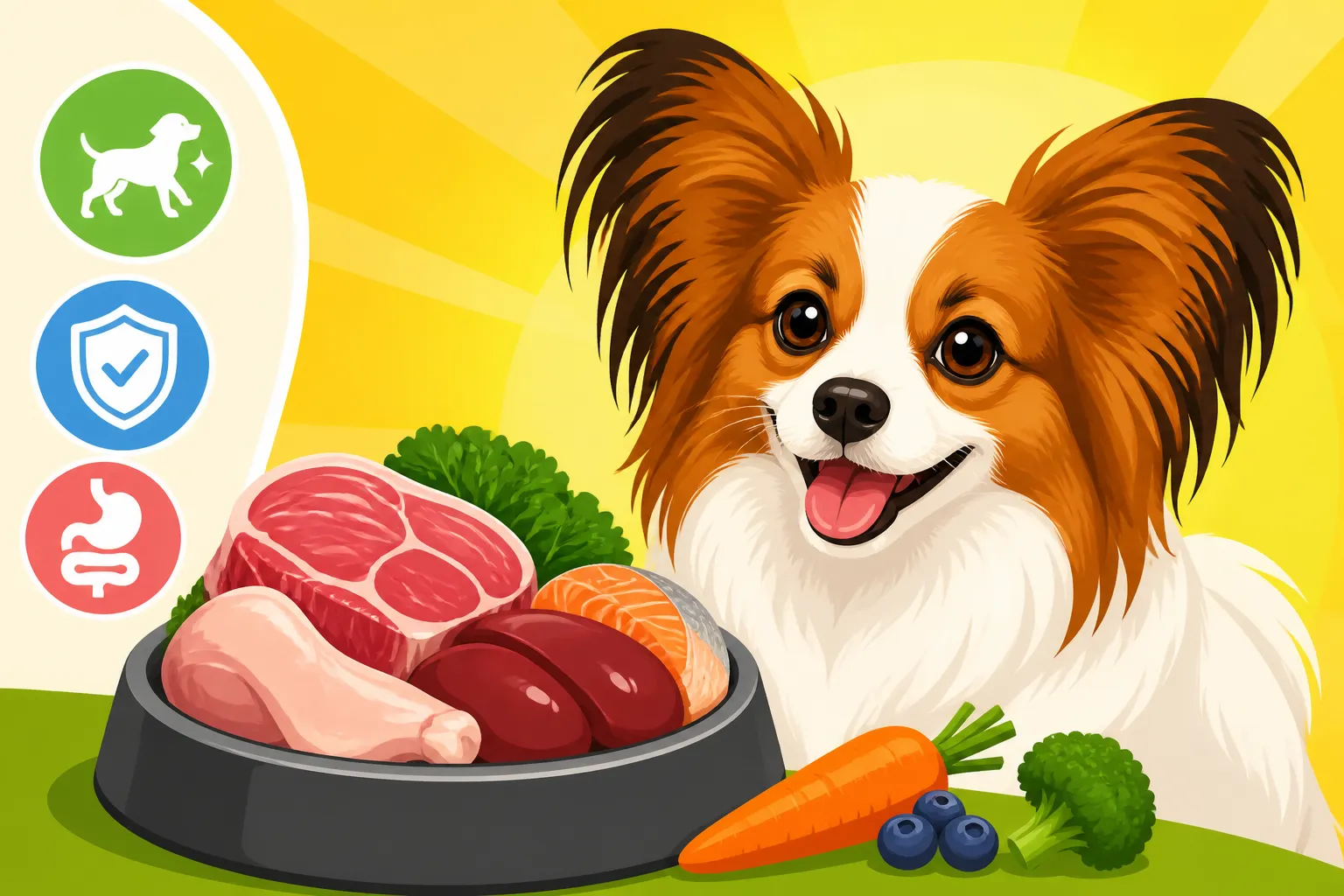
Raw Feeding a Papillon
Many Papillon owners find themselves standing in the pet food aisle, feeling overwhelmed by the endless bags and brands, wondering if there's a more natural, wholesome way to nourish their tiny companions. The allure of raw feeding is strong, promising ancestral benefits and improved health, but the thought of getting it wrong for such a small, delicate dog can be truly daunting. This guide is here to demystify raw feeding for Papillons, helping you understand its potential benefits, practicalities, and crucial safety considerations, so you can make an informed decision for your beloved butterfly dog.
The Appeal and Concerns of Raw Feeding for Tiny Papillons
The conversation around canine nutrition has certainly evolved beyond just kibble, hasn't it? For many of us with Papillons, who are often so vibrant and full of personality, we want to ensure every aspect of their care contributes to their long-term well-being. This often leads us down the rabbit hole of different diets, with raw feeding standing out as a particularly intriguing, yet often intimidating, option.
Why Owners Consider Raw for Small Breeds
There's a growing movement among pet parents who believe that feeding dogs a diet closer to what their wild ancestors would eat can unlock a whole host of benefits. For Papillon owners, this often translates into hopes for shinier coats, better dental health, improved digestion, and even higher energy levels. When you look at your little Papillon, who might weigh just a handful of pounds, it's easy to imagine them as a miniature, yet still robust, version of a wolf, with needs for real, unprocessed food. Anecdotal evidence from other raw feeders can be very compelling, painting pictures of dogs thriving in ways they didn't on commercial kibble. The idea that a raw diet could potentially prevent issues like allergies or chronic digestive upset is incredibly appealing, especially when we consider how common these problems can be in dogs today. Plus, for a breed known for its intelligence and zest for life, giving them optimal nutrition just feels right.
The Unique Challenges of Raw for Papillons
However, the reality of raw feeding a tiny dog like a Papillon isn't without its specific hurdles. Portion control, for one, becomes a meticulous art. We're talking about feeding mere ounces of food, not large scoops. An incorrect balance of nutrients, even slightly off, can have a disproportionately large impact on such a small system. It's not like with a large breed where a minor dietary wobble might be absorbed more easily. For a Papillon, getting enough calcium without too much phosphorus, or the right blend of organ meats and muscle meat, requires precision.
Another concern for Papillon owners is the potential for choking hazards. While a larger dog might easily manage a raw chicken neck, the same item could be problematic for a tiny Papillon. Smaller bones, appropriate sizing of chunks, and careful selection of ingredients become even more critical. There's also the financial aspect; while Papillons are generally Cheap to Feed and Expensive to Fix, raw ingredients can add up, and preparing custom meals often takes more time than simply scooping kibble. You're essentially becoming your dog's personal chef and nutritionist, which is a big commitment.
Understanding the Components of a Balanced Raw Diet
Embarking on a raw feeding journey means understanding the fundamental building blocks of a truly balanced diet. It's more than just tossing some raw meat into a bowl; it's about replicating, as closely as possible, the nutritional profile an ancestral canine would derive from its prey. This isn't just a trend; it's a careful scientific approach to canine health.
The 'BARF' Model Breakdown for Papillons
When people talk about raw feeding, they often refer to the BARF diet, which stands for Biologically Appropriate Raw Food or Bones and Raw Food. This model emphasizes a diet composed of raw, whole foods designed to mimic what a dog would eat in the wild. For a Papillon, the general guidelines are adapted to their small size and specific needs.
Here's a typical breakdown:
- Muscle Meat (70-80%): This is the bulk of the diet, providing essential protein, amino acids, and fats. Think lean cuts of chicken, turkey, beef, lamb, or venison. For a Papillon, this might be finely ground or cut into very small, manageable pieces. You want variety over time to ensure a broad spectrum of nutrients.
- Raw Meaty Bones (10-15%): These are absolutely crucial for calcium, phosphorus, and other minerals, and they play a vital role in keeping those tiny Papillon teeth clean. However, this is where size and safety are paramount for our small friends. Never feed cooked bones, as they splinter easily. For a Papillon, options like chicken necks, chicken feet, or small pieces of turkey neck might work, but they must be appropriate for their size and supervised. Many owners opt for finely ground bone if their Papillon struggles with whole pieces.
- Organ Meats (5-10%): These are the nutrient powerhouses, rich in vitamins (especially A, B, and D), minerals, and enzymes. Liver is often the most common, but kidney, spleen, and pancreas are also excellent. Again, variety is key. Given the small percentages, even a tiny piece of liver goes a long way for a Papillon.
- Fruits and Vegetables (5-10%): While not a primary component of a wild canine's diet, fruits and vegetables offer antioxidants, fiber, and additional vitamins and minerals. Carrots, broccoli, spinach, blueberries, apples (without seeds), and pumpkin are popular choices. They should be pureed or very finely chopped to aid digestion, as dogs don't break down plant cell walls as efficiently as herbivores.
A typical daily meal for an adult Papillon following these percentages might look like this:
| Component | Approximate % | Example for a 7lb Papillon (daily total ~3.5-5.25 oz) |
|---|---|---|
| Muscle Meat | 75% | 2.6 – 3.9 oz (e.g., ground chicken, turkey breast) |
| Raw Meaty Bone | 10% | 0.35 – 0.5 oz (e.g., ground chicken neck, chicken foot) |
| Organ Meat | 7.5% | 0.26 – 0.39 oz (e.g., small cube of liver) |
| Fruits & Veggies | 7.5% | 0.26 – 0.39 oz (e.g., pureed spinach, blueberries) |
(Note: Total daily amount will vary based on your individual Papillon's activity level, age, and metabolism. This is a general guideline.)
Sourcing Ingredients Safely
One of the biggest concerns for raw feeders, especially when considering the delicate nature of a small breed like a Papillon, is the safety and quality of ingredients. You wouldn't want to compromise your dog's health with questionable meat or bones.
First, prioritize human-grade meats. This means buying from sources you would trust for your own family's meals – local butchers, reputable grocery stores, or even online retailers specializing in pet-specific raw food ingredients. Brands like Chewy and Amazon often carry a range of frozen raw pet food options, which can be a convenient way to get pre-portioned and balanced meals if you're not ready to DIY entirely. When dealing with raw meaty bones, ensure they are fresh and from healthy animals.
Always handle raw meat with the same precautions you would for your own food. Use separate cutting boards, knives, and bowls. Wash your hands thoroughly with soap and hot water after handling raw ingredients. Freeze meat thoroughly before feeding, especially if you're unsure of its immediate freshness. Some people advocate for "flash freezing" raw meat for a period to kill certain parasites, though proper sourcing is the primary defense.
Consider locally-sourced options as well. Farmers' markets might offer quality local meats. If you're buying from a feed store or a less conventional source, always ask about the origin and handling practices of the meat. Remember, your Papillon relies entirely on you for a safe and nutritious meal.
Practical Steps for Raw Feeding Your Papillon
Deciding to raw feed is just the first step. The actual implementation requires careful planning, a bit of kitchen savvy, and a commitment to ongoing observation. For a Papillon, with their tiny digestive systems and keen senses, making the transition smooth and sustainable is key.
Transitioning Your Papillon to Raw
Switching any dog's diet needs to be done gradually, but with a Papillon, patience is even more important. Their digestive systems can be sensitive, and an abrupt change could lead to upset stomachs, diarrhea, or a refusal to eat.
There are a few popular methods for transitioning:
- Cold Turkey (with caution): Some raw feeders advocate for an immediate switch, believing that mixing raw and kibble can cause digestive issues due to different digestion times. However, for a small Papillon, this can be quite a shock. If you choose this method, be prepared for potential digestive upset for a few days, and ensure you're offering easily digestible raw options like ground chicken.
- Gradual Introduction (most recommended for Papillons): This method involves slowly increasing the amount of raw food while decreasing the old food over several days or even a couple of weeks.
- Days 1-3: Introduce a very small amount of raw (e.g., 10-20% of the meal) mixed into their regular food. Some people find it better to feed the raw and kibble in separate meals on the same day, rather than mixing, to avoid potential digestive clashes. For instance, a small raw meal in the morning, kibble in the evening.
- Days 4-7: Gradually increase the raw portion to about 30-40% of the total food, monitoring your Papillon's stools and energy levels closely.
- Days 8-14 (or longer): Continue to increase the raw, reducing the old food until your Papillon is fully on the raw diet.
- Picky Eaters: Papillons can sometimes be a bit particular. If your dog isn't keen on the new food, try warming it slightly (never cook raw meat!) to enhance the aroma, or add a little low-sodium chicken broth. Some commercial raw brands, like Ollie, are designed to be highly palatable, which can sometimes help in the transition phase.
During this period, keep a close eye on your Papillon. Are their stools firm and consistent? Is their energy good? Are they eating enthusiastically? Any significant changes might mean you're going too fast, or a particular ingredient isn't sitting well. Remember that Feeding a Papillon That Weighs Seven Pounds means every tiny detail matters.
Daily Meal Preparation and Hygiene
Once your Papillon is fully transitioned, daily meal prep becomes a routine. Consistency in hygiene is critical to prevent contamination for both your dog and your household.
- Prep Area: Designate a specific area in your kitchen for raw food prep. Use dedicated cutting boards (preferably plastic that can go in a dishwasher) and utensils that are used only for raw meat.
- Gloves and Handwashing: Always wear gloves or wash your hands thoroughly with hot, soapy water before and after handling raw ingredients.
- Storage: Portion out daily meals or meal components into individual containers. This saves time and ensures accurate serving sizes. Store these in the refrigerator for up to 2-3 days, or freeze for longer storage.
- Serving Bowls: Use stainless steel or ceramic bowls that are easy to sanitize. Wash your Papillon's food bowl with hot, soapy water immediately after each meal. Do not let raw food sit out, especially in warm weather.
- Cleaning Surfaces: Sanitize all surfaces that came into contact with raw meat (counters, sinks) using a disinfectant spray or a bleach solution.
- Thawing: Thaw frozen raw meals in the refrigerator overnight. Never thaw at room temperature, as this can encourage bacterial growth.
This might sound like a lot of extra steps compared to kibble, but with practice, it quickly becomes second nature. Think of it as preparing a healthy meal for any beloved member of your family.
Monitoring and Adjusting for Your Papillon's Health
Raw feeding is not a "set it and forget it" system. It requires ongoing observation and adjustments to ensure your Papillon continues to thrive. Just like with any diet, individual needs can vary greatly.
- Weight Management: Keep a close eye on your Papillon's weight. Given their small size, even a slight change can be significant. You should be able to easily feel their ribs, but not see them prominently. If they start to lose too much weight, you might need to increase their caloric intake; if they gain, you might need to slightly reduce it. Regular weighing is important, especially since A Papillon's Coat Hides Weight Loss sometimes.
- Stool Quality: This is your best indicator of digestive health. Healthy Papillon stools on a raw diet are typically smaller, firmer, and less odorous than those on kibble. They might even appear chalky due to higher bone content. Loose stools or excessive mucus can signal an imbalance or an issue with a particular ingredient.
- Energy Levels and Coat Condition: Observe your Papillon's overall vigor. Are they playful? Is their coat shiny and healthy? Are their eyes bright? These are all signs of good health. A dull coat, lethargy, or behavioral changes could indicate a nutritional deficiency or imbalance.
- Regular Vet Check-ups: Even on a raw diet, regular veterinary check-ups are paramount. Discuss your Papillon's diet with your vet. While not all vets are raw-feeding advocates, a good vet can help monitor your dog's overall health through What a Papillon's Yearly Bloodwork Should Cover and address any potential concerns. It's especially important to ensure your Papillon isn't developing any nutritional deficiencies over time.
- Dental Health: While raw meaty bones can help clean teeth, don't rely solely on them. Continue with regular Why a Papillon's Teeth Need Brushing Daily for optimal oral hygiene, as Papillons are prone to dental issues.
Adjusting the diet means fine-tuning the ratios of meat, bone, and organs, or trying different protein sources. Perhaps your Papillon needs a little more fat, or a different type of bone. It’s an ongoing learning process that empowers you to tailor their nutrition perfectly.
Common Misconceptions and Safety Considerations
Despite its growing popularity, raw feeding still comes with a fair share of skepticism and valid concerns. It's important to separate fact from fiction and understand the real safety protocols involved, particularly for a small dog like a Papillon.
Addressing Bacterial Risks and Contamination
The most frequently cited concern about raw feeding is the risk of bacterial contamination, primarily from Salmonella and E. coli. It's a valid worry, as these bacteria can pose a threat to both your Papillon and your family. However, responsible raw feeders have proven strategies for mitigating these risks.
First, let's understand that dogs' digestive systems are different from ours. Their stomachs are highly acidic, which helps neutralize bacteria. They also have shorter digestive tracts, meaning food passes through more quickly, reducing the time bacteria have to multiply. While a healthy dog might be able to process some bacteria without getting sick, they can still shed bacteria, which is where the risk to humans comes in.
To minimize bacterial risks:
- Source Wisely: As mentioned, always use human-grade meats from reputable suppliers. Avoid discounted or questionable meats that might have been handled improperly.
- Follow Hygiene Protocols: This cannot be stressed enough. Cleanliness in preparation, serving, and storage is your best defense. Wash hands, sanitize surfaces, and clean bowls immediately.
- Proper Storage: Keep raw meat frozen until ready to thaw in the refrigerator. Do not leave raw food sitting out at room temperature.
- Separate from Human Food: Keep your Papillon's raw food separate from your own food preparation areas and storage.
- Waste Disposal: Dispose of any uneaten raw food promptly and hygienically.
- Be Mindful of Licking: While it's lovely to get kisses from your Papillon, be aware that their mouth might carry bacteria after eating. Avoid letting them lick faces, especially children or immunocompromised individuals. Wash hands after petting your dog, particularly before eating.
It's a balance of understanding the risks and implementing smart, consistent practices. Many raw feeders manage this successfully for years without issue.
Ensuring Nutritional Completeness and Avoiding Deficiencies
Another significant concern is ensuring the diet is nutritionally complete and balanced, especially for a small breed where deficiencies can have serious consequences. Unlike commercial kibble, which is formulated to meet AAFCO standards, a homemade raw diet requires you to be the nutritionist.
Common pitfalls include:
- Too Much or Too Little Bone: Too much bone can lead to constipation and hard, chalky stools. Too little bone can lead to a calcium deficiency, which can be devastating for a dog's skeletal health. This is particularly crucial for a Papillon whose bones are delicate to begin with.
- Organ Meat Imbalance: Too much liver, for instance, can lead to vitamin A toxicity over time. Too little organ meat means missing out on vital nutrients.
- Lack of Variety: Feeding only one type of meat or protein source can lead to nutrient imbalances. Different meats offer different amino acid profiles and nutrient concentrations.
- Ignoring Supplements: While a truly balanced raw diet from diverse ingredients should be complete, some owners, especially those new to raw, might opt for a reputable supplement formulated for raw diets to ensure all bases are covered. Always consult with a veterinary nutritionist if you have concerns about balance.
The best way to ensure completeness is to adhere closely to the BARF model ratios (or another reputable raw feeding model), feed a wide variety of protein sources (chicken, beef, lamb, turkey, fish, etc.), and rotate organ meats. Many raw feeding communities and resources are available online (e.g., through sites like Chewy or Amazon which also offer educational content) that provide detailed guides and sample meal plans to help you get started. Some companies offer pre-made, balanced raw meals that take the guesswork out of it, which can be a great option for a Papillon owner who wants the benefits of raw without the full DIY commitment. Remember, your Papillon's health is in your hands, and a balanced diet is the foundation of their long, happy life.
Disclaimer
This article is for general informational purposes only and does not constitute professional advice. Laws, prices and regulations vary by location and change over time. Consult a qualified professional for guidance on your specific situation.