Feeding a Papillon That Weighs Seven Pounds
Feeding a Papillon that weighs just seven pounds can feel like a daunting task. You're constantly walking a tightrope between providing enough sustenance for their boundless energy and overfeeding a tiny creature with a delicate system. It's easy to worry about portion sizes, nutritional balance, and whether they're getting everything they need without becoming chunky or developing sensitive tummies. This comprehensive guide is here to unravel the mysteries of feeding your small but mighty Papillon, helping you understand their unique dietary needs, navigate food choices, and establish healthy eating habits for a long, vibrant life.
Understanding Your Papillon's Unique Nutritional Needs
When you have a dog as small and elegant as a Papillon, it’s easy to think of them as delicate in every way, and that can extend to their diet. But while their stature means their caloric needs are different from a larger breed, their fundamental nutritional requirements are still those of a dog: high-quality protein, balanced fats, essential vitamins, and minerals. What really sets them apart is the sheer precision required in managing those needs. Every calorie counts, and every ingredient plays a vital role.
Why Small Breed Nutrition Differs
It's not just about tiny kibble pieces, although that's certainly a factor when you have such a small mouth and jaw. Small breeds like the Papillon often have higher metabolic rates than their larger counterparts. This means they burn through calories more quickly, requiring a diet that is more calorie-dense per serving. They need that energy to fuel their lively personalities, whether they're zipping around the house or mastering agility courses.
Beyond metabolism, small dogs also have different organ sizes relative to their body mass. Their digestive systems can be more sensitive, and conditions like hypoglycemia (low blood sugar) can be a particular concern for puppies or very small adults if not fed regularly. This necessitates a diet specifically formulated to support these unique physiological traits, preventing issues that might not be as pronounced in a Golden Retriever. You’re looking for foods that pack a powerful, digestible punch in a small volume.
Essential Macronutrients for Papillons
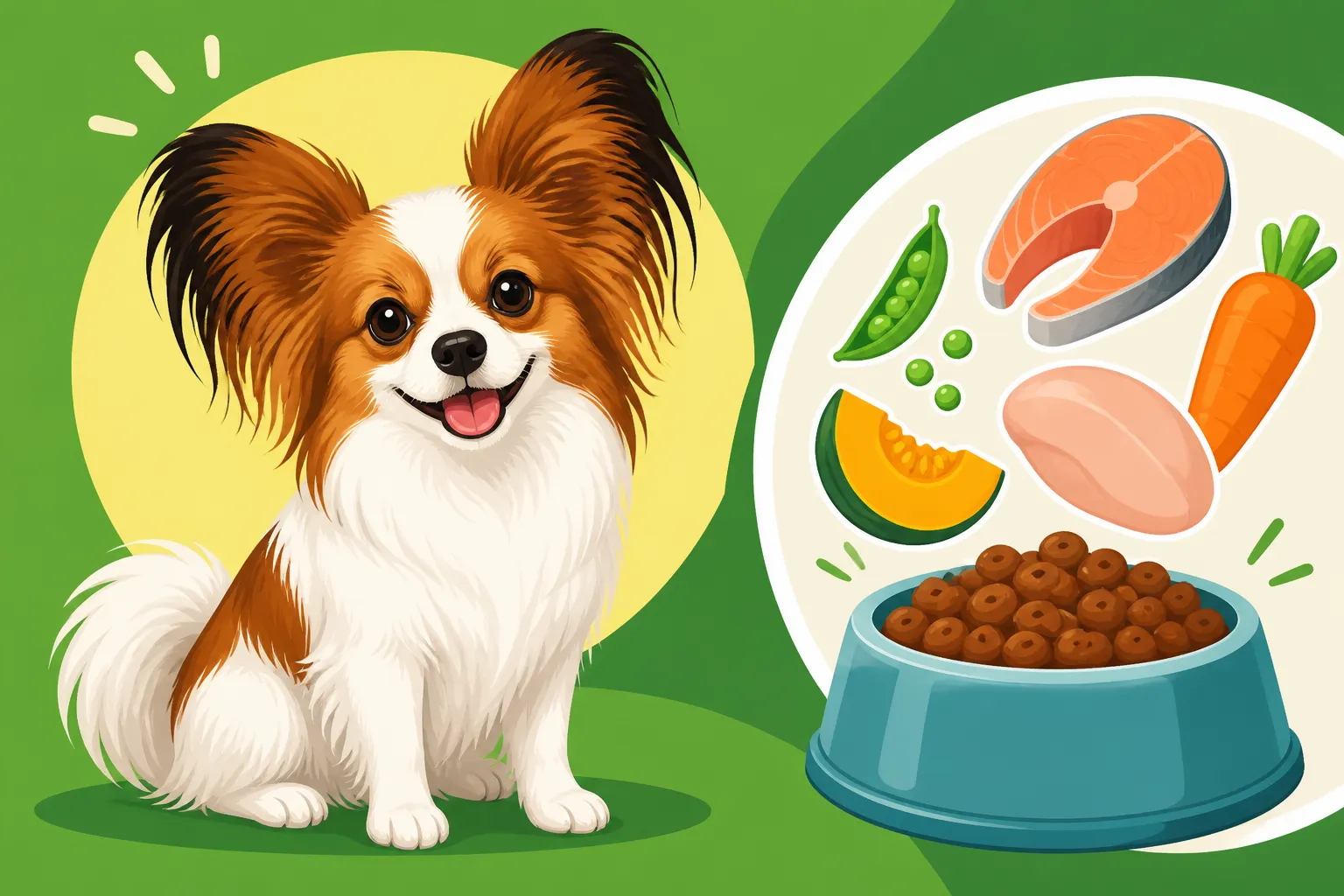
At the heart of any healthy diet are macronutrients: protein, fats, and carbohydrates. For a Papillon, protein is king. They are built for athleticism, despite their size, and quality protein sources like chicken, turkey, lamb, or fish are crucial for maintaining lean muscle mass, healthy skin, and that gorgeous silky coat. Aim for foods where a named meat source is one of the first ingredients.
Healthy fats are equally important, providing concentrated energy and supporting brain function and a lustrous coat. Omega-3 and Omega-6 fatty acids, often found in fish oil or flaxseed, are particularly beneficial. Carbohydrates, often from sources like sweet potatoes, peas, or brown rice, provide sustained energy, but it's important to choose complex carbs over simple sugars to avoid energy spikes and crashes, especially given their tendency towards quick metabolic changes. Balancing these elements correctly ensures your Papillon has the fuel for their daily adventures.
Micronutrients and Supplements
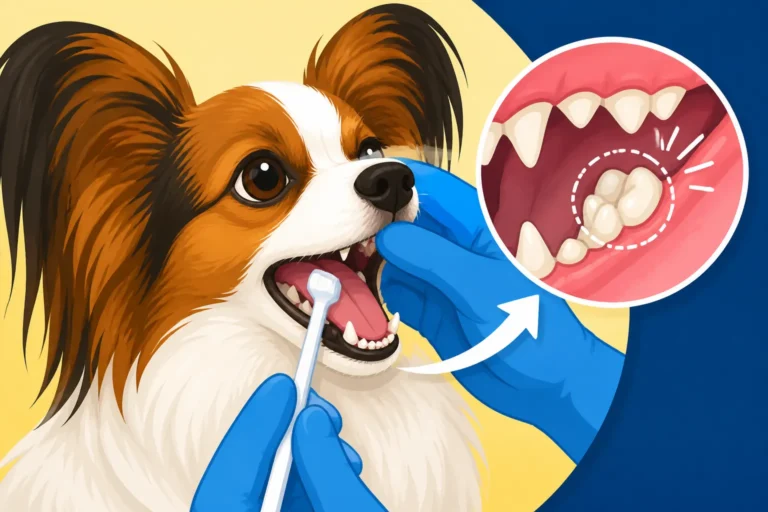
Beyond the big three, a host of vitamins and minerals play a critical role in your Papillon's overall health. Calcium and phosphorus are essential for strong bones and teeth, which is especially important for a breed prone to dental issues in their small jaws. Vitamins A, D, E, and K, along with B vitamins, support everything from vision and immune function to nerve health and energy production.
Typically, a high-quality commercial dog food formulated for small breeds will provide a complete and balanced profile of these micronutrients, making supplementation unnecessary and potentially harmful if overdone. However, some owners might consider specific supplements under veterinary guidance, perhaps for joint health as their Papillon ages, or if there's a specific health concern. For instance, some veterinarians might suggest a joint supplement if your Papillon is diagnosed with patellar luxation, a common issue in the breed. Always discuss any potential supplements with your vet before introducing them into your Papillon's diet.
Choosing the Right Food for Your Seven-Pound Papillon
Navigating the vast world of dog food can feel overwhelming, especially when you're looking for the perfect fit for a small breed like the Papillon. You want something that's not only nutritious but also palatable for a potentially picky eater, easy for their small mouth to manage, and supports their long-term health. The choices range from traditional kibble to fresh food options, each with its own set of pros and cons.
Dry Kibble: Convenience and Crunch
Dry kibble is perhaps the most common choice for many dog owners, and for good reason. It's convenient, shelf-stable, and generally more economical than other options. For a seven-pound Papillon, choosing a kibble specifically formulated for "small breeds" or "toy breeds" is paramount. These formulas are designed with smaller kibble pieces, making it easier for tiny mouths to chew and digest. More importantly, they are typically more calorie-dense to meet the higher metabolic demands of smaller dogs.
When selecting a kibble, look for a reputable brand that lists a high-quality animal protein as the first ingredient. Avoid foods with excessive fillers, artificial colors, or vague ingredient descriptions like "meat by-products." Kibble also offers the benefit of providing a gentle scraping action on the teeth, which can help reduce tartar buildup, a constant battle for Papillons. Many owners find a good selection available through online retailers like Chewy or Amazon, offering a wide range of brands and ingredient lists to scrutinize.
Wet Food: Palatability and Hydration
Wet food, or canned food, can be a game-changer for picky eaters or dogs who need extra hydration. Its higher moisture content makes it very palatable for many Papillons, and the soft texture is often a relief for dogs with dental issues or those who have had teeth extracted. It can also be a good way to disguise medication if your Papillon needs it.
While wet food is nutritious, it’s usually less calorie-dense than kibble, meaning your small Papillon might need a larger volume to get the same caloric intake. This can sometimes lead to an increased risk of weight gain if portions aren't carefully managed. It also tends to be more expensive per serving and less convenient if left out for extended periods. However, for a seven-pound dog, the total volume consumed is still relatively small, making it a viable and often enjoyable option. Some owners opt to mix a small amount of wet food with kibble to enhance the flavor and moisture of their dog's meal.
Fresh and Raw Diets: The Boutique Approach
In recent years, fresh dog food and raw diets have gained popularity, with proponents touting benefits like improved coat health, better digestion, and increased energy. Fresh food companies, like Ollie, deliver pre-portioned, human-grade meals directly to your door, often customized to your dog's specific weight and activity level. These diets consist of gently cooked meats, vegetables, and grains, aiming to provide a wholesome and minimally processed meal.
Raw diets, often referred to as BARF (Biologically Appropriate Raw Food) diets, involve feeding uncooked meat, bones, and organs. While some owners swear by raw feeding, it comes with significant considerations, including the risk of bacterial contamination (for both dog and human), ensuring complete nutritional balance, and higher costs. If you're considering a fresh or raw diet for your Papillon, it's crucial to consult with a veterinary nutritionist to ensure it meets all their specific needs and is prepared safely. These diets can be excellent for some dogs, but they require careful research and commitment to be done correctly.
Portion Control and Feeding Schedules
Getting the "how much" and "when" right is crucial for a small breed like the Papillon. Their diminutive size means that even a small overfeeding can lead to rapid weight gain, putting strain on their joints – especially relevant for a breed prone to patellar luxation. Conversely, underfeeding can quickly lead to energy deficits and, particularly in puppies, dangerous drops in blood sugar. Establishing a consistent, carefully measured feeding routine is one of the best things you can do for your Papillon's long-term health.
How Much an Adult Papillon Eats
The amount of food your seven-pound Papillon needs isn't a one-size-fits-all answer. It largely depends on their age, activity level, and individual metabolism. Most dog food bags provide a feeding guide based on weight, but these are just starting points. A lively Papillon who competes in agility or goes on long walks will need more calories than a contented couch potato.
For a seven-pound adult Papillon, the typical range might be anywhere from 1/2 to 3/4 of a cup of high-quality kibble per day, split into two or three meals. If you're feeding wet food, the volume will be significantly higher. The best approach is to start with the lower end of the recommended range for their weight and then adjust based on their body condition. You should be able to easily feel your Papillon's ribs without seeing them, and they should have a discernible waist when viewed from above. Regularly checking their weight helps you stay on track. Weighing a Papillon Puppy Every Week talks about monitoring growth, but similar principles apply to adults for maintaining a healthy weight.
Establishing a Feeding Schedule
Consistency is key for a Papillon's digestive health and to prevent bouts of hunger that can lead to begging or frantic eating. Most adult Papillons thrive on two meals a day – once in the morning and once in the evening. This helps stabilize blood sugar levels throughout the day and provides a routine they can anticipate.
For very tiny Papillons, or those with specific health concerns, three smaller meals might be beneficial. If you're bringing home a puppy, their schedule will be more frequent, gradually reducing as they mature. Always ensure fresh, clean water is available alongside their meals. A set feeding schedule also helps with house training, as you can better predict when they'll need to go outside after eating.
Accurate Measurement Techniques
Eyeballing portions is a common mistake that can easily lead to overfeeding or underfeeding such a small dog. A standard measuring cup for baking might not be accurate for dog food, as kibble density varies greatly. Invest in a dedicated pet food scoop or, even better, a kitchen scale. Weighing their food in grams or ounces ensures you're giving them the exact amount every single time. This precision is especially important for a seven-pound Papillon where a difference of even a few extra kibbles can significantly impact their daily caloric intake.
Consider this scenario: if a food recommends 70 grams a day for a 7-pound dog, and you consistently scoop 80 grams, that extra 10 grams might seem negligible, but over weeks and months, it can translate into unwanted weight gain. Being meticulous with your measurements removes the guesswork and provides peace of mind that you're supporting their ideal body condition.
Addressing Picky Eaters and Other Feeding Challenges
Papillons are known for their intelligence and sometimes, their discerning palates. It’s not uncommon for owners to face challenges like a Papillon who turns up their nose at mealtime, grazes throughout the day, or has a sensitive stomach. These issues can be frustrating, making you worry if your tiny companion is getting adequate nutrition. The good news is that many common feeding challenges have practical solutions.
When Your Papillon Is a Picky Eater
"My Papillon just won't eat!" This is a cry many small dog owners have uttered. Picky eating in Papillons can be due to a variety of reasons, from a genuine dislike of the food to holding out for something better (often called "food holding out"). Before assuming pickiness, rule out medical issues with your vet. Sometimes, a dental problem or an upset stomach can make eating unpleasant. The Teeth in a Papillon's Small Jaw covers just how problematic dental health can be for the breed.
If medical issues are ruled out, try making mealtime less stressful. Offer the food for 15-20 minutes, and if it's not eaten, pick it up until the next scheduled meal. No snacks in between. This teaches them that food is available at certain times and they need to eat it then. You can also try adding a small amount of warm water or a low-sodium broth to kibble to enhance its aroma and palatability. A tiny sprinkle of parmesan cheese or a spoonful of plain canned pumpkin can also entice a reluctant eater. Rotating between a couple of different high-quality foods might also keep them interested, but make changes gradually to avoid stomach upset. For more specific advice, check out Getting a Picky Papillon to Eat.
Dealing with Food Sensitivities
Despite their generally robust health, some Papillons can develop food sensitivities or allergies, leading to symptoms like itchy skin, ear infections, or digestive upset (vomiting, diarrhea, excessive gas). Identifying the culprit can be a process of elimination, often requiring a dietary trial.
Your vet might recommend a limited ingredient diet (LID), which uses novel protein sources (like duck or venison) and a single carbohydrate source to pinpoint sensitivities. These trials require strict adherence for several weeks. Once the symptoms subside, you gradually reintroduce ingredients one by one to identify the trigger. It’s a painstaking process, but it’s often the most effective way to help your Papillon find lasting relief from food-related discomfort. Always work closely with your veterinarian when suspecting food sensitivities.
Managing Grazing and Meal Skippers
Some Papillons are "grazers," preferring to nibble at their food throughout the day rather than eating a full meal. While this might seem harmless, it can make it harder to monitor their intake, especially if you have other pets. It can also lead to spoiled food if left out too long, attracting pests or growing bacteria.
For grazers, the "offer and remove" method discussed for picky eaters is often effective. Establishing a firm mealtime schedule discourages grazing. If your Papillon skips a meal entirely, don't panic. A healthy adult dog can miss a meal without ill effects. However, if they consistently skip multiple meals, or show any signs of lethargy or illness, it's time for a vet visit. For tiny puppies, skipping meals is a more serious concern due to the risk of hypoglycemia. Whether a Papillon Puppy Should Be Fed Overnight discusses this specific concern in puppies.
Special Dietary Considerations
Just like humans, Papillons have different dietary needs at various stages of their lives and in different circumstances. A growing puppy's requirements are vastly different from an aging senior, and a dog recovering from surgery will need specific nutritional support. Understanding these nuances ensures you're always providing the best possible care for your beloved companion.
Puppy Nutrition: Fueling Growth
Papillon puppies are bundles of energy, and their little bodies are growing rapidly, requiring a diet that supports this intense development. They need higher levels of protein and fat than adult dogs, along with a balanced calcium-to-phosphorus ratio for proper bone development. Small breed puppy formulas are specifically designed to meet these needs, offering densely packed nutrients in smaller kibble sizes.
Because of their small size and rapid metabolism, Papillon puppies are also susceptible to hypoglycemia. This means they need frequent, small meals throughout the day. A puppy might need three to four meals a day, gradually reducing to two meals as they approach adulthood, typically around 9-12 months of age. Monitoring their weight and energy levels closely is crucial, and any signs of lethargy, weakness, or trembling should warrant immediate veterinary attention.
Senior Papillons: Adapting to Age
As your Papillon ages, usually considered senior around 8-10 years, their nutritional needs will shift again. Activity levels might decrease, and metabolism can slow down, making them prone to weight gain. Conversely, some seniors might experience muscle loss or a decrease in appetite. Caring for a Papillon Past Eleven outlines many of the changes that happen as they age.
Senior dog foods are often formulated with fewer calories to prevent obesity, but still provide high-quality, easily digestible protein to maintain muscle mass. They may also include supplements like glucosamine and chondroitin for joint support, and antioxidants to boost the immune system. If your senior Papillon has dental issues, Whether an Old Papillon Needs Softer Food suggests moving to softer food options, such as wet food or kibble moistened with water, can make eating more comfortable and ensure they continue to get adequate nutrition. Regular vet check-ups become even more vital in these golden years to catch any underlying health issues early.
Weight Management: The Fine Balance
Maintaining an ideal weight is paramount for a Papillon, not just for their overall health, but specifically to protect their delicate joints. Being even a pound or two overweight can significantly exacerbate conditions like patellar luxation, putting undue stress on their knees. Regularly assessing your Papillon's body condition score is more important than just the number on the scale.
If your Papillon is gaining too much weight, the first step is to accurately measure their food intake and potentially reduce it slightly. Swapping high-calorie treats for healthier alternatives like small pieces of carrot or green beans can make a big difference. Increasing their daily exercise, even if it's just an extra walk around the block or a lively play session, also helps. Conversely, if your Papillon is underweight, you might need to increase their caloric intake, perhaps by adding a small amount of wet food or a calorie-dense supplement, again under veterinary guidance. This constant adjustment, based on observation and regular vet visits, is key to lifelong health. For more on what to look for, check out Signs a Papillon Is Overweight.
Monitoring Weight and Overall Health
As a small breed owner, you quickly learn that vigilance is your superpower. With a Papillon, a slight change in weight or eating habits can be a red flag, so it's essential to be proactive in monitoring their health and recognizing any deviations from the norm. Your role as their primary caregiver involves a consistent routine of observation, regular veterinary care, and an understanding of what a healthy Papillon looks and acts like.
Regular Body Condition Scoring
While stepping on the scale provides a number, body condition scoring gives you a much better picture of your Papillon's actual physical state. This involves gently feeling their ribs, spine, and waist. Ideally, you should be able to easily feel their ribs, but not see them prominently, without pressing hard. They should have a noticeable waist tuck when viewed from above, and their belly should not sag.
A Papillon who is too thin will have easily visible ribs, spine, and hip bones, with no fat covering. An overweight Papillon will have ribs that are hard to feel, no discernible waist, and perhaps a rounded belly. Learning to assess this regularly, perhaps once a month, helps you make timely adjustments to their diet and exercise regimen. Your vet can show you how to accurately perform a body condition score during a routine check-up.
The Role of Veterinary Check-ups
Routine veterinary check-ups are non-negotiable for a Papillon. These visits allow your vet to perform a thorough physical examination, including assessing their weight and body condition, listening to their heart and lungs, and checking their teeth – a crucial area for Papillons. These regular exams are critical for catching any emerging health issues before they become serious.
Your vet can also offer personalized dietary advice, recommend specific food brands, or suggest diagnostic tests if they suspect an underlying condition influencing your Papillon's appetite or weight. They are your most valuable resource in navigating the complexities of canine nutrition and health. Don't hesitate to ask questions about your Papillon's diet at every appointment. For understanding general health tests, refer to What a Papillon Breeder Should Have Tested.
Recognizing Warning Signs and Seeking Help
Being attuned to your Papillon's normal eating habits and overall demeanor means you'll be quicker to spot potential problems. Any sudden or significant change in appetite – either refusing to eat for more than 24 hours or a sudden increase in hunger – warrants attention. Vomiting, diarrhea, lethargy, excessive thirst, or changes in urination patterns are also red flags that should prompt a call to your vet.
For a seven-pound Papillon, even minor changes can sometimes indicate a more serious issue. Trust your instincts; if something feels "off" with your dog, it's always best to err on the side of caution and consult with your veterinarian. Early intervention can make a significant difference in the outcome of many health conditions.
Troubleshooting Common Dietary Issues
Even with the best intentions and the highest quality food, sometimes things don't go exactly as planned. Your Papillon might suddenly become uninterested in their food, develop digestive upset, or experience an unexpected allergic reaction. These moments can be stressful, but having a plan for how to troubleshoot these common dietary issues can help you respond effectively and keep your little butterfly feeling their best.
Sudden Loss of Appetite
It's disheartening when your usually eager Papillon suddenly sniffs at their bowl and walks away. A sudden loss of appetite, known as anorexia, can range from a minor issue to a sign of serious illness. If your Papillon skips one meal but is otherwise bright and active, it might just be a temporary pickiness or a minor stomach upset.
However, if they refuse food for more than 24 hours, or if their lack of appetite is accompanied by lethargy, vomiting, diarrhea, or pain, it's time for an immediate vet visit. Dental problems, nausea, pain, infections, or even organ disease can manifest as a loss of appetite. Your vet will conduct an examination to determine the underlying cause and recommend appropriate treatment, which might involve medication, dietary changes, or further diagnostics.
Digestive Upsets: Vomiting and Diarrhea
Occasional vomiting or soft stools can happen to any dog, often due to eating something they shouldn't have or a minor dietary indiscretion. For a small Papillon, however, these symptoms can lead to dehydration more quickly. If your Papillon has a mild, single episode of vomiting or diarrhea but is otherwise energetic and eating normally, you might try withholding food for 12-24 hours (but not water!) to let their digestive system rest. Then, reintroduce a bland diet of plain boiled chicken (no skin or bones) and white rice in small, frequent meals over a few days.
If vomiting or diarrhea is severe, persistent, accompanied by blood, or if your Papillon also seems lethargic or in pain, seek veterinary attention right away. These symptoms can indicate anything from parasites and infections to pancreatitis or other serious internal issues. Your vet can diagnose the cause and prescribe appropriate treatment to get your Papillon back on track.
Allergic Reactions and Intolerances
Food allergies and intolerances are different but can present with similar symptoms. An allergy involves an immune response, often leading to skin issues (itchiness, rashes, ear infections), but can also cause digestive upset or, rarely, anaphylaxis. Intolerances are non-immune reactions, usually causing digestive symptoms. Common allergens include beef, dairy, wheat, chicken, and egg, but a dog can be allergic to almost anything.
If you suspect your Papillon has an allergy or intolerance, an elimination diet, as discussed earlier, is the gold standard for diagnosis. This involves feeding a novel protein and carbohydrate source for several weeks to clear the system, then reintroducing potential allergens one by one to identify the trigger. Once identified, the best course of action is strict avoidance of the offending ingredient. Your vet can guide you through this process and help you choose appropriate hypoallergenic or limited ingredient foods.
The Long-Term Impact of Good Nutrition
It’s easy to focus on the day-to-day of feeding, but the choices you make about your Papillon's diet have profound, long-lasting effects. Good nutrition isn't just about filling their belly; it's about building a strong foundation for health, longevity, and a high quality of life. For a breed known for its intelligence, vivacity, and remarkably long lifespan, proper feeding is perhaps the most significant gift you can give them.
Supporting a Long and Healthy Life
Papillons are celebrated for their impressive lifespans, often living into their mid-teens, and sometimes even longer. This incredible longevity is strongly linked to consistent, high-quality nutrition throughout their lives. A well-balanced diet supports every bodily function, from organ health and a robust immune system to strong bones and healthy cognition. It helps prevent diet-related illnesses and allows their bodies to better withstand the natural wear and tear of aging.
Think of their diet as an investment. Each carefully chosen meal contributes to their ability to fend off disease, maintain their energy for play, and keep that beautiful, expressive face bright and alert for many years to come. Providing excellent nutrition is a fundamental way to maximize their potential for a happy, healthy existence right by your side. How Long a Papillon Lives touches on their lifespan, and diet plays a huge part in achieving that.
Maintaining Optimal Energy Levels and Coat Quality
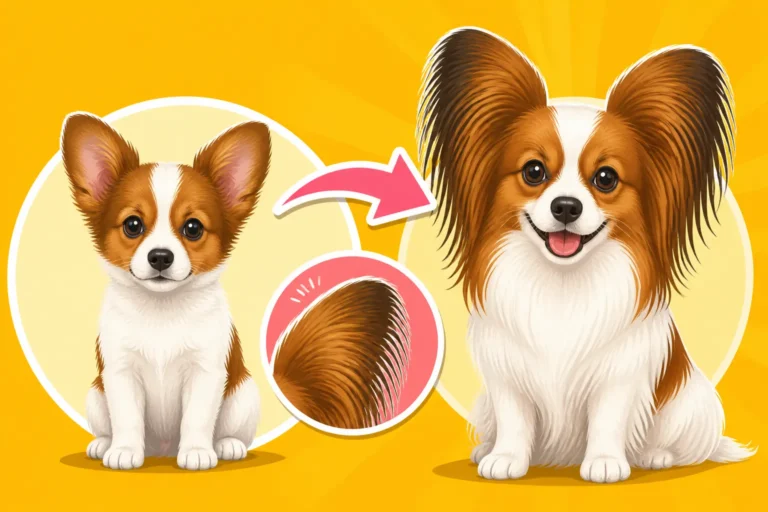
One of the first things people notice about a Papillon is their stunning, silky coat and their lively, graceful demeanor. Both of these hallmarks are directly influenced by their diet. High-quality proteins and essential fatty acids, particularly Omega-3s and Omega-6s, are crucial for maintaining healthy skin and a lustrous, non-shedding coat. A dull, dry coat or flaky skin can often be a sign of nutritional deficiencies or imbalances.
Similarly, a well-fed Papillon has the energy to match their famously spirited personality. They need consistent fuel for their quick bursts of speed, their enthusiastic playtime, and their keen minds. A diet that provides sustained energy from complex carbohydrates and healthy fats ensures they remain the active, intelligent companions you adore, ready for whatever adventure comes their way. For more on their coat, see A Papillon's Coat Is All Fringe and No Undercoat.
Preventing Common Health Issues
Many health issues that Papillons can face, such as dental disease and patellar luxation, can be either exacerbated or mitigated by diet. Consistent brushing and regular dental cleanings are vital, but a diet that supports overall oral health can also contribute. Choosing kibble that encourages chewing rather than swallowing whole can offer some benefit, and avoiding sugary treats is a no-brainer. How Common Dental Disease Is in Papillons further explains these concerns.
Perhaps even more critically, maintaining an ideal weight through proper nutrition and portion control is the single most effective way to protect your Papillon’s knees from the strain that can worsen patellar luxation. Every extra ounce puts added stress on those small joints. By feeding them well and keeping them trim, you are actively working to prevent discomfort and potential costly surgeries down the road.
Here's a quick guide to help visualize daily feeding for your 7-pound Papillon:
| Factor | Description | Recommendation (Approximate) |
|---|---|---|
| Weight | Healthy adult Papillon | 7 pounds (3.2 kg) |
| Activity Level | Low (mostly indoor, short walks) | 1/2 cup (around 50-60g) kibble per day |
| Moderate (daily walks, active play) | 5/8 – 3/4 cup (around 65-80g) kibble per day | |
| High (agility, long hikes) | 3/4 – 1 cup (around 80-100g) kibble per day | |
| Feeding Frequency | Adults | 2 meals per day (morning & evening) |
| Puppies (under 6 months) | 3-4 meals per day | |
| Food Type | High-quality small breed kibble | Follow specific brand's feeding guidelines, adjust as needed |
| Wet food | Often higher volume, check brand label for calorie content | |
| Fresh/Raw | Consult vet/nutritionist for precise portioning | |
| Water | Always fresh and available | Unlimited access |
| Treats | Should not exceed 10% of daily caloric intake | Small, healthy options like boiled chicken or veggies |
Note: These are general guidelines. Always consult your veterinarian for specific dietary recommendations tailored to your individual Papillon.
Disclaimer
This article is for general informational purposes only and does not constitute professional advice. Laws, prices and regulations vary by location and change over time. Consult a qualified professional for guidance on your specific situation.