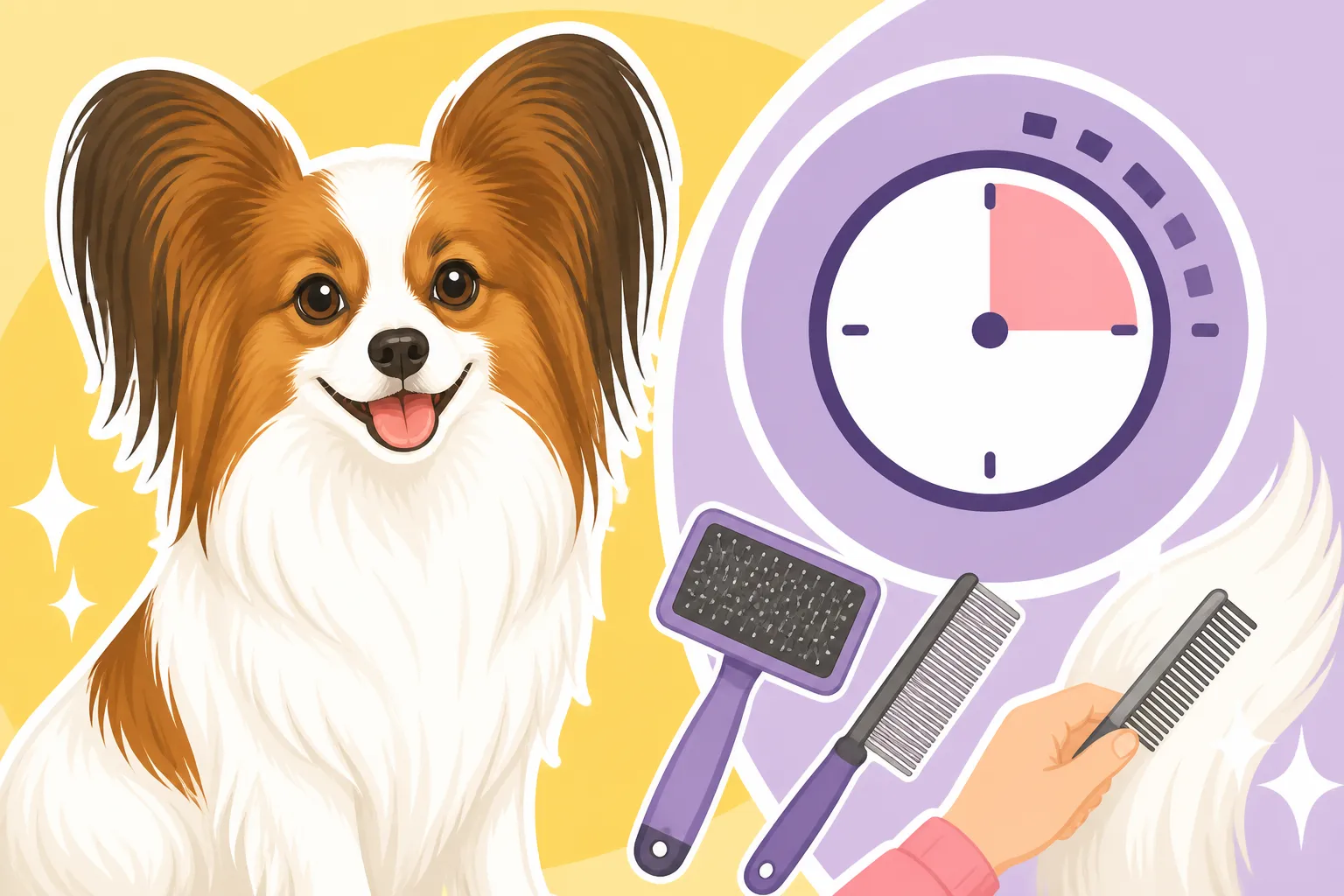
Why a Papillon’s Long Coat Takes Twenty Minutes a Week
One of the biggest surprises for new Papillon owners, or those just admiring these beautiful "butterfly dogs" from afar, is how deceptively easy their long, flowing coats are to maintain. You see those extravagant ear fringes, the magnificent tail plume, and the elegant culottes, and your mind immediately jumps to hours of daily brushing, endless mats, and expensive professional grooming appointments. But here’s the wonderful truth: a Papillon’s stunning coat typically only demands about twenty minutes of your time each week. It’s a common misconception that all long-haired breeds are high maintenance, and this guide is here to unravel the secrets behind the Papillon's surprisingly manageable locks.
Understanding the Papillon Coat Structure
The key to the Papillon's low-maintenance elegance lies in its unique coat structure. Unlike many other long-haired breeds, the Papillon boasts a single coat, meaning it lacks the dense, fluffy undercoat that often causes grooming headaches. This singular layer of silky hair is truly a gift, making brushing a breeze rather than a battle against stubborn tangles and excessive shedding.
The Single Layer Advantage: No Undercoat Woes
Imagine a dog with two layers of fur: a soft, insulating undercoat nestled beneath a longer, coarser outer coat. This is the hallmark of double-coated breeds, and while it's fantastic for insulation, it's also a breeding ground for mats. The undercoat sheds profusely, especially seasonally, and if not thoroughly brushed out, it can quickly become intertwined with the guard hairs, forming dense, painful mats right against the skin. Many owners of breeds like Pomeranians or Shetland Sheepdogs can attest to the endless struggle of keeping that undercoat at bay.
The Papillon, however, sidesteps this entire issue because they simply don't have an undercoat. Their coat is made up solely of those beautiful, fine guard hairs. This means there's no fuzzy, shedding layer to trap against the skin, and no tangled mess of two different hair types fighting each other. This single-layer construction dramatically reduces the potential for matting, making grooming a far less arduous task. You won't find yourself wrestling with a thick, felted patch of fur that needs to be cut out, which is a huge relief for both you and your dog.
The Silky Texture: Less Prone to Tangling
Beyond the single layer, the Papillon's coat has another secret weapon: its texture. The hair is described as fine, silky, and flowing. Think of a very fine human hair, rather than coarse animal fur. This particular texture naturally resists knotting and tangling. While no long-haired dog is entirely immune to knots, the Papillon's silky strands are far less likely to snag and weave themselves into tight, intricate mats compared to breeds with cottony or woolly textures.
This smooth, fine quality also means that dirt, dust, and minor debris tend to fall out of the coat rather than getting deeply embedded. A quick shake can often dislodge grass or small twigs after a romp in the yard. Of course, sticky burrs or mud will still cling, but even then, they're often easier to comb out from a silky coat than from a coarser, more absorbent one. It's truly a marvel how this elegant coat can look so regal yet be so forgiving in its daily upkeep. The way the light catches their flowing locks really highlights Why a Papillon's Coat Is Called Silky.
The Reality of Papillon Shedding
When people see a Papillon's luxurious coat, their immediate thought often turns to shedding. "Surely," they think, "all that hair must end up everywhere!" While it's true that Papillons are not a non-shedding breed, the reality of their shedding habits is far less dramatic than one might anticipate, especially compared to double-coated breeds.
Minimal Seasonal Shedding
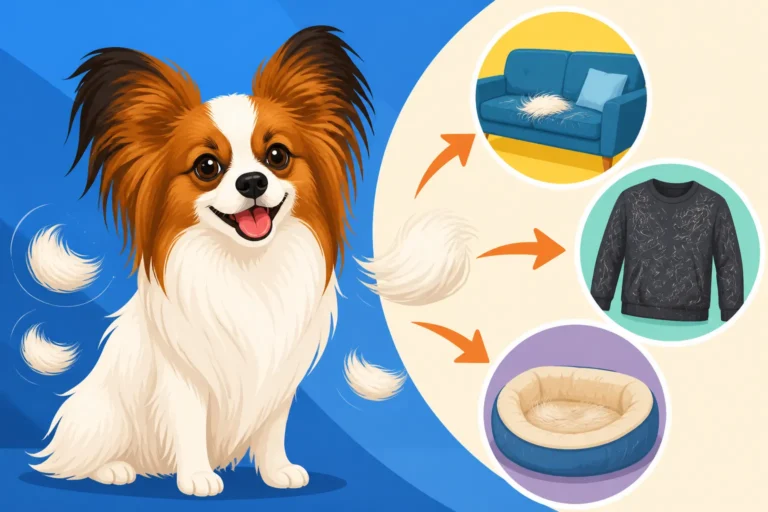
Unlike dogs that "blow their coat" twice a year, leaving tumbleweeds of fur across your home, a Papillon's shedding is typically very light and consistent throughout the year. You won't experience those distinct, heavy shedding seasons where you feel like you're constantly vacuuming and lint-rolling. Instead, a Papillon sheds individual hairs, similar to how humans shed hair. These fine hairs tend to float rather than clump, and they are usually easily managed with regular household cleaning and, most importantly, consistent brushing.
What this means for you is less sudden, overwhelming bursts of fur, and more of a predictable, manageable level of loose hair. You might find a few stray hairs on your clothes or furniture, but nothing like the massive piles produced by breeds designed for colder climates. It’s a gentle, ongoing process rather than a biannual event that requires industrial-strength lint rollers and a vacuum cleaner on permanent standby.
Regular Brushing Manages Loose Hair Effectively
The real secret to handling a Papillon's shedding, which is already quite minimal, is simply regular brushing. Those weekly twenty-minute sessions are specifically designed to capture any loose hairs before they have a chance to settle on your sofa or floor. A good quality pin brush or metal comb will glide through their silky coat, collecting dead hair and preventing it from becoming a household nuisance.
By making brushing a consistent part of your routine, you effectively 'groom out' the shedding. This isn't just about keeping your house clean; it also benefits your Papillon's coat health. Removing dead hair allows for better air circulation to the skin, stimulates natural oil production, and helps maintain that healthy, lustrous shine. It's a proactive approach that ensures shedding remains a non-issue, proving that a little bit of effort truly goes a long way in keeping both your Papillon and your home looking their best.
The Essential Grooming Routine
So, what does this famed "twenty minutes a week" actually entail? It’s not some mythical number; it’s a realistic estimation for maintaining a healthy Papillon coat, provided you start early and stay consistent. This routine focuses on efficiency and effectiveness, tackling potential issues before they become real problems.
The Weekly "Once Over" Session
Your weekly grooming session should be a calm, positive experience for your Papillon. Find a comfortable spot, perhaps on your lap or a non-slip mat on a table, and have your tools ready. Start by gently running a pin brush through your Papillon's entire body, working section by section. You’re not digging deep at this stage; you’re simply lifting any surface tangles and collecting loose hairs. Pay attention to the areas where mats are more likely to form, like behind the ears, in the armpits, and under the tail, but save detailed work for a metal comb later if needed.
After the pin brush, follow up with a metal comb. This is your detector for any stubborn knots or unseen tangles. Slowly comb through the fringes on the ears, tail, and legs, and then go over the body, ensuring the comb can glide smoothly from root to tip. If you hit a snag, don't yank! Gently work it out (more on this later). The goal is to ensure there are no mats or tangles hiding close to the skin. This entire process, with practice, can easily be completed within the twenty-minute timeframe, leaving your Papillon looking and feeling fabulous.
Making it a Positive Experience for Your Papillon
The secret to quick, stress-free grooming sessions lies in making it a positive and even enjoyable experience for your Papillon from a very young age. Start with short, five-minute sessions when they are puppies, introducing them to the brush and comb gently. Offer plenty of high-value treats and calm praise throughout the process. Associate grooming with good things, not punishment or discomfort. For example, a dollop of peanut butter on a Lickimat or Kong while you brush can do wonders.
Consistency is absolutely vital. If you only brush your Papillon once a month, you're more likely to encounter serious mats, making the session long and uncomfortable for both of you. But if you stick to your weekly routine, even just for those twenty minutes, mats rarely have a chance to form or tighten. This regular contact also helps desensitize your dog to being handled all over, which is beneficial for vet visits and general health checks. Teaching a Papillon puppy to be comfortable with handling is a foundational step in their overall well-being and grooming compliance. Teaching a Papillon Puppy to Be Handled All Over from day one ensures that these sessions remain quick and cooperative, rather than a wrestling match.
Tools of the Trade: What You Actually Need
You don't need a room full of fancy grooming equipment to keep your Papillon's coat pristine. A few, high-quality tools are all it takes to maintain their beautiful fringes and silky body coat. Investing in the right tools upfront will save you time and frustration in the long run.
Essential Brushes and Combs
For your Papillon, the star of the show will be a good quality pin brush. Look for one with rounded, stainless steel pins set into a comfortable handle. Avoid plastic-pinned brushes, as they can generate static and be less effective. The pin brush is your go-to for general body brushing, lifting the coat, and gently detangling larger areas. Many owners find brushes available on platforms like Chewy or Amazon to be perfectly suitable, offering a good balance of quality and price.
Next up is the metal comb, which is indispensable. You’ll want one with both wide and fine-toothed sections. The wide teeth are great for initial passes on fringes and for separating strands, while the fine teeth are essential for getting right down to the skin to check for hidden tangles, especially behind the ears, under the armpits, and on the tail. A metal comb ensures that you truly get through the entire coat and catch any nascent mats before they become serious. When it comes to detailed work, this comb is truly king.
While a slicker brush can be useful for quickly de-shedding some breeds or getting out stubborn mats, it should be used with extreme caution on a Papillon's delicate, single coat. The fine, bent wires can be too harsh and may break their silky hair if used too vigorously. For a Papillon, a pin brush and a metal comb are usually all you need for daily maintenance. Which Brushes a Papillon Owner Has to Buy will always be topped by these two essentials.
Additional Useful Grooming Aids
Beyond your core brushes and combs, a few other items can make your grooming routine even smoother. A detangling spray is a fantastic asset. A light mist can help loosen any minor knots, making them easier to comb out without pulling or breaking the delicate hair. There are many excellent dog-specific detangling sprays available, often with conditioning properties, from pet supply retailers like Chewy or Amazon. Just be sure to choose one that's safe for dogs and doesn't leave a sticky residue.
Nail clippers or a nail grinder are also crucial. While not directly related to coat grooming, keeping your Papillon's nails short prevents discomfort, promotes proper paw structure, and can even help prevent issues like splayed toes that could affect their movement and gait. Long nails can also snag on carpets or furniture, causing pain or injury. Lastly, a gentle ear cleaner will help keep those beautiful, fringed ears healthy by preventing wax buildup and potential infections. Again, opt for a veterinarian-approved solution and use it as directed.
Targeting Common Problem Areas
Even with their low-maintenance coat, certain areas on a Papillon are more prone to tangles and require a bit more focused attention during your weekly grooming session. These are usually areas of high friction or dense feathering, and knowing where to concentrate your efforts will make your twenty minutes even more effective.
Feathering on Ears, Tail, and Legs
The Papillon’s most distinctive features are its magnificent ear fringes, which give the breed its "butterfly" name, along with the elegant plume of the tail and the abundant feathering on their legs and culottes. These areas, while stunning, are also the longest and most exposed parts of the coat, making them more susceptible to catching on things or tangling.
During your weekly session, take extra time with these areas using your metal comb. Gently comb through the ear fringes, from the base to the tips, ensuring there are no snags. The same goes for the tail plume; lift it and comb through thoroughly, paying attention to the underside where it might rub against their body. For the leg feathering and "culottes" (the long hair on the back of their thighs), comb these out carefully as they can collect debris from walks. The goal is to keep these flowing and free of tangles, maintaining their graceful appearance. Regular, gentle combing here will keep them looking their best, and will really help to How to Keep a Papillon's Ear Fringe Full and lush.
Areas Prone to Matting: Behind Ears, Armpits, and Culottes
Despite their single coat, Papillons can still develop mats, typically in specific "hot spots" where friction is common. The most notorious areas are behind the ears, in the armpits, and sometimes in the culottes where the leg feathering meets the body. These spots get a lot of movement and rubbing, which can cause the fine hair to knot up. Mats in these areas can quickly become tight and painful if left unchecked, pulling on the skin.
When you're doing your detailed comb-through, pay close attention to these particular zones. Carefully lift the ear fringe and feel behind the ear for any small knots. Gently spread the leg to check the armpit area. If you encounter a mat, resist the urge to pull. Instead, apply a detangling spray generously to the mat, then use the fine teeth of your metal comb or even just your fingers to painstakingly tease it apart, strand by strand, starting from the outer edge of the mat and working your way inward. Patience is key here; rushing will only cause pain and breakage. Early detection and gentle removal of these small tangles are what keep your weekly routine quick and prevent major grooming emergencies. Knowing Where a Papillon Mats can save you a lot of trouble!
Bathing a Papillon: When and How Often
One of the common questions for long-haired breeds is about bathing frequency. With a Papillon, the answer is refreshingly simple: less is often more. You don't need a strict weekly or even bi-weekly bathing schedule to keep them clean.
The "As Needed" Approach to Bathing
Papillons are generally quite clean dogs, and their silky single coat is remarkably good at repelling dirt. Therefore, the best approach to bathing a Papillon is on an "as needed" basis. This typically means once a month or perhaps every six to eight weeks, unless your dog has rolled in something particularly foul, gotten excessively muddy on a walk, or has a specific skin condition requiring more frequent washes. Over-bathing can actually be detrimental to their coat and skin health.
Frequent washing, especially with harsh shampoos, can strip the natural oils from their skin and hair, leading to dryness, irritation, and a dull-looking coat. These natural oils are essential for maintaining the silkiness and protective qualities of their fur. So, unless your Papillon is visibly dirty or starting to smell, resist the urge to bathe them just for the sake of it. A quick spot clean with a damp cloth for small messes can often be enough between full baths. This "as needed" philosophy truly contributes to the low-maintenance nature of their grooming.
The Bathing and Drying Process
When it is time for a bath, make sure you have everything ready before you start. First, give your Papillon a thorough brush-through to remove any mats or tangles before they get wet. Water can tighten mats, making them much harder to remove later. Use a gentle, pH-balanced dog shampoo and conditioner, widely available from pet retailers like Chewy or Amazon. Avoid human shampoos, which can be too harsh for a dog's skin.
Use lukewarm water and gently wet your dog all over. Apply shampoo, working it through the coat, being careful around the eyes and ears. Rinse very thoroughly until the water runs clear and there's no shampoo residue left, as residue can cause skin irritation or make the coat feel sticky. Follow with a light conditioner, if desired, and rinse again. After the bath, gently squeeze excess water from the coat, then towel dry. For a truly fluffy and mat-free finish, especially on the fringes, use a low-heat blow dryer while gently brushing the coat. This will help prevent any tangles from forming as the hair dries and will really highlight that beautiful ear fringe. Knowing How Often a Papillon Should Be Bathed helps keep their skin and coat healthy and happy.
Dispelling Myths: What a Papillon Coat Doesn't Need
There are a lot of misconceptions surrounding long-coated breeds, often leading new owners to believe extensive or professional care is absolutely mandatory. For the Papillon, however, many of these perceived necessities are simply not true. Understanding what your Papillon's coat doesn't need is just as important as knowing what it does.
Minimal Trimming Required
Many people assume that long-haired dogs require regular trims, akin to breeds with continually growing hair like Poodles or Shih Tzus. For a Papillon, this is largely a myth. The breed standard generally calls for an untrimmed coat, except for neatening the hair between the pads of their feet and around the hocks for cleanliness and safety, and perhaps a tidy-up of the sanitary areas. You won't find a Papillon needing a full body clip, a "puppy cut," or elaborate scissor work to maintain its characteristic look.
In fact, excessive trimming can actually alter the natural flow and texture of the Papillon's silky coat. Their beautiful ear fringes, tail plume, and culottes are meant to grow long and flowing. If you choose to trim these areas, it will change their classic appearance and may even make the coat feel coarser as it grows back. Unless there’s a specific medical reason (like matted fur that can’t be combed out), or you simply prefer a shorter look, trimming a Papillon's body coat is completely optional and not a requirement for coat health or ease of maintenance.
Professional Grooming as an Option, Not a Necessity
Another common belief is that a long-haired dog, especially one with as much "fringe" as a Papillon, absolutely requires professional grooming appointments every few weeks. This is simply not the case for most Papillons. The breed's low-matting, single coat, combined with its small size, makes at-home grooming perfectly manageable for the vast majority of owners. With your twenty-minute weekly routine and occasional bath, you can easily keep your Papillon looking show-ring ready, or at least beautifully tidy, all on your own.
Of course, professional groomers can be a wonderful resource. If you're physically unable to groom your dog, if your Papillon has developed a severe matting issue due to neglect (which is rare with consistent care), or if you simply prefer the convenience, then a professional groomer is a great option. They can certainly provide a thorough wash, blow-dry, nail trim, and tidy-up. However, it's important to understand that this is a choice based on personal preference or specific circumstances, not a fundamental requirement for the breed's well-being or coat health. Many Papillon owners proudly do all their own grooming, proving that Whether a Papillon Needs a Professional Groomer is largely up to the individual.
Maintaining Coat Health Beyond Brushing
While consistent brushing and appropriate bathing are the cornerstones of Papillon coat care, the overall health and vibrancy of their beautiful fur are also deeply intertwined with their general well-being. What goes into their body and how they live their daily lives plays a significant role in the lustre and health of their coat.
The Role of Diet and Nutrition
Just like with humans, a healthy diet is foundational for a healthy coat. A Papillon’s silky hair reflects its internal health, and a dull, dry, or brittle coat can often be a sign that something is lacking in their diet. Feeding a high-quality dog food, whether it's a premium kibble, wet food, or a fresh food diet, provides the essential nutrients, vitamins, and minerals needed for robust skin and hair growth. Brands like Ollie, which offers fresh, human-grade food, or many high-quality kibble options found on Chewy or Amazon, can make a noticeable difference.
Specifically, look for foods rich in omega-3 and omega-6 fatty acids. These healthy fats are crucial for skin hydration, reducing inflammation, and promoting a shiny, soft coat. You might also consider supplementing with a fish oil (under vet guidance) if your dog's diet doesn't provide enough. Protein content is also important, as hair is primarily made of protein. Ensuring your Papillon gets a balanced diet will not only keep them healthy from the inside out but will also ensure their coat maintains its natural brilliance and strength, making it less prone to breakage and more resilient to minor tangles.
Environmental Factors and Regular Health Checks
Beyond diet, your Papillon's environment and overall health significantly impact their coat. Protecting them from harsh environmental elements is important. While their single coat is not designed for extreme cold, it also doesn't provide much protection from prolonged exposure to intense sun, which can dry out their skin and coat. Similarly, exposure to allergens (both environmental and food-related) can manifest as skin irritation, excessive itching, and a poor coat condition. Whether a Papillon Gets Skin Allergies can directly impact the quality and health of their coat.
Regular veterinary check-ups are also crucial. A comprehensive wellness exam can identify underlying health issues that might be affecting your Papillon’s skin and coat, such as thyroid problems, parasites, or other systemic diseases. Your vet can advise on parasite prevention (fleas, ticks, and mites can cause severe skin irritation and coat damage) and discuss any specific dietary supplements or topical treatments that might be beneficial for your dog's individual needs. A healthy Papillon is a happy Papillon, and a happy Papillon almost always has a gorgeous, easy-to-care-for coat.
Disclaimer
This article is for general informational purposes only and does not constitute professional advice. Laws, prices and regulations vary by location and change over time. Consult a qualified professional for guidance on your specific situation.