How to Keep a Papillon’s Ear Fringe Full
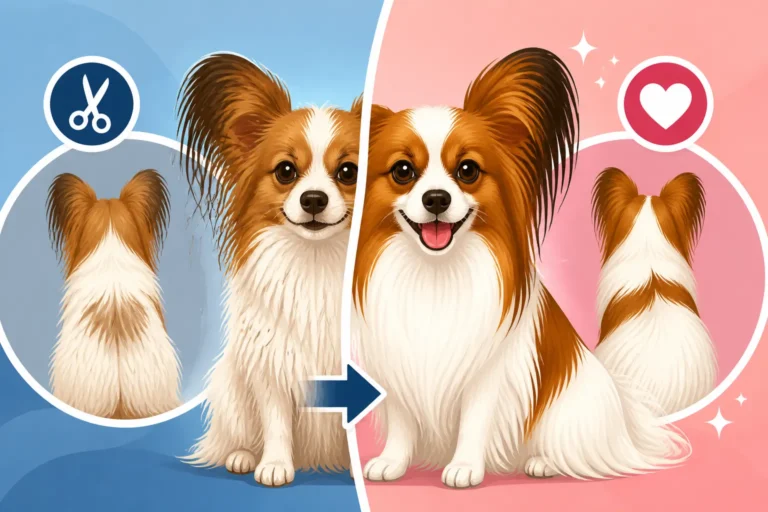
The Papillon's magnificent ear fringe is arguably its most defining and beloved feature, the very reason it's named 'butterfly dog.' It's incredibly frustrating when those gorgeous, flowing silken tresses look sparse, broken, or just not as full as you know they can be. This comprehensive guide will walk you through everything you need to know to nurture, protect, and maintain those iconic ear fringes, ensuring they stay full, healthy, and a true testament to the breed's beauty.
Understanding the Papillon's Iconic Ear Fringe
The Papillon’s ears are truly a sight to behold, standing erect and fanning out like delicate butterfly wings. But it's the luxurious, flowing hair that cascades from them – the ear fringe – that captures everyone’s attention. To understand how to keep them full, we first need to appreciate their unique characteristics and development.
The Anatomy of the Papillon's Signature Ears
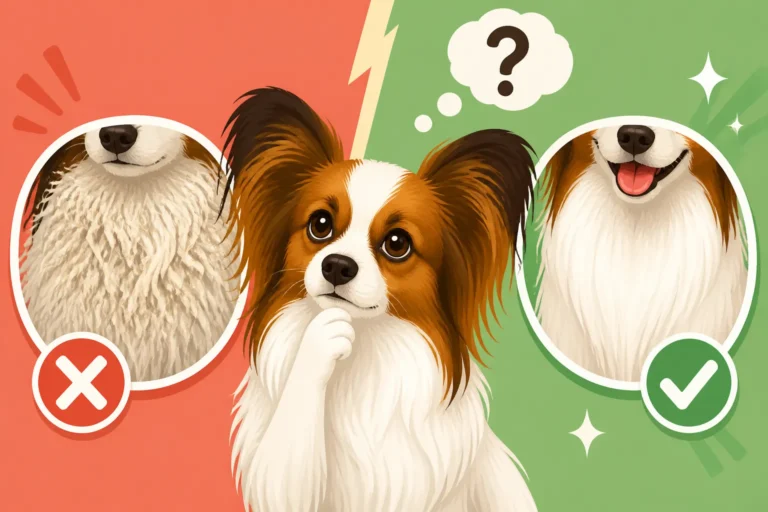
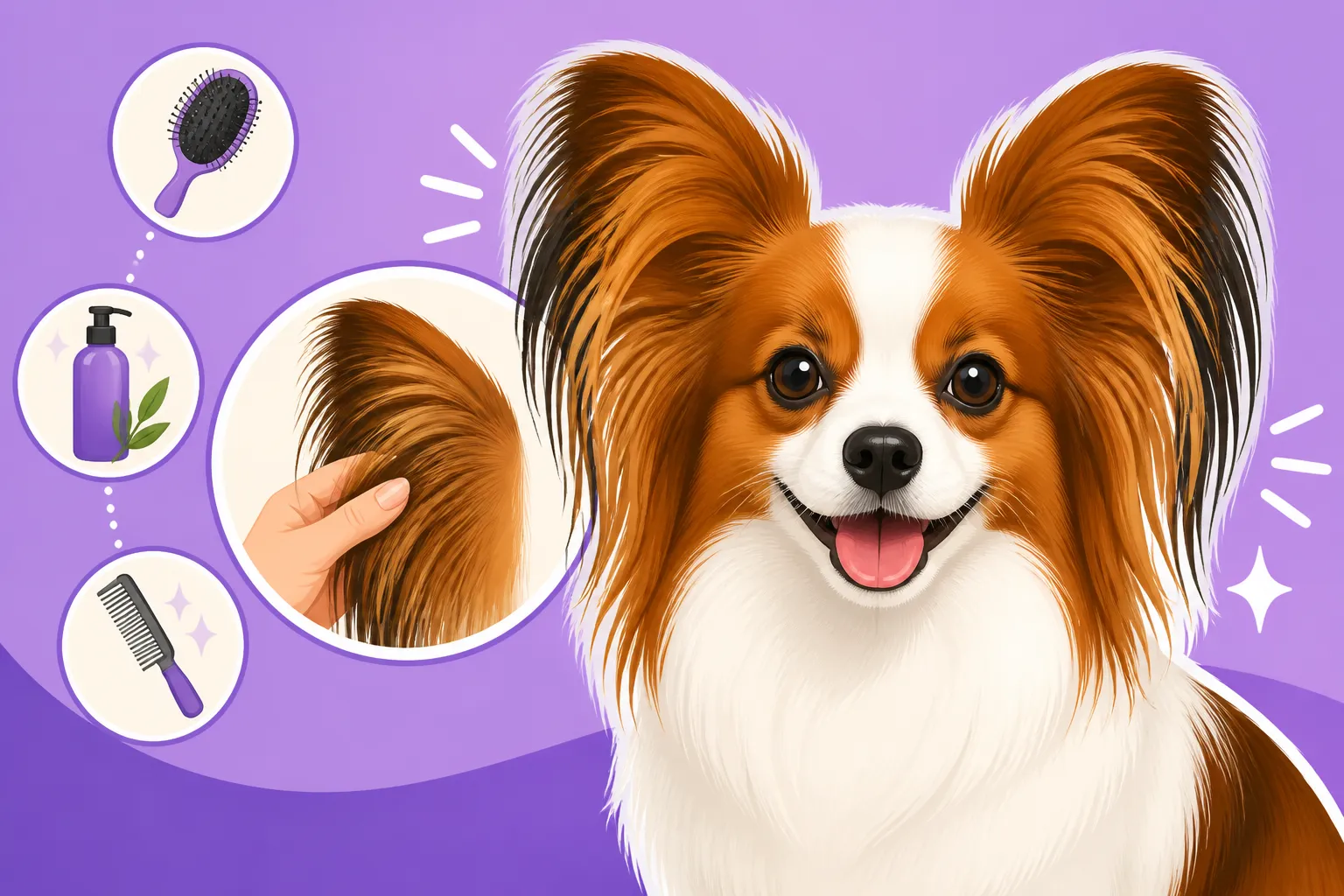
Papillons are celebrated for their large, high-set ears that spread out and away from the head. This unique shape is accentuated by the abundant, silky feathering that should adorn them. This fringe isn't just a few sparse hairs; it should be a dense, generous curtain of hair that feels soft to the touch and possesses a natural luster. This feathering typically originates from the base of the ear leather and extends gracefully outwards and downwards, beautifully framing their alert, intelligent faces.
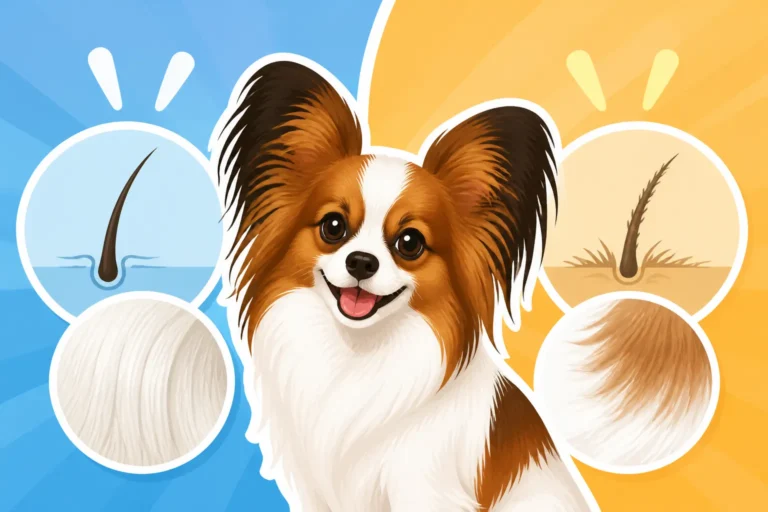
Unlike many long-haired breeds, the Papillon possesses a single coat, meaning there's no thick, woolly undercoat to contend with. This absence can be a blessing, as it generally reduces the likelihood of severe matting compared to some double-coated breeds. However, this also means that each individual hair of the fringe is more exposed and, consequently, more vulnerable to environmental damage and breakage if not handled with appropriate care. The ideal texture of this hair is fine and silky, never coarse, wiry, or cottony. Achieving and maintaining this exquisite texture and voluminous appearance necessitates a dedicated grooming routine that respects the delicate nature of their distinctive hair.
Consider a Papillon's ear fringe much like a person’s long, fine hair. It demands gentle handling, the use of appropriate products, and diligent protection from the rigors of daily life. The sheer length and inherent fullness of the fringe play a pivotal role in the Papillon's overall elegant silhouette. Therefore, any signs of thinning, breakage, or dullness can be quite noticeable and, understandably, a source of concern for owners who cherish this breed's defining characteristic.
When to Expect Full Fringe Development
If you’ve recently welcomed a Papillon puppy into your home, you might be gazing at their adorable, fuzzy ears, eagerly anticipating the emergence of those magnificent fringes. The key word here is patience! A Papillon puppy's ears generally begin to stand erect somewhere between three and four months of age, though this timeline can vary slightly from one puppy to the next. During this crucial developmental phase, and often coinciding with teething, it's entirely normal for their ears to alternate between standing proudly and flopping down again, seemingly at will. It's often around When a Papillon Puppy's Ears Go Up that you'll see the full transformation to the erect "butterfly" ear.
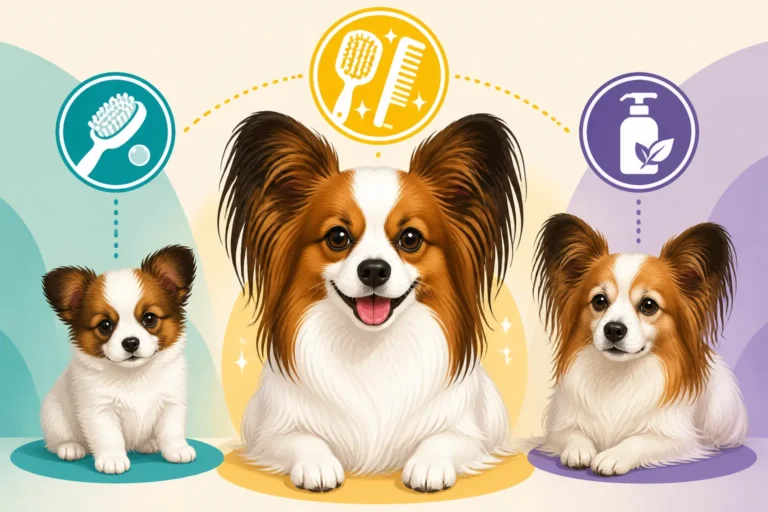
However, the full, luxuriant ear fringe—the kind that truly defines the adult Papillon—takes considerably longer to develop. You'll likely start to observe more substantial feathering and length around 6 to 9 months of age, but the fringes typically continue to grow, thicken, and fill out significantly until the dog reaches between one and two years old. In some particularly well-coated Papillons, the fringes might even exhibit continued growth and increased density slightly beyond their second birthday, especially if they are from lines known for abundant coats.
It's crucial not to unfairly compare your young Papillon's developing fringes to those of fully mature adults. Coat development is an inherently gradual process, unique to each individual dog. By providing optimal care right from puppyhood, including a high-quality diet and consistent, gentle grooming, you are setting the stage for those magnificent adult fringes. Ultimately, the maximum expression of their fullness and length is largely predetermined by your Papillon's genetic makeup. So, don't be disheartened if your puppy's ears aren't yet a flowing cascade – their journey to full glory is just beginning!
Why Some Fringes Are Thinner Than Others
Just as individual people have diverse hair types and textures, Papillons exhibit a natural variation in the density and fullness of their ear fringes. Genetics are, without a doubt, the most significant contributing factor here. Certain breeding lines inherently carry genes that predispose dogs to more abundant, longer, and thicker ear feathering, while others naturally produce Papillons with somewhat less dense fringes. This isn't necessarily a flaw within the breed standard, but rather a normal variation. It's a characteristic you can often assess by observing the parents of a puppy, particularly if you're acquiring your dog from a conscientious breeder.
Beyond genetic predispositions, several other factors can contribute to fringes appearing thinner or failing to reach their full potential. For instance, an inadequate diet lacking crucial nutrients like essential fatty acids or sufficient protein can result in dull, brittle hair that is prone to breakage, which will inevitably make the fringe look sparse and less luxuriant. Environmental damage also plays a role; constant rubbing against surfaces, exposure to harsh weather conditions, or even the presence of parasites can cause physical damage and inhibit healthy hair growth. Even seemingly minor friction from a poorly fitting collar or exuberant rough-and-tumble play can gradually take a toll on those delicate hairs.
Age is another natural consideration. As a Papillon progresses into its senior years, its coat, including the magnificent ear fringes, may naturally begin to thin out slightly or lose some of its youthful luster. This is a normal aspect of the aging process, much like changes in human hair. However, with consistent, appropriate care, a nutritious diet, and proactive management of any age-related health concerns, you can help preserve as much fullness and vitality as possible, even in their golden years. You might observe that What an Aging Papillon's Coat Looks Like can be very different from their younger days, but proper care can still maintain its health.
Essential Grooming Practices for Glorious Fringes
Proper grooming extends far beyond mere aesthetics; it is absolutely vital for the overall health, integrity, and fullness of your Papillon's ear fringes. Neglecting these delicate adornments can quickly lead to painful, difficult-to-remove mats and significant hair breakage, which diminishes their beauty and your dog's comfort.
The Right Tools for Daily Maintenance
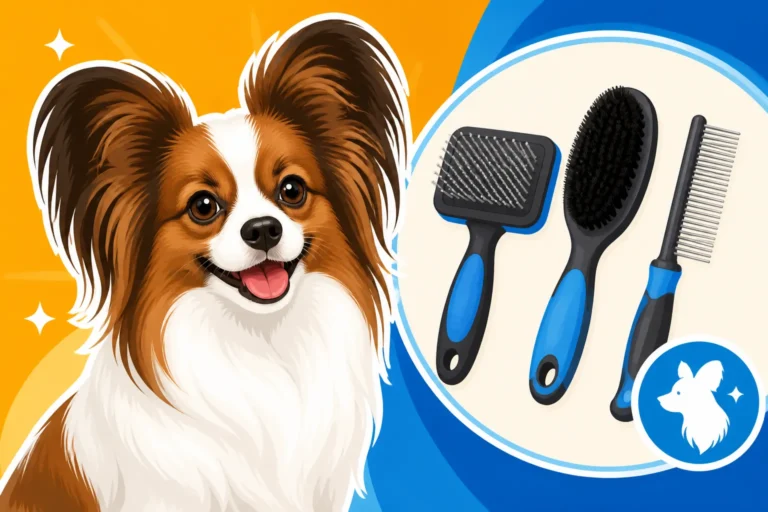
To ensure those exquisite fringes remain in pristine condition, you need to arm yourself with the appropriate grooming tools. A high-quality pin brush is an indispensable item for daily or every-other-day brushing. When selecting one, prioritize brushes with polished, smooth tips on the pins to prevent scratching your Papillon's sensitive skin or snagging their fine, delicate hair. Additionally, a sturdy metal comb, ideally a "greyhound" style comb featuring both wide and fine teeth, is essential for meticulously working through any nascent tangles and for ensuring that you’ve brushed thoroughly down to the skin. A good quality detangling spray can be an absolute lifesaver, significantly smoothing the brushing process and mitigating static electricity, which can contribute to tangles.
For tackling those frustratingly tiny mats that seem to materialize out of thin air, a slicker brush can be useful, but it must be wielded with extreme caution and the lightest possible hand. The wires of a slicker brush can be quite abrasive on fine hair if used too roughly. Many seasoned Papillon owners also find a soft bristle brush beneficial for finishing touches, as it helps distribute natural skin oils and adds a lovely sheen. When considering grooming products, research reputable brands known for quality, like those often found on Chewy or Amazon, that specifically formulate for delicate coats.
It's important to remember that investing in superior grooming tools is a direct investment in your Papillon’s comfort and the long-term health of their coat. Cheaply made brushes or combs can pull, snag, and ultimately break hairs, leading to a thinner, less appealing fringe over time. Always keep your grooming tools meticulously clean and in excellent repair. A bent pin on a brush or a broken tooth on a comb can cause far more harm than good to your dog’s precious coat. Finding Which Brush a Papillon Needs often involves a bit of trial and error to match your dog's specific coat texture and your personal comfort.
Gentle Brushing Techniques to Prevent Breakage
Brushing your Papillon's ear fringes should never be a rushed task; instead, it's a careful, deliberate, and patient process. Always begin by lightly misting the fringe with a dog-specific detangling spray. This helps to lubricate the individual hair shafts and effectively reduce static, making the hair more manageable. Crucially, never attempt to brush a dry coat, as this is a primary cause of hair breakage. Using your pin brush, gently brush through small sections of the fringe, always starting at the very tips of the hair and gradually working your way upwards towards the base of the ear. As you brush the tips, use your free hand to gently hold the hair closer to the root. This technique minimizes any pulling or tension on your Papillon's delicate skin, making the process much more comfortable.
When you inevitably encounter a tangle, resist the urge to forcefully yank the brush through it. Such an action will be painful for your dog and will almost certainly cause significant hair breakage. Instead, use your fingers to carefully separate the tangled strands as much as possible. Once you've achieved some initial separation, switch to the wider teeth of your metal comb or use just the very tip of your pin brush to meticulously pick apart the knot. Work patiently from the outer edges of the tangle inwards, applying more detangling spray if needed. Only once the tangle is largely loosened and disentangled should you use the brush or comb to gently smooth out the section. This meticulous, patient approach is absolutely essential for preventing breakage and maintaining the cherished fullness of the fringe.
Consistency in grooming is far more impactful than the duration of any single session. A quick, gentle brush-through of the fringes daily or every other day, as outlined in How Often a Papillon Needs Brushing, is vastly superior to a single, lengthy, and potentially frustrating session once a week attempting to untangle a multitude of entrenched mats. Strive to make grooming a positive experience for your Papillon by offering plenty of verbal praise and small, tasty treats. This helps them associate grooming with pleasant sensations, making future sessions significantly easier and more cooperative.
Washing and Conditioning for Optimal Health
While Papillons generally don't require daily or even weekly full baths, their extensive ear fringes, due to their length and constant exposure, can certainly benefit from regular, targeted washing and conditioning. This doesn't always necessitate a complete bath for the entire dog; sometimes, a focused wash of just the ear fringes is sufficient if they've become particularly soiled. The primary objective is to cleanse the hair thoroughly without stripping away essential natural oils, and to condition it to ensure the hair remains soft, pliable, and resilient against damage. For a full-body bath, How Often a Papillon Should Be Bathed typically suggests a frequency of every few weeks to once a month, depending on their activity level and coat needs.
When you do wash the fringes, opt for a high-quality, gentle dog shampoo that is specifically formulated with moisturizing properties. Lather the shampoo softly, concentrating your efforts on lifting away dirt, grime, and any environmental pollutants. Rinse the fringes meticulously until every trace of shampoo is gone. The conditioning stage is exceptionally crucial for the fringes; liberally apply a good quality, dog-specific conditioner, ensuring it thoroughly coats each hair shaft of the fringe. Allow the conditioner to penetrate for several minutes, adhering to the product's instructions, then rinse again with extreme care until the water runs completely clear and there is absolutely no slippery residue remaining. Any lingering product can unfortunately attract dirt more readily and potentially lead to skin irritation.
After rinsing, gently blot the fringes with a soft, absorbent towel – never rub vigorously, as this action can easily create tangles and induce frizz. Subsequently, use a low-heat setting on a blow dryer while simultaneously brushing the fringes gently to dry them completely. This technique helps to straighten the hair, encourages a smooth finish, and actively prevents mats from forming as the hair dries. Allowing the fringes to air dry can leave the hair more prone to tangling and sometimes result in a rougher texture. Pay close attention to How Often a Papillon's Fringes Need Washing based on their lifestyle and how quickly they accumulate dirt and debris. When selecting shampoo, consider Which Shampoo Suits a Papillon's Coat for optimal results.
Nutritional Support for Lustrous Coat Growth
You can diligently brush and condition all you want, but the foundation of truly healthy, full ear fringes for your Papillon originates from within. What you choose to feed your dog directly and profoundly impacts the quality, strength, and appearance of their hair.
The Role of Diet in Coat Quality
A healthy, well-balanced diet serves as the absolute cornerstone for cultivating and maintaining a vibrant, strong coat. Your Papillon's food must be rich in high-quality protein, as hair is predominantly composed of protein. When evaluating dog foods, actively seek out options where a specifically named meat source (e.g., "chicken meal," "lamb," "salmon") is listed as the very first ingredient. Beyond protein, essential fatty acids, particularly Omega-3 and Omega-6, are critically important for optimal skin and coat health. These beneficial fats are instrumental in producing the natural oils that keep hair moisturized, flexible, and significantly less susceptible to breakage, ultimately imparting a healthy, lustrous sheen.
Deficiencies in key vitamins and minerals can quickly manifest as a dull, dry, brittle, or sparse coat. Nutrients such as zinc, biotin, and Vitamin E are especially vital for promoting robust hair growth and maintaining skin integrity. Ensuring that your dog's chosen food is genuinely complete and balanced, and appropriately formulated for their specific life stage (puppy, adult, senior), is the primary and most critical step. Many reputable dog food brands, including premium options or even personalized fresh food services such as Ollie, thoughtfully incorporate these vital nutrients into their formulations.
A suboptimal diet can lead to a myriad of problems extending beyond merely thin fringes, including issues like Whether a Papillon Gets Dry Skin or a generally unhealthy, lackluster overall appearance. If your Papillon is a particularly picky eater, or if you harbor concerns that their current diet isn't providing all the necessary nutrients, it is highly advisable to consult with your veterinarian or a certified canine nutritionist. They can offer tailored guidance to ensure your dog’s diet is truly supporting their magnificent coat, as you cannot simply "supplement your way" out of a fundamentally deficient diet.
Supplements That Can Make a Difference
Even with a high-quality, well-balanced diet, some Papillons may benefit from specific, targeted supplements designed to enhance coat health and actively encourage fuller ear fringes. Omega-3 fatty acid supplements, typically derived from fish oil sources such as salmon or sardine oil, are immensely popular and demonstrably effective. These supplements work by reducing systemic inflammation, promoting healthy skin, and adding a noticeable gloss and increased strength to the coat, rendering the hair less brittle and consequently less prone to breaking. You can readily find a wide array of these beneficial supplements at reputable pet supply stores or through online retailers like Chewy.
Biotin, an essential B-vitamin often found in specialized skin and coat supplements, is another nutrient that can significantly support healthy hair growth. While biotin is usually present in sufficient quantities in premium dog foods, some individual dogs, especially those with naturally finer hair or a propensity for excessive shedding or breakage, might genuinely benefit from an additional boost. Before you introduce any new supplements into your Papillon's regimen, it is always a prudent decision to engage in a thorough discussion with your veterinarian. They possess the expertise to help identify any potential underlying health issues, recommend the most appropriate supplements, and advise on safe and effective dosages, thereby ensuring you are providing beneficial support without inadvertently over-supplementing.
It's important to remember that supplements are intended to complement a healthy diet, not replace it. Too much of a good thing can sometimes be detrimental, so professional guidance is key to ensuring your Papillon receives the right balance of nutrients for their individual needs.
Hydration: An Overlooked Factor
Just like humans, dogs absolutely require adequate hydration for their overall health and well-being, and this undeniably extends to the health of their skin and coat. Dehydration can directly lead to dry, flaky skin and brittle, weak hair, which will inevitably compromise the fullness and quality of your Papillon's cherished fringes. It is paramount to ensure your Papillon has constant, unrestricted access to fresh, clean water at all times. While this may seem like an obvious point, in the hustle and bustle of daily life, water bowls can sometimes be overlooked, allowed to become empty, or filled with stale water.
Consider strategically placing multiple water stations throughout your home, especially if your Papillon is a senior dog or has any mobility challenges that make accessing a single bowl difficult. Some dogs are naturally encouraged to drink more if their water is filtered, or if they have access to a pet fountain, which keeps the water circulating and aerated. For those Papillons who tend not to drink much on their own, subtly adding a little extra water to their dry kibble or incorporating moist, wet food into their diet can be an effective way to gently increase their daily fluid intake.
Diligently monitoring your Papillon's water consumption is particularly important during warmer months, after periods of strenuous exercise, or if they are experiencing any illness. A dog that is consistently well-hydrated will exhibit healthier skin elasticity and possess a more resilient, supple coat, both of which directly contribute to the lushness, strength, and overall vitality of those beautiful ear fringes. Remember that How Much Water a Papillon Drinks a Day can fluctuate based on activity level, the type of food they eat, and ambient temperature.
Protecting Those Delicate Ear Fringes
The Papillon's ear fringes, while undeniably exquisite, are also remarkably delicate and particularly susceptible to various forms of damage. Proactive prevention is an incredibly significant component of any strategy aimed at keeping them full, untangled, and free from breakage.
Minimizing Environmental Damage
Your Papillon’s long, flowing ear fringes are in constant contact with their surrounding environment, making them uniquely vulnerable to damage from a multitude of external factors. During outdoor excursions, these fringes can easily sweep through dirt, mud, fallen leaves, and can even pick up troublesome burrs, sticky seeds, or tiny twigs. This not only makes them dirty but also creates a prime scenario for painful tangles and breakage when you attempt to remove the embedded debris. Furthermore, if you find yourself out in wet weather, their ears can become thoroughly soaked, turning heavy and significantly more prone to matting and knotting.
To mitigate these risks, consider employing a snood or specialized ear covers, particularly when your Papillon is eating (to keep food out of the hair), or when they are playing enthusiastically outdoors in potentially dirty or brush-filled environments. These lightweight fabric covers are designed to slip comfortably over your dog's ears, providing an effective barrier that shields the fringes from food messes, pesky burrs, or excessive accumulation of dirt. You can readily find a variety of styles and materials for snoods from online retailers like Amazon. For Papillons who have a penchant for rolling gleefully in the grass, a snood can prevent a messy and time-consuming cleanup afterwards.
Additionally, it's prudent to protect their delicate ear hair from prolonged or excessive sun exposure, particularly if your Papillon has lighter-colored fringes. Over time, the sun's harsh UV rays can dry out and weaken hair strands, leading to damage and breakage. In extremely cold or blustery weather, the fine hair can become brittle and more susceptible to snapping. While your Papillon might initially express some resistance, gradually acclimating them to wearing a snood or a light protective coat that covers their ears can offer substantial protection and potentially spare you many grooming woes down the line.
Preventing Tangles and Mats During Play
Papillons are famously energetic and spirited little dogs, and their lively, playful antics can very easily result in tangled ear fringes. Exuberant "zoomies," playful wrestling sessions with other dogs, or even simply rolling around vigorously on carpets can rapidly transform those silky strands into a matted, knotted mess. These mats, if left unattended, can quickly become tight, uncomfortable, and even painfully pull on your Papillon's skin, often necessitating aggressive removal techniques that inevitably sacrifice some of that precious fringe length and desired fullness.
One of the most effective preventative measures you can implement is consistent, proactive grooming. A quick, gentle brush-through of the fringes both before and immediately after any significant play sessions, especially those involving other dogs, can make a monumental difference. If your Papillon regularly interacts with larger, more boisterous dogs, supervised playtime is absolutely crucial – not just for their overall physical safety, but also specifically to prevent accidental chewing, tugging, or pulling on their exquisitely delicate ear furnishings. You might notice How a Papillon Behaves With Large Dogs can sometimes lead to situations where their ears get caught or tangled.
For particularly boisterous play or extended periods where your Papillon is in a crate (where ears can get rubbed), a snood once again proves to be an invaluable protective tool. Even loosely gathering and tying the fringes with a soft, fabric-covered elastic (like a scrunchie) during specific high-energy playtimes can help keep the hair out of harm's way. Just ensure it's not tied too tightly and is promptly removed once play concludes. The overarching goal is to minimize friction and actively prevent knots and tangles from forming in the first place, preserving the integrity of their beautiful ears.
Safe Handling and Avoiding Trauma
It is remarkably easy to underestimate the inherent delicacy of a Papillon's small body, and particularly their fine ears. Accidental pulling, snagging, or forceful tugging of the ear fringe is an exceedingly common cause of breakage and damage. Whenever you are picking up or holding your Papillon, cultivate a conscious awareness of where their ears are positioned. Actively avoid gripping them by the ears or allowing young children to playfully, yet damagingly, tug on them. It is absolutely essential to always supervise interactions between Papillons and infants or young children, ensuring that everyone involved understands and practices gentle, respectful handling of the dog.
Another significant area of potential trauma can stem from the use of collars and leashes. If your Papillon wears a traditional collar, ensure it is properly fitted – not so loose that their ears can easily get caught underneath, especially when they scratch themselves or vigorously shake their head. Many discerning Papillon owners wisely opt for a harness instead of a collar for all walks. This choice effectively avoids any direct pressure on their delicate neck and throat area, and importantly, keeps their beautiful ear fringes much freer from entanglement or snagging. Consider Whether a Papillon Should Wear a Harness Instead of a Collar not just for comfort and safety, but specifically to protect those vulnerable ears.
During participation in activities such as agility trials or other dog sports, it's crucial to ensure that all equipment is safe and that your Papillon isn't constantly brushing against rough surfaces that could snag or damage their ears. While Papillons are incredibly agile and nimble, an unexpected misstep, a tight turn, or an awkward landing could still result in an ear becoming caught. Routinely inspecting their ears for any signs of irritation, minor damage, or emerging tangles, especially after periods of active play, can help you address potential issues proactively before they escalate into more significant and damaging problems.
Troubleshooting Common Fringe Issues
Despite your most diligent efforts and adherence to preventative care, you might still encounter certain issues with your Papillon's ear fringes. Knowing how to accurately identify and promptly address these problems can be instrumental in preventing further damage and preserving the overall beauty and health of their iconic ears.
Addressing Breakage and Thinning
If you begin to notice that your Papillon's ear fringes are exhibiting signs of breakage, appear thinner than usual, or are experiencing unexplained hair loss, it’s time to don your detective hat and thoroughly investigate the cause. Your initial step should be to meticulously review your current grooming routine. Are you consistently brushing with a sufficiently gentle hand? Are your grooming tools still in optimal condition, or are they worn and potentially damaging? Are you consistently using a detangling spray to minimize friction? Over-brushing, rough handling, or the continued use of worn or incorrect tools are unfortunately common culprits behind hair breakage. Furthermore, diligently ensure that you are not allowing any mats to develop, as the process of removing them, even gently, will inevitably result in the loss of healthy hair alongside the mat.
Next, it’s imperative to carefully evaluate your Papillon's diet and their overall health status. Is their current food genuinely high-quality, abundant in essential protein, and rich in beneficial fatty acids? A sudden or noticeable change in coat quality can sometimes be a subtle indicator of an underlying health issue. Conditions such as skin allergies, hormonal imbalances (e.g., thyroid issues), or even microscopic parasites like mites could be at play, causing persistent irritation that leads to excessive scratching, rubbing, and subsequent hair loss or breakage. The question of Why a Papillon's Ear Fringe Is Thin can be a complex issue with multiple potential causes, requiring a comprehensive assessment.
Consider any external environmental factors that might be contributing: Is your dog habitually rubbing its ears excessively on furniture, against the ground, or along the sides of its crate? This constant frictional action can gradually wear down and weaken the delicate hair strands. If you have any suspicion of allergies or other health concerns, an immediate visit to your veterinarian is paramount. They can perform necessary diagnostics to accurately identify any medical conditions and recommend appropriate treatments, including potential dietary adjustments or medications. Sometimes, merely switching to a gentler shampoo, or incorporating a high-quality Omega-3 supplement, is all it takes to observe a significant improvement in fringe health.
Dealing with Mats and Tangles Effectively
Mats and tangles are an almost inevitable reality for owners of long-haired breeds, but your approach to managing them makes all the difference in preserving your Papillon's precious ear fringe. The unequivocal golden rule is: never attempt to forcefully yank a mat out. Such an action will cause extreme pain for your dog and will invariably rip out a substantial amount of healthy hair, leading to unsightly bald spots or severe, irreversible thinning. Instead, arm yourself with a significant amount of patience, a trusted detangling spray, and a fine-toothed metal comb.
Begin by generously applying a dog-specific detangling spray or a high-quality coat conditioner directly onto the entire mat. Allow the product a few minutes to thoroughly penetrate and soften the matted hair. Then, using your fingers, meticulously try to gently pull apart the mat, starting from its outermost edges. Once you've achieved some initial loosening, carefully use the wider teeth of your metal comb, again starting at the very outer edge of the mat, and work through tiny sections, picking at the mat one strand at a time. This technique is frequently referred to as "line brushing," where you slowly and methodically work your way through the mat while simultaneously holding the hair closest to the skin with your free hand. This minimizes any pulling or discomfort on the skin.
For mats that are exceedingly tight, dense, or have become felted, it might unfortunately become necessary to very carefully cut them out. If you choose to undertake this yourself, always use blunt-nosed grooming scissors and, crucially, slide a metal comb between the mat and your dog's skin. This acts as a protective barrier, preventing you from accidentally cutting your Papillon. However, if you feel any uncertainty, or if the mat is particularly large, located in a sensitive area, or very close to the skin, it is always the safest and most advisable course of action to seek the expertise of a professional groomer or veterinarian. They possess specialized tools, extensive knowledge, and gentle techniques to safely and efficiently remove even severe mats with minimal discomfort and damage to the coat. Whether a Mat Should Be Cut Out of a Papillon often depends on its severity and proximity to the skin.
When to Consult a Veterinarian or Professional Groomer
While a significant portion of routine ear fringe care can be successfully managed within the comfort of your own home, there are definitive instances when professional intervention is not only advisable but absolutely crucial. If you observe persistent, unexplained thinning, excessive hair breakage, or a sudden, noticeable loss of hair in your Papillon's ear fringes that does not respond positively to your improved home care routine, a trip to the veterinarian is highly recommended. These concerning symptoms can often be indicative of underlying medical conditions, such as thyroid dysfunction, Cushing's disease, various skin infections, or severe allergic reactions. Your veterinarian is equipped to perform thorough diagnostics, accurately identify any medical conditions, and prescribe the appropriate treatments or dietary adjustments.
Similarly, if your Papillon develops painful, large, or numerous mats that you feel understandably uncomfortable tackling on your own, a professional groomer becomes your invaluable ally. These experts possess the correct specialized tools, comprehensive knowledge of coat types, and gentle techniques required to safely and efficiently remove even severely matted hair, often saving a greater portion of the coat than an inexperienced owner might. Beyond mat removal, professional groomers can also offer personalized advice on preventative grooming strategies tailored specifically to your dog's unique coat type and daily lifestyle. You might find yourself asking Whether a Papillon Needs a Professional Groomer for regular maintenance appointments, especially if you consistently struggle to keep those beautiful fringes pristine.
It is paramount not to hesitate in seeking professional help if you find yourself struggling. A healthy, full ear fringe is a cherished hallmark of the Papillon breed, and actively ensuring its well-being contributes significantly to your dog's overall comfort, health, and happiness. Prompt intervention for any issues, whether they are medical in nature or relate to complex grooming challenges, is consistently the most effective and compassionate course of action.
| Tool | Primary Use | Benefit for Ear Fringes | Caveat / Important Note |
|---|---|---|---|
| Pin Brush | Daily brushing, general detangling | Gentle on long hair, helps prevent small tangles | Use polished tips, avoid harsh pulling |
| Metal Comb | Detangling knots, checking for missed mats | Reaches skin, precise mat breakdown | Start with wide teeth, work slowly, never force |
| Detangling Spray | Lubricates hair, reduces static | Makes brushing easier, prevents breakage | Use dog-specific formulas, mist lightly |
| Slicker Brush | Breaking up small mats (use with caution) | Can be effective for specific, small mats | Very light hand needed, can damage fine hair if rough |
| Soft Bristle Brush | Finishing, distributing natural oils | Adds shine, smooths coat, good for sensitive areas | Not for detangling, mainly for surface smoothing |
| Snood/Ear Cover | Protection during eating, play, or outdoors | Prevents dirt, food, and debris from contaminating ears | Ensure comfort, remove promptly, especially if elasticated |
Disclaimer
This article is for general informational purposes only and does not constitute professional advice. Laws, prices and regulations vary by location and change over time. Consult a qualified professional for guidance on your specific situation.