How Much Water a Papillon Drinks a Day
One of the most common worries for any Papillon parent, especially if you're new to this delightful breed, is whether your tiny companion is drinking enough water. It’s easy to feel a knot of anxiety when you see their water bowl barely touched, or conversely, if they seem to be constantly guzzling. Getting a handle on how much water a Papillon typically needs in a day is crucial for their well-being, and this guide is here to walk you through what's normal, what's not, and how to keep your little butterfly-eared friend perfectly hydrated.
Understanding a Papillon's Hydration Needs
It might seem like a simple question: "How much water should my dog drink?" But for a Papillon, a tiny bundle of energy and delicate health, the answer is anything but straightforward. Their small size, energetic nature, and sometimes subtle health cues mean we, as their devoted guardians, need to be extra vigilant. Water isn't just a thirst quencher; it's vital for every single bodily function, from regulating temperature and lubricating joints to aiding digestion and flushing out toxins. For a Papillon, whose metabolism can run surprisingly high, maintaining proper hydration is paramount to keeping them bouncy and bright.
Factors Influencing Water Intake
It’s tempting to look for a magic number, a precise ml/kg ratio, but the truth is, your Papillon’s daily water intake is a dynamic thing, constantly shifting based on a variety of factors. Think of it like our own thirst: some days you might drink several glasses, others just a few, all depending on what you’re doing and how you’re feeling. The same goes for your little dog.
First up, activity level. A Papillon who has just zoomed around the agility course, chasing after toys, or had a spirited long walk with you will naturally be much thirstier than one who’s spent the afternoon napping on a sunny windowsill. These active bursts mean their body is working harder, generating more heat, and expending more energy, all of which necessitate increased fluid intake to stay balanced. A quiet day for an older Papillon might mean significantly less water consumed than a young, boisterous puppy exploring every nook and cranny. How Long a Papillon Lives is something to keep in mind, as their needs evolve with age.
Next, consider their diet. This is a huge one. If your Papillon primarily eats dry kibble, they're going to need to drink a good deal more water to process their food and stay hydrated. Kibble, by its very nature, contains minimal moisture. Think about how much water you need after eating a handful of dry crackers compared to a juicy piece of fruit! On the other hand, if you feed a diet rich in wet food, fresh food like those offered by Ollie, or even homemade meals with a high moisture content, your Papillon will absorb a significant portion of their daily water requirements directly from their meals. This means they might appear to drink less from their bowl, but they're still getting the hydration they need.
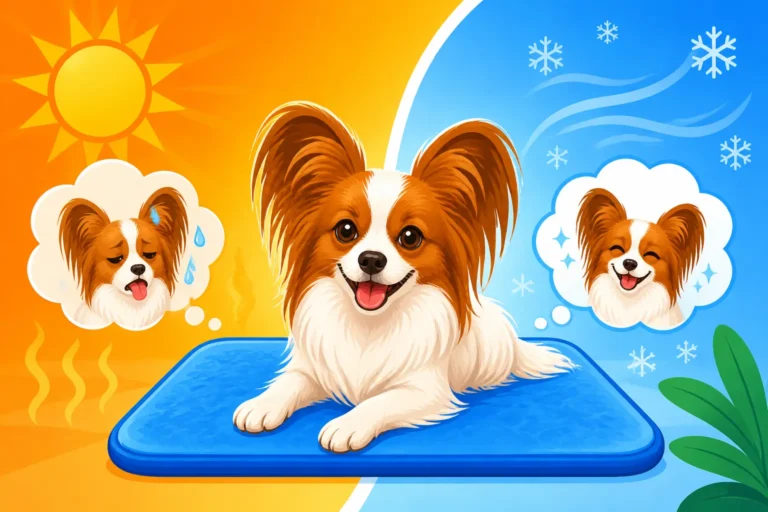
Weather and ambient temperature play a critical role too. Just like us, dogs pant to cool down. On a hot summer day, or even in a warm house during winter, your Papillon will lose more moisture through panting, leading to increased thirst. Conversely, on a cooler day, their need to regulate body temperature through panting decreases, and so might their water consumption. Humidity can also be a factor; high humidity can make it harder for them to cool down, potentially increasing their water needs. You might notice them seeking out cooler spots on the floor or asking for water more frequently.
Finally, age and overall health are paramount. Puppies tend to drink more frequently, though in smaller amounts, because of their rapid growth and higher metabolism. Older Papillons, while potentially less active, might have underlying health conditions that affect their thirst. Conditions like kidney disease, diabetes, or even certain medications can significantly alter a dog's water intake, either causing excessive thirst or a reluctance to drink. If your Papillon is getting on in years, understanding What Changes in an Aging Papillon's Care becomes vital.
The Dangers of Dehydration in Small Dogs
It might sound dramatic, but dehydration in a small dog like a Papillon is no joke. Their tiny bodies have a smaller fluid reserve, which means they can become dehydrated much faster than a larger breed. What might be a minor inconvenience for a bigger dog can quickly become a serious medical emergency for a Papillon.
When a Papillon gets dehydrated, their bodily systems start to struggle. Their blood volume decreases, making it harder for their heart to pump blood and oxygen to vital organs. Their kidneys, which rely on adequate fluid to filter waste products from the blood, become less efficient, potentially leading to a buildup of toxins. Digestion slows down, and they might become constipated. Their skin and mucous membranes can dry out, and they'll likely feel lethargic and unwell.
Imagine trying to navigate your day with a pounding headache, dry mouth, and overwhelming fatigue—that's a mild human equivalent. For a Papillon, these symptoms can escalate rapidly. Severe dehydration can lead to electrolyte imbalances, organ damage, and in extreme cases, be life-threatening. This isn't meant to scare you, but to underscore the importance of consistent access to fresh water and keen observation of their drinking habits. You can even consider Whether a Papillon Gets Hypoglycemia as a Puppy, a condition that can be exacerbated by dehydration due to its impact on overall body function.
How to Monitor and Encourage Healthy Drinking Habits
Keeping track of your Papillon's water intake doesn't have to be a full-time job, but a little mindfulness goes a long way. It's about establishing good habits for both you and your dog, and knowing what to look for so you can address any issues proactively.
Daily Water Intake Guidelines
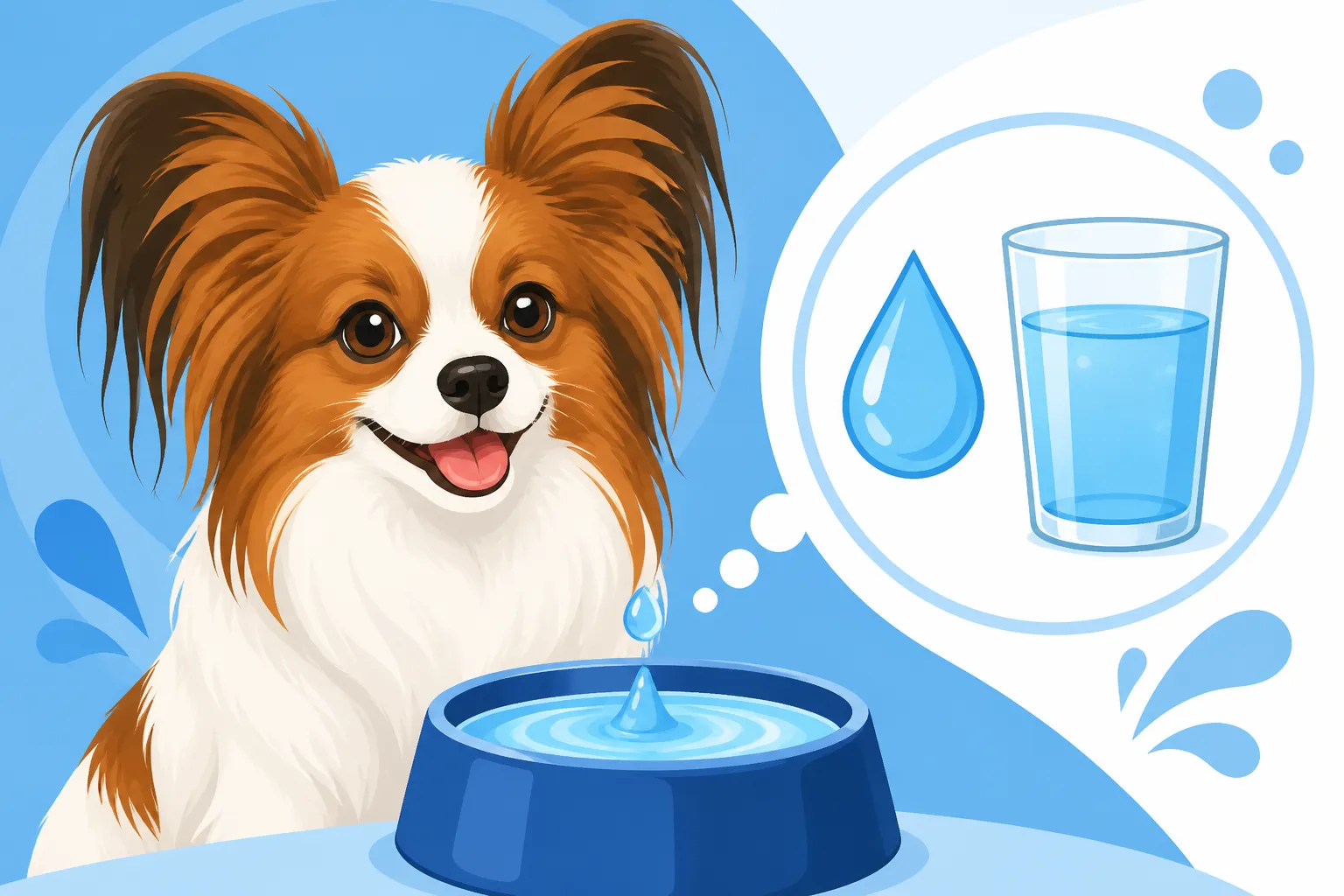
While every Papillon is an individual, there’s a general rule of thumb that can help you gauge if your furry friend is within a healthy range. Most veterinarians suggest that dogs should drink approximately 1 ounce of water per pound of body weight per day.
So, if your Papillon weighs, say, 5 pounds (a common weight for the breed, though some are a little more, some a little less—What a Papillon Weighs and How Tall It Stands), they would ideally drink around 5 ounces of water daily. If they weigh 7 pounds, like some of the sturdier boys, you're looking at 7 ounces. Feeding a Papillon That Weighs Seven Pounds means their overall intake, including water, should be proportional.
This is a baseline, remember! If it's a scorching hot day, or they’ve just had an intense play session, they might drink more, and that's perfectly normal. If they’ve eaten a particularly wet meal, they might drink a little less from the bowl. The key is to look at the overall picture, rather than getting fixated on an exact number every single day.
Here's a quick reference table based on typical Papillon weights:
| Papillon Weight (lbs) | Approximate Daily Water Intake (ounces) | Approximate Daily Water Intake (ml) |
|---|---|---|
| 4 | 4 | 120 |
| 5 | 5 | 150 |
| 6 | 6 | 180 |
| 7 | 7 | 210 |
| 8 | 8 | 240 |
| 9 | 9 | 270 |
| 10 | 10 | 300 |
Note: These are general guidelines. Individual needs will vary based on activity, diet, weather, and health.
The best way to monitor this, especially if you’re concerned, is to fill their bowl with a measured amount of water each morning and see how much is left by the evening. Factor in any spills, of course! You could also keep a dedicated water bowl for a few days to get a sense of their baseline.
Tips for Encouraging a Picky Drinker
Some Papillons, bless their tiny hearts, can be a bit particular about their water. They might be picky, or perhaps they're just not naturally big drinkers. Don't despair! There are plenty of tricks you can try to encourage them to lap up those essential fluids.
First, variety in water sources can make a huge difference. A simple ceramic bowl might be fine for some, but others might prefer a stainless steel bowl, or even a glass one. Some dogs are wary of their reflection or the sound the water makes in certain bowls. Consider trying a pet water fountain; the bubbling or flowing water can be incredibly enticing for many dogs, stimulating their natural instinct to drink from fresh, moving sources. You can find many options on Amazon or Chewy. Just remember to keep them clean, as algae or slime can be a deterrent.
Location, location, location! Where you place the water bowl matters. Is it in a high-traffic area where they might feel nervous to drink? Is it tucked away in a corner they rarely visit? Try placing multiple water bowls around the house – in their favorite resting spots, near their food, or even outside if they spend time there. A Papillon might not want to trek across the house just for a sip, especially if they’re engrossed in playtime.
Temperature of the water can be a subtle but powerful factor. Some dogs prefer cool, fresh water, while others might be indifferent. Try adding a few ice cubes to their bowl on a warm day. It can make the water more appealing and keep it chilled for longer. Just be mindful if your Papillon has sensitive teeth.
Lastly, and this is a big one, add moisture to their food. If your Papillon is a dry kibble eater, consider adding a splash of water, low-sodium broth, or even a bit of goat's milk (if they tolerate dairy) to their meals. This not only makes the meal more palatable for some but also ensures they're getting extra fluids with every bite. Wet food or fresh food diets naturally provide more hydration. Even pureed vegetables or fruits (safe for dogs) mixed into their food can boost moisture content. Remember, these additions count towards their daily fluid intake, even if it's not directly from the water bowl.
When to Worry: Signs of Too Much or Too Little Water
It’s one thing to observe your Papillon’s drinking habits, but it’s another to know when those habits signal something that needs a closer look from your vet. Both too little and too much water intake can be red flags for underlying health issues.
Recognizing Dehydration
Aside from a visibly empty or barely touched water bowl, there are several key signs that your Papillon might be dehydrated. These signs can be subtle in such a small dog, so a keen eye is necessary.
- Lethargy and Weakness: A dehydrated dog often lacks energy, seems tired, and might be less responsive than usual. They might not want to play or even get up for their usual routines.
- Dry Gums and Nose: Healthy gums should be moist and pink. If your Papillon’s gums feel dry or sticky to the touch, or if their nose is unusually dry, it could be a sign of dehydration.
- Sunken Eyes: In more severe cases of dehydration, a dog's eyes might appear sunken into their sockets.
- Loss of Skin Elasticity: This is a classic test. Gently pinch a fold of skin on your Papillon’s back or neck. On a well-hydrated dog, the skin should snap back quickly. If it returns slowly, or "tents" for a few seconds, it indicates a loss of skin elasticity and potential dehydration. In a very small, thin dog, this test can be a bit trickier, so combine it with other observations.
- Reduced Urination: If your Papillon is drinking less, they will also be urinating less frequently, and the urine might be darker and more concentrated.
If you suspect your Papillon is dehydrated, offer them fresh water immediately. If they refuse to drink, or if they show severe signs of lethargy, vomiting, or diarrhea alongside dehydration, contact your veterinarian right away. Don’t wait, especially with a small breed; their condition can deteriorate quickly. A vet can administer subcutaneous fluids to rapidly rehydrate them.
Recognizing Excessive Thirst (Polydipsia)
On the flip side, what if your Papillon seems to be constantly at the water bowl, drinking an unusual amount of water? This is known as polydipsia, and it’s also a symptom that warrants veterinary attention. While some increase in water intake might be due to exercise or heat, a persistent, noticeable increase that doesn't correlate with activity or weather is concerning.
Excessive thirst in dogs can be a symptom of several serious underlying health conditions, including:
- Kidney Disease: The kidneys are responsible for filtering waste and concentrating urine. If they're not functioning properly, your Papillon might drink more to try and flush out toxins or compensate for dilute urine.
- Diabetes Mellitus: Dogs with diabetes often drink and urinate excessively. Their body struggles to process sugar, leading to high blood sugar levels that cause increased thirst and frequent urination.
- Cushing's Disease: This condition involves the overproduction of cortisol by the adrenal glands, which can also lead to increased thirst and urination. Whether a Papillon Gets Cushings Disease is a relevant concern.
- Liver Disease: Problems with the liver can also disrupt fluid balance and cause polydipsia. Signs a Papillon Has a Liver Shunt covers one such liver issue.
- Urinary Tract Infections (UTIs): While often causing frequent urination, a UTI can sometimes make a dog feel constantly thirsty as well, especially if they are trying to "flush" the infection. Whether a Papillon Gets Bladder Stones is also a possible related issue that can cause changes in urination and thirst.
- Certain Medications: Some medications, such as corticosteroids, can increase thirst as a side effect.
If you notice a sudden or persistent increase in your Papillon’s water intake, start monitoring it closely. Measure how much they're drinking over 24 hours for a few days. Then, schedule an appointment with your veterinarian. It’s important to get an accurate diagnosis, as early intervention for many of these conditions can significantly improve your Papillon’s prognosis and quality of life. The vet will likely perform blood tests and urinalysis to pinpoint the cause.
Ultimately, being attuned to your Papillon’s individual quirks and habits is your best defense against both dehydration and excessive thirst. They rely on us to notice these subtle changes, and a proactive approach ensures they stay healthy, happy, and well-hydrated for many years to come.
Disclaimer
This article is for general informational purposes only and does not constitute professional advice. Laws, prices and regulations vary by location and change over time. Consult a qualified professional for guidance on your specific situation.