What Changes in an Aging Papillon’s Care
It's a bittersweet journey watching our spirited little Papillons, those vibrant butterflies, start to show the subtle, and not-so-subtle, signs of aging. You might find yourself wondering if that extra nap is just laziness or something more, or if their pickiness at mealtime is a new quirk or a sign of discomfort. This comprehensive guide is here to walk you through the essential adjustments and compassionate considerations that go into caring for an aging Papillon, helping you navigate these changes with confidence and ensure their golden years are as comfortable and joyful as possible.
Recognizing the Signs of Aging in Your Papillon
One of the hardest parts of having a Papillon grow older is recognizing the shift. They are such energetic, vivacious little dogs that sometimes, the changes can creep up on us, almost imperceptibly at first. You might think they're just having an off day, or that a little stiffness is par for the course. But understanding these early signals is crucial for adjusting their care proactively, rather than reacting once things become more pronounced. It’s not about finding fault, it’s about becoming a better observer for our beloved companions.
Subtle Shifts in Behavior You Might Notice
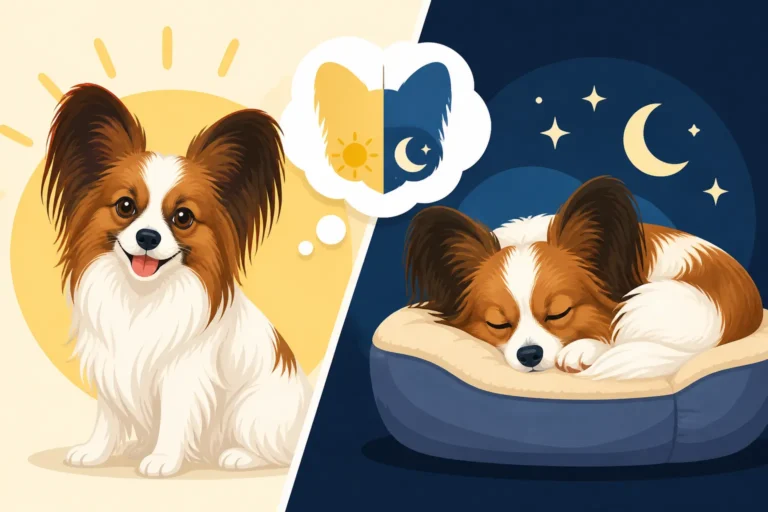
Your Papillon's personality is a huge part of their charm, and often, the first indicators of aging appear here. They might not be greeting you at the door with quite the same frantic enthusiasm, or perhaps they're less inclined to engage in their usual games of chase with the same vigor. We often laugh off a little forgetfulness, like them standing by the wrong door, but consistent patterns of disorientation or confusion, especially in familiar environments, can be signs of cognitive decline. You might notice them sleeping more deeply, or even finding new, perhaps less accessible, napping spots. Are they less tolerant of loud noises or boisterous children than they used to be? That could be a sign of sensory changes or simply a lower tolerance for stress as they age. Don't dismiss these small shifts; they are your Papillon trying to communicate their evolving needs. Sometimes it’s a subtle change in their gaze, a slight dullness where there used to be bright curiosity, or a hesitancy to explore a new scent on a walk.
They might also become a bit more clingy, seeking out your presence more often, or conversely, more withdrawn, preferring quiet solitude over bustling family activities. This isn't them being "grumpy"; it's a genuine indicator that their energy levels, their patience, and even their sensory perception might be changing. For instance, a Papillon who once loved a good wrestling match with a younger dog might now just watch from the sidelines, or even retreat to another room. It’s important to create an environment where they feel safe and understood, where their need for peace is respected. Night Confusion in an Old Papillon is a particularly challenging behavioral shift that many owners face, and recognizing it early can help you manage their environment to prevent falls or anxiety.
Physical Changes You Might Overlook
Beyond behavior, there are often physical changes that, when viewed individually, might seem minor, but together paint a clearer picture of aging. That slightly graying muzzle, the thinning fur around their temples, or a newfound reluctance to jump onto the sofa. Many Papillon owners, especially those who groom at home, might notice that their dog's coat is becoming coarser or thinner, particularly along the back. This isn't just a cosmetic issue; it can be linked to hormonal changes or nutritional needs. Weight fluctuations, whether a gradual gain from decreased activity or a worrisome loss due to appetite changes, are also critical. Feeling for their ribs, even through their lovely feathering, can help you monitor their body condition.
You might also observe a slight stiffness when they first get up, especially after a long nap. Perhaps they're a little slower on their daily walk, or they skip a step or two, which could be a sign of worsening joint issues, like a previously managed What Patellar Luxation Does to a Papillon. Their eyes might develop a cloudy appearance, known as lenticular sclerosis, which is a normal age-related change and usually doesn't impact vision significantly, but it's important to have a vet check to rule out cataracts. Pay attention to how they eat and drink: are they struggling to pick up kibble, or are they drinking noticeably more or less? These physical cues are often their silent way of telling you that they're not quite as spry as they once were and that some adjustments to their daily routine and care might be needed. What Changes in an Aging Papillon's Coat Looks Like delves into more detail about these specific coat transformations.
When to Start Considering Them "Senior"
There isn't a hard and fast rule for when a Papillon officially becomes "senior," but generally, many vets consider small breeds like Papillons to enter their senior years around 8-10 years of age. However, thanks to their exceptional longevity, a Papillon can remain incredibly active and spry well into their teens. So, for a Papillon, "senior" might be closer to 11 or 12 years old before you see truly noticeable slowing down. The key is to look at your individual dog, not just the calendar. The Age a Papillon Is Considered Senior elaborates on this timeline.
It’s less about a specific birthday and more about the accumulation of those subtle behavioral and physical changes we just discussed. If you're consistently noticing more naps, less enthusiasm for long walks, a bit of stiffness, or any changes in appetite or bathroom habits, it's time to start thinking about adjusting their care. Even if they still chase squirrels with gusto, the proactive approach is always best. This doesn't mean they're "old and decrepit"; it simply means their needs are evolving, and as their loving owner, it's our job to meet those needs to ensure their continued comfort and happiness. Early intervention and adjustments can genuinely add years of quality life to your aging Papillon.
Adjusting Diet and Nutrition for Your Older Papillon
As our Papillons age, their bodies simply don't function the same way they did in their prime. Their metabolism slows down, their teeth might not be as strong, and their digestive system can become more sensitive. It's a common frustration to see a once voracious eater suddenly turn up their nose at their usual kibble, or to notice they're gaining weight even though their activity has decreased. Addressing these nutritional shifts is paramount to supporting their overall health and keeping them feeling their best.
Choosing the Right Senior Diet
The primary goal of a senior diet is to support aging organs, maintain a healthy weight, and provide easily digestible nutrients. Senior dog foods are specifically formulated with lower calorie counts to prevent weight gain, as older dogs tend to be less active. They often contain higher quality protein sources to help maintain muscle mass, which can naturally diminish with age – a phenomenon explored further in Whether an Old Papillon Loses Muscle. Furthermore, these diets are frequently enriched with ingredients like glucosamine and chondroitin for joint support, and omega-3 fatty acids for skin, coat, and cognitive health. Antioxidants are also boosted to combat cellular damage associated with aging.
When transitioning your Papillon to a senior food, do it gradually over 7-10 days to avoid upsetting their stomach. Start by mixing a small amount of the new food with their old food, slowly increasing the proportion of the new diet each day. You'll want to choose a food that's also appropriate for small breeds, as the kibble size can make a huge difference, especially if their teeth are becoming sensitive. Brands like Chewy often have a wide selection of senior small-breed formulas, making it easier to find one that suits your Papillon's preferences. It's always best to consult with your veterinarian before making any major dietary changes, as they can recommend specific formulations based on your Papillon's individual health profile and any pre-existing conditions.
Tackling Picky Eating and Appetite Changes
Picky eating in an older Papillon can be incredibly frustrating and, at times, worrying. You pour love and effort into their meals, only for them to sniff disdainfully and walk away. There are several reasons why an aging Papillon might become a finicky eater. Dental pain is a huge culprit; even a tiny toothache can make chewing dry kibble agony. Whether an Old Papillon Needs Softer Food delves into this, and for many, a switch to wet food or rehydrated kibble can make a world of difference. Warming their food slightly can also enhance the aroma, making it more appealing.
Sometimes, it's simply a decreased sense of smell or taste that makes food less exciting. Offering novel, highly palatable options can help. Fresh food delivery services like Ollie, for instance, provide gently cooked meals that are often more enticing to picky eaters and can be easier to chew and digest. You can also try adding a little low-sodium chicken broth, warm water, or a spoonful of plain yogurt to their regular food. It's essential to ensure they are actually eating enough to maintain their weight and energy levels. If appetite loss is sudden or persistent, or if it's accompanied by other symptoms like lethargy or vomiting, it's a red flag that warrants an immediate vet visit to rule out underlying health issues. Keep track of what they do eat, even if it's not their full meal, to report back to your vet.
Addressing Hydration Needs
Hydration becomes even more critical for aging Papillons. Older dogs are more prone to dehydration due to various factors, including decreased thirst drive, kidney function changes, and certain medications. Dehydration can exacerbate existing health issues and make them feel generally unwell. While their water bowl might seem full, it doesn't always mean they're drinking enough.
Encourage water intake by placing multiple water bowls around the house, especially near their favorite napping spots. Consider a pet water fountain, as the moving water can entice some dogs to drink more. Adding a little water to their food, particularly if you're feeding dry kibble, is another excellent strategy. If you've transitioned to wet food, that will naturally boost their water intake. Keep an eye on the color of their urine – very dark yellow urine can indicate dehydration. If you're concerned about your Papillon's hydration, your vet can offer advice and check for signs of dehydration during their regular wellness exams. Sometimes, a persistent lack of thirst can be a symptom of an underlying condition that needs addressing.
Managing Joint Health and Mobility
It's heartbreaking to see our once agile Papillons struggle with movement, whether it's hesitancy to jump or a noticeable limp. The sad truth is, joint issues are a common companion to aging, and for a breed already prone to Patellar Luxation Is the Papillon Problem You Will Actually Meet, it's an area where proactive care truly shines. We want to keep them prancing, not merely walking.
Supporting Aching Joints
Aging joints can become stiff, sore, and sometimes painful due to arthritis or the long-term effects of previous injuries or conditions. The cumulative wear and tear on their tiny frames can really start to show. Nutritional supplements are often a first line of defense. Glucosamine and chondroitin are widely recognized for their role in maintaining cartilage health and can help reduce inflammation. You can find these in various forms, from chewable tablets to liquid supplements available on platforms like Amazon or Chewy. Another beneficial supplement is omega-3 fatty acids, typically derived from fish oil, which possess natural anti-inflammatory properties. Be sure to choose reputable brands and always discuss dosages with your vet.
Beyond supplements, maintaining a healthy weight is paramount. Even a few extra ounces on a Papillon's small frame can put significant strain on their joints. Regular, gentle exercise helps keep joints lubricated and muscles strong, but it's important not to overdo it. Warm compresses on stiff joints can provide temporary relief, and ensuring they have a soft, supportive bed can make a big difference in their comfort during rest. Many senior dogs benefit from orthopedic beds that contour to their body, alleviating pressure points. Whether a Papillon Gets Arthritis From a Slipping Knee explains the long-term consequences of these common breed issues and why early support is so vital.
Rethinking Exercise Routines
The days of hour-long, high-intensity fetch sessions might be behind your senior Papillon, and that's perfectly okay. Their exercise needs evolve from vigorous play to gentle, consistent movement. The goal is to keep them mobile and their muscles strong without putting undue stress on their aging joints. Short, frequent walks are often much better than one long excursion. Instead of a single 30-minute walk, try two or three 10-15 minute strolls throughout the day. This keeps their blood flowing, joints moving, and spirits lifted without over-taxing them.
Consider incorporating low-impact activities like leash walking on soft surfaces like grass or even controlled swimming if your Papillon enjoys it and has access to a safe, warm pool. Mental stimulation remains incredibly important, even if physical activity decreases. Puzzle toys, scent work games around the house, or short, gentle training sessions to review basic commands can keep their minds sharp and engaged. Pay close attention to their cues: if they lag behind, start panting excessively, or seem reluctant to continue, it’s time to head home. Never push them beyond their comfort zone. Whether an Old Papillon Should Still Do Agility tackles the question of continued sports involvement, emphasizing careful evaluation of their physical state.
Preventing Falls and Injuries
One of the biggest concerns for older Papillons is the risk of falls, which can lead to serious injuries like fractures or sprains. Their coordination might not be what it once was, their vision could be declining, and muscle weakness can make them less stable. The home environment plays a huge role in preventing these accidents. Start by securing loose rugs and runners, or better yet, removing them if they are tripping hazards. Hardwood and tile floors can be incredibly slippery for older dogs; consider placing non-slip mats or runners in high-traffic areas.
Provide ramps or steps to help them access furniture they once jumped on with ease, like the sofa or your bed. This not only prevents falls but also reduces the strain on their joints every time they want to join you. Many pet supply stores, including those found on Chewy or Amazon, offer a variety of dog ramps and steps designed for small breeds. Keep their nails trimmed short to improve traction – long nails can force their toes into an unnatural position, making them slip. Ensure good lighting throughout the house, especially at night, as their vision may be impaired, particularly with Signs a Papillon Is Losing Night Vision. Creating a safer home environment allows your senior Papillon to move around with confidence and dignity.
Maintaining Oral Hygiene in Senior Papillons
If you've owned a Papillon for any length of time, you know that dental disease is practically an inevitability. Their tiny mouths and crowded teeth are just a recipe for trouble, and this issue only intensifies with age. It's not just about bad breath; poor oral hygiene can lead to painful infections, tooth loss, and even systemic health problems. For our aging Papillons, meticulous dental care isn't just a suggestion; it's a critical component of their overall well-being.
The Escalating Importance of Dental Care
As a Papillon ages, years of plaque and tartar buildup take their toll. Their already crowded teeth make it easy for food particles and bacteria to get trapped, leading to gingivitis and then periodontal disease. This can cause immense pain, making eating difficult and impacting their overall quality of life. The bacteria from severe dental disease don't just stay in the mouth; they can enter the bloodstream and affect vital organs like the heart, kidneys, and liver, potentially shortening their lifespan. It's a sobering thought, but one that underscores the necessity of consistent care.
Many older Papillons might have several teeth that are loose, infected, or simply painful. This can manifest as an unwillingness to chew, dropping food, excessive drooling, or a noticeable change in their breath. Don't assume bad breath is just "dog breath"; it's a clear indicator of bacterial overgrowth. Regular veterinary check-ups should always include a thorough oral examination. Your vet will be able to assess the extent of dental disease and recommend the best course of action, which often includes professional cleaning and extractions. Ignoring dental pain in an older dog is akin to ignoring our own toothaches, and it's a kindness to alleviate their discomfort. For a deeper understanding of the cumulative impact, read Dental Work Over a Papillon's Long Life.
Home Care for Sensitive Mouths
While professional dental cleanings are often unavoidable for senior Papillons, daily home care can significantly slow the progression of dental disease and keep their mouths more comfortable between vet visits. This can feel like a battle, especially if your Papillon isn't used to it, but consistency is key. Investing in a small, soft-bristled toothbrush designed for pets and enzymatic toothpaste (never human toothpaste!) is essential.
Approach brushing with gentleness and patience. Aim for at least once a day, focusing on the outside surfaces of their teeth where plaque tends to accumulate most. If brushing is too stressful or painful for them, there are other options. Dental wipes, oral rinses, or water additives can help reduce bacteria, though they are generally less effective than brushing. Dental chews can also be beneficial, but choose soft, digestible ones appropriate for small, older dogs with potentially compromised teeth. Always supervise your Papillon with chews to prevent choking, especially if they have missing or weakened teeth. Start slowly, make it a positive experience with praise and treats, and build up their tolerance over time.
Professional Dental Considerations
The prospect of anesthesia for an older Papillon can be incredibly daunting for owners, and this is a valid concern. Small breeds, and older dogs in general, can sometimes be more sensitive to anesthesia. However, neglecting severe dental disease often carries greater risks than a properly managed anesthetic procedure. A thorough pre-anesthetic workup, including blood tests and sometimes even an ECG, is crucial to assess your Papillon's organ function and overall health before sedation. This helps the veterinary team tailor the anesthetic protocol to their specific needs, minimizing risks.
During the dental procedure, your vet will perform a thorough cleaning, scale off tartar above and below the gumline, and extract any teeth that are severely diseased or painful. They'll also polish the teeth to smooth the surface, making it harder for plaque to adhere. Post-procedure, your Papillon might need pain medication and a soft food diet for a period. It's important to remember that this isn't just cosmetic; it's a critical health procedure that can dramatically improve your senior Papillon's comfort and extend their healthy years. Discuss all your concerns with your veterinarian, and ensure you're comfortable with their safety protocols for older pets.
Adapting Exercise and Mental Stimulation
Our Papillons are known for their boundless energy and sharp minds, and while their physical capabilities might wane with age, their need for engagement certainly doesn't disappear. It's a common misconception that older dogs just want to sleep all day. While they do need more rest, a complete lack of mental and appropriate physical activity can lead to boredom, cognitive decline, and even exacerbate physical stiffness. The challenge is to find that sweet spot, keeping them active and happy without overdoing it.
Gentle Movement for Senior Paps
Gone are the days when you could let your Papillon zoom around the dog park for an hour straight. As their joints stiffen and energy levels drop, their exercise routine needs a gentle recalibration. Think quality over quantity. Instead of long, strenuous walks, focus on shorter, more frequent strolls at a comfortable pace. A 10-15 minute walk around the block a few times a day might be perfect, allowing them to sniff around, stretch their legs, and enjoy the fresh air without overexertion.
The surface they walk on matters, too. Opt for softer ground like grass or dirt trails over hard pavement, which can be jarring on aging joints. If they're showing signs of stiffness after walks, it's a clear signal to shorten the duration or reduce the intensity. Pay close attention to how they recover. Do they seem particularly stiff the next day? That’s your cue to dial it back. Even gentle play in the living room with a soft toy can provide valuable movement. The goal is to maintain muscle tone and joint flexibility, preventing them from becoming completely sedentary, which can actually worsen joint stiffness.
Keeping Their Minds Sharp
A Papillon's intellect is one of its most defining traits; they are, after all, considered among the smartest toy breeds. This intelligence doesn't disappear with age, though cognitive function can decline. Keeping their minds active is just as important as keeping their bodies moving. Boredom and mental stagnation can lead to frustration, anxiety, and even accelerate cognitive decline.
Puzzle toys, which require them to figure out how to get a treat, are fantastic for mental stimulation. Rotate these toys to keep them novel and engaging. Short, positive training sessions, reviewing tricks or commands they already know, can be incredibly enriching. It's not about teaching new, complex behaviors, but about reinforcing existing knowledge and giving them a job to do. Even simple scent games, like hiding treats around the house for them to find, can provide immense mental enrichment without much physical exertion. Consider enrolling in a senior dog obedience class if available, which provides both mental stimulation and social interaction in a controlled environment. Keeping their brains firing helps maintain their cognitive health and overall happiness.
Balancing Rest and Activity
Finding the right balance between activity and rest is crucial for an aging Papillon. They will naturally need more sleep than they did in their younger years, and it's important to respect this need. Forced activity can lead to exhaustion, increased pain, and a negative association with exercise. Create comfortable, easily accessible resting spots throughout your home, perhaps with an orthopedic bed for extra support.
Observe their natural rhythm. Do they seem most energetic in the morning or evening? Schedule their walks and playtime during these peak times. Allow them ample opportunity for naps throughout the day, ensuring they're not disturbed. While rest is important, complete inactivity should be avoided unless medically advised. A balance of gentle exercise, mental engagement, and plenty of quality sleep will ensure your senior Papillon remains content, comfortable, and a cherished member of your family. It's about adjusting expectations and celebrating their enduring spirit, even if it's expressed a little more gently now.
Veterinary Care and Monitoring
It's tempting to think that once your Papillon reaches a certain age, your vet visits will decrease, but the reality is quite the opposite. Just like with people, older pets require more frequent and specialized veterinary attention to catch potential issues early and manage chronic conditions effectively. It's a shift from preventative care for a healthy young dog to proactive management for a senior. It can feel like you're at the vet's office more often than not, but every visit is an investment in their continued comfort and health.
Increased Vet Visits and Diagnostic Tests
For a senior Papillon, annual vet visits often aren't enough. Many veterinarians recommend wellness exams every six months, sometimes even more frequently if your dog has ongoing health issues. These visits aren't just about a quick check-up; they're comprehensive assessments designed to catch subtle changes that might indicate the onset of age-related diseases. How Often a Papillon Needs a Wellness Exam explains the rationale behind this increased frequency.
During these visits, your vet will perform a thorough physical examination, paying close attention to their weight, muscle condition, joint mobility, eyes, ears, and teeth. They will also likely recommend a series of diagnostic tests. Routine senior bloodwork, including a complete blood count (CBC) and a chemistry panel, provides crucial insights into the function of their internal organs like kidneys, liver, and pancreas. Urinalysis helps assess kidney function and can detect urinary tract infections or other issues. Depending on your Papillon's specific health profile, additional tests like thyroid panels, blood pressure checks, or even radiographs (X-rays) to evaluate joint health might be recommended. While the cost of these tests can add up, early detection of conditions like kidney disease, diabetes, or thyroid imbalances can often lead to more effective management and a better prognosis.
Medication Management and Pain Control
As Papillons age, it's not uncommon for them to develop chronic conditions that require ongoing medication. This can range from joint supplements for arthritis to medications for heart disease, kidney issues, or cognitive dysfunction. Managing multiple medications can be a juggling act, and it's important to have a clear understanding of each medication's purpose, dosage, and potential side effects. Always administer medications exactly as prescribed by your vet. If you have trouble getting your Papillon to take pills, discuss different administration methods with your vet, such as compounding the medication into a flavored liquid or using pill pockets.
Pain management is a critical aspect of senior care. Many older Papillons suffer from chronic pain due to arthritis or other orthopedic issues, and they are masters at How a Papillon Hides Pain. They might not yelp or limp overtly; instead, subtle signs like reluctance to jump, slower movement, irritability, or excessive licking of a particular area can indicate discomfort. Your vet can prescribe safe and effective pain relievers, such as NSAIDs (non-steroidal anti-inflammatory drugs), gabapentin, or other modalities like laser therapy or acupuncture. Never give human pain medication to your dog, as many are toxic to them. Regular pain assessments with your vet ensure your Papillon remains as comfortable as possible, enhancing their quality of life significantly.
Understanding Age-Related Conditions
Papillons, despite their generally robust health and long lifespans, are still susceptible to certain age-related conditions. Beyond dental disease and patellar luxation, which can worsen with age, other concerns include heart disease (such as mitral valve disease, often manifesting as a cough or decreased stamina), kidney disease, liver issues, and even cognitive dysfunction syndrome (CDS), which is similar to Alzheimer's in humans. CDS can cause disorientation, changes in sleep-wake cycles, house-soiling, and altered social interactions.
Your vet will discuss these potential conditions with you and help you understand the symptoms to look out for. While some conditions might not be curable, many are manageable with appropriate medication, dietary changes, and supportive care. For instance, a Papillon diagnosed with early kidney disease might benefit from a prescription diet and supplements. Understanding what these conditions are, how they manifest, and what treatment options are available empowers you to make informed decisions for your beloved senior dog. Open and honest communication with your veterinary team is your best tool in ensuring a comfortable and healthy senior life for your Papillon. What Most Papillons Die Of can give you a broader perspective on common end-of-life considerations.
Comfort and Environmental Adjustments
As our Papillons gracefully enter their golden years, their world can start to feel a little bigger, a little harder to navigate. What was once effortless – jumping onto the sofa, zipping across a slick floor – can become a challenge, or even a source of pain. Creating a home environment that anticipates and accommodates these changes isn't about coddling them; it's about providing dignity, safety, and ultimate comfort. It's about making their world a soft landing.
Creating a Safe and Accessible Home
One of the most impactful changes you can make for an aging Papillon is to make their living space safer and more accessible. Their eyes may not be as sharp, their balance less steady, and their joints more prone to pain. Hardwood or tile floors, which are common in many homes, can be treacherous. Consider laying down non-slip rugs or runners in areas where your Papillon spends a lot of time or walks frequently. These provide better traction and can prevent slips and falls that could lead to injury.
Access to favorite sleeping spots or snuggle zones on furniture is also crucial. Instead of letting them struggle to jump, which can exacerbate joint issues, invest in dog ramps or steps. You can find a variety of styles and sizes on platforms like Amazon or Chewy that fit seamlessly into your home decor. Place these next to the sofa, your bed, or any other elevated spot they frequent. This simple addition can significantly reduce strain on their joints and prevent falls. Ensure pathways are clear of clutter, and if their vision is compromised, try to keep furniture arrangements consistent to help them navigate. Providing a safe environment helps reduce anxiety and allows them to move around with greater confidence. Whether Ramps Help a Papillon's Knees goes into detail about how these small adjustments can make a big difference.
Temperature Sensitivity and Cozy Spaces
Older Papillons, especially those with thinning coats or underlying health conditions, can become more sensitive to temperature fluctuations. They might feel the cold more acutely in winter and struggle to regulate their body temperature in summer. You'll often find them seeking out sunbeams or burrowing under blankets if they're chilly. Ensuring they have a warm, draft-free place to sleep is paramount.
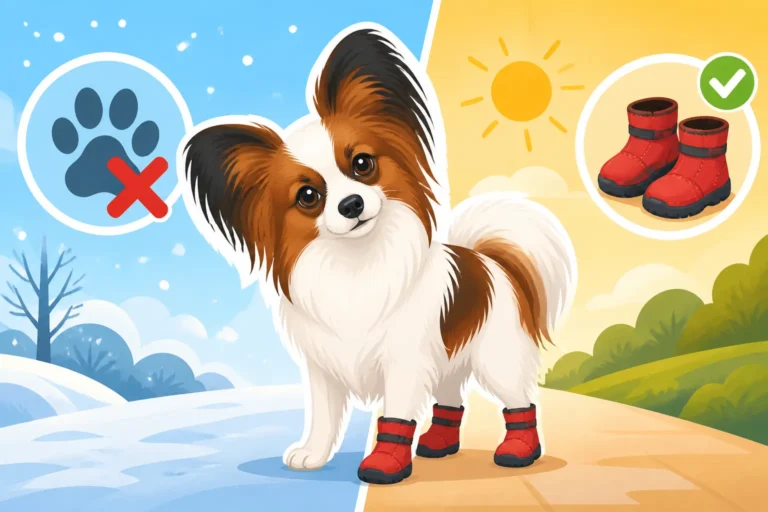
Invest in a truly comfortable, orthopedic dog bed. These beds are designed to support aging joints and provide cushioning that can alleviate pressure points. Many senior Papillons love beds with bolstered sides, which offer a sense of security and a place to rest their heads. Place their bed in a cozy, quiet corner away from drafts, but still within the family's presence. In colder months, a warm sweater or dog coat can be beneficial, especially for outdoor walks. In summer, ensure they have access to cool, shaded areas and plenty of fresh water to prevent overheating. A cooling mat can be a wonderful addition if they tend to get hot. It's about providing them with options and respecting their comfort preferences. Whether an Old Papillon Feels the Cold explores this more thoroughly.
Grooming for an Older Papillon
Grooming, which for Papillons involves managing their beautiful, flowing coats, needs some adjustments as they age. What was once a relatively quick brush-through might become a longer, more delicate process. Their skin can become thinner and more sensitive, and they might have less patience for prolonged handling, especially if they are experiencing aches and pains.
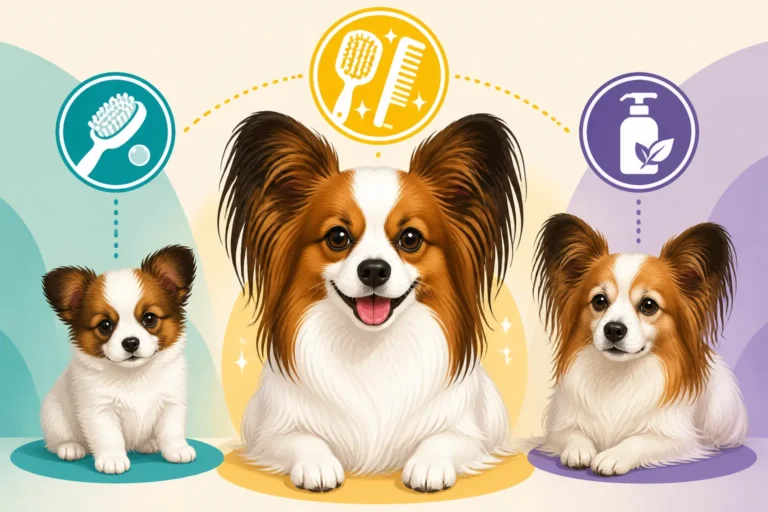
Use a soft brush and work gently, taking frequent breaks. Mats can still form, particularly behind the ears, in the armpits, and on their "culottes" (the feathering on their hind legs), so regular, careful brushing is still important to prevent painful tangles. If your Papillon is struggling with standing for long periods, try grooming them while they are lying down or propped comfortably on a cushion. Nail trims are more important than ever to ensure good traction and prevent discomfort, but their quicks might be harder to see. If you're unsure, a professional groomer or vet tech can help. Bathing should still be done as needed, using a gentle, moisturizing shampoo. Be sure to dry them thoroughly, as damp fur can lead to skin irritation or make them feel chilled. It's all about making the grooming experience as stress-free and comfortable as possible for your beloved senior Papillon.
Disclaimer
This article is for general informational purposes only and does not constitute professional advice. Laws, prices and regulations vary by location and change over time. Consult a qualified professional for guidance on your specific situation.