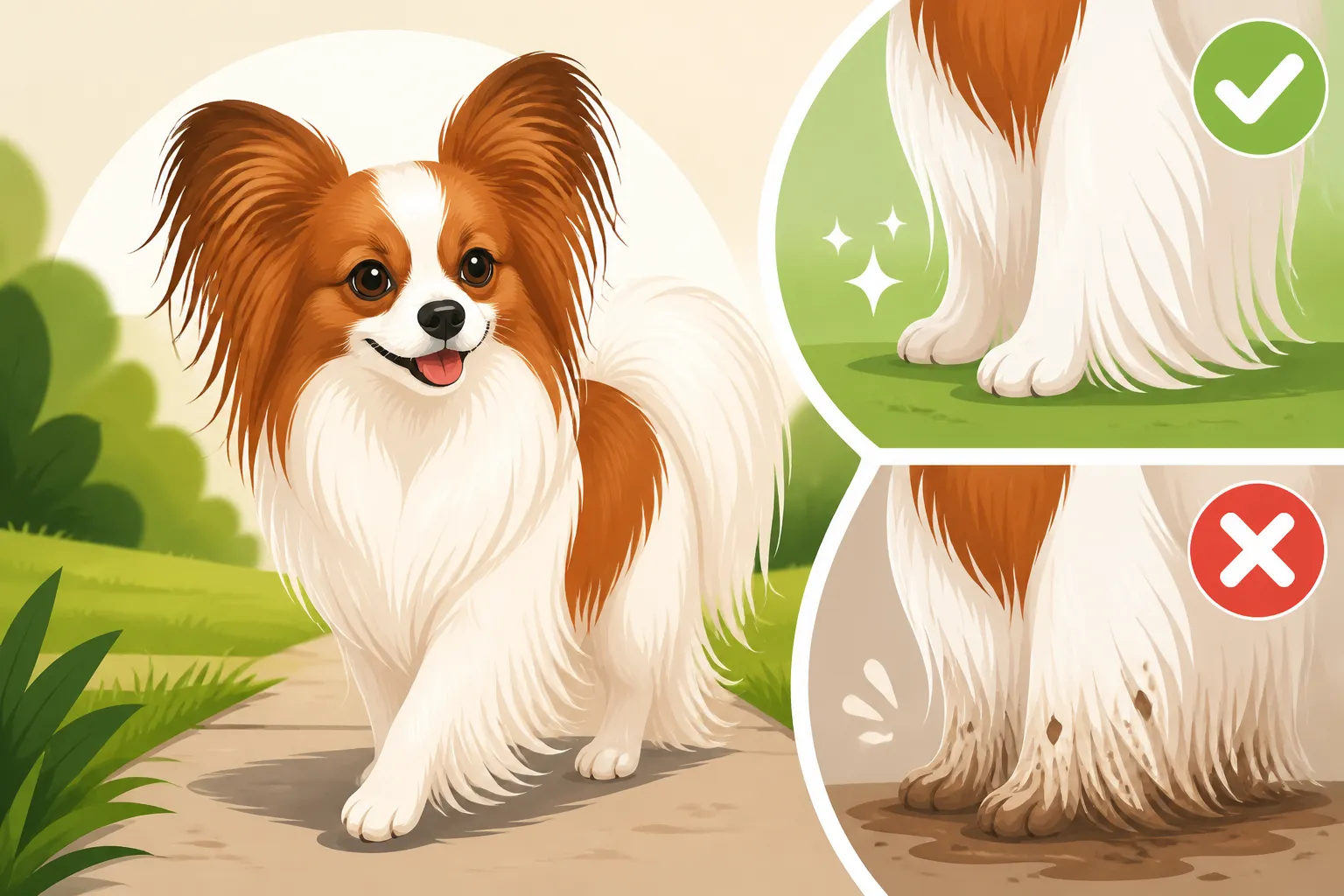
Keeping a Papillon’s Feathering Off the Ground
Anyone who shares their life with a Papillon quickly learns that while their flowing, luxurious feathering is absolutely stunning to behold, it's also a magnet for everything the ground has to offer. Mud, burrs, dust bunnies, stray bits of kibble – you name it, it seems to find its way into those delicate fringes, turning your elegant butterfly dog into a walking dust mop. This guide is here to walk you through practical, empathetic strategies to protect your Papillon's beautiful coat from the daily grime and wear, ensuring they stay clean, comfortable, and looking their best without you having to constantly chase them with a brush.
The Unique Challenge of the Papillon's Feathering
The Papillon's coat is undeniably one of its most defining and beautiful features, giving the breed that ethereal, dainty appearance we all adore. But beneath that beauty lies a practical reality: it requires diligent care, especially when it comes to keeping those long, silky strands from dragging on the ground and collecting everything in their path. It’s not just about aesthetics; a clean, well-maintained coat is crucial for your Papillon’s comfort and overall health.
The Silky, Single Coat: Why It Gets Dirty Easily
Unlike many double-coated breeds with a dense, insulating undercoat, the Papillon possesses a single, silky coat. This means there's no fuzzy buffer layer to catch debris before it reaches the skin or to provide extra body to keep the outer coat elevated. Instead, the long, fine guard hairs drape and flow, especially around the ears, chest, legs, and tail, creating those iconic fringes, culottes, and plumes. This texture, while beautiful, is incredibly efficient at picking up dirt, dust, leaves, and moisture from the ground. Think of it like a natural broom, sweeping up whatever it touches. If your Papillon takes a tumble in a puddle or decides to investigate a particularly interesting patch of damp grass, you'll see just how quickly that pristine white or sable fringe transforms.
Identifying High-Contact Areas: Where the Ground Claims Its Toll
When you live with a Papillon, you quickly learn which parts of their magnificent coat are most vulnerable to the ground's embrace. The most obvious culprits are the ear fringes, which can sweep the floor as they move, especially if they’re long and luxuriant. Then there are the "culottes" – the long feathering on the back of their thighs – and the belly fringe, both of which are constantly brushing against surfaces when your dog sits, lies down, or walks through anything but perfectly manicured, dry indoor carpet. The feathering on the forelegs and the magnificent tail plume, carried high over their back, can also get surprisingly mucky if your Papillon decides to sit in something undesirable. It's a constant battle, and it often feels like you're playing defense against the entire outdoors. This understanding of where the coat makes contact is the first step in creating a targeted care routine.
The Difference Between Grooming for Show and for Life
Many Papillon owners might see images of perfectly coiffed show dogs and feel overwhelmed, wondering how they could possibly achieve such immaculate coats in their everyday home. It's important to remember that grooming for the show ring often involves extensive wrapping, specialized products, and a level of daily dedication that isn't always practical or necessary for a beloved pet. For the average Papillon living its best life, which includes romping in the yard, going on walks, and cuddling on the sofa, our goal is different. We're aiming for comfort, hygiene, and manageability, not necessarily perfection. While we want to preserve that beautiful, flowing look, a slight trim in strategic areas for hygiene, or a practical approach to outdoor adventures, might be more beneficial for a pet Papillon than adhering strictly to show ring standards. Our focus is on making their life, and yours, easier and cleaner.
Daily Routines to Keep Feathering Pristine
Regular, consistent grooming is your absolute best friend when it comes to keeping your Papillon's feathering off the ground and free from tangles, mats, and general grime. It doesn't have to be a monumental task every single day, but a little bit of daily attention goes a long way in preventing bigger problems down the line. Think of it as preventative maintenance for their luxurious coat.
The Right Tools for the Job: Brushes and Combs
Having the correct tools on hand makes all the difference. You don't need a professional groomer's toolkit, but a few key items are essential. Firstly, a good quality pin brush is invaluable for gently working through the longer fringes without pulling or damaging the delicate hair. Look for one with smooth, rounded pins to protect their skin. Secondly, a metal greyhound comb with both wide and fine teeth will become your go-to for detangling any knots you encounter and for reaching down to the skin, especially in those dense feathering areas like the culottes and tail plume. Finally, a slicker brush, while effective, needs to be used with extreme care on a Papillon's single coat, as it can be too harsh and cause breakage if not used lightly. Many owners find a pin brush and comb sufficient. You might also find a good detangling spray helpful, especially if your Papillon is prone to static or minor tangles after sleeping. Investing in quality tools from a retailer like Amazon or Chewy means they’ll last longer and be more effective.
Daily Brushing Techniques for Long Fringes
The key to daily brushing is gentleness and consistency. Focus on the areas most prone to matting and ground contact: the ear fringes, the hair behind the front legs (their "armpits"), the culottes, the belly fringe, and the tail. Instead of just brushing over the top, you need to work in layers. Start at the ends of the hair and gently work your way up to the skin, holding the hair at the base with one hand to prevent pulling on their delicate skin. This technique, often called "line brushing," ensures you're addressing any tangles from the tips all the way through. For the ear fringes, try to brush them out to the sides, away from the face, to keep them clean and prevent tangles with the neck hair. How Often a Papillon Needs Brushing is often debated, but for dogs with full feathering that is frequently in contact with the ground, daily, or every other day, spot brushing is ideal.
Quick Checks After Outdoor Adventures
This is perhaps the most crucial daily habit for keeping that feathering off the ground and clean. Every single time your Papillon comes in from outside, especially after a romp in the yard, a walk in the park, or any venture onto damp or dirty terrain, perform a quick "pat down" and visual inspection. Run your fingers through their ear fringes, check the culottes, and quickly glance at their belly and paws. Look for any burrs, grass seeds, mud, or other debris that might have hitched a ride. A small piece of dried mud, if left in the feathering, can quickly become a hard knot, leading to pain and matting. Catching these invaders early means you can gently brush or pick them out before they embed themselves further or cause damage to the coat. A damp cloth kept by the door can be used to quickly wipe muddy paws and the lower fringes, preventing dirt from being tracked through your home and drying into the coat.
Strategic Trimming for Functionality and Cleanliness
While the Papillon is known for its flowing, untrimmed coat, there are specific areas where strategic trimming isn't just acceptable, it's highly recommended for hygiene, comfort, and, yes, keeping those fringes off the ground. This isn't about giving your Papillon a "haircut" in the traditional sense, but rather about thoughtful maintenance to enhance their quality of life.
Sanitary Trims: The Unsung Hero of Cleanliness
Let's be frank: the area around a Papillon's rear end, or "sanitary area," can quickly become a messy situation if the hair is left long. Fecal matter can easily get caught in the culottes and the hair around the anus, leading to uncomfortable irritation, odors, and an unhygienic environment for both your dog and your home. A sanitary trim involves carefully trimming the hair short around the anus and sometimes along the inner thighs and belly, making it much easier for your Papillon to keep clean after doing their business. This isn't a job to be rushed; use blunt-nosed scissors or small, quiet clippers, and always have a second person gently hold your dog if you’re not confident. The goal is to create a clean, short patch that prevents accumulation, not to create a bald spot. This single act can dramatically reduce the amount of mess that might otherwise cling to their long feathering.
Foot and Paw Pad Trimming: Preventing Slips and Snowballs
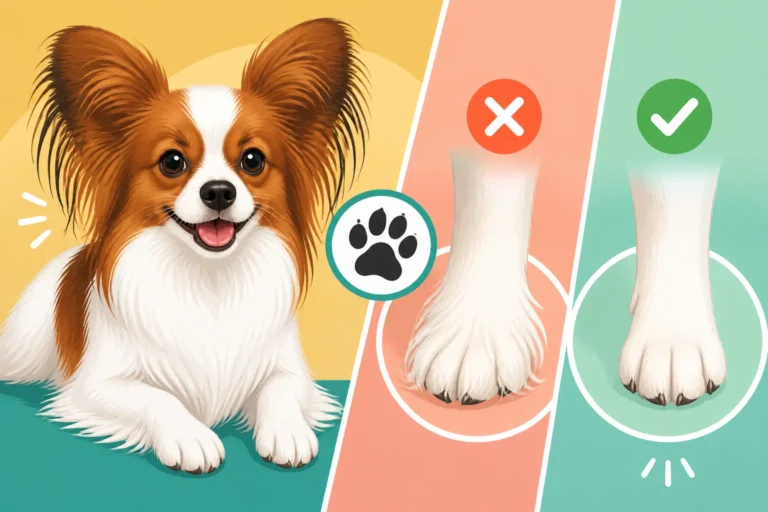
The hair that grows between a Papillon's paw pads and around their feet is another prime candidate for trimming. While it doesn't always touch the ground directly, overly long hair here can present several problems. Firstly, it reduces traction on smooth surfaces, making your Papillon more prone to slipping and potentially injuring their delicate joints, especially their knees. Why a Papillon's Kneecap Slips Out can be exacerbated by insecure footing. Secondly, this hair can trap dirt, debris, tiny pebbles, and even burrs, which can be irritating and painful. In winter, snow and ice can accumulate between the pads, forming painful "snowballs." Trimming this hair flush with the paw pads using blunt-nosed scissors or small clippers helps provide better grip and prevents foreign objects from getting stuck. You'll also want to trim the hair that extends beyond the paw pads, giving their feet a neat, "hare-foot" appearance. This tidies up the look and keeps those fluffy feet from sweeping the ground.
Considering Other Trimming Areas: Belly and Hocks
Beyond the sanitary area and feet, some Papillon owners opt for minimal trimming in other areas for practical reasons. The feathering along the belly, for instance, can get particularly long and dense, often dragging on the ground, especially in shorter individuals or when they're squatting to potty. A slight trim to the length of this belly fringe can significantly reduce the amount of wetness and dirt it picks up. Similarly, the long hair on the hocks (the rear ankle joint) can sometimes sweep the ground. A very subtle trim here can also help. It's about finding a balance between preserving the breed's beautiful appearance and ensuring your individual dog is comfortable and clean in their daily life. Remember, Whether a Papillon Should Be Trimmed is a personal choice that often balances aesthetics with practical daily care.
Bathing and Drying for Maximum Feathering Health
Bathing a Papillon isn't just about getting them clean; it's about maintaining the health and integrity of their unique coat. The right bathing and drying techniques are crucial to prevent matting, breakage, and skin irritation, especially when you're trying to keep those flowing fringes pristine. It's a process that, when done correctly, reinforces the natural beauty and manageability of their feathering.
Pre-Bath Prep: Detangling and Protecting the Coat
Before a single drop of water touches your Papillon, you absolutely must thoroughly brush and comb out their entire coat. This step is non-negotiable. Any existing tangles or mats will only tighten and become exponentially worse when wet, making them incredibly difficult, if not impossible, to remove without damaging the hair or causing pain to your dog. Use your pin brush and metal comb to meticulously work through every inch of feathering, paying extra attention to the ears, culottes, and armpits where mats love to hide. If you encounter a stubborn mat, apply a detangling spray or a small amount of conditioner and gently tease it apart with your fingers before using the comb. Remember, patience is key here. Once the coat is completely free of tangles, you might consider placing cotton balls gently in your Papillon's ears to prevent water from entering the ear canal, which can lead to infections.
Gentle Washing Techniques: Getting the Ground Out
When it's time to wash, use a mild, pH-balanced dog shampoo, preferably one designed for long, silky coats. Avoid harsh chemicals or anything that might strip the natural oils from their delicate hair. Dilute the shampoo slightly with water in a separate container; this helps distribute it evenly and makes rinsing easier. Lather gently, focusing on areas that typically gather the most grime, such as the lower legs, belly, and culottes. Instead of vigorous scrubbing, which can create tangles, use a downward stroking motion, working the shampoo through the feathering. Be meticulous about rinsing! Residual shampoo can irritate the skin and dull the coat. Rinse until the water runs completely clear and you can't feel any slickness on the hair. This often takes longer than you think, especially in the thick feathering. For those particularly dirty fringes, a double shampoo might be necessary, but always follow up with a good quality canine conditioner to help detangle and protect the hair.
The Importance of Thorough Drying: Preventing Mats and Mildew
Perhaps even more important than the wash itself is the drying process. Simply letting a Papillon's long coat air dry is an open invitation for mats to form, and it can also encourage mildew growth in damp areas, leading to skin issues and a musty smell. After rinsing, gently squeeze excess water from the coat, then blot – don't rub – with a soft, absorbent towel. Once towel-dried, you'll want to use a low-heat, forced-air dog dryer or even your hairdryer on a cool or low setting. While drying, continuously brush the coat with your pin brush, working in sections. This helps straighten the hair, prevents mats, and encourages that beautiful flow. Make sure every single strand, especially in the thickest feathering, is completely dry to the root. If you leave any dampness, you risk not only mats but also a chill, which is particularly important for small breeds like the Papillon. How Long a Papillon Takes to Dry can be significant, so set aside ample time for this step.
Managing the Environment to Protect the Coat
Even with the most diligent grooming routine, your Papillon's magnificent coat is still at the mercy of their environment. Taking a proactive approach to managing their surroundings, both indoors and out, can significantly reduce the amount of dirt and debris their feathering picks up. It's about creating a lifestyle and a living space that works with their long coat, not against it.
Home Modifications: Floors, Ramps, and Furniture
Think about the surfaces your Papillon spends most of their time on. Hardwood or tile floors, while easy to clean for humans, can be slippery for small dogs, potentially contributing to joint strain. More relevant to coat care, they also tend to show every speck of dust and hair, which then readily adheres to damp or static-prone feathering. Consider strategically placed rugs or runners in high-traffic areas where your Papillon walks or lounges to minimize floor contact. Furthermore, Papillons love to be up on the furniture with their humans, but jumping on and off sofas and beds repeatedly can put significant stress on their knees. Whether a Papillon Should Be Stopped From Jumping Off Furniture is a real concern. Investing in dog-friendly ramps or steps for furniture can not only protect their joints but also keep their belly and culottes from scraping the floor as they jump down, potentially picking up floor dust. Regular vacuuming and sweeping are also paramount to keep airborne dust and pet hair from settling into their coats.
Outdoor Strategies: Avoiding Mud, Puddles, and Debris
The great outdoors is a treasure trove of coat-collecting hazards. Mud, puddles, wet grass, fallen leaves, burrs, stickers, and even loose dirt are all eager to cling to those beautiful fringes. While it's important for your Papillon to enjoy their outdoor time, you can implement strategies to minimize exposure. When walking, try to steer them clear of obvious mud patches or standing water. If your yard tends to get boggy in certain spots, consider laying down gravel paths or wood chips in those areas. After rain, allow the grass to dry somewhat before letting them out for extended periods. For areas with lots of burrs or thorny bushes, either fence off the area or train your Papillon to avoid it. Carrying a small towel or a damp cloth on walks can be a lifesaver for quick clean-ups before they track everything back inside. Proactive avoidance is always easier than reactive cleaning.
Protective Gear: When a Coat or Boots Are More Than Fashion
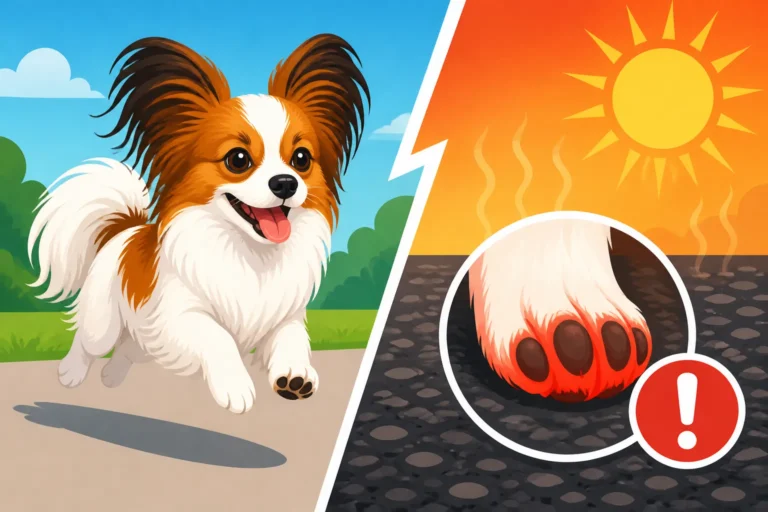
Sometimes, the best offense is a good defense. For particularly wet or muddy conditions, or when walking through areas with lots of seeds and burrs, protective gear can be incredibly effective. A lightweight dog coat or rain slicker designed to cover their back and upper body can shield a significant portion of their top coat, reducing the amount of moisture and debris it collects. Ensure it fits well and doesn't restrict movement. For their delicate paws and the hair between their pads, dog boots can be a game-changer. While some dogs take time to adjust to wearing them, boots protect against sharp objects, hot pavement, cold snow, and, most importantly for this topic, mud and burrs. This prevents the hair between their pads from matting with grime and keeps their lower leg feathering cleaner. Think of these items not as fashion statements, but as practical tools in your arsenal for keeping your Papillon's feathering pristine and off the ground, especially when you consider A Papillon in Summer and Winter.
Nutritional Support for a Resilient Coat
It's easy to focus on external grooming practices when thinking about keeping your Papillon's coat healthy and off the ground. However, what goes into your dog's body is just as important as what you do to their coat. A well-nourished Papillon is more likely to have a strong, resilient coat that resists breakage, mats less easily, and generally looks its best. This means less shedding, less static, and ultimately, an easier time keeping those beautiful fringes clean.
The Link Between Diet and Coat Quality
A Papillon's coat is, fundamentally, made of protein. If their diet lacks sufficient high-quality protein, their hair can become brittle, dull, and prone to breakage. This weakened hair is more susceptible to tangling, matting, and attracting static cling, which makes it a magnet for ground debris. A diet rich in easily digestible proteins (like those found in good quality chicken, fish, or beef) provides the building blocks for healthy hair growth. Beyond protein, a balanced diet provides the necessary vitamins and minerals that support overall skin health, which directly impacts the quality of the hair follicle. If the skin is unhealthy or dry, the hair it produces will also suffer. Choosing a high-quality dog food, such as options available from Ollie or through a trusted pet supplier on Chewy, is the foundational step.
Essential Fatty Acids and Skin Health
When we talk about a shiny, healthy coat, we often hear about "essential fatty acids," and for good reason. Omega-3 and Omega-6 fatty acids are crucial for maintaining healthy skin and a lustrous coat. Omega-3s, often found in fish oils (like salmon oil) and flaxseed, are particularly important for reducing inflammation and promoting a soft, supple coat. They help maintain the skin's natural barrier, preventing dryness and flakiness, which can lead to dull hair. Omega-6s, commonly found in poultry fat and various vegetable oils, contribute to skin and coat strength. When your Papillon's skin is healthy and moisturized from within, their coat will be smoother, less prone to static, and naturally more resistant to tangles and debris. Many premium dog foods include these, but sometimes a veterinarian-approved supplement can make a noticeable difference in coat quality, especially for a breed like the Papillon with such delicate hair.
Hydration for a Healthy Sheen
Often overlooked but incredibly vital for coat health is adequate hydration. Just like our own hair and skin, a dog's coat relies on sufficient water intake to maintain its integrity and elasticity. A dehydrated dog's coat will appear dry, brittle, and lifeless, making it much more susceptible to damage and matting. Ensure your Papillon always has access to fresh, clean water. You might even consider offering water in different bowls or adding a splash of bone broth to their food to encourage drinking. While it might seem like a small detail, proper hydration contributes significantly to the overall health and resilience of their hair, helping it maintain its natural sheen and making it less likely to attract and hold onto ground-level debris. A well-hydrated coat is a more resilient coat, making your grooming efforts far more effective.
When Professional Grooming Becomes Necessary
While consistent home care is the backbone of maintaining your Papillon's long feathering, there are times when even the most dedicated owner needs to call in the cavalry. Professional groomers possess specialized skills, tools, and experience that can address challenges beyond the scope of routine home maintenance. Knowing when to seek their expertise can save your Papillon from discomfort and prevent bigger, more costly problems down the line.
Recognizing When You're Outmatched
Let's be honest, life happens. Despite your best efforts, you might find yourself facing a mat that's simply too big, too tight, or too close to the skin to safely remove at home. Perhaps your Papillon decided to roll in something truly offensive, or their coat has become overwhelmingly matted in hard-to-reach areas like the armpits or behind the ears, Where a Papillon Mats. These situations can be incredibly stressful for both you and your dog, and attempting to force out a severe mat can cause pain, skin irritation, or even injury. Another sign it's time for professional help is if your Papillon develops persistent skin issues under their coat, which can sometimes be masked by long hair. If you're feeling overwhelmed, frustrated, or notice your dog becoming stressed during grooming attempts, it’s a clear signal to step back and seek a professional.
What a Professional Groomer Can Do
A skilled professional groomer can perform a range of services specifically beneficial for a Papillon's coat. They have high-velocity dryers that can efficiently and safely dry even the densest feathering without causing mats, something difficult to replicate at home. They have specialized tools for safely dematting severe tangles, often with less stress to your dog. They can also provide expert sanitary trims, precisely trim paw pads and hocks, and safely address any minor trimming needs you might have discussed for practicality, without compromising the breed's elegant outline. Beyond the practical aspects, a professional groomer can offer advice on maintaining your Papillon's coat between visits, recommending specific products or techniques tailored to your dog's individual coat type and lifestyle. Their objective eye can also spot potential skin issues or ear problems that you might miss.
Finding a Groomer Experienced with Papillons
Not all groomers are created equal, especially when it comes to a breed with a delicate, flowing coat like the Papillon. When searching for a professional, look for someone with specific experience with toy breeds or long-haired dogs. Ask prospective groomers about their experience with Papillons or similar breeds. Inquire about their dematting philosophy – a good groomer will prioritize your dog's comfort and safety over trying to "save" a severely matted coat, often recommending a humane shave-down if necessary. Ask about the products they use and their drying methods. Word-of-mouth referrals from other Papillon owners in your area can be invaluable. Don't hesitate to visit the salon, observe the environment, and ask for a tour. Establishing a good relationship with a knowledgeable groomer can be a huge asset in keeping your Papillon's feathering in top condition throughout their long life.
Here's a quick comparison of home care vs. professional grooming benefits:
| Feature | Home Grooming | Professional Grooming |
|---|---|---|
| Frequency | Daily/Weekly maintenance | Monthly/Quarterly full-service washes and trims |
| Cost | Low (initial tool investment) | Moderate (per visit, varies by location) |
| Convenience | On-demand, in your home | Scheduled appointments, travel required |
| Tools | Basic brushes, combs, blunt scissors | Specialized dryers, clippers, dematting tools |
| Skill Level | Learned with practice | Expert knowledge of coat types and techniques |
| Benefits | Bonding, early detection of issues, immediate clean | Thorough deep cleaning, mat removal, expert trims |
| Limitations | Difficult severe mats, intricate trims, specialized equipment | Can be stressful for some dogs, requires planning |
Disclaimer
This article is for general informational purposes only and does not constitute professional advice. Laws, prices and regulations vary by location and change over time. Consult a qualified professional for guidance on your specific situation.