When a Papillon Sheds Most
It's a common misconception that Papillons, with their delicate, silky single coats, don't shed much. Many new owners are often surprised to discover that while they don't "blow coat" like a double-coated breed, our beautiful butterfly-eared companions definitely shed. If you've been sweeping up little wisps of fine hair and wondering if it's normal, you're in the right place. This guide will help you understand your Papillon's shedding cycles, what influences them, and how to keep your home as hair-free as possible.
The Papillon Coat: Understanding Its Unique Structure and Why It Sheds
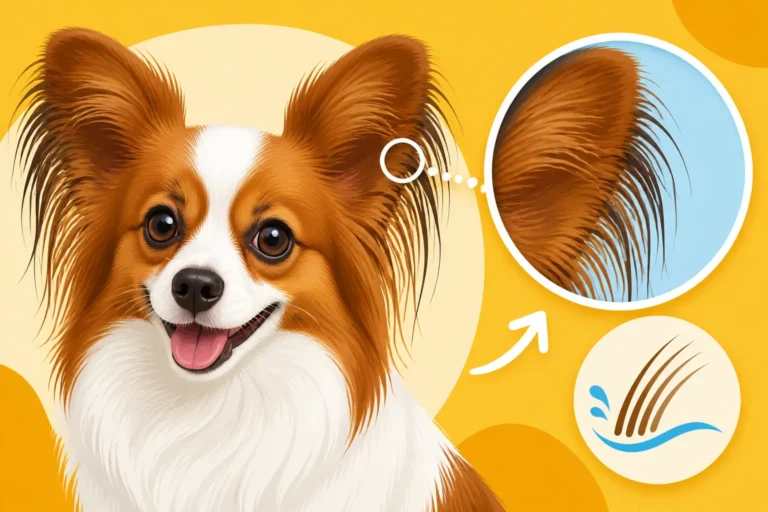
First, let's talk about what makes a Papillon's coat so special. Unlike many breeds that have a dense, woolly undercoat to keep them warm, Papillons have what's known as a single coat. This means they primarily have guard hairs, which are longer, silkier, and lie close to the body. This is why their coats feel so soft and flowy, rather than thick and plush. A Papillon's Coat Is All Fringe and No Undercoat delves into this in more detail.
Because they lack that heavy undercoat, Papillons don't experience the massive, twice-a-year "coat blow" that you'd see in a Husky or a Golden Retriever. Instead, their shedding tends to be more gradual and consistent throughout the year. It's more like human hair loss, where strands are constantly being replaced, rather than a seasonal explosion. This can be a relief for allergy sufferers, though it's important to note that no dog is truly hypoallergenic, and even single-coated breeds still produce dander.
The primary function of a Papillon's coat is protection from the elements, but also to regulate body temperature. Each hair follicle goes through a growth cycle: anagen (active growth), catagen (transitional), and telogen (resting). When a hair reaches the end of its telogen phase, it falls out to make way for new growth. This is a perfectly natural process and a sign of a healthy coat. The length of these phases can vary, and that's what influences when you might notice more or less shedding.
Why a Papillon's Single Coat Still Sheds
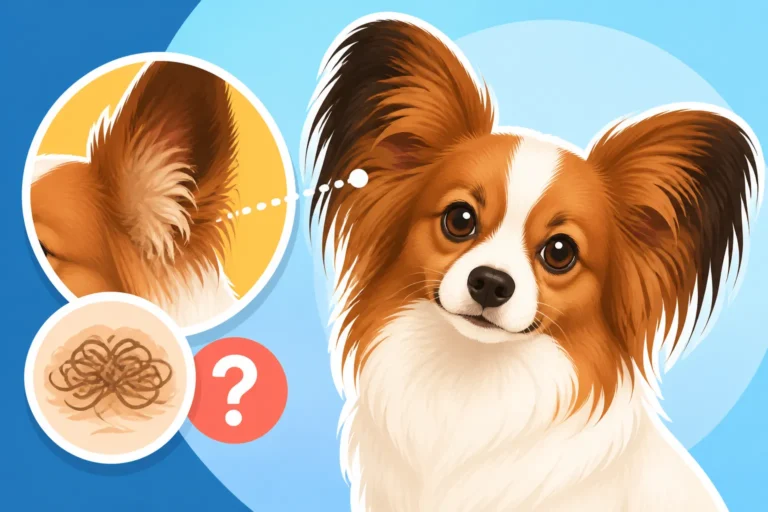
Even without an undercoat, a Papillon's hair still has a lifespan. Each individual strand will grow, mature, and eventually fall out to be replaced by a new one. This continuous turnover means you'll always find some hair around the house. It's usually fine, wispy, and tends to float, making it appear less substantial than the coarse hair of other breeds. You might see it collect in corners or on furniture, rather than coming off in clumps.
The fine texture of a Papillon's hair also means it can sometimes get caught in the other existing hair before it falls completely free. This is why regular brushing is so important – it helps to remove those loose hairs before they have a chance to drift onto your sofa or stick to your clothes. Without a good brush, these dead hairs can also contribute to tangles and mats, especially in their beautiful fringes.
Understanding that shedding is a normal part of the Papillon's coat health can help manage expectations. It's not a sign of poor health unless it's excessive or accompanied by other symptoms. Instead, it's just the natural rhythm of their beautiful, flowing locks. A well-cared-for Papillon will still shed, but consistent grooming can keep it from becoming overwhelming.
Seasonal Shedding: The "Blow" and Other Expected Hair Loss Periods
While Papillons don't have a dramatic seasonal "blow," you absolutely will notice an increase in shedding during certain times of the year. This is often linked to changes in daylight hours and temperature, even for dogs that live primarily indoors. Their bodies are still subtly responding to the natural world.
Spring and Fall Increases
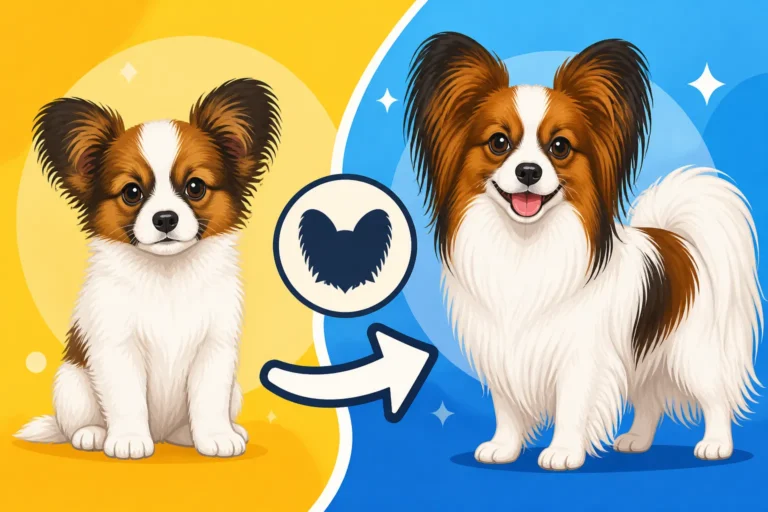
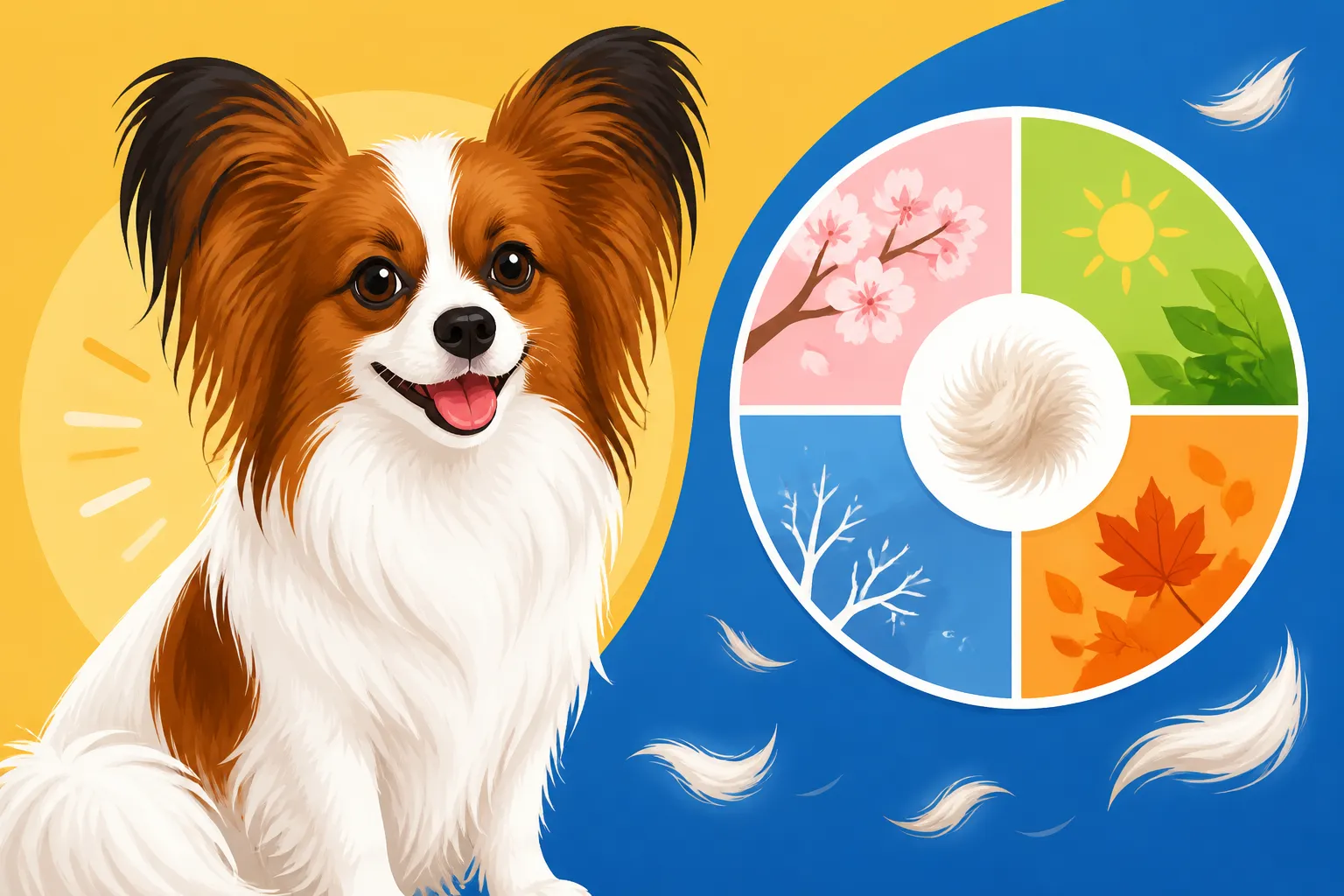
The most common times to see an uptick in Papillon shedding are spring and fall. In the spring, as the days lengthen and temperatures warm up, their bodies signal that it's time to lighten their coat for the warmer months ahead. You might notice more loose hair coming out with each brush stroke, and perhaps a slightly thinner feel to their coat overall. It’s not a complete strip, but definitely a noticeable increase from winter levels.
Conversely, in the fall, as the days shorten and the air cools, some Papillons will shed a bit more to make way for a slightly denser (though still single) coat that will offer more warmth for winter. This fall shed is often less pronounced than the spring one, but it's there. It's their body's way of adapting to the changing seasons, even if they spend most of their time cuddled on your lap indoors. This natural cycle means you might need to adjust your grooming routine during these periods.
Factors Affecting Seasonal Shedding Intensity
The intensity of seasonal shedding can vary greatly from one Papillon to another. Factors like their individual genetics, diet, and even where they live can play a role. A Papillon that spends more time outdoors might have a more pronounced seasonal shed compared to one that lives in a temperature-controlled indoor environment all year round. However, even indoor dogs are influenced by subtle shifts in daylight.
Additionally, individual Papillons can just have different coat types. Some have silkier, finer hair, while others might have a slightly thicker or coarser texture. These variations can influence how much hair they drop. It's something you'll get to know about your own dog over time. You might notice that after a good brushing session, particularly in spring or fall, your home seems miraculously cleaner for a day or two. How Often a Papillon Needs Brushing is a great resource to optimize your routine.
| Season | Expected Shedding Level | Key Triggers | Grooming Implications |
|---|---|---|---|
| Winter | Low to Moderate | Shorter days, colder temps | Regular brushing, less frequent intense grooming |
| Spring | Moderate to High | Longer days, warming temps | Increased brushing frequency, de-shedding tools |
| Summer | Low to Moderate | Longer days, warmer temps | Regular brushing, protective measures for coat |
| Fall | Moderate | Shorter days, cooling temps | Slightly increased brushing, preparing for winter |
Beyond the Calendar: Other Factors That Influence Your Papillon's Shedding
While seasonal changes are a big driver, there are several other elements that can impact how much and when your Papillon sheds. These can range from internal bodily processes to external environmental stressors. Being aware of these can help you better understand and manage your dog's coat health.
Hormonal Changes and Spaying/Neutering
Hormonal fluctuations can have a significant effect on a Papillon's coat. For intact females, you might notice an increase in shedding around their heat cycles or after a litter of puppies, if they've had one. The drastic hormonal shifts during these times can cause a temporary loosening of hair follicles, leading to more shedding. It's similar to how human women sometimes experience hair changes during pregnancy or postpartum.
When a Papillon is spayed or neutered, their hormonal balance changes permanently. This can sometimes lead to an initial increase in shedding or even a slight change in coat texture. For some, the coat might become a bit thicker or softer. While the initial shedding might be temporary, the long-term changes to the coat can be subtle but noticeable. It's a common observation among many dog owners that neutering affects the coat. Whether a Spayed Papillon's Coat Changes goes into this in more detail.
If you observe sudden, excessive shedding unrelated to seasonal changes or a known hormonal event, it's always a good idea to consult your veterinarian. While some shedding is normal, extreme hair loss could indicate an underlying health issue that needs attention.
Diet, Health, and Stress
What your Papillon eats directly impacts the health of their skin and coat. A diet lacking in essential fatty acids (like Omega-3 and Omega-6) or vital nutrients can result in a dull, dry coat that sheds more frequently or excessively. Think of it like a poor diet affecting your own hair and skin – it's no different for our furry friends. High-quality dog food, whether kibble, wet food, or a fresh food option like what Ollie offers, often leads to a healthier, shinier coat and can reduce non-seasonal shedding. You can often find a good selection of high-quality foods on Chewy.
Underlying health conditions can also manifest as increased shedding. Skin allergies, parasites (like fleas or mites), fungal infections, or even more serious internal issues like thyroid problems can all cause a Papillon to lose more hair than usual. If shedding is accompanied by itching, redness, bald patches, or changes in skin texture, a vet visit is definitely in order. They can diagnose the problem and recommend appropriate treatment.
Stress and anxiety can also play a role. Just like humans can lose hair due to stress, dogs can too. A sudden change in environment, a new pet in the house, or even separation anxiety can lead to increased shedding. It's the body's physical response to emotional distress. Creating a calm, consistent environment can help alleviate stress-induced shedding.
Practical Strategies for Managing Papillon Shedding Effectively
Knowing when your Papillon sheds is only half the battle; the other half is knowing how to manage it. Thankfully, there are several effective strategies you can employ to keep the shedding in check and maintain your Papillon's beautiful coat. Consistency is truly key here.
Regular Brushing is Your Best Friend
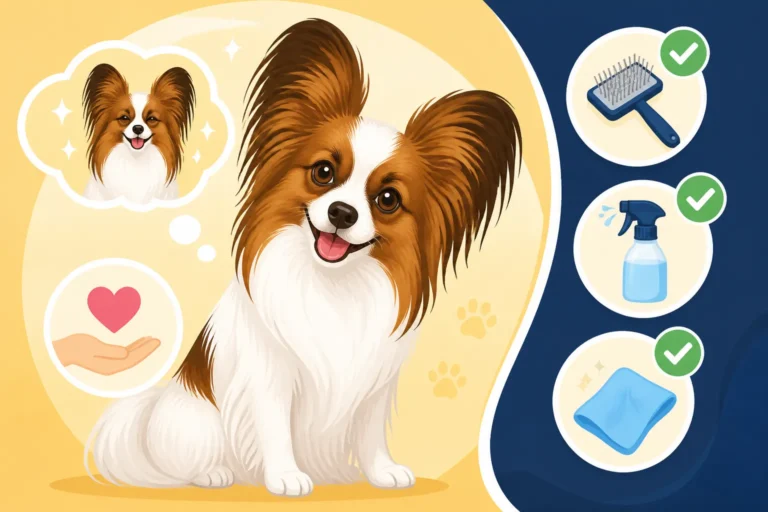
This cannot be stressed enough: consistent, regular brushing is the single most effective way to manage Papillon shedding. Aim for at least 3-4 times a week, and ideally daily, especially during peak shedding seasons like spring. Brushing helps remove loose, dead hair from the coat before it has a chance to fall out onto your furniture and floors. It also distributes natural oils, keeping the coat healthy and shiny, and prevents mats and tangles from forming in their long fringes.
For Papillons, a good quality pin brush and a metal comb are essential tools. The pin brush helps to gently work through the longer coat without pulling, while the comb can be used to carefully de-tangle any knots and reach down to the skin to ensure all loose hair is removed. Which Brush a Papillon Needs provides excellent guidance on selecting the right tools. When brushing, always be gentle, especially around their delicate ear fringes and tail plume.
Bathing and Coat Condition
Regular bathing, typically every 3-4 weeks or as needed, also helps to loosen and remove dead hair. A good bath followed by a thorough blow-dry (on a cool setting) can work wonders in releasing those shedding hairs. Make sure to use a dog-specific shampoo and conditioner to keep their skin and coat moisturized and healthy. Avoid over-bathing, as this can strip natural oils and dry out the skin, potentially leading to more shedding.
After bathing, brush your Papillon while their coat is still damp (but not soaking wet) and then again once it's completely dry. This two-step process helps to ensure all loose hairs are removed and that the coat dries smoothly and tangle-free. A good conditioner can also make the coat silkier and less prone to breakage, which can reduce the appearance of shedding.
Supporting Coat Health from Within
Beyond external grooming, what you put into your Papillon can greatly affect their coat quality. As mentioned, a high-quality diet is crucial. Look for dog foods that list a named meat source as the first ingredient and contain essential fatty acids. Supplements like fish oil (Omega-3s) can also significantly improve coat health, making it shinier and stronger, and potentially reducing excessive shedding. Always talk to your vet before adding any supplements to your dog's diet.
Keeping your Papillon well-hydrated is also important for skin and coat health. Ensure they always have access to fresh, clean water. A healthy, hydrated body is better equipped to maintain a healthy coat, which means less unhealthy shedding. You can find many reputable brands of dog food and supplements on platforms like Amazon or Chewy.
By understanding the unique nature of your Papillon's coat and implementing these consistent grooming and care strategies, you can minimize shedding and keep your little butterfly-eared companion looking their absolute best, year-round.
Disclaimer
This article is for general informational purposes only and does not constitute professional advice. Laws, prices and regulations vary by location and change over time. Consult a qualified professional for guidance on your specific situation.