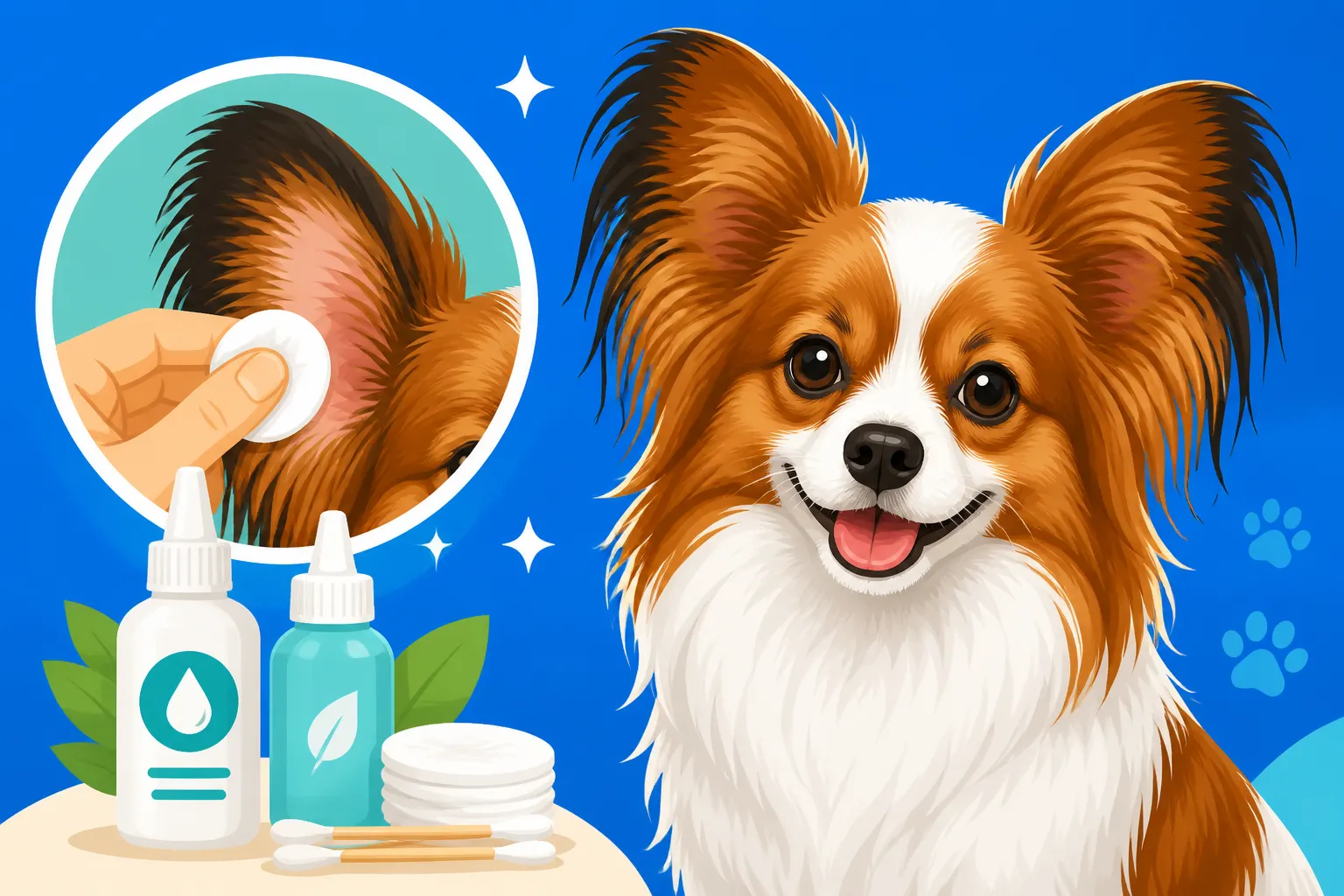
What to Clean a Papillon’s Ears With
Those beautiful, flowing Papillon ears are undeniably part of their charm, giving them that iconic butterfly look. But let's be honest, they're also magnificent magnets for dirt, dust, and general canine grime, leaving many of us wondering how on earth to keep them clean without causing a fuss. If you've ever felt overwhelmed by the prospect of tackling those delicate, fringed ears, you're in the right place. This guide is all about demystifying Papillon ear care, focusing on exactly what safe products to use and how to apply them to keep your little one's ears healthy and happy.
Why Papillon Ears Need Special Attention
Taking care of your Papillon's ears isn't just about aesthetics; it's a crucial part of their overall health. Unlike many breeds with shorter, less elaborate ear leather, Papillons have unique challenges due to their distinct ear structure.
The Delicate Nature of Papillon Ears
Just look at those ears! They're truly a marvel, those large, erect, and beautifully fringed ears that inspired their name, "Papillon" (French for butterfly). But beneath all that gorgeous hair lies a relatively thin and delicate ear flap, often with visible veins and fine skin. This isn't like the thick, leathery ears of some larger breeds. This delicate structure means they're more susceptible to accidental injury if handled roughly, and the skin can become irritated more easily.
Furthermore, the extensive feathering, known as the ear fringe, acts like a miniature broom, sweeping up all sorts of environmental debris. Dust, pollen, small bits of leaves, and even tiny insects can get tangled in that luxurious hair, making their way closer to the ear canal. It’s part of the trade-off for having such a regal appearance. Understanding The Ear Fringe That Gives the Papillon Its Name helps you appreciate both the beauty and the responsibility these ears entail.
Common Papillon Ear Issues
While Papillons generally have open ears, which allow for good airflow and tend to reduce the incidence of yeast and bacterial infections compared to drop-eared breeds, they aren't entirely immune to ear problems. The sheer volume of hair, especially the long fringe, can still contribute to issues.
For instance, wax buildup is a natural process for all dogs, but in Papillons, it can sometimes combine with trapped environmental debris, forming a stubborn mixture near the opening of the ear canal. This can be itchy and uncomfortable. More importantly, moisture can get trapped in the ear canal after baths, swimming, or even during humid weather, creating a warm, damp environment that's perfect for bacterial or yeast growth. If left unaddressed, this can quickly escalate into a painful infection. Knowing Whether a Papillon's Ear Hair Traps Moisture is key to understanding why vigilance is so important.
Choosing the Right Ear Cleaner for Your Papillon
This is where many owners get nervous, and rightly so! There's a lot of conflicting information out there, and you definitely don't want to use the wrong product on such a sensitive area. The golden rule is always to prioritize safety and efficacy.
The Importance of Vet-Approved Solutions
Let me be absolutely clear: never use anything in your Papillon's ears that isn't specifically formulated for dogs and, ideally, recommended by your veterinarian. This means no rubbing alcohol, no hydrogen peroxide, no human ear drops, and no home remedies like vinegar unless explicitly advised by a vet for a very specific reason. These substances can be incredibly irritating, painful, and even damaging to the delicate tissues in a dog's ear canal. Alcohol is drying and can sting, especially if there's any broken skin, while hydrogen peroxide can cause foaming that's alarming to your dog and can push debris further in or irritate the sensitive inner ear.
Your vet is your best resource. They can assess your Papillon's specific ear health, check for any underlying issues, and then recommend an ear cleaner that suits their individual needs. Some dogs might need a drying agent, others something to break down heavy wax, and some just a gentle maintenance cleaner. It's truly not a one-size-fits-all situation, and getting professional advice first can save you a lot of heartache and vet bills down the line.
Types of Canine Ear Cleaners
Once you've had that chat with your vet, you'll find there are several types of dog-specific ear cleaners available, each with slightly different properties. Here’s a breakdown of what you might encounter:
- Gentle, pH-balanced solutions: These are often used for routine maintenance in healthy ears. They're designed to mimic the natural pH of a dog's ear, minimizing irritation. Many will contain mild cleansers and sometimes soothing ingredients like aloe vera. These are fantastic for regular use when your Papillon's ears are generally healthy.
- Ceruminolytic (wax-dissolving) solutions: If your Papillon tends to get a lot of waxy buildup, your vet might recommend a cleaner with ingredients designed to break down ear wax. These can be very effective but should be used with care, as they might be too strong for routine use if wax isn't an issue.
- Antiseptic/Drying solutions: These often contain ingredients like boric acid, salicylic acid, or chlorhexidine. They are particularly useful for dogs prone to moisture-related issues or mild bacterial/yeast overgrowth. The antiseptic components help to inhibit microbial growth, while drying agents reduce moisture in the canal. These are often recommended if your Papillon frequently gets their ears wet or lives in a humid environment.
- Natural-based cleaners: Some products use ingredients like witch hazel or specific essential oils (again, ensure they're dog-safe and vet-approved). Witch hazel, for example, is a mild astringent that can help clean and dry without being overly harsh.
When looking for these products, reputable online retailers like Chewy or Amazon often carry a wide selection of vet-recommended brands. Just make sure to double-check that the product is indeed for canine use and matches what your vet advised. Ollie, for example, focuses on fresh dog food, so while they're great for nutrition, they aren't a source for ear cleaning solutions.
Tools for Gentle Cleaning
Beyond the liquid cleaner itself, the tools you use are just as important. For Papillons, gentleness is paramount.
- Cotton balls or large cotton pads: These are your best friends. They're soft, absorbent, and allow you to clean the visible parts of the ear effectively without risking injury. You can saturate a cotton ball with cleaner and gently wipe the inside of the ear flap and the crevices around the ear canal opening.
- Gauze squares: Similar to cotton balls, these can also be used for wiping the outer ear and the folds within the ear. They offer a bit more texture for picking up debris.
- Soft cloths: A clean, soft cloth can be useful for wiping down the outer ear leather and the glorious ear fringes, especially if they've gotten wet or dirty.
What you should absolutely avoid is just as important:
- Cotton swabs (Q-tips): While tempting for those tiny crevices, Q-tips are a big no-no for cleaning inside your dog's ear canal. You can accidentally push wax and debris further down into the canal, creating blockages or even rupturing the eardrum. Save Q-tips for cleaning the very outer, visible folds of the ear, never inserted into the canal itself.
Think of it this way: you want to clean what you can see, not try to probe into areas you can't.
| Cleaner Type | Primary Benefit | Best For | Key Considerations |
|---|---|---|---|
| Gentle, pH-balanced | Routine cleaning, soothing | Healthy ears, regular maintenance | Often contain aloe or mild cleansers. Vet recommendation still advised. |
| Ceruminolytic (Wax-Dissolving) | Breaks down heavy ear wax | Dogs with excessive wax buildup | Can be stronger, use only when needed or vet-prescribed. |
| Antiseptic/Drying | Inhibits microbes, reduces moisture | Ears prone to moisture or mild infections | Often contain boric acid, salicylic acid, or chlorhexidine. Crucial for dogs with Whether a Papillon Gets Ear Infections. |
| Natural-based | Gentle astringent, mild cleaning | Maintenance for sensitive ears | Examples: Witch hazel. Always check for dog-safe formulation. |
Step-by-Step Guide to Cleaning Your Papillon's Ears
Now that you know what to use, let's talk about the how. Remember, consistency and a gentle approach are key to making this a stress-free experience for both you and your Papillon.
Gathering Your Supplies and Setting the Scene
Before you even think about touching your Papillon's ear, get everything ready. You'll need your chosen ear cleaner, a generous supply of cotton balls or pads, a soft towel, and perhaps most importantly, a handful of high-value treats.
Choose a quiet, comfortable spot where your Papillon feels secure and where you have good lighting. Avoid loud noises or distractions. If your dog is new to ear cleaning or particularly sensitive, it might be helpful to have a second person gently hold them, offering reassurance and dispensing treats. The goal is to make this a positive, calm experience. It really helps if you started handling your Papillon's ears, feet, and mouth from a young age. If you haven't, you might find tips in Teaching a Papillon Puppy to Be Handled All Over useful for getting them accustomed to being touched.
The Cleaning Process – Outer Ear and Canal Opening
Alright, deep breath! Here’s how to proceed with the cleaning itself:
- Lift the Ear Flap: Gently lift your Papillon's ear flap, moving the beautiful fringe out of the way to expose the inner surface of the ear and the opening of the ear canal. Don't pull or yank; just gently hold it open.
- Apply the Cleaner: Depending on your vet's instructions and the product, you might apply a small amount of cleaner directly into the ear canal opening. If you do this, follow the bottle's instructions for quantity. Alternatively, and often preferable for nervous dogs or for milder cleaning, you can saturate a cotton ball with the cleaner.
- Massage the Ear Base: If you've put liquid into the ear, gently massage the base of your Papillon's ear for about 20-30 seconds. You should hear a squishy sound as the liquid moves around and helps loosen any wax or debris. This part often feels good to them, so it helps to make the process more pleasant.
- Wipe Gently: Take a fresh cotton ball or pad and gently wipe the visible parts of the ear – the inner surface of the ear flap, and the folds and crevices around the opening of the ear canal. You'll likely see some dirt and wax come off. Keep using fresh cotton balls until they come away clean. Remember the rule: only clean what you can see. Do not insert anything deep into the ear canal.
- Let Them Shake (Carefully): After massaging, your Papillon will likely want to shake their head vigorously. Let them! This helps dislodge loosened debris and move it out of the canal. You might want to step back or cover your face with the towel to avoid getting ear gunk on you. This is a natural and helpful part of the process.
During this process, keep a close eye on the discharge. Is it dark brown, yellowish, or does it have a foul odor? Is there any redness or swelling? These could be signs of an underlying issue that needs veterinary attention.
Drying and Rewarding
Drying is especially important for Papillons, given their long ear fringe and potential for moisture trapping.
- Thorough Drying: Use a clean, dry cotton ball or a corner of your soft towel to gently dry the inner ear flap and the opening of the ear canal. Make sure the fringes are also as dry as possible to prevent dampness from clinging. You want to leave the ear dry to the touch. This step is crucial to prevent further issues related to Whether a Papillon's Ear Hair Traps Moisture.
- Praise and Treat: As soon as you're done, offer enthusiastic praise and those high-value treats. You want your Papillon to associate ear cleaning with positive outcomes. A happy, wagging tail at the end of the process means you're doing it right!
When it comes to frequency, a good rule of thumb for routine maintenance is to clean your Papillon's ears every one to two weeks, or as directed by your veterinarian. If their ears seem particularly clean, you can probably stretch it a bit. However, if they get them wet often, or you live in a dusty environment, more frequent cleaning might be necessary. You can find more specific advice related to maintenance in How Often a Papillon's Ears Need Cleaning.
When to Seek Veterinary Advice
Sometimes, despite your best efforts at routine cleaning, ear problems can crop up. It's essential to know when to put down the ear cleaner and pick up the phone to call your vet.
Recognizing Signs of Infection or Other Issues
Your Papillon can't tell you if their ear hurts, so you need to be observant. If you notice any of the following signs, it's time for a professional check-up:
- Excessive Scratching or Head Shaking: While some head shaking after cleaning is normal, persistent scratching at the ears or constant head shaking is a red flag.
- Redness or Swelling: The skin inside the ear flap should be a healthy pale pink. If it looks red, inflamed, or swollen, something is wrong.
- Strong, Foul Odor: Healthy ears have a very faint, almost neutral smell. A strong, yeasty, or otherwise unpleasant odor is a clear sign of infection.
- Discharge: Any discharge that is not light brown wax – especially yellow, green, or black discharge – indicates a problem.
- Pain or Sensitivity: If your Papillon cries out, pulls away, or becomes aggressive when you try to touch their ears, they are likely in pain.
- Rubbing Ears on Furniture: If they are constantly rubbing their ears against carpets, furniture, or your leg, it's a sign of discomfort.
- Changes in Ear Position: Sometimes, a dog with an ear infection might hold one ear lower than the other, or cock their head repeatedly.
- Scabs or Sores: Look for any lesions, scabs, or hair loss around the ear.
Papillons are quite stoic and can be excellent at hiding discomfort, a trait common among many small breeds. What might seem like a minor issue could be causing them significant pain. It's vital to remember that How a Papillon Hides Pain means you need to pay close attention to subtle behavioral changes.
The Dangers of Self-Diagnosing and Treating
It's tempting to try and fix things yourself, especially when you want to avoid a vet visit. However, ear problems are notoriously tricky to diagnose accurately without specialized tools. What looks like simple wax buildup to you could actually be ear mites, a deep-seated bacterial infection, a fungal infection, or even a foreign body lodged deep in the canal.
Using the wrong treatment for a misdiagnosed problem can not only delay proper healing but can also make the condition worse. For example, if you use an antibacterial cleaner on a fungal infection, it won't work and could even create an environment where the fungus thrives. Similarly, if your dog has a ruptured eardrum (which can happen from a severe infection or improper cleaning), certain ear drops can be toxic to the inner ear and cause permanent damage, including deafness. Your veterinarian has the equipment to look deep into the ear canal, take samples for testing, and prescribe the appropriate medication, whether it's antibiotics, antifungals, or anti-inflammatories. Don't gamble with your Papillon's hearing and comfort; always consult a professional for anything beyond routine maintenance.
Disclaimer
This article is for general informational purposes only and does not constitute professional advice. Laws, prices and regulations vary by location and change over time. Consult a qualified professional for guidance on your specific situation.