How Often a Papillon Should Be Bathed
You love your Papillon's flowing coat, but keeping it pristine can feel like a never-ending battle, especially with those magnificent ear fringes and culottes that seem to attract every speck of dirt. Figuring out the "right" bathing schedule can be confusing, with so many opinions circulating. This guide will help you understand how often your Papillon truly needs a bath to keep them clean, comfortable, and healthy without overdoing it, preventing both grimy fur and dry, irritated skin.
How Often Should You Really Bathe Your Papillon?
The question of how often to bathe your Papillon is one that every owner grapples with. It's not a one-size-fits-all answer, as much as we'd wish for a simple calendar reminder! While Papillons don't have the dense undercoat of some breeds that can trap dirt and odors, their long, silky outer coat can still get quite soiled and tangled. Striking the right balance is crucial for both their hygiene and their skin health.
The General Guideline for Papillon Baths
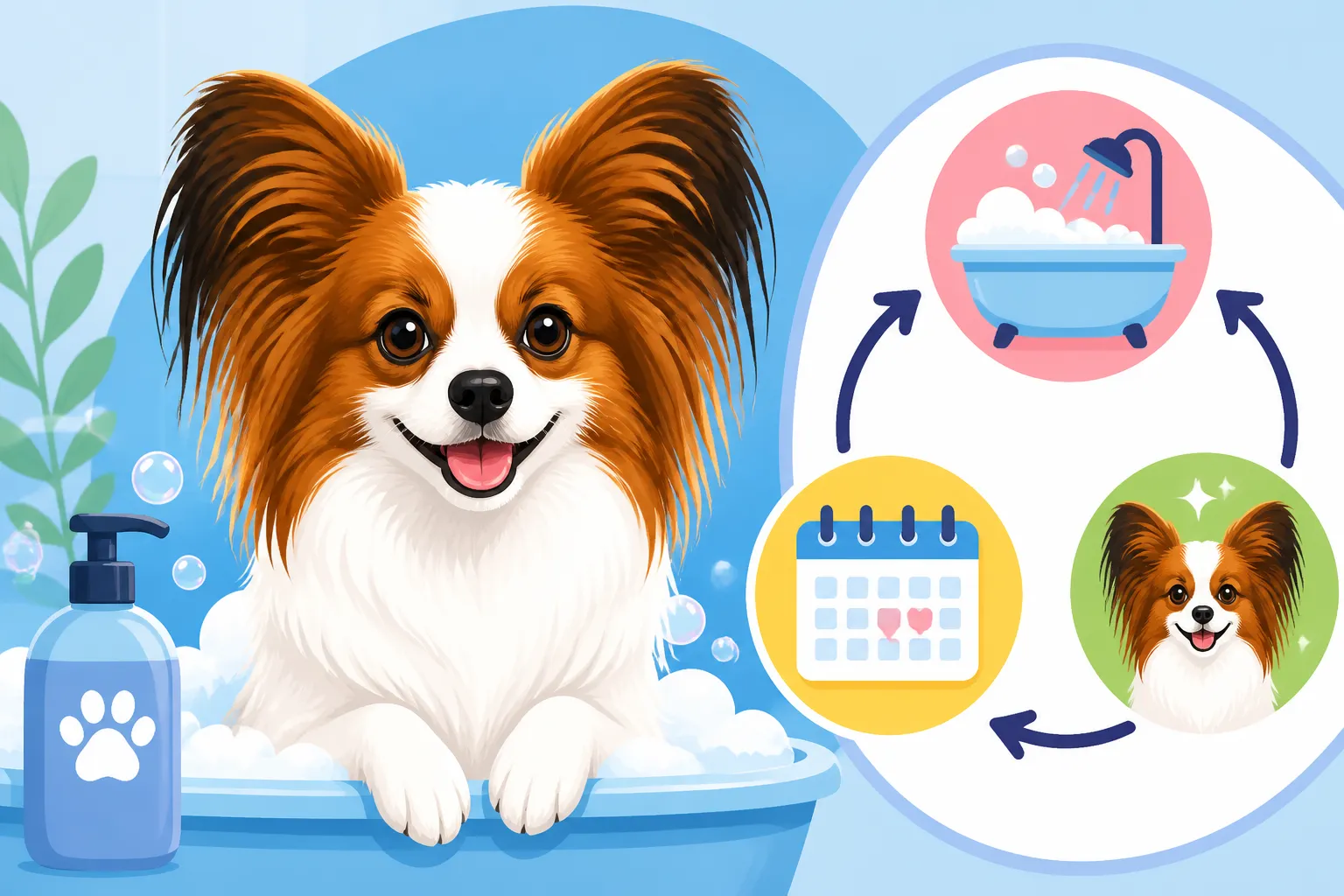
For most Papillons living an average indoor-outdoor lifestyle, a bath every two to four weeks is a good baseline. This frequency is usually enough to remove accumulated dirt, dust, and environmental allergens from their coat without stripping their skin of its natural oils. Think of it as a routine freshen-up that keeps their fur looking vibrant and feeling soft. If you keep up with regular brushing, you might find you can lean towards the longer end of that spectrum. After all, a good brush can do wonders for removing loose dirt and preventing mats, reducing the immediate need for a full wash.
However, this is just a starting point. Life with a Papillon isn't always perfectly clean. A sunny afternoon romp in the park might turn into a muddy adventure in an instant, or a curious sniff in the garden could lead to a run-in with something sticky. These unexpected moments will undoubtedly shift your bathing schedule. It's about being flexible and responsive to your dog's actual needs rather than rigidly sticking to a calendar.
When Lifestyle Demands More Frequent Baths
There are definitely times when your Papillon will need a bath more often than the standard 2-4 weeks. If your little butterfly dog loves to explore the great outdoors, or if you live in an area with a lot of dust, pollen, or city grime, you might find yourself reaching for the shampoo more frequently. For instance, after a particularly muddy walk, a targeted paw and leg rinse might suffice, but if they've rolled in something truly delightful (from a dog's perspective, at least!), a full bath is unavoidable.
Dogs with skin allergies might also benefit from more frequent bathing, especially during allergy season. Your vet might even recommend specific medicated shampoos to help soothe irritated skin and wash away allergens from their coat. On the flip side, some Papillons are prone to dry skin, and too-frequent bathing can exacerbate this. It really highlights the importance of using gentle, moisturizing products, which we'll discuss in more detail. Always consider the state of your dog's skin and coat when deciding if it's bath time again.
When You Can Stretch It Out Longer
Conversely, if your Papillon lives a mostly indoor life, is impeccably tidy, and you're diligent about daily brushing, you might be able to stretch out the time between full baths to five or even six weeks. The Papillon's A Papillon's Coat Is All Fringe and No Undercoat is a huge advantage here. Without a dense undercoat, their fur doesn't trap as much dander and dead hair as some double-coated breeds, which means less shedding and less "doggy" smell build-up. Regular brushing with a good pin brush and a metal comb, paying special attention to those long fringes, will remove loose hair and superficial dirt, distributing natural oils and keeping their coat shiny and tangle-free.
Another factor is their overall health. A healthy Papillon with a good diet tends to have healthier skin and coat, producing less excessive oil or shedding. If you're feeding a high-quality diet and providing regular grooming in between baths, you'll naturally reduce the need for constant washing. Always remember, the goal isn't just a clean dog, but a healthy dog whose skin and coat are in optimal condition.
Understanding Your Papillon's Unique Coat and Skin
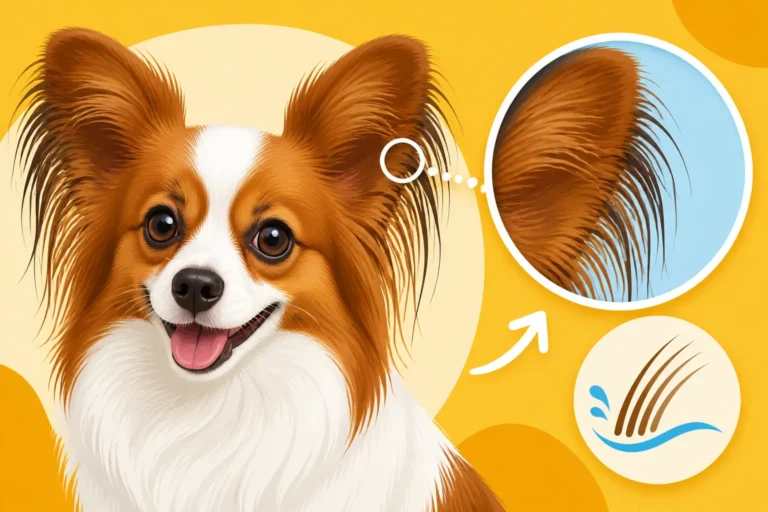
The Papillon's coat is one of its most defining features, not just for its beauty but also for how it impacts their grooming needs, including bathing frequency. Unlike many breeds, the Papillon boasts a single coat, meaning it lacks the dense, fluffy undercoat that can cause so much trouble for owners of other long-haired dogs. This characteristic is a game-changer when it comes to bathing and overall coat care.
The Single Layer Advantage
Your Papillon's coat is primarily composed of long, silky guard hairs, with little to no undercoat. This is why their coat is often described as feeling like silk or fine human hair. This "single layer advantage" means several things for bathing. Firstly, their coat tends to dry much faster than a double-coated breed, reducing the risk of skin irritation from prolonged dampness. This is a huge bonus, especially if your Papillon isn't a fan of the blow-dryer! You'll find that How Long a Papillon Takes to Dry is often surprisingly quick compared to other breeds.
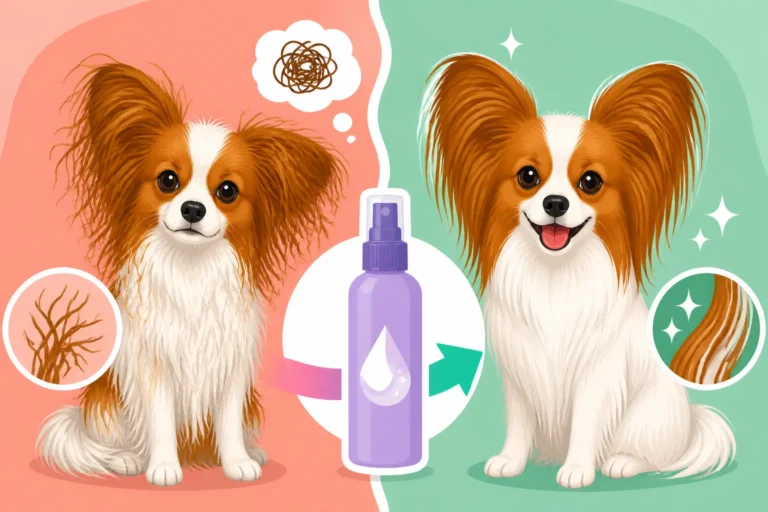
Secondly, a single coat generally mats less severely, provided you keep up with brushing. Mats are often formed when shed undercoat gets tangled with the coarser guard hairs. Since Papillons don't have that dense undercoat, matting is less prone to becoming a solid, felted mass right against the skin. However, those beautiful fringes on their ears, tail, and legs, and their culottes, are still susceptible to tangles and knots if neglected. Daily brushing is still paramount to prevent this, and a thorough pre-bath brush-out is non-negotiable to avoid turning small tangles into giant mats once wet.
Protecting Their Delicate Skin
While the Papillon's coat is relatively low-maintenance in terms of shedding and matting (compared to some other long-haired breeds), their skin beneath it is still delicate and needs careful attention. Over-bathing with harsh shampoos can strip the skin of its natural oils, leading to dryness, itchiness, and irritation. Just like with humans, a dog's skin has a natural pH balance, and disrupting it can lead to problems. Whether a Papillon Gets Dry Skin is a common concern for many owners, and improper bathing can certainly contribute to it.
Using a high-quality, pH-balanced dog shampoo specifically formulated for sensitive skin or moisturizing properties is vital. Avoid human shampoos entirely, as their pH levels are different and can be detrimental to your Papillon's skin. If your Papillon has known skin allergies or sensitivities, consult with your veterinarian for recommendations on therapeutic shampoos that can help manage their condition while still providing a thorough clean. Paying attention to their skin's reaction after a bath will be your best guide – if they're itchy or flaky, you might need to adjust your products or frequency.
The Art of Bathing a Papillon: Techniques and Products
Bathing your Papillon isn't just about getting them wet and sudsy; it's a careful process that, when done correctly, keeps their coat healthy and minimizes stress for both of you. Given their small size and delicate nature, a gentle touch and the right tools make all the difference. Rushing the process can lead to missed spots, tangled fur, or even a fearful dog who dreads bath time.
Pre-Bath Prep is Key
Before your Papillon even sees the water, preparation is absolutely crucial. This is perhaps the most important step for a long-coated breed like the Papillon. You must thoroughly brush your dog's entire coat to remove any tangles, mats, or loose hair. Water tightens mats, making them incredibly difficult, if not impossible, to brush out once wet, often leading to painful tugging and potentially requiring you to cut them out. Focus on areas prone to matting, such as behind the ears, under the legs, and in their beautiful culottes and tail plume. Even small tangles can become big problems. Whether a Papillon Mats Behind the Ears is a common issue, so give those spots extra attention. A good detangling spray can be helpful during this pre-brushing phase, especially for stubborn knots.
Gather all your supplies beforehand: shampoo, conditioner, towels, a non-slip mat for the tub or sink, and treats for positive reinforcement. Trying to grab something mid-bath with a soapy, squirming Papillon is an exercise in futility. Having everything within arm's reach will make the process smoother and less stressful for everyone involved.
Choosing the Right Shampoo and Conditioner
The products you use are just as important as the bathing frequency. Opt for a gentle, tear-free, pH-balanced dog shampoo. Many brands offer formulas specifically designed for sensitive skin, moisturizing, or to enhance coat luster. Avoid harsh chemicals, artificial fragrances, and dyes that can irritate your Papillon's skin. You can find a wide variety of gentle dog shampoos and conditioners on platforms like Chewy or Amazon, often with helpful reviews from other pet parents, making it easier to select something suitable for your pup.
Follow the shampoo with a good quality conditioner, especially on their long ear fringes, tail plume, and leg feathering. Conditioner helps to moisturize the coat, prevent tangles, and leave it soft and shiny. Rinse thoroughly – and we mean thoroughly! Any residue left behind can irritate the skin or make the coat feel sticky and attract dirt faster. Imagine rinsing your own hair; you want to ensure all the suds are gone.
The Drying Dilemma: Blow Dry or Air Dry?
Once the bath is over, the drying process begins, and this is where many Papillon owners face a dilemma. While How Long a Papillon Takes to Dry isn't as extensive as a husky, it's still an important step. Towel drying is essential to remove as much excess water as possible. Gently squeeze the water from their coat and pat them dry; avoid vigorous rubbing which can create tangles.
For that perfect, fluffy, and tangle-free finish, a blow dryer designed for dogs (or a low-heat human dryer) is highly recommended. Many professional groomers will tell you that Whether a Papillon Must Be Blow Dried for optimal coat condition is a strong "yes" if you want to avoid mats and achieve that show-ready look. Use the lowest heat setting and keep the dryer moving to prevent overheating. Brush their coat as you dry, section by section, to straighten the hair and ensure even drying. This technique helps prevent future tangles and ensures their coat looks its best. If your Papillon is hesitant about the dryer, introduce it gradually with lots of praise and treats.
| Factor | Recommended Bathing Frequency | Considerations |
|---|---|---|
| Indoor & Tidy | Every 4-6 weeks | Regular brushing, good diet, minimal exposure to dirt/allergens. |
| Active & Outdoorsy | Every 2-3 weeks | Frequent walks, plays in parks, occasional muddy paws. May need spot cleaning more often. |
| Allergy Sufferer | Every 1-2 weeks | As per vet's advice, using medicated or hypoallergenic shampoos. Important during peak allergy season. |
| Show Dog | Weekly to Bi-weekly | Requires pristine coat, specific conditioning regimens. Blow-drying and meticulous brushing are essential. |
| "Accident" Prone | As Needed | If they roll in something smelly, get excessively dirty, or have a house-training mishap. Spot cleaning can help. |
Beyond the Bath: Maintaining Cleanliness Between Washes
Bathing is a significant part of your Papillon's grooming routine, but it's far from the only thing that keeps them looking and feeling their best. What you do in between those full wash sessions is equally important for maintaining their cleanliness, coat health, and overall well-being. Think of it as a comprehensive approach to hygiene, where bathing is just one tool in your grooming kit.
Spot Cleaning and Quick Freshen-Ups
Life happens, and sometimes a full bath isn't necessary for a localized mess. This is where spot cleaning becomes your best friend. Did your Papillon get muddy paws after a sudden rain shower? A quick rinse under the tap and a towel dry can handle that. Did they get a little food on their chin or in their beautiful muzzle fringe? A damp cloth or a pet-safe wipe can quickly clean it up. Whether Wet Food Sticks in a Papillon's Fringe is a real concern, so having wipes on hand for after-meal clean-ups is a smart move.
Dry shampoo can also be a lifesaver for quickly freshening up specific areas or their entire coat between baths, absorbing excess oils and odors. Just spray a small amount, let it sit for a moment, and then brush it out. These quick freshen-ups can significantly extend the time between full baths, preserving your dog's natural skin oils and saving you time and effort. Always make sure any product you use is specifically designed for dogs.
Dental Care and Grooming Routines
Maintaining a Papillon's cleanliness goes beyond just their coat. Their oral hygiene, for instance, is absolutely critical. Papillons are particularly prone to dental issues due to their small jaws crowding their teeth, leading to plaque and tartar buildup. Regularly Brushing a Papillon's Teeth in a Very Small Mouth is vital, ideally daily, and can contribute to their overall health and even breath freshness, making them more pleasant to cuddle! How Often a Papillon's Teeth Need Brushing cannot be overstated.
Beyond dental care, a consistent daily brushing routine is the cornerstone of Papillon grooming. This isn't just about aesthetics; it's about health. Daily brushing removes loose hair, prevents mats and tangles, distributes natural skin oils, and provides an opportunity to check for any skin irritations, bumps, or parasites. Pay extra attention to their ears, tail, and the feathering on their legs and chest. Don't forget their nails either; How Short a Papillon's Nails Must Stay for Agility is important, but even for pet dogs, keeping nails trimmed prevents discomfort and problems with their gait. Many owners find that doing their own grooming, including brushing, nail trims, and even simple trims around the paws, is perfectly realistic. Whether Grooming a Papillon at Home Is Realistic for most owners, and it certainly saves on professional grooming costs.
Seasonal and Special Considerations
Finally, factor in seasonal changes and special events when thinking about your Papillon's grooming. During warmer, dryer months, you might find you need to bathe less often. However, spring and fall might bring increased shedding or more outdoor activities that warrant extra cleaning. If your Papillon participates in dog sports like agility, they might get dirtier more often, but you'll also be meticulously brushing and checking their coat regularly as part of their post-training routine.
For an older Papillon, their skin and coat might change, becoming drier or more sensitive. What Changes in an Aging Papillon's Care often includes being more mindful of bathing products and ensuring they stay warm during and after baths. If your Papillon has allergies, more frequent baths with veterinarian-recommended shampoos during peak pollen seasons can help wash away irritants and provide relief. It's about being observant and adapting your routine to meet your individual Papillon's evolving needs throughout their long and happy life.
Disclaimer
This article is for general informational purposes only and does not constitute professional advice. Laws, prices and regulations vary by location and change over time. Consult a qualified professional for guidance on your specific situation.