Whether a Papillon Mats Behind the Ears
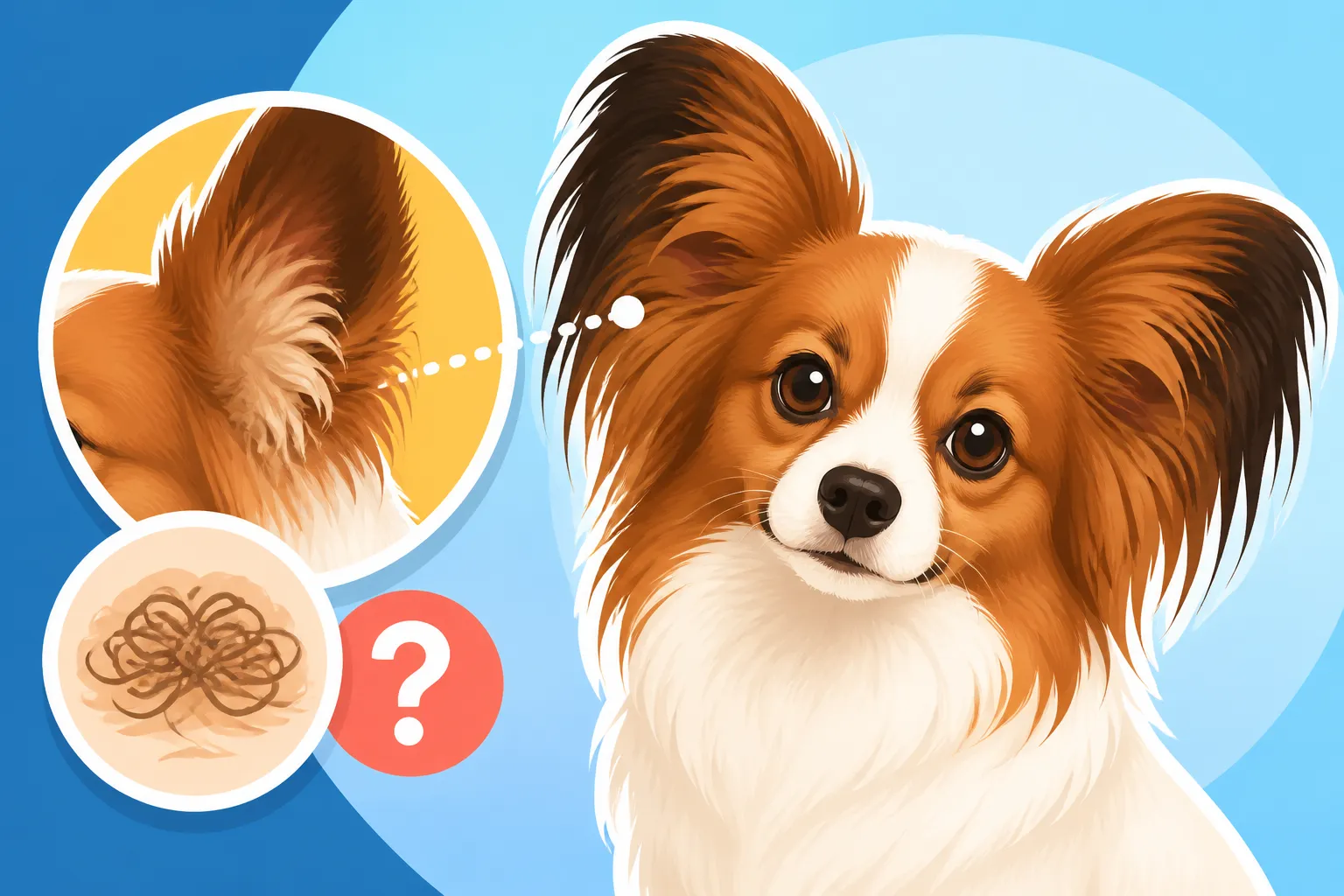
Oh, the infamous mat behind the ears! If you've ever owned a Papillon, or even just admired their glorious ear fringes, you know exactly what I'm talking about. That seemingly innocent patch of fur, nestled right where the ear meets the head, can turn into a dense, painful felt wad faster than you can say "butterfly ears." It's a common frustration for Papillon parents, often overlooked until it's too late, and this guide is here to shed light on why it happens and, more importantly, how you can prevent it.
The Anatomy of a Papillon's Ear Fringe and Why It's Prone to Matting
Let's be honest, those magnificent, fringed ears are a huge part of the Papillon's charm and why we fall head over heels for them. They're like delicate works of art, framing their bright, intelligent faces. But all that beauty comes with a responsibility, especially when it comes to grooming. The unique characteristics of a Papillon's coat make certain areas, like behind the ears, particularly vulnerable to matting.
Understanding the Papillon's Unique Coat Texture
Unlike many breeds, a Papillon sports a single coat, meaning they lack that dense, insulating undercoat you'd find on a Pomeranian or a Sheltie. Their fur is fine, silky, and quite long, especially around those signature ears. While this single coat means less shedding for you to contend with compared to some breeds, it also means the individual strands are prone to tangling and knotting together when friction or moisture are involved. Think of it like very fine human hair – it can knot up quickly.
This silky texture, which is so delightful to pet, is actually a bit of a double-edged sword when it comes to mat prevention. Each strand is so delicate that it easily catches on other strands, forming tiny knots that, if left alone, quickly escalate into formidable mats. The lack of an undercoat means there's no protective layer to help separate the hairs, leaving the long, fine outer coat exposed to all the elements and forces that lead to tangles. This is why you need a consistent approach to their grooming. If you're wondering more about their coat, you might find A Papillon's Coat Is All Fringe and No Undercoat insightful.
The Delicate Dance of Ear Leather and Fine Hair
The area right behind a Papillon's ear is a prime matting hotspot for several reasons, and it often goes unnoticed until it's a real problem. Firstly, there's a lot of movement happening there. Their ears are constantly twitching, swiveling, and adjusting as they listen to every sound, from the rustle of a treat bag to a distant squirrel. This constant motion creates friction between the delicate ear fringe and the fur on their neck and shoulders.
Secondly, this area is literally where the ear attaches to the head, making it a natural crease. Any hair that gets caught or compressed here is highly susceptible to matting. When your Papillon scratches an itch with a back leg, snuggles into a tight spot on the sofa, or even just sleeps curled up, the fur behind their ears is subjected to pressure and rubbing. This repeated friction, combined with the fine texture of their hair, creates the perfect storm for tiny knots to form and tighten into painful mats. It's a really sensitive spot, and keeping The Ear Fringe That Gives the Papillon Its Name healthy and mat-free is paramount for their comfort.
Common Culprits Behind Those Pesky Ear Mats
It's easy to blame yourself when you find a mat, but sometimes, it's just the nature of the beast – or, in this case, the nature of the Papillon's glorious coat. However, understanding the most common culprits can help you be more vigilant and proactive.
The Role of Moisture and Debris
Moisture is a huge enemy when it comes to matting, especially behind the ears. Think about it: every time your Papillon dips their head into the water bowl for a drink, those long ear fringes can trail in the water. Even a quick sip can leave the ends damp, and if that moisture wicks up the hair to the area behind the ear, it creates an environment where hairs stick together and easily tangle. Add to that any dribbles of food, and you've got a recipe for sticky, matted fur.
Beyond food and water, environmental debris plays a significant role. Papillons love to explore, and those long ears can act like little dust mops, picking up burrs, twigs, grass seeds, and general dirt from walks in the park or romps in the yard. If your Papillon has ever had a minor ear infection, the discharge can also make the fur sticky and prone to severe matting right at the base of the ear, often trapping more debris. It's a never-ending battle, which is why regular checks are so important.
Friction, Collar Rub, and Playtime Adventures
Friction is another silent assassin for a Papillon's delicate coat. The constant rubbing of a collar or harness can be a major contributor to matting, particularly around the neck and behind the ears where the harness straps might sit. If the collar or harness isn't fitted correctly, or if it's made of a material that creates a lot of static or drag, it can wreak havoc on that fine fur. Even just the act of putting on and taking off a sweater or coat can cause tangles if you're not careful to gather the ear fringes out of the way.
Then there's the delightful chaos of playtime! While we love to see our Papillons romping with other dogs or even just vigorously scratching an itch, these activities create significant friction. A friendly nip during a game of chase, or a vigorous shake of the head to dislodge an itch, can quickly turn loose hair into a tight knot. If your Papillon enjoys wrestling with canine friends, those ears can become tangled in a flash. Paying attention to Whether a Papillon Should Wear a Harness Instead of a Collar might offer some preventative insights.
Overlooked Grooming Habits (or Lack Thereof)
Let's be honest, life gets busy, and sometimes grooming falls lower on the priority list than we'd like. But for a Papillon, even a few days without proper attention can lead to irreversible matting, especially in high-friction areas like behind the ears. It's not enough to simply brush the visible parts of their coat; those hidden spots are the real trouble zones. A quick surface brush might make the coat look smooth, but it often glides right over the smaller tangles developing closer to the skin, especially behind the ears.
The mistake many well-meaning owners make is not getting right down to the skin with a comb. Mats don't just appear on the surface; they start as small tangles at the base of the hair shaft, gathering momentum until they form a dense, impenetrable mass. Without regular, thorough combing to separate those fine hairs and remove any loose undercoat (even though Papillons have a single coat, they still shed fine, dead hairs), mats are almost inevitable. If you're looking for guidance, Why a Papillon's Long Coat Takes Twenty Minutes a Week elaborates on the importance of this regular care.
Your Proactive Arsenal Against Ear Matting
Preventing mats is always easier than dealing with them once they've formed. With a Papillon, a little proactive effort goes a very long way in keeping their beautiful coat healthy and their ears comfortable. It's all about consistency and using the right tools and techniques.
Establishing a Consistent Grooming Routine
The absolute best defense against matting behind the ears is a consistent, diligent grooming routine. For a Papillon, this means daily or every-other-day brushing, specifically targeting those prone areas. Start with a good quality pin brush, gently working through the ear fringes and the hair behind the ears. Don't just skim the surface; make sure the brush is reaching down to the skin. After brushing, follow up with a fine-toothed steel comb to catch any small tangles the brush might have missed.
When you're working behind the ears, use what's called "line brushing." This involves parting the hair in small sections and brushing from the skin out, layer by layer, rather than trying to brush through the entire coat at once. This ensures you're addressing any tangles at their earliest stage. A light mist of a good quality detangler spray can also make the process smoother and help prevent static and breakage. You can find excellent options for brushes and detanglers on sites like Chewy or Amazon. To learn more about the right tools, check out Which Brush a Papillon Needs.
Strategic Protection and Environmental Management
Beyond regular brushing, you can implement some strategic measures to protect those delicate ear fringes. For instance, consider using a soft, comfortable "snood" or ear wrap during mealtimes to keep their ears out of their food and water bowls. This simple step can dramatically reduce food and moisture-related matting. After baths, ensure you thoroughly dry the ear fringes, ideally with a cool setting on a blow dryer while gently brushing, to prevent moisture from causing tangles. You can find pet-friendly blow dryers and snoods on Amazon. How to Dry a Papillon offers more insights into this.
When choosing collars and harnesses, opt for smooth, soft materials that minimize friction. Flat nylon or leather collars can be less damaging than rougher textures, and ensure they fit snugly enough not to rub excessively, but loosely enough to be comfortable. If you use a harness, ensure the straps don't constantly rub against the fur behind the ears. For outdoor adventures, a quick brush before and after can help remove any debris picked up, and if you're in an area with burrs, consider a temporary snood for protection.
Tackling Existing Mats Gently and Safely
If you do find a small mat, don't panic and never try to yank it out or cut it with blunt scissors against the skin. That's a surefire way to cause pain or accidentally cut your dog. Instead, arm yourself with a steel comb, a detangling spray (some people swear by a little cornstarch for extra grip), and a lot of patience. Spritz the mat with detangler, then gently work at the edges of the mat with the very tips of the comb's teeth.
Hold the fur at the base of the mat close to the skin with one hand to prevent pulling on your Papillon's skin, and use the other hand to tease the mat apart, strand by tiny strand. Work slowly and methodically. If the mat is particularly stubborn, you can try to carefully split it lengthwise with the points of sharp, blunt-nosed scissors, but always point the scissors away from the skin. If it's too tight or your Papillon is showing signs of discomfort, it's time to call in a professional. Remember, positive reinforcement throughout the grooming process, with plenty of praise and treats (perhaps some delicious freeze-dried options from Ollie), will make it a more pleasant experience for everyone. If you want to know When a Mat Should Be Cut Out of a Papillon, this advice is crucial.
When to Call in the Cavalry: Professional Groomers and Vets
Sometimes, despite our best efforts, mats become too severe for a DIY approach. Knowing when to seek professional help from a groomer or a veterinarian is crucial for your Papillon's comfort and health.
Recognizing When a Mat Is Beyond DIY
A small, loose tangle is one thing, but a tight, dense mat pressed against the skin is a completely different beast. These severe mats can cause significant pain, restrict blood flow, and even pull at the skin, leading to bruising or tearing. If a mat is larger than a quarter, feels like a solid lump, or if your Papillon yelps or pulls away when you try to touch it, it's probably beyond your home grooming capabilities. Trying to force these out can traumatize your dog, making future grooming sessions incredibly difficult, or worse, cause injury.
Matted fur also tends to get tighter over time, especially with movement and moisture. What might seem like a manageable knot today can be a rock-solid, painful pelt tomorrow. If the mat is close to the ear canal, it can also pull at the delicate ear leather, leading to discomfort or even ear infections. At this point, a professional groomer is your best friend. They have specialized tools and techniques that allow them to safely and efficiently remove even the most stubborn mats, often with less stress on your dog.
The Groomer's Approach to Dematting and Prevention
A professional groomer understands the intricacies of a Papillon's coat and knows how to approach mat removal with care and expertise. They might use specialized dematting tools, such as mat splitters or dematting rakes, designed to break apart the mat without excessive pulling. In many severe cases, they will recommend shaving the matted area, as it's the kindest and safest option for your dog. While we all love those flowing fringes, a comfortable, healthy Papillon is always the priority.
Beyond dematting, a good groomer can offer invaluable advice on preventative care. They can demonstrate proper brushing techniques, recommend specific products, and even suggest a "sanitary trim" or a slight tidy-up around the ears to reduce future matting, particularly if your Papillon is prone to it. Regular professional grooming appointments, even just for maintenance of tricky areas like behind the ears, can be a game-changer in keeping your Papillon's coat in tip-top condition. They can also advise on Whether a Papillon's Feet Need Trimming to avoid other grooming issues.
Veterinary Intervention for Skin Irritation or Infections
Sometimes, matting isn't just a grooming issue; it's a health issue. Severe mats, especially those tight against the skin, can hide underlying skin irritation, sores, or even infections. The lack of air circulation under a mat creates a warm, moist environment ripe for bacterial or fungal growth. If you notice redness, swelling, discharge, a foul odor, or if your Papillon is constantly scratching, rubbing, or showing signs of pain around the matted area, it's time for a vet visit.
A veterinarian can safely shave the matted area to expose the skin, diagnose any skin conditions, and prescribe appropriate treatment, such as antibiotics or anti-inflammatory medications. They can also check for ear infections, which, as mentioned, can contribute to matting by causing discharge and irritation. Ignoring these signs can lead to more serious health problems for your beloved Papillon. Regular wellness exams, including careful inspection of their ears, are part of What a Papillon Needs Every Day.
Here's a quick overview of common matting culprits and solutions:
| Matting Cause | Why It Happens | Prevention/Solution |
|---|---|---|
| Friction | Collars, harnesses, scratching, playing, sleeping positions | Proper fitting gear, soft materials, gentle play supervision, regular brushing |
| Moisture | Drinking water, bath time, rain, drool, ear discharge | Snoods, thorough drying, cleaning ears, immediate mat attention |
| Debris | Burrs, twigs, grass, food particles, dirt | Daily checks after outdoor time, snoods for meals, regular brushing |
| Lack of Brushing | Infrequent or superficial brushing, skipping difficult areas | Consistent daily/every-other-day line brushing with pin brush and steel comb |
| Coat Texture | Fine, silky single coat prone to tangles | Use detangler sprays, gentle technique, don't force through tangles |
Disclaimer
This article is for general informational purposes only and does not constitute professional advice. Laws, prices and regulations vary by location and change over time. Consult a qualified professional for guidance on your specific situation.