Whether a Papillon’s Feet Need Trimming
It's a common question among Papillon owners, especially as those elegant ear fringes and plumed tails grow: what about their feet? You look down at those dainty paws, covered in what seems like a miniature forest of fine hair, and you start to wonder if all that fluff is actually doing more harm than good. Is it causing them to slip, collecting dirt, or just getting in the way? This guide dives deep into whether a Papillon's feet truly need trimming, offering practical advice to keep your butterfly dog comfortable and safe.
The Papillon's Unique Foot and Feathering
Before we even consider trimming, it's essential to understand the unique structure of a Papillon's paw and the type of coat they possess. These aren't just any dog feet; they're designed for agility and delicate movement, often adorned with a characteristic light feathering that contributes to their overall elegant appearance. Knowing what you're working with helps you make informed decisions about grooming.
Understanding the "Hare Foot"
A Papillon, like many toy breeds, is known for its "hare foot." This isn't just a quirky name; it describes a specific paw structure. Imagine a rabbit's foot – longer central toes, compact, and often more elongated than the rounder "cat foot" seen in some other breeds. This structure contributes to their nimble movements and ability to navigate various terrains with surprising grace, despite their small size. The longer toes provide a good base for springing and quick changes in direction, which is part of why they excel in activities like agility.
However, this hare foot can also mean that the hair between the pads has more room to grow and can become quite prominent. It's not like the dense, thick fur you might find on a Pomeranian's paw, but a finer, silkier growth. This feathering is part of their natural insulation and protection, but when it becomes excessively long, it can start to interfere with their natural gait, especially on smooth surfaces. Owners often notice their Papillon doing a little "dance" on hardwood floors, and while part of that can be exuberance, sometimes it's genuinely a lack of traction.
The Feathering Between the Pads
The hair between a Papillon's pads, often called "furnishings" or simply "paw feathering," is distinct from the thicker, coarser hair found on many other breeds. A Papillon's Coat Is All Fringe and No Undercoat is silky and fine, meaning the hair on their feet follows suit. While it provides a degree of natural padding and protection against the elements, it can also grow quite long, extending beyond the paw pads themselves. This is where the dilemma for many owners begins. You want your Papillon to be comfortable and safe, but you also appreciate their natural beauty.
When this feathering grows out, it can act like little slippers, reducing direct contact between the paw pads and the ground. On a carpeted surface, this isn't usually an issue. But introduce a gleaming hardwood floor or a slick tile kitchen, and suddenly your agile little Papillon might look like they're ice skating. This isn't just a funny sight; it can lead to slips, falls, and potentially even injuries. For a breed already prone to issues like Patellar Luxation Is the Papillon Problem You Will Actually Meet, anything that puts extra strain on their joints, such as constant slipping, is a legitimate concern.
Why Foot Trimming Might Be Considered
So, knowing what a Papillon's feet are naturally like, why do many owners opt to trim them? It often comes down to practical concerns that directly impact their dog's safety, comfort, and general hygiene. It's not about altering their appearance for show, but rather about addressing everyday challenges that arise from their long, flowing coat.
Preventing Slipping on Smooth Surfaces
This is, arguably, the number one reason many Papillon owners decide to trim the hair between their dog's paw pads. Modern homes often feature hard surfaces like wood, laminate, or tile. While beautiful, these can be treacherous for dogs, especially those with furry feet. When the hair grows long, it can completely cover the paw pads, which are naturally designed to grip surfaces. Without that direct contact, your Papillon's feet essentially have less traction, much like trying to run in socks on a polished floor. You can read more about this in Whether a Papillon Slips on Hardwood.
The consequence of this lack of grip isn't just a comical slip or two. Repeated slipping can lead to strains, sprains, and even more serious orthopedic issues over time. Imagine trying to walk across a slippery floor every day; your muscles would be constantly tensed, and your joints would take a beating. For a tiny Papillon, the impact can be significant. Trimming the hair back to expose the paw pads allows for better contact with the ground, restoring their natural traction and making their daily movements much safer, whether they're racing to the door or simply navigating the living room.
Keeping Paws Clean and Free of Debris
Longer hair on the feet, particularly between the pads, is an absolute magnet for dirt, burrs, tiny pebbles, mud, and even the occasional sticky piece of sidewalk gum. If your Papillon enjoys exploring the great outdoors, or even just your backyard, you'll quickly discover how much "stuff" those little foot feathers can collect. Bringing all that debris indoors isn't just messy for your floors; it can be uncomfortable and even dangerous for your dog.
Imagine walking around with a tiny pebble stuck between your toes all day. It's irritating, and eventually, it could rub raw or cause a sore. The same applies to your Papillon. Foxtails, tiny burrs, or even just dried mud can get matted into the fur, pulling on the skin, causing pain, and potentially leading to infections if not regularly removed. Trimming this hair significantly reduces the surface area available for debris to cling to, making paw cleaning after walks much easier and keeping your Papillon's feet healthier and happier. It's a small change that can make a big difference in daily maintenance and comfort.
Comfort and Air Circulation
While a Papillon's coat is generally light and flowing, excessive hair around the paws can still contribute to discomfort, especially in warmer weather or if your dog is particularly active. Think about how hot your own feet can get in thick socks and shoes during the summer. Dogs don't sweat through their skin like we do; they primarily cool down through panting and through the pads of their feet. If those pads are covered by a dense mat of hair, it can impede the natural cooling process.
Beyond temperature regulation, trimming the hair can prevent matting, which is a common problem for long-haired breeds. Even with regular brushing, the hair between the pads can felt together, creating tight, painful knots that pull on the skin. These mats can be incredibly uncomfortable, restrict movement, and even lead to skin irritation and infections if moisture gets trapped underneath. A good trim opens up the space, allowing for better air circulation and reducing the likelihood of painful matting, ensuring your Papillon's paws stay dry, clean, and comfortable throughout the year.
The Case for Not Trimming a Papillon's Feet (or Minimal Trimming)
While there are clear benefits to trimming a Papillon's foot feathering, it's also important to consider the arguments for leaving them natural or opting for only minimal intervention. The breed standard, natural protection, and potential downsides of over-trimming all play a role in this decision. It's about finding a balance that suits your individual dog and your lifestyle.
The Breed Standard's View
For those involved in conformation showing, the breed standard is paramount. The American Kennel Club (AKC) standard for the Papillon, for instance, describes the feet as "thin and long (hare-like)," with "tufts of hair between the toes extending beyond them." It specifically states that the "feet should not be trimmed." This is a clear directive for show dogs – you want those natural tufts to be present. The idea is to maintain the breed's natural appearance and to present a dog that adheres strictly to the defined characteristics.
However, it's crucial to distinguish between the show ring and daily life. Most Papillons are beloved companions, not show dogs. What is ideal for a judge's assessment in a controlled environment might not be practical or comfortable for a dog navigating slippery floors and muddy parks at home. While the standard serves as a blueprint for the ideal Papillon, it doesn't always dictate the best care practices for every pet Papillon's individual needs. Therefore, if your Papillon isn't destined for the show ring, you have more flexibility to prioritize their comfort and safety over strict adherence to grooming rules.
Natural Protection and Insulation
Those tufts of hair, while sometimes a nuisance, aren't just for aesthetics; they serve a natural purpose. Historically, dogs didn't live on pristine hardwood floors. They walked on varied terrains, from rough ground to cold earth, and their paw feathering offered a layer of natural protection. This hair acts as a buffer against minor abrasions, helps to cushion their steps, and provides a degree of insulation against both cold and heat. Think of it as built-in paw protection.
In snowy conditions, for example, the extra hair can provide some warmth and prevent ice balls from forming directly between the pads, though it can also collect snow and ice itself. In hot weather, it can offer a slight barrier between the delicate paw pads and scorching pavement, albeit minimally compared to dedicated paw balm or boots. So, while we might find ourselves cleaning mud or burrs from it, that feathering is part of their natural defense system. It's a reminder that sometimes nature knows best, and our interventions should be thoughtful and based on actual need rather than just aesthetics.
Potential Downsides of Over-Trimming
While trimming can offer benefits, there are also potential downsides to going too short or trimming too frequently. One common issue is accidentally cutting the paw pads themselves. These are sensitive areas, and a nick can be painful and prone to infection. Another concern is skin irritation; if the hair is shaved too close, particularly with clippers, the regrowth can be itchy and lead to "clipper rash." This can cause your Papillon to lick or chew at their paws excessively, potentially creating a secondary skin problem.
Furthermore, over-trimming can actually diminish some of the natural protection those tufts provide. If you're constantly cutting the hair super short, you remove that minor cushioning and insulating layer. In specific environments, like walking on rough gravel or very cold surfaces, the paw pads might become more vulnerable. It’s about finding that sweet spot: enough trimming to prevent slipping and debris collection, but not so much that you're removing all natural protection or risking irritation. For many Papillons, a moderate trim that just exposes the paw pads is the ideal compromise. Whether a Papillon's Feet Should Be Trimmed to a Hare Foot delves into the specifics of this style.
How to Safely and Effectively Trim a Papillon's Feet (If Necessary)
If you've decided that trimming your Papillon's foot feathering is the right choice for their comfort and safety, the next step is to learn how to do it correctly. This isn't a task to rush, as their paws are delicate, and a bad experience can make future grooming sessions a struggle. Patience, the right tools, and a gentle approach are key.
Gathering Your Tools
Before you even think about picking up scissors, make sure you have everything you need laid out and ready. This helps streamline the process and prevents you from having to search for tools mid-trim, which can make your Papillon squirmy.
Here’s a list of essential tools:
- Small, blunt-nosed scissors: These are crucial. The blunt tips help prevent accidental nicks to the paw pads or between the toes. You want sharp blades to make clean cuts, but safety is paramount. You can find good quality blunt-nosed grooming scissors on sites like Chewy or Amazon.
- Small clippers (optional): For some, a small, quiet clipper with a very short blade (like a #30 or #40) can be easier and faster for getting the hair between the pads very short. However, clippers come with a higher risk of clipper burn if you're not experienced, so exercise caution.
- Paw balm or soothing spray: After trimming, especially if your Papillon has sensitive skin, a little paw balm can help soothe the skin.
- Styptic powder: This is a must-have for any grooming task involving trimming or nail clipping. Accidents happen, and if you accidentally nick a quick or cut a paw pad, styptic powder will quickly stop the bleeding.
- Treats: Lots of them! High-value treats will help make this a positive experience for your Papillon.
- Good lighting: You need to clearly see what you're doing to avoid accidents.
Having all these items within arm's reach before you start will make the process smoother and safer for both you and your Papillon.
Step-by-Step Trimming Guide
Now that you have your tools, let’s go through the trimming process. Remember, slow and steady wins the race, especially when you're working with such delicate paws.
- Prepare Your Papillon: Start by gently handling your Papillon's paws. If they're not used to it, begin with short sessions where you just touch their feet and offer treats. The goal is for them to associate paw handling with positive experiences.
- Positioning: Find a comfortable position. You might sit on the floor with your Papillon in your lap, or have them stand on a grooming table if they're comfortable with it. Ensure they feel secure and can't easily wiggle away.
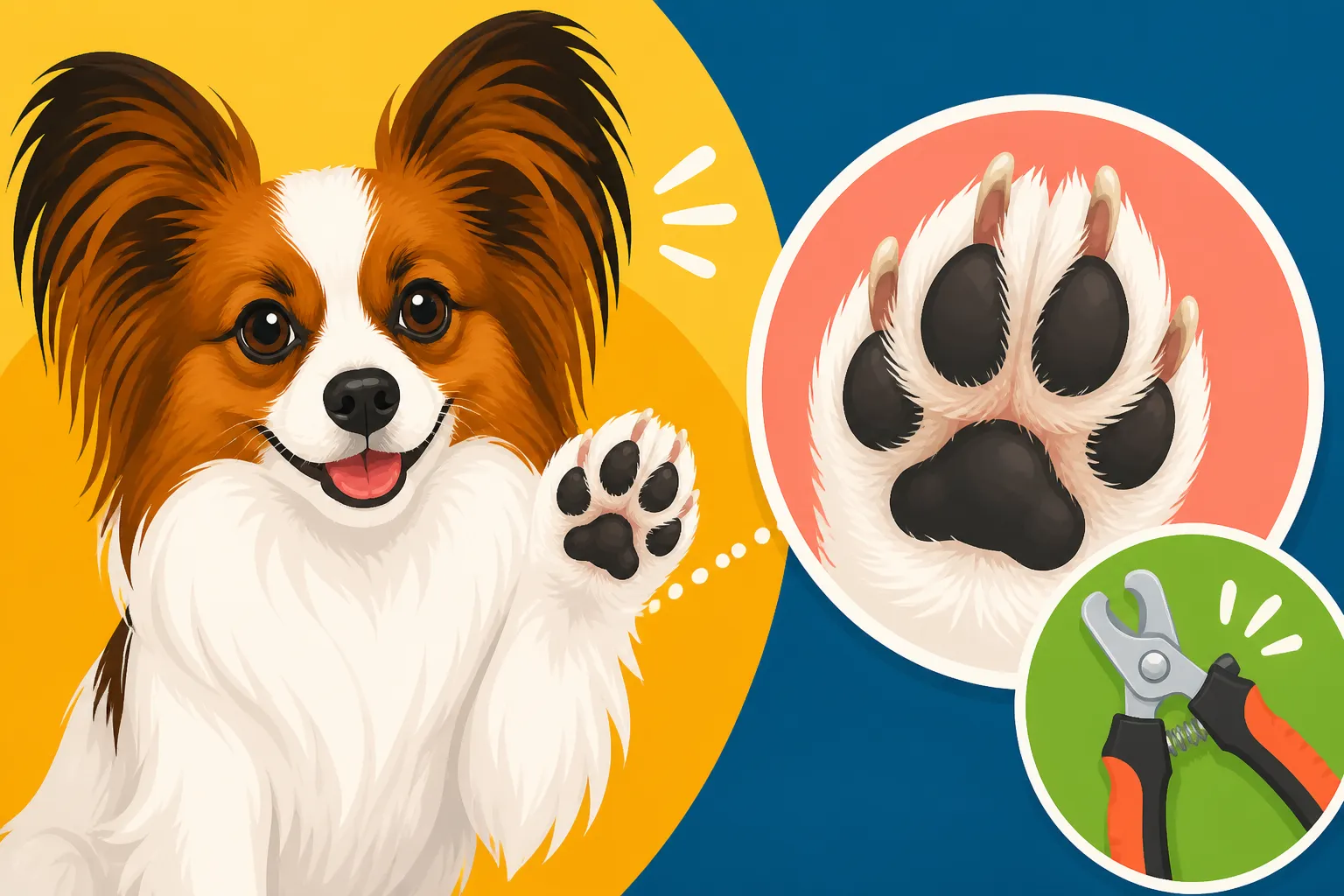
- Inspect the Paw: Gently spread your Papillon's toes and examine the hair growing between the pads. You'll likely see the main paw pads, and then the hair spilling out and covering them.
- Using Scissors (Recommended for Beginners):
- Hold the paw firmly but gently.
- With one hand, use your fingers to spread the toes slightly, exposing the hair.
- With the blunt-nosed scissors in your other hand, carefully trim the hair so it is flush with the pads. Do not dig down between the pads. You only want to trim the hair that is extending beyond the surface of the pads.
- Always point the blunt tips of the scissors away from the pads and skin.
- Work slowly, taking tiny snips. It’s better to take too little off than too much.
- Pay special attention to the hair around the perimeter of the paw, ensuring it's not so long that it causes slipping.
- Using Clippers (for Experienced Groomers):
- If using clippers, choose a small, quiet model.
- Use a very short blade (e.g., #30 or #40).
- Gently stretch the paw skin to create a flat surface.
- Lightly skim the clippers over the hair between the pads, only cutting the hair that is raised.
- Be extremely careful not to press too hard or hold the clippers in one spot for too long, as this can cause clipper burn.
- Again, focus on making the hair flush with the pads, not digging down.
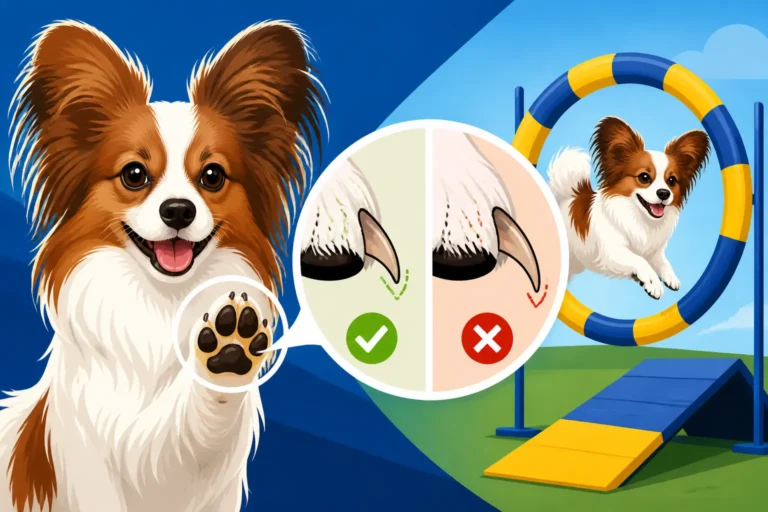
- Check Nails: This is also a perfect time to check and trim their nails. Long nails can be just as detrimental to traction and joint health as long foot hair. Why a Papillon's Nails Affect Its Knees explains this in detail.
- Reward: Generously reward your Papillon throughout the process, and especially at the end. Make it a positive experience, and they'll be more cooperative next time.
Remember, the goal is neatness and function, not a completely bare paw. You want enough hair gone so the pads can make proper contact with the ground, but not so much that you risk irritation or injury.
When to Seek Professional Help
Even with the best intentions and the right tools, some grooming tasks are better left to the pros. If you find yourself struggling, your Papillon is overly stressed, or you're simply unsure about your technique, don't hesitate to contact a professional groomer or your veterinarian's office.
Professional groomers are skilled in handling various dog temperaments and have specialized equipment to make the process quick and stress-free. They can demonstrate the proper technique, which can be invaluable for learning to do it yourself in the future, or you can simply schedule regular appointments for paw trims. Many groomers offer "pawicures" or quick tidy-ups that specifically address the hair between the pads and nail trimming for a reasonable fee. This ensures your Papillon's feet are always in top condition without the stress of DIY grooming at home. You might also want to consult Whether a Papillon Needs a Professional Groomer for more insight.
| Trimming Method | Pros | Cons | Ideal For |
|---|---|---|---|
| Blunt-Nosed Scissors | Precise control; less intimidating for dog; lower risk of clipper burn | Can be slower; higher risk of accidental nicks if hurried; might not get as close a cut | Beginners; dogs sensitive to clipper noise; minor touch-ups |
| Small Electric Clippers | Faster; closer, more even cut; good for dense hair | Requires practice; higher risk of clipper burn; noise can be startling for some dogs | Experienced owners; dogs accustomed to clippers; quick, thorough trims |
| Professional Groomer | Expert technique; minimal stress for owner; ensures safety and proper cut | Cost; requires appointment; less convenient for frequent touch-ups | First-timers; anxious dogs; owners uncomfortable with DIY grooming |
Maintaining Optimal Foot Health Beyond Trimming
Foot trimming is just one piece of the puzzle when it comes to keeping your Papillon's paws healthy and happy. There's a whole host of other care routines and preventative measures you should be incorporating into their regular maintenance schedule to ensure those delicate feet support them well throughout their long lives.
Regular Nail Care and Its Importance
Long nails are not just unsightly; they are genuinely detrimental to a dog's health and gait, especially in small breeds like the Papillon. When a dog's nails grow too long, they push up into the nail bed, forcing the toes to splay and altering the natural angle of the foot. This can lead to discomfort, pain, and even permanent damage to the foot structure, contributing to issues like arthritis over time. Imagine walking in shoes that are too small and push your toes back constantly; it's a similar sensation.
Regular nail trims are essential to keep your Papillon's nails short enough so they don't click on the floor when they walk. This means the quick, the sensitive part of the nail with blood vessels and nerves, needs to be encouraged to recede. Consistent trimming, even if it's just a tiny bit every week or two, is far better than infrequent, drastic cuts. If you're nervous about cutting the quick, consider using a Dremel-style nail grinder, which allows for more gradual shortening. How Fast a Papillon's Nails Grow is surprisingly quick, so stay on top of it. Don't forget to ask your vet or groomer for a demonstration if you're unsure.
Checking for Injuries and Irritations
A Papillon's paws are their primary interface with the world, and they can pick up all sorts of irritants and minor injuries. It's incredibly important to regularly inspect your dog's feet, especially after walks or outdoor adventures. This routine check should become as natural as Brushing a Papillon's Teeth in a Very Small Mouth.
Look for things like cuts, scrapes, punctures, or thorns embedded in the pads or between the toes. Check for redness, swelling, or excessive licking, which can indicate an allergic reaction, an infection, or even a hidden injury. Pay attention to the hair itself – are there mats forming, or is there any discoloration from licking? In the winter, look for irritation from salt or de-icers, and in the summer, check for burns from hot pavement. Early detection of any issues allows for prompt treatment, preventing minor problems from escalating into more serious conditions that could require veterinary intervention.
Protecting Paws from Extreme Weather
While Papillons are generally adaptable, their delicate paws are vulnerable to extreme weather conditions, both hot and cold. They don't have the thick, protective padding of some larger, more rugged breeds, making it crucial for owners to take preventative measures.
In the summer, asphalt and pavement can reach scorching temperatures, easily burning your Papillon's paw pads. If it's too hot for you to comfortably hold your hand on the pavement for five seconds, it's too hot for your dog's paws. Stick to grass, walk during cooler parts of the day (early morning or late evening), or consider protective paw booties for longer walks. Conversely, in winter, icy sidewalks, snow, and de-icing chemicals can cause chapping, cracking, and irritation. Again, booties can offer protection, or you can use a paw balm before walks to create a protective barrier and then thoroughly wash and dry their paws upon returning indoors. Remember, their feet are their foundation, so taking steps to protect them from environmental hazards is a fundamental part of responsible Papillon ownership. This also ties into Setting Up a House That Protects a Papillon's Knees by ensuring their foundations are sound.
Disclaimer
This article is for general informational purposes only and does not constitute professional advice. Laws, prices and regulations vary by location and change over time. Consult a qualified professional for guidance on your specific situation.