Setting Up a House That Protects a Papillon’s Knees
One of the most heartbreaking frustrations for Papillon owners is witnessing their spirited little companion suddenly yelp or limp, knowing that their delicate kneecaps are a common vulnerability for the breed. It can feel overwhelming trying to make your home a safe haven when everyday activities like jumping off the sofa or zooming across the kitchen floor pose a real risk. This comprehensive guide is here to walk you through exactly how to set up your house to protect your beloved Papillon's knees, ensuring they can live their best, bounciest life with fewer worries for you.
Understanding Your Papillon's Vulnerable Knees
Before we dive into specific home modifications, it’s really helpful to understand why Papillons are so prone to knee issues. It's not just bad luck; it's often a combination of genetics and their unique physical structure. Knowledge is power, and understanding the root cause can empower you to make the most impactful changes.
The Anatomy of a Papillon's Patella
Think of your Papillon's knee as a delicate, intricate mechanism. The patella, or kneecap, is a small, oval-shaped bone that sits in a groove on the front of the femur (thigh bone). It's held in place by tendons and ligaments, allowing it to slide smoothly up and down as your dog bends and straightens their leg. This smooth movement is crucial for normal walking, running, and jumping.
In Papillons, and many other small breeds, the groove in the femur can sometimes be too shallow, or the surrounding ligaments might be a bit too lax. This structural predisposition means that the kneecap doesn't always stay where it should. When it slips out of place, either to the inside (medial luxation) or outside (lateral luxation) of the joint, it's called patellar luxation. This can range from a minor inconvenience where the kneecap pops back in easily to a severe condition causing significant pain and lameness. You might hear your vet talk about different grades of luxation, which describe how frequently and severely the kneecap slips.
Understanding this anatomy helps explain why certain impacts or movements are more detrimental. A sudden twist or a hard landing on a slippery surface can exert force that the already vulnerable joint struggles to withstand, pushing that kneecap out of its rightful place. It's not just about protecting them from major trauma, but also minimizing the cumulative stress on these joints over a lifetime.
Why Small Dogs Are Prone to Luxating Patella
It's a common trait among many toy breeds, not just Papillons, that they are more susceptible to luxating patellas. The reasons are multifaceted. Firstly, selective breeding for smaller sizes has sometimes inadvertently led to anatomical changes that increase this risk. Their leg bones tend to be more finely boned and sometimes have slight structural variations that can contribute to the kneecap slipping.
Secondly, their activity levels and typical behaviors also play a role. Papillons are bundles of energy! They love to zoom, jump, and often launch themselves off furniture with reckless abandon, completely unaware of their small stature. While their enthusiasm is endearing, these high-impact activities put considerable stress on their tiny joints. Imagine the force on a human knee when jumping from a significant height – for a Papillon, a sofa can be an equivalent challenge. This combination of genetic predisposition and their naturally active, fearless nature makes them particularly prone to developing or exacerbating patellar luxation. What Patellar Luxation Does to a Papillon offers a deeper dive into the specifics of this condition.
Recognizing the Signs of Patellar Issues
It’s crucial to be vigilant and know what to look for, because early detection can make a big difference in managing the condition and preventing it from worsening. The signs can be subtle at first, especially if your Papillon is a tough little trooper who tries to hide discomfort. One of the most common indicators is a "skipping" or "hopping" gait. You might see your Papillon run along, and then suddenly pick up one hind leg for a few steps, holding it bent, before putting it back down and continuing as if nothing happened. This is often their way of "resetting" the kneecap back into place.
Other signs can include intermittent lameness, where they might favor a leg for a short period and then seem fine, or a reluctance to jump, climb stairs, or engage in their usual energetic play. Sometimes, you might even hear a soft click or pop as the kneecap moves. In more severe cases, they might exhibit persistent lameness, pain, or even an inability to put weight on the affected leg. If you notice any of these signs, it's essential to consult your veterinarian promptly. Early intervention, whether through conservative management or discussing surgical options, can help maintain your Papillon's quality of life. For more detailed information, check out Signs a Papillon's Kneecap Slips.
The Ground Rules: Flooring and Footing
Our homes are designed for us, with aesthetics and ease of cleaning often taking precedence. But for a Papillon, especially one with delicate knees, certain flooring choices can be a constant hazard. Addressing your home's surfaces is one of the most fundamental steps you can take to protect those precious joints.
The Dangers of Slippery Surfaces
Picture this: your Papillon, caught up in a moment of pure joy, decides to do a spontaneous zoomie across your gleaming hardwood or slick tile floor. What happens? Their little paws lose traction, they slide, splay out, and often twist their hind legs in an unnatural way trying to regain footing. Each one of these slips, slides, and accidental splits puts incredible, undue stress on their kneecaps, ligaments, and hip joints. It's like asking a human to run full speed on an ice rink every day.
Over time, these seemingly minor incidents accumulate. Even if your dog doesn't cry out in pain every time, the repetitive micro-trauma from constantly bracing against slippery surfaces can contribute to the development or worsening of patellar luxation. It can weaken the surrounding tissues, making the kneecap even more prone to slipping out. Furthermore, a severe slip can lead to acute injury, not just to the knees but also to hips, back, and even shoulders. Many owners don't realize the silent damage being done until a significant problem arises, but by then, the groundwork for that issue may have been laid for months or even years.
Solutions for Hardwood and Tile Floors
So, what's a loving Papillon owner to do if their home is a sea of hard, slippery surfaces? The good news is, you don't have to rip out all your flooring! There are plenty of practical, often stylish, solutions that can make a huge difference. The goal is to provide consistent traction in all areas where your Papillon walks, runs, or plays.
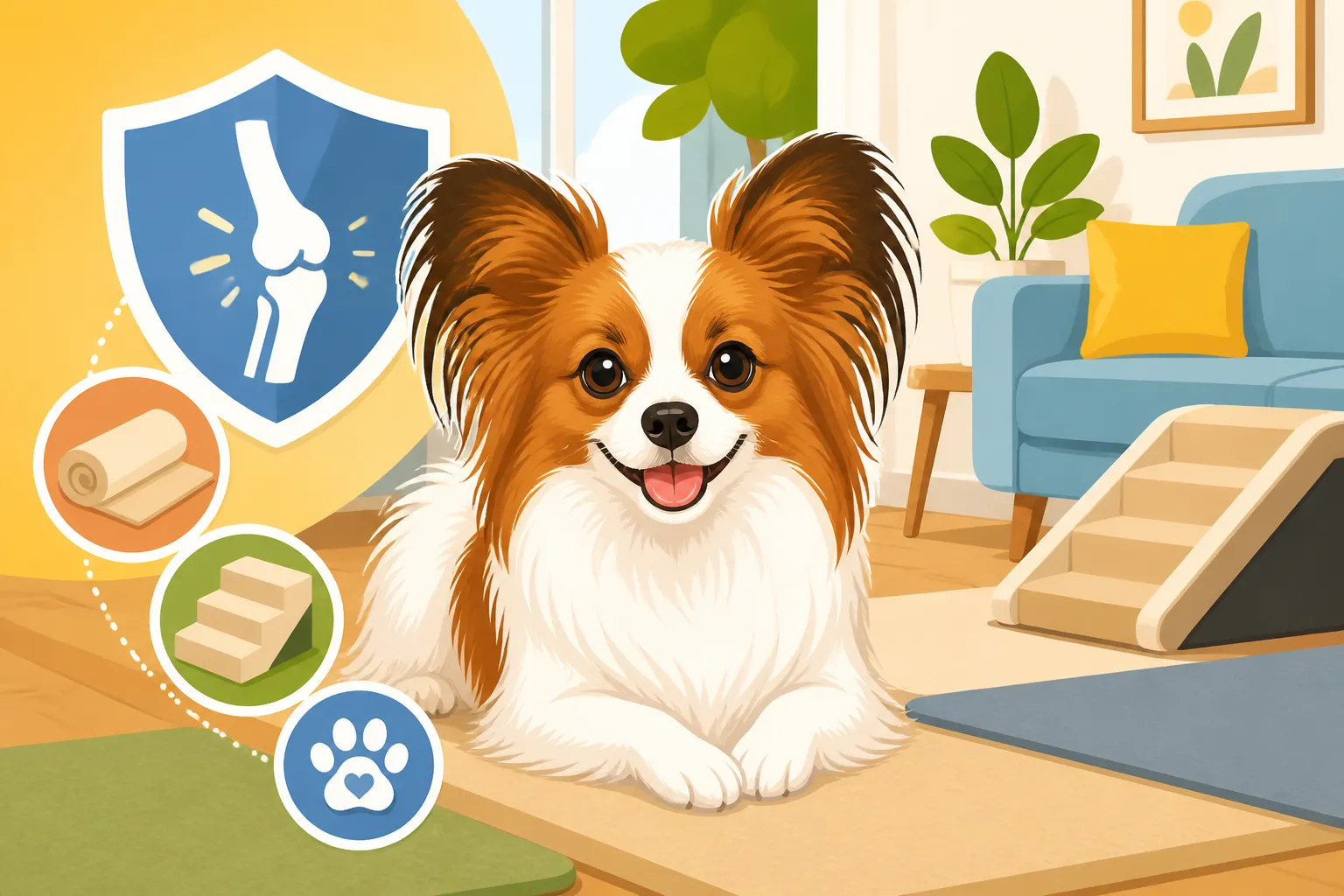
One excellent option is to strategically place large area rugs. Think beyond just one rug in the living room. Consider a runner in the hallway, smaller rugs in front of frequently used doors, and even under dining room tables. The key is to choose rugs with a good, non-slip backing, or to invest in high-quality rug pads to prevent the rugs themselves from becoming a new slipping hazard. Amazon and Chewy offer a wide selection of pet-friendly rugs and grippy underlays designed for this very purpose. When selecting rugs, look for ones with a low pile to avoid tripping hazards, but enough texture to give good grip.
For areas where rugs aren't feasible or desired, such as kitchens or bathrooms, consider temporary non-slip mats or even painting solutions. Some products are available that can be applied to floors to create a less slippery surface, though these often require more commitment. For a less permanent solution, interlocking foam mats, often used in home gyms or playrooms, can be placed down for designated play areas. Just ensure your Papillon doesn't chew on them! The aim is to create pathways and landing zones that offer secure footing, minimizing the chances of those dangerous slips and twists.
Area Rugs, Runners, and Non-Slip Options
Let's break down the specifics of how these options can transform your home into a safer environment.
Area Rugs: These are fantastic for larger open spaces like living rooms and bedrooms. They absorb impact better than hard floors, providing a softer landing spot for jumps (though we'll talk about discouraging jumping later!). When choosing, consider washable options, as accidents happen. Look for materials like wool blends or synthetic fibers that are durable and easy to clean. Remember, the larger the rug, the less slippery floor space there is.
Runners: Hallways are prime zoomie territory, and a long runner can be a lifesaver. It creates a continuous, safe path from one room to another, preventing those sudden bursts of speed from ending in a slide. Stair runners are also a wonderful idea if your Papillon uses stairs, as they provide essential grip and cushioning.
Non-Slip Coatings/Sprays for Paws: While not a flooring solution, some owners use paw waxes or non-slip sprays on their dog's paw pads to enhance grip. These can be helpful in conjunction with other floor modifications, especially for Papillons that have very slick paw pads. However, they are a temporary solution and don't replace the need for safer floor surfaces. Regularly trimming the hair between your Papillon's paw pads can also improve traction.
Traction Socks/Boots: For a dog that absolutely struggles on hard floors, or for temporary situations, specialized dog socks with rubberized bottoms or soft indoor boots can offer immediate grip. While some dogs take time to adjust to wearing them, they can be a great option for short periods, especially during recovery from a minor strain or to give extra confidence to an older dog. It's all about creating a consistent, grippy environment where your Papillon feels secure and their knees aren't constantly stressed.
| Flooring Type | Risk for Papillon Knees | Best Solutions | Pros | Cons |
|---|---|---|---|---|
| Hardwood/Laminate | High – very slippery | Area rugs, runners, non-slip mats, paw grippers | Aesthetic, easy to clean spills | No traction, hard impact |
| Tile/Stone | High – very cold & slick | Area rugs, bath mats, designated foam mats, paw grippers | Durable, easy to clean, cool in summer | Extremely slick, very hard impact, cold |
| Carpet (low pile) | Low – good traction | (Minimal intervention needed) | Good traction, soft landing, warm | Can trap allergens, harder to clean deep |
| Vinyl/Linoleum | Moderate – can be slick | Runners, small rugs in high traffic areas | Easy to clean, durable, moderate traction | Can still be slick when wet or worn |
Furniture and High Places: Managing Jumps and Falls
One of the greatest joys of living with a Papillon is their desire to be right there with you, often on your lap or snuggled beside you on the sofa. But this desire often involves daring leaps and bounds that, while impressive, are incredibly dangerous for their knees. Addressing how your Papillon interacts with furniture is paramount for joint health.
The Risks of Jumping On and Off Furniture
Let's be honest, watching a tiny Papillon launch themselves onto a sofa or bed with incredible agility is pretty cute. But every single one of those jumps is a risk. When they jump up, there's the chance of misjudging, slipping, or landing awkwardly. But the real danger often lies in the jump down. The impact force on their small joints, especially the knees and hips, can be several times their body weight, particularly if they land on a hard surface. This repeated high-impact stress can wear down cartilage, strain ligaments, and directly contribute to the kneecap slipping out of its groove. Why a Papillon Should Not Jump Before a Year discusses similar concerns for growing puppies, but the principle applies throughout their life.
Imagine you, as a human, jumping off a five-foot wall multiple times a day. You might not break anything immediately, but over time, your knees and ankles would certainly feel the strain, and injury would be far more likely. For a Papillon, a standard sofa or bed height is proportionally equivalent to a very significant drop for a human. It's not just about acute injury from one bad landing; it's about the cumulative trauma that makes their knees more susceptible to chronic issues like patellar luxation and arthritis later in life. We want them to feel safe and included, but not at the expense of their long-term health. Whether a Papillon Should Be Stopped From Jumping Off Furniture explores this challenge further.
Ramps and Steps as Essential Aids
This is where ramps and steps become your Papillon's best friends and an owner's peace of mind. Instead of forbidding them from joining you on the sofa (which can be hard to enforce and often leads to unhappy pups), provide a safe, easy alternative. Dog ramps and steps are designed specifically to eliminate those dangerous jumps. They allow your Papillon to ascend and descend furniture gracefully, distributing their weight evenly and removing the impact stress on their joints.
When choosing a ramp or steps, consider the height of your furniture. For a bed, a longer, gentler ramp might be more appropriate, offering a less steep incline. For a sofa, shorter steps might work better. Look for models with non-slip surfaces on the treads to ensure secure footing. Stability is also key; the ramp or steps should be sturdy and not wobble when your Papillon uses them. Brands found on Amazon or Chewy offer various styles, from carpeted steps to wooden ramps, so you can find something that fits your home's decor and your Papillon's preference. Introducing them might take a little patience and positive reinforcement, perhaps with some tasty treats. Once they get the hang of it, most Papillons quickly embrace these new pathways to their favorite cuddle spots. Whether Ramps Help a Papillon's Knees provides more insight into their benefits.
Rethinking Dog Beds and Sleeping Arrangements
Beyond the main furniture, also consider where your Papillon sleeps and rests. A low-profile dog bed placed directly on the floor is ideal, as it completely eliminates any jumping. If your Papillon prefers to sleep in a raised bed, ensure it's not too high, or provide a small set of steps for easy access. Remember, even small jumps from a low dog bed can contribute to cumulative stress over time, especially for an older Papillon or one already showing signs of joint weakness.
Another consideration is the type of bed itself. Orthopedic dog beds, often made with memory foam, can provide excellent support for joints, especially beneficial for Papillons with existing patellar issues or those entering their senior years. These beds cradle the body, relieving pressure points and promoting better rest, which is essential for joint health. While they might be a bit more of an investment, the comfort and support they offer can significantly contribute to your Papillon's overall well-being and mobility as they age. Think about it as proactive care, cushioning their body whether they're just lounging or deeply snoozing.
Creating a Safe Play and Activity Zone
Papillons are incredibly active and intelligent dogs that need appropriate outlets for their energy. While we want to protect their knees, we also don't want to stifle their joyful spirit. The key is to direct their play into safe, knee-friendly activities and environments.
Designated Play Spaces and Safe Toys
Having a designated play space within your home can be incredibly beneficial. This area should ideally have non-slip flooring – think a soft rug, carpet, or even those interlocking foam mats we discussed earlier. This gives your Papillon a secure place to do their zoomies and engage in spirited play without the risk of slipping on hard surfaces. Within this zone, provide a variety of appropriate toys.
What constitutes a "safe toy" for knee protection? Avoid toys that encourage excessive high jumping, twisting, or frantic, sudden stops. For example, a laser pointer might seem like fun, but the unpredictable movements it encourages can be very hard on joints as your dog twists and turns at high speeds. Instead, focus on toys that promote mental stimulation and more controlled physical activity. Puzzle feeders are fantastic for engaging their minds and can be found readily on sites like Chewy or Ollie. Soft balls for gentle games of fetch on a carpeted area, chew toys that satisfy their need to gnaw, or tug toys (played with moderation and proper technique to avoid neck strain) can all be excellent choices. The idea is to channel their energy in ways that are physically safe and mentally enriching.
Avoiding Risky Activities and Roughhousing
Sometimes, the most dangerous activities are the ones we inadvertently encourage. Roughhousing with your Papillon, while fun, often involves unpredictable movements, sudden changes in direction, and sometimes accidental tumbles. While a brief, gentle wrestling match might be okay, prolonged or overly enthusiastic play, especially with children or larger dogs, can put immense strain on those small, delicate joints.
It's also important to be mindful of games like throwing a ball directly up in the air for them to jump and catch, or allowing them to jump for treats. While occasional, controlled vertical jumps on a soft surface might not be catastrophic, making it a regular game significantly increases the risk of injury. Instead, throw balls low to the ground, encourage retrieving, or engage in scent games that require them to use their incredible noses rather than their vertical leap. Educate children in the household on how to play gently and safely with your Papillon, emphasizing that they are not as robust as larger breeds. Consistency in managing these interactions is key to preventing accidental knee injuries.
Managing Interactions with Other Pets and Children
This can be one of the trickiest aspects of protecting a Papillon's knees, especially if you have a multi-pet household or young children. Papillons are often fearless and will initiate play with much larger dogs, completely oblivious to the size difference. While many large dogs are gentle, an accidental bump, paw, or playful tackle from a much heavier dog can easily cause a knee injury. Supervised interactions are non-negotiable. When larger dogs are around, ensure play is calm and controlled, or separate them if the energy gets too high. Providing a "safe zone" for your Papillon, like a playpen or a raised bed they can retreat to, can also be helpful.
Children, particularly toddlers, often don't understand how fragile a small dog can be. They might try to pick up the Papillon incorrectly, drop them, or accidentally step on them during play. Establishing clear rules and boundaries for children from day one is vital. Teach them to always interact gently, to sit on the floor when playing, and never to pick up the Papillon without adult supervision. Emphasize that Papillons need space and a quiet retreat when they've had enough. Creating these safe social dynamics is just as important as physical home modifications in safeguarding your Papillon's joint health.
Beyond the Home: Outdoor Considerations for Joint Health
Our Papillons are often enthusiastic adventurers, eager to explore the world outside our front door. While the controlled environment of your home is crucial, extending that mindset of knee protection to outdoor activities is equally important.
Safe Outdoor Play Surfaces
Just like indoors, the surfaces your Papillon plays on outside can significantly impact their joint health. Concrete, asphalt, and other hard, unforgiving surfaces are generally not ideal for prolonged play. The repetitive impact from running and jumping on these surfaces can be very jarring for their small joints, leading to cumulative stress and potential injury over time. Imagine running barefoot on concrete all day – it’s not comfortable, and it's certainly not good for your knees and feet.
Instead, prioritize softer, more forgiving surfaces for outdoor playtime. A well-maintained lawn or grassy area is an excellent choice, as the natural give of the turf provides cushioning and reduces impact. Dirt paths or compacted sand can also be good options. If you have a fenced yard, ensure there are no hidden hazards like exposed roots or uneven ground that could cause a trip or awkward landing. If your Papillon enjoys fetch or other active games, try to play them on these softer surfaces rather than hard patios or driveways. The goal is to provide a playful environment that encourages healthy movement without excessive strain on their delicate knees.
Navigating Stairs and Uneven Terrain
Stairs, both indoors and out, pose a significant challenge for a Papillon's knees. Each step down can put a disproportionate amount of pressure and torque on their joints, especially if they rush or misstep. If your outdoor space includes stairs leading to a deck or garden, consider installing a ramp or carrying your Papillon if they're particularly prone to luxation. Even walking up a steep incline can be strenuous, so be mindful during walks.
Uneven terrain, such as rocky trails, gravel paths, or even very bumpy ground in a park, also presents risks. While some varied terrain can help build muscle strength and proprioception (awareness of body position), extreme unevenness forces your Papillon's legs into awkward angles and can lead to twists or falls. During walks, choose smoother paths where possible. If you must navigate rougher terrain, keep your Papillon on a short leash to guide them carefully and prevent sudden, uncontrolled movements. Observe their gait closely; if they show any hesitation or discomfort, it's a sign that the terrain might be too challenging for their joints.
Weather and Temperature Considerations
Believe it or not, weather and temperature can also play a role in knee protection. Extreme cold can stiffen joints and muscles, making them more susceptible to injury. In icy or snowy conditions, the risk of slips and falls increases dramatically. Consider a warm sweater or coat for your Papillon in colder months to keep their muscles and joints limber. Boots can also provide extra traction on slick surfaces and protect their paws from ice and salt.
Conversely, very hot weather and warm ground (like scorching asphalt or pavement) can cause paw pad burns, which might lead your Papillon to walk unnaturally to avoid pain, putting extra strain on other parts of their body. Always check the ground temperature with the back of your hand; if it's too hot for you, it's too hot for their paws. Humidity and heat can also lead to fatigue, which might make them less coordinated and more prone to missteps. Being aware of environmental factors and adjusting outdoor activities accordingly helps ensure their safety and joint health year-round. Whether a Papillon Gets Cold Under Anesthesia touches on their sensitivity to temperature in a different context, but it highlights their small size and how it affects their body.
Holistic Approaches to Joint Protection
While modifying your home is a huge step, protecting your Papillon's knees is really a multifaceted effort. It’s about creating an overall lifestyle that supports their joint health from every angle. Think of it as a wellness package for those precious little legs!
Maintaining a Healthy Weight
This is, without a doubt, one of the most critical factors in preventing and managing joint issues in any dog, but especially in a small breed like a Papillon. Every extra ounce your Papillon carries puts additional stress on their joints, particularly their knees, hips, and spine. Even a seemingly small amount of excess weight can significantly exacerbate patellar luxation or predispose a dog to developing it. Imagine carrying a backpack filled with bricks all day – that's what extra weight feels like to your Papillon's small frame.
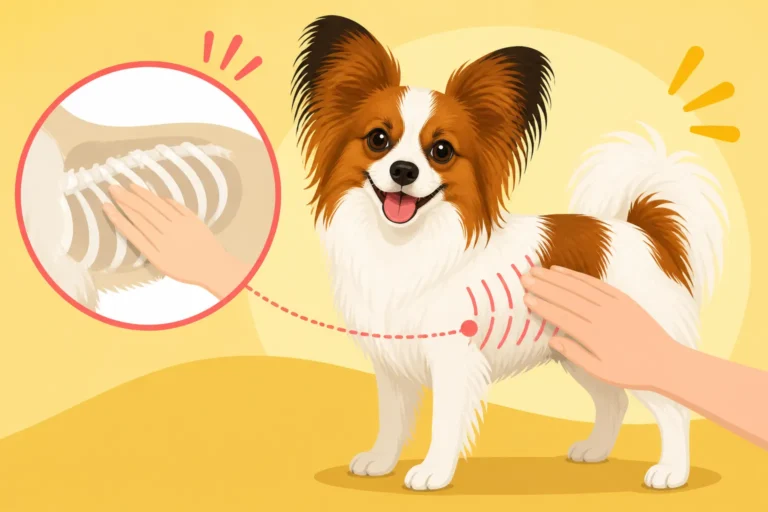
It’s surprisingly easy for Papillons to put on weight, as they are often eager eaters and their tiny size means even a few extra treats can make a big difference. Regular monitoring of their weight, feeling for their ribs (you should be able to feel them easily but not see them prominently), and talking to your vet about their ideal body condition score are essential. If your Papillon needs to shed a few pounds, work with your vet to create a diet plan that includes appropriate portion sizes and healthy, low-calorie treats. This might also involve increasing their controlled, low-impact exercise. Keeping them at a lean, healthy weight is perhaps the most impactful gift you can give their joints. Whether Weight Affects a Papillon's Knees delves into this topic more deeply.
The Role of Nutrition and Supplements
Just as important as how much your Papillon eats is what they eat. A high-quality, balanced diet provides the essential nutrients for overall health, including strong bones, healthy cartilage, and robust connective tissues. Look for dog foods that list real meat as the first ingredient and avoid excessive fillers. While a good diet is the foundation, sometimes targeted supplements can offer additional support for joint health, especially as your Papillon ages or if they have a diagnosed joint condition.
Common joint supplements for dogs include glucosamine, chondroitin, and omega-3 fatty acids (like EPA and DHA from fish oil). Glucosamine and chondroitin are often used together, as they are components of cartilage and are thought to help support cartilage health and joint fluid. Omega-3s are well-known for their anti-inflammatory properties, which can help reduce pain and stiffness associated with joint issues. However, always, always consult with your veterinarian before starting any new supplement regimen. They can advise on the appropriate type, dosage, and whether a supplement is truly necessary for your individual Papillon. Not all supplements are created equal, and your vet can help you choose reputable brands and formulations. You can often find vet-recommended supplements through online pet supply retailers like Chewy. For a general overview, Whether a Papillon Needs Joint Supplements is a good read.
Regular Vet Check-ups and Proactive Care
Even with the most meticulously arranged home and the healthiest diet, regular veterinary care remains the cornerstone of joint protection. Your veterinarian is your best partner in monitoring your Papillon's health and catching potential issues early. Annual wellness exams are crucial, as your vet can perform a thorough orthopedic examination, checking for any signs of patellar luxation, arthritis, or other musculoskeletal problems.
During these check-ups, don't hesitate to discuss any concerns you have, even if they seem minor. A subtle skip that you’ve noticed, a slight reluctance to jump, or a change in their activity level are all important observations to share. Your vet might recommend specific diagnostic tests, such as X-rays, if they suspect a significant issue. They can also provide guidance on appropriate exercise levels, weight management, and whether physical therapy or other interventions might be beneficial. Proactive care, meaning addressing concerns before they become major problems, is the most effective way to ensure your Papillon enjoys a long, comfortable, and active life with healthy knees. How a Papillon Hides Pain is a great resource to understand their subtle cues.
Making the Transition: Training and Patience
Changing habits and routines for your Papillon, and for yourself, can take time. It's not always an overnight transformation, but with patience and positive reinforcement, you can successfully implement these knee-protecting strategies.
Introducing New Safety Measures
When you bring new items into the home, like ramps or non-slip mats, your Papillon might initially be suspicious or hesitant. They thrive on routine and familiarity. The key is to introduce these changes gradually and make them a positive experience. Don't force your Papillon onto a ramp. Instead, place it near their favorite spot on the sofa and use treats and praise to encourage them to explore it. Guide them gently up and down, making it a game. You can even place a favorite toy or a small dollop of peanut butter at the top to entice them.
For non-slip mats, simply place them in high-traffic areas. Your Papillon will naturally start to use them. If they avoid a particular area, try moving the mat slightly or using a different texture. Consistency is crucial here. Every time you're about to sit on the sofa, gently encourage your Papillon to use the ramp. Over time, it will become second nature to them. Remember, these changes are for their benefit, and while it might take a little effort on your part, the long-term rewards for their joint health are immense.
Consistent Reinforcement and Positive Training
Papillons are incredibly intelligent and eager to please, which makes them highly trainable. This is a huge advantage when it comes to adopting new safety habits. Positive reinforcement – using treats, praise, and gentle encouragement – is far more effective than scolding or punishment. Every time your Papillon uses a ramp, walks on a mat, or chooses a low-impact toy, make a fuss! Let them know they’ve done something wonderful.
Consistency from all family members is also paramount. If one person encourages jumping while another enforces ramp use, your Papillon will become confused and frustrated. Everyone needs to be on the same page regarding the new house rules. Short, frequent training sessions are often more effective than long, drawn-out ones, as Papillons have excellent focus but can get bored with repetition. Keep it fun, keep it positive, and celebrate every small victory. The goal is to build new, safe habits that protect their knees without making them feel restricted or unhappy.
Adapting as Your Papillon Ages
Just like humans, a Papillon's body changes with age. What might have been an acceptable jump in their youth can become far too risky as they enter their senior years. As your Papillon matures, be prepared to re-evaluate your home setup and make further adjustments. An older Papillon might develop arthritis, even if they never had a severe patellar luxation. Their muscles might weaken, their vision might dim, and their coordination might not be what it once was. Caring for a Papillon Past Eleven outlines many of these changes.
This might mean adding more ramps, ensuring all furniture is accessible via steps, or even lowering their bed entirely. You might need to adjust their exercise routine to include more gentle walks and less strenuous play. Soft, orthopedic beds become even more critical for comfort and support. Keep up with those regular vet check-ups, as older dogs often benefit from more frequent examinations to monitor for age-related conditions. Embracing these adaptations ensures that your beloved Papillon can continue to navigate their home safely and comfortably, enjoying their golden years with dignity and minimal pain. What Changes in an Aging Papillon's Care is an invaluable resource for understanding these shifts.
Disclaimer
This article is for general informational purposes only and does not constitute professional advice. Laws, prices and regulations vary by location and change over time. Consult a qualified professional for guidance on your specific situation.