Whether a Papillon Gets Cold Under Anesthesia
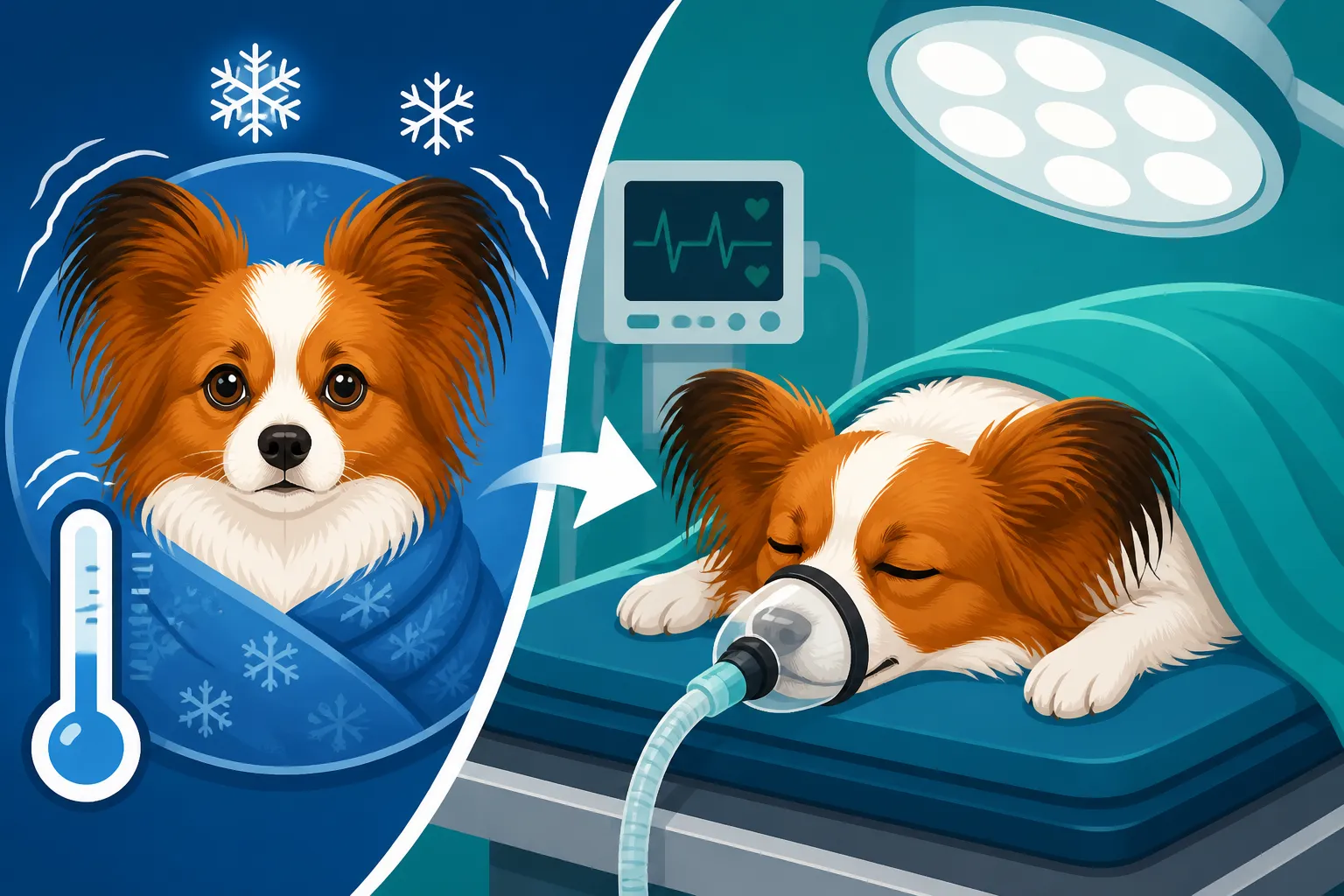
It’s a common, truly anxiety-inducing moment for any Papillon owner: your tiny, precious dog needs a procedure that requires anesthesia, and your mind races with concerns. Will they be okay? Will their little body handle it? One of the most common worries, and a very valid one at that, is whether your delicate Papillon will get dangerously cold under anesthesia. This guide will thoroughly explain why this concern is so prevalent for small breeds and what veterinary teams do to keep your beloved butterfly dog safe and warm throughout any procedure requiring sedation or general anesthesia.
Understanding Anesthesia and Body Temperature in Small Dogs
When we talk about anesthesia for our Papillons, it's not just about knocking them out. It's a complex process involving medications that affect their entire system, including their ability to regulate their own body temperature. For a dog as small and finely-boned as a Papillon, this becomes an even more critical consideration, one that veterinary professionals are acutely aware of and prepared for.
Why Size Matters with Temperature Regulation
Think about it this way: a tiny teacup full of hot tea cools down much faster than a large insulated thermos, right? The same principle applies to our small dogs like Papillons. They have a much larger surface area-to-volume ratio compared to a larger dog. This means that proportionally, more of their body surface is exposed to the cooler ambient air in the operating room, and they lose heat rapidly. There's less internal mass to generate and retain warmth. A Papillon might weigh just five to ten pounds, which means their core body temperature can drop precipitously if not actively managed. This isn't just an inconvenience; a significant drop in body temperature, known as hypothermia, can lead to serious complications, including slower drug metabolism, heart problems, and impaired blood clotting. It's why when discussing whether a Papillon is sensitive to anesthesia, their small size and propensity for heat loss is always a major factor.
The Impact of Anesthetic Drugs on Thermoregulation
It's not just the external environment; the anesthetic drugs themselves play a huge role in how a Papillon's body temperature behaves. Most anesthetic agents, both sedatives and general anesthetics, work by depressing the central nervous system. A key part of the central nervous system is the hypothalamus, which acts as the body's thermostat. When this "thermostat" is suppressed by drugs, the body loses its natural ability to shiver or constrict blood vessels to conserve heat. Blood vessels in the skin might even dilate, which can paradoxically increase heat loss. Combine this with the cool environment of a surgical suite, the flow of oxygen through anesthetic machines, and the fact that an animal is lying still for an extended period, and you have a recipe for rapid cooling in a tiny body. This is a primary reason why veterinarians take extra precautions, especially with smaller breeds.
Recognizing and Preventing Hypothermia During Papillon Surgery
Veterinary teams are highly trained to monitor and mitigate the risk of hypothermia in all patients, but especially in those delicate little ones like our Papillons. They understand the unique challenges their small size presents and implement specific strategies to keep them safe and warm from the moment they are anesthetized until they are fully recovered. Ensuring your Papillon's warmth is as crucial as monitoring their heart rate or blood pressure during any procedure, whether it's a routine dental cleaning or a more complex surgery.
Pre-anesthetic Warming and Monitoring
The prevention of hypothermia starts even before the first incision is made. Many clinics will begin warming measures for small breeds even before they enter the operating room. This might involve placing them on a heated mat during their pre-surgical prep or using warm blankets. When your Papillon needs bloodwork before a dental or any other procedure, this is not just to check organ function, but also to ensure they are healthy enough to withstand the stresses of anesthesia and maintain stable body temperature.
During the procedure, vigilant monitoring is paramount. Your Papillon will have a dedicated nurse or veterinary technician constantly monitoring their vital signs, including core body temperature. This is typically done with a rectal thermometer or an esophageal temperature probe, providing real-time data. This continuous monitoring allows the team to adjust warming measures as needed, ensuring their temperature stays within a safe range. This is part of the comprehensive care package you'd expect when considering whether a Papillon needs a pre anesthetic exam.
Active Warming Techniques Used in Veterinary Practices
Modern veterinary medicine employs a variety of effective active warming techniques to counteract heat loss in small dogs during anesthesia. These aren't just passive blankets; they actively introduce heat to your Papillon's body.
- Circulating Warm Water Blankets: These are perhaps the most common and effective. A mat with channels for warm water circulates beneath your Papillon, providing continuous, even heat. The temperature of the water can be precisely controlled, preventing overheating while ensuring consistent warmth.
- Forced Air Warmers (Bair Huggers): These systems use a hose to inflate a special blanket with warm air, creating a cozy, heated cocoon around your dog. This method is very efficient at maintaining core body temperature and is widely used for smaller patients.
- Warm IV Fluids: Administering intravenous (IV) fluids warmed to body temperature can help prevent internal cooling, especially since fluids are often given during anesthesia to maintain hydration and blood pressure.
- Insulating Materials: Beyond active warming, simple but effective measures like placing warm towels or foil blankets around exposed areas of your Papillon can help reduce convective and radiant heat loss.
- Infrared Lamps: In some cases, infrared lamps might be used cautiously to provide supplemental warmth, though direct, prolonged exposure needs to be carefully managed to prevent burns.
Veterinary professionals are well-versed in tailoring these methods to each individual patient, especially for breeds where warmth is so vital.
Post-Anesthetic Care and What to Watch For at Home
The commitment to keeping your Papillon warm doesn't end when the surgery is over. The recovery period is just as crucial, and monitoring their temperature remains a priority as they slowly wake up and their body's natural thermoregulation kicks back in.
Recovery Room Practices for Papillons
Once the procedure is complete, your Papillon will be moved to a recovery area, but the warming efforts continue. They will often remain on heated mats or snuggled in warm blankets, closely monitored by the veterinary team. This is a critical transition period, as their body still needs time to fully regain its ability to regulate temperature. The staff will continue to check their temperature, heart rate, and breathing as they come out of the anesthetic haze. They're looking for shivering, which, while a natural reflex to warm up, also signals that their body is still working hard to combat the cold. The goal is a gradual, safe return to normal body temperature, avoiding any sudden drops or spikes. This careful monitoring is a testament to the comprehensive approach to care, especially when considering more complex issues like Von Willebrand Disease and a Papillon That Will Not Stop Bleeding, where temperature regulation is vital for recovery.
Signs of Hypothermia and When to Seek Veterinary Help
Even with the best veterinary care, sometimes a Papillon might experience residual hypothermia as they go home. It's important for you, as the owner, to know what to watch for and when to act. Your veterinarian will give you specific post-operative instructions, but general signs of a Papillon being too cold include:
- Shivering or Trembling: While normal for a short period after anesthesia, prolonged or intense shivering could indicate they're still too cold.
- Lethargy and Weakness: They might be unusually drowsy, not wanting to move, or seem weak on their feet.
- Cold to the Touch: Their ears, paws, or even their entire body might feel noticeably cool to the touch.
- Pale Gums: Gums that are paler than usual can be a sign of poor circulation, which can accompany hypothermia.
- Slow or Shallow Breathing: Their breathing might seem labored or unusually slow.
If you observe any of these signs, especially if they are persistent, you should contact your veterinary clinic immediately. They will advise you on how to proceed, which might include bringing your Papillon back in for re-warming and further assessment. Remember, their small size means changes can happen quickly.
Here's a quick overview of how temperature is managed:
| Stage of Anesthesia | Primary Concern | Warming Strategies | Owner Observation at Home |
|---|---|---|---|
| Pre-anesthetic | Prevent initial temperature drop | Warm blankets, heated prep tables | N/A (at vet clinic) |
| Intra-anesthetic | Maintain core body temperature during surgery | Circulating warm water blankets, forced air, warm IV fluids, insulating wraps | N/A (at vet clinic) |
| Post-anesthetic | Gradual return to normal temperature | Heated recovery mats, warm blankets, close monitoring | Shivering, lethargy, cold extremities, pale gums |
Long-Term Considerations and How to Prepare for Future Procedures
Knowing that your Papillon is susceptible to getting cold under anesthesia can make future veterinary visits daunting. However, armed with information and good communication with your vet, you can feel confident that your little companion will receive the best possible care. This is especially relevant as your Papillon ages, as caring for a Papillon past eleven often involves more medical procedures.
Discussing Concerns with Your Veterinarian
Never hesitate to discuss your concerns with your veterinary team. Before any procedure, ask them about the specific protocols they have in place for small breeds to prevent hypothermia. You can ask:
- What active warming methods do you use during and after anesthesia?
- How frequently will my Papillon's temperature be monitored?
- What is the recovery environment like for small dogs?
- What signs should I watch for when my Papillon comes home, and who should I call if I'm concerned?
A good veterinary practice will welcome these questions and be transparent about their procedures. They understand your bond with your Papillon and want to reassure you. For instance, when it comes to the complex issue of whether a Papillon needs knee surgery for patellar luxation, discussing anesthetic protocols upfront can alleviate a lot of stress. Similarly, for routine procedures like How Often a Papillon Needs a Dental Cleaning, understanding their safety measures makes a big difference.
The Role of Pet Insurance in Anesthesia Costs
While the primary concern is your Papillon's safety, the cost of advanced monitoring and warming techniques can sometimes be a factor. Pet insurance can be incredibly helpful in mitigating these financial worries. Companies like Healthy Paws often cover a significant portion of unexpected veterinary bills, including those associated with anesthesia for surgeries, dental procedures, or other diagnostic tests. This means you can focus on making the best medical decisions for your Papillon without the added stress of the bill. It's truly a relief to know that if your Papillon needs, say, an unexpected procedure or even extensive dental work, a good pet insurance plan from Healthy Paws can help cover the costs of the necessary precautions and monitoring during anesthesia. Having that financial safety net allows you to authorize the best care, knowing that the expert team will prioritize all aspects of their well-being, including keeping them warm. Investing in a plan from providers like Healthy Paws can provide peace of mind for the entire lifespan of your cherished companion.
Disclaimer
The information provided in this article is for general informational purposes only and is not intended as a substitute for professional veterinary advice. Always consult with a qualified veterinarian regarding any medical concerns or before making any decisions about your pet's health. The health and safety of your Papillon should always be guided by a professional.