How Fast a Papillon’s Nails Grow
If you're a Papillon parent, you've probably noticed that those tiny little paws come with surprisingly robust, fast-growing nails. It's a common worry, trying to keep up with them without causing stress or, heaven forbid, drawing blood. The clicking sound on your hardwood floors might be annoying, but it's also a big signal that your beloved butterfly dog needs a pedicure, and this guide is here to walk you through exactly how fast those nails sprout and how to keep them perfectly trimmed for their health and comfort.
Understanding Papillon Nail Growth
It's easy to underestimate the importance of nail care, especially with such a small dog like a Papillon. Their feet are delicate, and their nails, while small, can cause a cascade of issues if left unchecked. Understanding the mechanics of their paw and why their nails grow so quickly is the first step toward effective maintenance.
The Anatomy of a Papillon's Paw and Nail
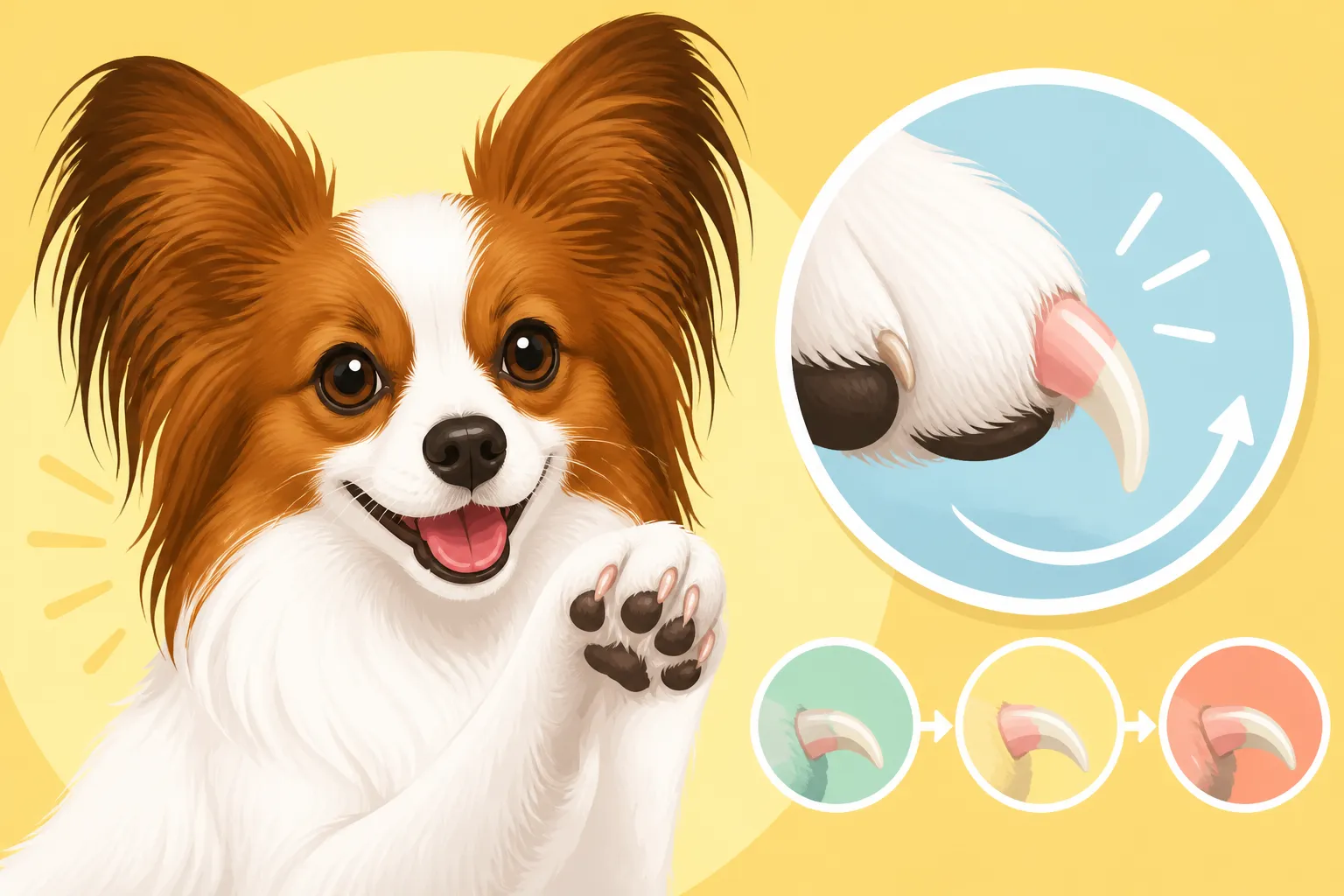
A Papillon's paw is a tiny marvel, built for agility and quick movements. Each little toe, complete with its nail, plays a role in balance and traction. The nail itself is composed of two main parts: the outer hard shell, which is essentially dead tissue, and the 'quick' – a sensitive core containing blood vessels and nerves. This quick grows with the nail, extending further down if the nail is allowed to become long. For Papillons, with their delicate bone structure and small stature, healthy paws are paramount. You can easily get anxious about trimming them, and that's perfectly normal; their size makes every interaction feel a bit more precise. It's worth noting that caring for all parts of their small bodies, from The Teeth in a Papillon's Small Jaw to their tiny paws, requires a gentle touch and consistent attention.
Because of their small size, Papillons often don't wear down their nails as effectively as larger, heavier dogs might on rough terrain. Even active Papillons who love to run and play in the yard might not get enough natural abrasion to keep their nails at an ideal length. This means the responsibility falls squarely on us, their human companions, to manage that growth. The quick, which can be seen as a pinkish area in lighter nails, is the critical part to avoid cutting. If you cut into the quick, it's painful for your Papillon and can cause bleeding, making future nail trims even more stressful for both of you.
Factors Influencing Growth Rate
Just like human nails, a Papillon's nail growth rate isn't one-size-fits-all. Several factors contribute to how quickly you'll find yourself reaching for the clippers. Understanding these can help you tailor a more effective grooming schedule.
Firstly, diet plays a surprisingly significant role. A high-quality diet, rich in essential nutrients, vitamins, and minerals, supports healthy nail growth – which often means faster, stronger growth. If your Papillon is on a premium kibble or a well-balanced raw or fresh food diet, their nails might grow more vigorously than a dog on a lower-quality diet. Supplements for skin and coat health can also indirectly contribute to nail strength and growth. It's about overall health, and a healthy dog will usually have healthy, fast-growing nails.
Secondly, and perhaps most crucially, is activity level and environment. Papillons are active little dogs, but how and where they exercise makes a big difference. Dogs that regularly walk on abrasive surfaces like concrete, asphalt, or rough pavement naturally wear down their nails. If your Papillon spends most of their time on soft indoor carpets, manicured lawns, or even in agility rings with specialized rubber flooring, their nails won't get that natural filing action. This is why even a very active Papillon might still need frequent trims. Think about how often your dog actually scrapes their nails against a rough surface; for many pampered Paps, it’s not often enough.
Finally, genetics and age also have a say. Some Papillons simply have nails that grow faster or are harder than others, just like some people have stronger, faster-growing fingernails. You might notice this more acutely if you have multiple Papillons and find one needs trimming more frequently than another. Furthermore, a young, growing Papillon puppy might have different nail growth patterns than a senior Papillon. As dogs age, their metabolism can slow, and this might subtly affect nail growth, though nail care remains a vital part of Caring for an Aging Papillon.
The "Too Long" Problem and Its Consequences
That subtle clicking sound your Papillon's nails make on the floor? It's not just an auditory nuisance; it's a warning sign. Nails that are too long can lead to a host of uncomfortable and potentially painful problems for your small companion, far beyond just aesthetic concerns. It's truly a critical aspect of their overall well-being.
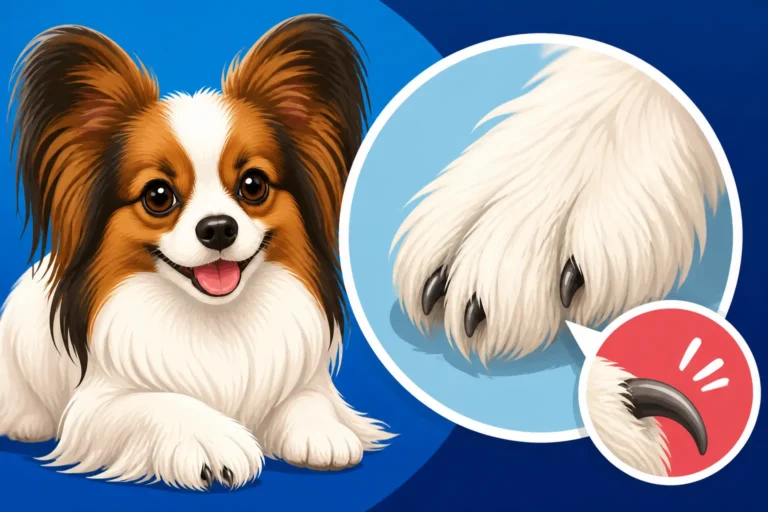
When a Papillon's nails are too long, they push up against the ground, forcing the toes to splay and placing abnormal pressure on the delicate paw structure. Imagine trying to walk with shoes that are too small, constantly pushing your toes back – it's uncomfortable and can eventually cause lasting damage. This constant pressure can lead to splayed toes, which might not sound severe, but it can alter your dog's gait and lead to chronic discomfort. Over time, it can even contribute to arthritis and joint pain in their small toes and ankles, a concern that can exacerbate other breed-specific issues like Whether a Papillon's Knees Get Worse With Age.
Beyond joint issues, excessively long nails can also cause difficulty with traction and balance. A dog needs to grip the ground with their paw pads, but long nails act like tiny stilts, lifting the pads off the floor. This makes them less stable, particularly on slippery surfaces like hardwood or tile, increasing their risk of slips, falls, and injuries. This can be especially problematic for an agility dog, where precise footing is crucial, highlighting How Short a Papillon's Nails Must Stay for Agility. In severe cases, very long nails can even curl under and grow into the paw pad, causing incredibly painful ingrown nails that are prone to infection and require veterinary intervention. Nobody wants to see their beloved Papillon in pain, and sadly, long nails are a completely preventable source of discomfort.
Regular Maintenance: Staying Ahead of the Growth Curve
Keeping up with a Papillon's nail growth can feel like a never-ending battle, but establishing a consistent routine makes all the difference. Regular maintenance isn't just about avoiding problems; it's about promoting your dog's comfort, mobility, and long-term health.
How Often is "Often Enough"?
This is the million-dollar question for many Papillon owners, and the honest answer is: it varies! There's no rigid schedule that applies to every single Papillon because, as we discussed, growth rates differ. However, a general rule of thumb for most Papillons is to check and trim their nails every 1-2 weeks. Yes, that often!
For highly active Papillons who get a lot of walks on pavement, you might find you can stretch it to every two or even three weeks. But for those who spend more time indoors or on soft surfaces, weekly checks are a must. The best indicator is the "click" test: if you hear your Papillon's nails clicking on hard floors when they walk, they are already too long. You should barely be able to slide a piece of paper under their nails when they are standing on a flat surface. Another visual cue is to look at their paws from the side: their nails should not extend beyond the paw pad. If you can see daylight between the tips of their nails and the floor, you're in a good zone. Consistency is key here; frequent, small trims are far better than infrequent, drastic ones for keeping the quick shorter and preventing stress for your dog. This kind of consistent care, much like How Often a Papillon Needs Brushing for their lovely coats, prevents bigger problems down the line.
Tools of the Trade for Tiny Paws
Having the right equipment is crucial for a stress-free nail trimming experience. Because Papillons have small, delicate paws, you'll want tools designed for precision and control. Don't grab those heavy-duty clippers meant for a Labrador; you need something more suited to a fine instrument!
There are two main types of clippers to consider: scissor-style clippers and guillotine clippers. For Papillons, many owners find scissor-style clippers (often looking like miniature scissors with a safety stop) to be more user-friendly. They offer better visibility and control over exactly how much nail you're taking off. Guillotine clippers, while effective, can sometimes feel a bit bulky for such tiny nails. Whatever type you choose, make sure they are sharp. Dull clippers crush the nail rather than cutting it cleanly, which can be painful for your dog and lead to splintering. You can find a good selection of quality clippers designed for small breeds on platforms like Amazon or Chewy.
Another excellent tool, especially if your Papillon is anxious about clippers or has dark nails, is a dremel-style nail grinder. These electric tools file the nail down gently. The advantage here is that you can take off tiny bits at a time, making it easier to avoid the quick and allowing it to recede over time with consistent use. Some dogs tolerate the vibration and sound of a grinder better than the sudden snip of clippers. Again, models suitable for small dogs are readily available from pet supply retailers.
No matter which method you prefer, always have styptic powder on hand. This magical powder stops bleeding quickly if you accidentally nick the quick. Even the most experienced trimmers can have an accident, so being prepared can save both you and your Papillon a lot of distress. It's a small investment for peace of mind.
Building a Positive Nail Trimming Routine
If the thought of trimming your Papillon's nails fills you with dread, you're not alone. Many owners struggle, especially if their dog has had a bad experience in the past. But with patience, consistency, and a positive approach, you can turn nail time into a manageable, even calm, routine.
The key is to start young and make it positive. If you have a Papillon puppy, begin handling their paws frequently from day one. Touch their toes, gently squeeze their paw pads, and get them used to having their feet manipulated. Pair these sessions with high-value treats and praise. Don't even introduce clippers or a grinder immediately. Just accustom them to the sensation of being touched and held. This early desensitization is invaluable.
When you do introduce the tools, take it slow. Let your Papillon sniff and investigate the clippers or grinder. Turn the grinder on briefly away from them so they get used to the sound. The first few "trims" might just involve clipping one nail, or even just touching the clipper to a nail without actually cutting. Immediately follow with a super tasty treat, like a piece of cheese or a delicious soft training treat. You might even find some excellent, high-value treat options from brands like Ollie that can make this process a breeze. The goal is to create a positive association: nail trim equals delicious reward!
Remember to keep sessions short and sweet. If your Papillon starts to get stressed or pull away, stop. Pushing them through a fearful experience will only make it worse next time. You can always try again later or the next day. If you're consistently struggling, don't hesitate to seek professional help. Your veterinarian or a professional groomer can often provide guidance, demonstrate proper technique, or even do the trimming for you while you observe. Sometimes, seeing it done by a pro can build your confidence, and they might have tips specific to your dog's temperament. This kind of consistent care and attention to detail extends to all aspects of their grooming, including Whether a Papillon's Feathered Feet Hide Long Nails and require specialized attention.
Advanced Considerations and Common Challenges
Even with a good routine, nail care for a Papillon can present unique challenges. From avoiding the quick to managing anxiety, these tiny details can make a big difference in ensuring a comfortable experience for both you and your dog.
The Dreaded Quick: Keeping it Receding
The quick is the living part of your Papillon's nail, and it's every owner's nemesis during a nail trim. If nails are allowed to grow long for extended periods, the quick grows right along with them, making it impossible to trim the nails back to a healthy length without causing pain and bleeding. This is where the concept of "quick recession" comes in.
The quick will recede if the nail is consistently kept short. This means frequent, small trims are your best friend. Instead of waiting until the nails are visibly long and then attempting a big cut, aim to take off just the very tip of the nail every week or two. With each small trim, the quick slowly pulls back from the end of the nail. Over time, this allows you to gradually shorten the nail bed, achieving that ideal length where the nails don't touch the floor. It takes patience and consistency, but it's incredibly effective. This dedicated attention to detail ensures your Papillon remains comfortable and avoids issues that could affect their movement or quality of life, similar to how Setting Up a House That Protects a Papillon's Knees helps prevent injuries.
If you do accidentally nick the quick, don't panic. It's startling for both of you, but it's rarely serious. Apply styptic powder firmly to the bleeding nail and hold pressure for a few seconds. Offer a treat and comfort your Papillon. They might be a bit wary for the next few trims, so be extra gentle and focus on positive reinforcement. A small mishap shouldn't derail your entire nail care routine.
White Nails vs. Dark Nails: The Visibility Challenge
One of the biggest frustrations for Papillon owners is the variation in nail color. If your Papillon has beautiful white nails, you're in luck! The quick is often visible as a pinkish area, making it relatively easy to see exactly where to cut. You simply aim to cut just before the quick begins, leaving a small margin for safety.
However, many Papillons have dark nails – black, dark brown, or even striped – which completely obscure the quick. This can feel like navigating a minefield in the dark! It's undoubtedly one of the most common reasons owners dread nail trims. Don't feel bad if you find this challenging; it truly is harder.
For dark nails, the technique shifts to tiny, incremental trims. Instead of aiming for a single cut, you'll want to take off very thin slices from the tip of the nail. After each slice, look at the cut surface. You'll see a small grey or white circle in the center. As you get closer to the quick, this circle will become darker, appearing as a small black or dark grey dot. This dark dot is your signal to stop; you're just at the quick. If you continue cutting, you'll hit it. For some, shining a bright flashlight from underneath the nail can sometimes help reveal the quick's outline, but this isn't always effective with very dark or thick nails. When in doubt, always err on the side of caution and cut less.
Addressing Fear and Anxiety in Your Papillon
A Papillon who is terrified of nail trims makes the process a nightmare for everyone. Whether it's due to a previous bad experience, the sensation of the clippers, or simply an anxious personality, addressing this fear is crucial for their well-being and your sanity.
Desensitization and counter-conditioning are your most powerful tools. This means gradually exposing your Papillon to the nail trimming process while pairing it with something highly positive. Start small:
- Just touch their paws: Give a treat.
- Touch clippers to a nail (no cut): Give a treat.
- Clip one tiny sliver off one nail: Give a jackpot of treats and praise.
- Gradually increase the number of nails clipped per session.
The key is to never force it. If your dog is struggling, take a break and try again later. Use high-value treats that your Papillon absolutely loves – something they don't get at any other time. This makes the reward extremely motivating. Some owners find that a Lickimat smeared with peanut butter or plain yogurt can be a fantastic distraction, keeping their Papillon busy and happy while they work. This focused treat delivery can make a huge difference in turning negative associations into positive ones, much like how finding the right motivation is key when teaching them Which Tricks a Papillon Picks Up First.
If your Papillon's anxiety is severe, consider consulting with a certified professional dog trainer or a veterinary behaviorist. They can offer personalized strategies and, if necessary, discuss options like gentle sedation from your vet for particularly difficult cases. Remember, patience and empathy are paramount. Your Papillon isn't trying to be difficult; they are genuinely afraid or uncomfortable, and it's our job to help them feel safe and cared for. This includes recognizing when they're uncomfortable, as How a Papillon Hides Pain can sometimes make it difficult to spot subtle signs of distress.
Nail Care Comparison Table
Here's a quick comparison of common nail care tools for your Papillon:
| Tool Type | Pros | Cons | Best For |
|---|---|---|---|
| Scissor Clippers | Good visibility for small nails; precise; quiet | Requires careful aim to avoid quick; can be intimidating to beginners | Owners confident with quick visibility; small, fine nails |
| Guillotine Clippers | Quick and efficient for thicker nails | Can feel bulky for tiny Papillon paws; less precise | Larger small breeds; quick, experienced trimmers |
| Dremel Grinder | Smooth finish; recedes quick over time; less risk of cutting quick | Noise/vibration can scare some dogs; takes longer; generates dust | Anxious dogs; dark nails where quick is invisible; maintaining short nails |
| Styptic Powder | Essential for quick bleed control | Doesn't prevent quicking; can be messy | Always have on hand, regardless of method |
Regular nail care is a cornerstone of your Papillon's overall health and happiness. By understanding their unique nail growth, using the right tools, and approaching the task with patience and positivity, you can keep those tiny paws healthy and comfortable for their long, active life.
Disclaimer
This article is for general informational purposes only and does not constitute professional advice. Laws, prices and regulations vary by location and change over time. Consult a qualified professional for guidance on your specific situation.