Whether a Papillon Burrows Under Blankets
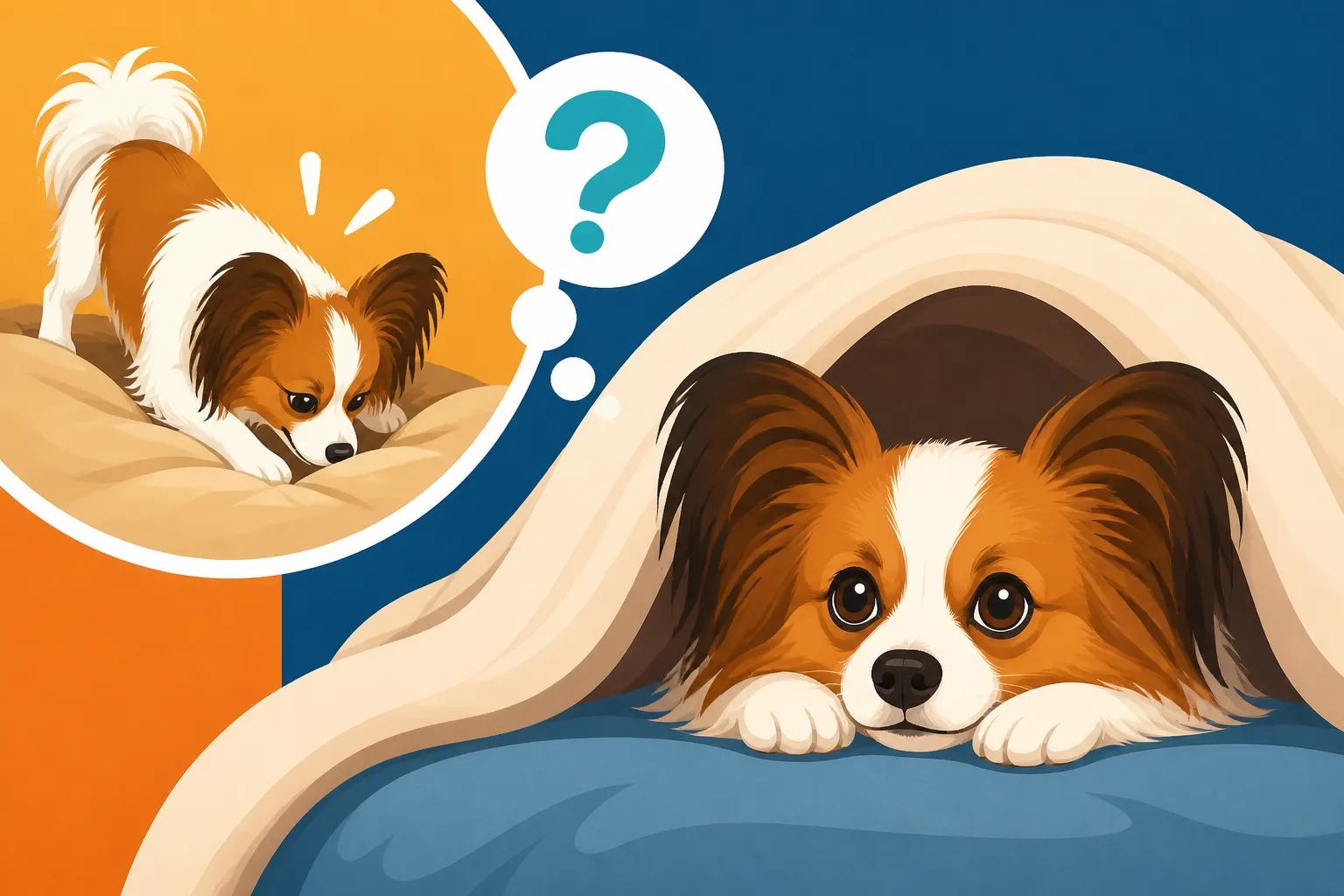
It's such a common sight for Papillon owners: you look around for your little butterfly dog, only to find a suspicious lump under a blanket on the sofa, or perhaps a tiny nose peeking out from a pile of laundry. This endearing habit of burrowing isn't just a quirky individual trait; it's a deeply ingrained behavior that speaks volumes about their instincts and desire for comfort. This guide will explore exactly why your Papillon loves to disappear under blankets and how you can ensure they have the safest, coziest burrowing experience possible.
The Innate Instinct: Why Papillons Love to Burrow
If you've ever wondered why your Papillon treats every blanket like a personal cave, you're tapping into a long lineage of canine behavior, amplified by their specific breed traits. It's not just about being cute; it's about comfort, security, and warmth.
A Deep-Rooted Need for Warmth
Let's face it, Papillons are small dogs. When you consider How Much a Papillon Weighs, it's clear they don't have a lot of body mass or thick undercoat to keep them warm. Unlike many breeds that boast a dense double coat, a Papillon's beautiful, flowing single coat, while glamorous, isn't designed for extreme cold. This means they can get chilly pretty quickly, even indoors, especially when you consider drafts or cooler ambient temperatures.
For centuries, small dogs like the ancestors of our Papillons were cherished lap companions, not just for their affectionate nature but also as literal "lap warmers" in drafty castles and homes. That instinct to seek out a warm body or a cozy, insulated space for heat retention is still very much alive in them today. Burrowing under a blanket provides a fantastic microclimate where their body heat can be trapped, creating a snug and warm haven, far more inviting than an open bed on a cool floor.
This need for warmth becomes even more pronounced in certain situations. For example, if your Papillon ever needs surgery, you'll find veterinarians are exceptionally careful about keeping them warm, understanding Whether a Papillon Gets Cold Under Anesthesia. Their tiny bodies simply don't regulate temperature as easily as larger breeds. So, that urge to tuck themselves into a warm cocoon is completely natural and often a very practical response to feeling a bit nippy.
Seeking Security and Comfort
Beyond just warmth, burrowing fulfills a deep psychological need for security. Think about their wild ancestors, or even small prey animals in nature. A dark, enclosed space offers protection from perceived threats, a place to hide and feel safe. Even though our Papillons live in comfortable homes, that primal "denning" instinct remains. Being completely enveloped by a blanket can dramatically reduce feelings of vulnerability, making them feel snug and protected from the big, wide world.
This sense of security is particularly important for a dog like a Papillon, who, despite their confident demeanor, is still physically quite delicate. They often act like The Papillon Has No Idea It Is Small, bravely interacting with the world, but there's a part of them that appreciates having a safe retreat. A burrow offers a psychological "safe zone," a place where they can fully relax without needing to be vigilant. It's their personal fortress, shielding them from loud noises, sudden movements, or even just the general bustle of a busy household.
For some Papillons, burrowing can also be a comfort mechanism if they experience mild anxiety or stress. If a storm is brewing, fireworks are going off, or there's a lot of unfamiliar activity, retreating into a cozy blanket can be immensely soothing. It's their way of hitting the "reset" button and finding a quiet moment of peace in a world that can sometimes feel overwhelming.
The Papillon's Personality: Cozy and Cuddly
Papillons are renowned for their affectionate and devoted personalities. They thrive on companionship and enjoy being close to their people. This innate desire for closeness extends to their environment, making soft textures and cozy nooks incredibly appealing. A soft blanket isn't just a covering; it's an extension of the comforting feeling they get from cuddling with you.
Their love for cozy spaces also ties into their adaptability. Many Papillons are perfectly suited for apartment living, as discussed in Whether a Papillon Suits an Apartment, and a big part of that is their ability to create their own comfortable micro-environments within a smaller space. A blanket fort on the sofa or a snuggle sack in a corner becomes their personal haven, regardless of the size of the dwelling. They don't need acres of land to be happy, but they certainly appreciate a well-appointed, cozy spot.
This breed often develops a strong bond with their owners, and a shared blanket can reinforce that connection. There's a certain intimacy in a Papillon burrowing right beside you, or even under the covers with you, a testament to their desire for warmth and contact. It’s part of What a Papillon Does All Day – a lot of napping and snuggling! It’s a natural expression of their sweet, comfort-seeking temperament, and it's one of the many reasons we find them so utterly charming.
Creating the Perfect Burrowing Haven for Your Papillon
Since burrowing is such a natural and comforting behavior for Papillons, why not encourage it in a safe and structured way? Creating dedicated burrowing spots in your home can enhance your Papillon's well-being and provide them with the security they crave.
Choosing the Right Bedding and Blankets
When it comes to blankets, soft is always the key. Fleece throws are a universal favorite among burrowing dogs because they're lightweight, incredibly soft, and trap heat wonderfully. Old sweaters, soft towels, or even designated dog blankets work beautifully. The idea is to provide something pliable that they can easily manipulate with their paws and nose to create their ideal cocoon. Don't be surprised if your Papillon has a strong preference for certain blankets over others; they're connoisseurs of comfort!
Beyond just loose blankets, there are several types of beds specifically designed to cater to a Papillon's burrowing instincts. "Cave beds" or "hooded beds" come with a soft, semi-rigid top that acts like a permanent roof, offering an instant den. "Snuggle sacks" or "sleeping bags" for dogs are essentially a pouch made of soft fabric, allowing your Papillon to crawl completely inside. These can be particularly appealing because they mimic the feeling of being fully immersed in a pile of blankets without the worry of the blanket shifting off. You can find a fantastic array of these options at online retailers like Chewy or Amazon, making it easy to experiment with what your Papillon loves most.
It's also worth considering the material from a practical standpoint. Choose fabrics that are machine washable and can withstand frequent cleaning, especially around their meal times if they tend to get messy or if you're offering them a delicious, fresh meal from a brand like Ollie that might occasionally leave a crumb. You want their burrowing spot to be a hygienic haven, not a petri dish.
Ideal Locations for Burrowing Spots
The location of your Papillon's burrowing spot can be almost as important as the bedding itself. While they might occasionally burrow right into your lap, having designated spots offers them consistency and a personal retreat. Many Papillons prefer to burrow near their owners, feeling comforted by your presence, but perhaps not directly in the main thoroughfare where they might be disturbed. A cozy corner in the living room, a spot next to your desk, or even a section of your bed (if you allow Whether a Papillon Sleeps in the Bed) are all prime real estate.
If your Papillon is crate-trained, their crate can become an ultimate burrowing sanctuary. Line it with a soft bed and plenty of blankets, and cover the crate with a breathable cover to enhance that den-like, secure feeling. This provides a consistent, safe space that they can retreat to at any time, knowing it’s entirely their own. This is especially helpful if they need a quiet place to unwind after a busy day or during times of household activity.
Avoid placing burrowing spots in high-traffic areas where they might be stepped on, or in drafty locations near doors or windows. Pay attention to where your Papillon naturally gravitates when they're looking for a snooze; these are often the best clues as to where their ideal burrowing spot should be. Observing their habits will reveal their preferences, ensuring their haven is truly perfect for them.
Teaching Your Papillon to Use Their Burrow
While many Papillons instinctively take to burrowing, some might need a little encouragement, especially if they're still puppies or new to your home. The key here is positive reinforcement. Start by making the burrowing spot as inviting as possible. Place a favorite toy or a few tasty treats inside, and gently guide your Papillon towards it. If they enter, even just to sniff, offer praise and another treat.
You can also try "priming" the burrow. Lightly arrange the blankets into a nest or a cave-like shape, making it clear that this is a place for snuggling. When your Papillon is relaxed and sleepy, gently place them into the prepared burrow. If they settle in, reward them with soft praise and allow them to enjoy the peace. The goal is to create a positive association, so they view their burrow as a wonderful, rewarding place to be.
Consistency is crucial. Always make sure their burrowing spot is available and comfortable. If they choose to burrow elsewhere sometimes, that's okay, but continue to reinforce the designated spot. Over time, your Papillon will learn that this special spot is their personal retreat, a place where they can feel safe, warm, and utterly content. This consistent availability is part of What a Papillon Needs Every Day – a secure and comfortable place to rest.
Managing Burrowing Behavior: Safety and Comfort
While burrowing is a sweet and natural behavior, responsible pet ownership means ensuring it’s always safe and hygienic for your Papillon. There are a few considerations to keep in mind to prevent any issues.
Ensuring Your Papillon's Safety While Burrowing
One of the most important safety considerations is ensuring adequate ventilation and preventing overheating. While Papillons love warmth, excessive heat can be dangerous. Make sure the blankets aren't so thick or piled so high that they restrict airflow, especially if your dog is prone to digging in deep. In warmer weather, you might offer lighter blankets or ensure they have a choice of a non-burrowing spot to cool off. Keep an eye out for signs of overheating, such as excessive panting, and ensure they always have access to fresh water.
Another critical point, particularly in households with multiple people, is to make sure everyone knows your Papillon might be hiding in a blanket. It's shockingly easy for a small, burrowing dog to be accidentally sat on or kicked if someone doesn't realize they're there. Encourage family members to always check blankets, cushions, or piles of laundry before sitting or moving them. A gentle "Where's the Pap?" before plopping down can save a lot of heartache. This awareness is especially important in living rooms where blankets are often casually tossed around.
Finally, consider the materials themselves. Ensure there are no loose strings or small embellishments on blankets that could become a choking hazard if your Papillon decides to chew. Also, be mindful of where the burrowing takes place. If they love to burrow into laundry baskets, ensure those baskets are always in a safe, visible spot where they won't be easily knocked over or have heavy items placed on them.
Keeping Burrowing Spaces Clean
Just like any other part of your dog's environment, their favorite burrowing blankets and beds need regular cleaning. Blankets collect hair, dander, dirt, and sometimes even the remnants of a hidden treat. Regular washing is essential for hygiene and to keep their resting spots fresh and inviting. Depending on how frequently your Papillon uses a particular spot and how messy they are, aim for washing blankets weekly or at least bi-weekly.
Consider having a few sets of blankets or bed covers so you always have a clean one ready while others are in the wash. This is especially true for cave beds or snuggle sacks, which might not be as quick to dry as a simple fleece throw. Maintaining cleanliness not only contributes to your Papillon's comfort but also helps manage dander and allergens in your home. This level of regular maintenance is just as important as grooming, even though a Papillon's coat might not mat as much as you'd think, as discussed in Why a Papillon's Long Coat Takes Twenty Minutes a Week.
For beds that aren't easily washable, like a bolstered dog bed, use removable covers and vacuum or spot clean the base regularly. You want their little hideaway to be a place of pristine comfort, not a collection of dust bunnies and forgotten kibble. This simple routine goes a long way in ensuring your Papillon's continued health and happiness.
When Burrowing Becomes Excessive or Problematic
While burrowing is normal, any sudden, drastic change in behavior is always worth noting. If your Papillon suddenly starts burrowing constantly, isolating themselves more than usual, or seems reluctant to come out, it could be a sign that something is amiss. This could range from physical discomfort or pain to increased anxiety. For instance, sometimes a dog might hide more if they're not feeling well, as a way to self-soothe or to escape attention.
It's important to differentiate between normal comfort-seeking burrowing and behavior driven by separation anxiety. While burrowing can be a coping mechanism for anxiety, if it's accompanied by other signs like destructive chewing, inappropriate urination or defecation when left alone, or excessive vocalization, then it might be Signs a Papillon Has Separation Anxiety and require a different approach. In such cases, a professional trainer or veterinary behaviorist can help you address the root cause of the anxiety.
If you ever have concerns about your Papillon's burrowing habits or any other behavioral change, don't hesitate to consult your veterinarian. They can help rule out any underlying health issues and provide guidance on managing specific behaviors. Ultimately, your Papillon’s burrowing should be a source of comfort and joy for them, and for you, a delightful glimpse into their sweet, instinctual nature.
Disclaimer
This article is for general informational purposes only and does not constitute professional advice. Laws, prices and regulations vary by location and change over time. Consult a qualified professional for guidance on your specific situation.