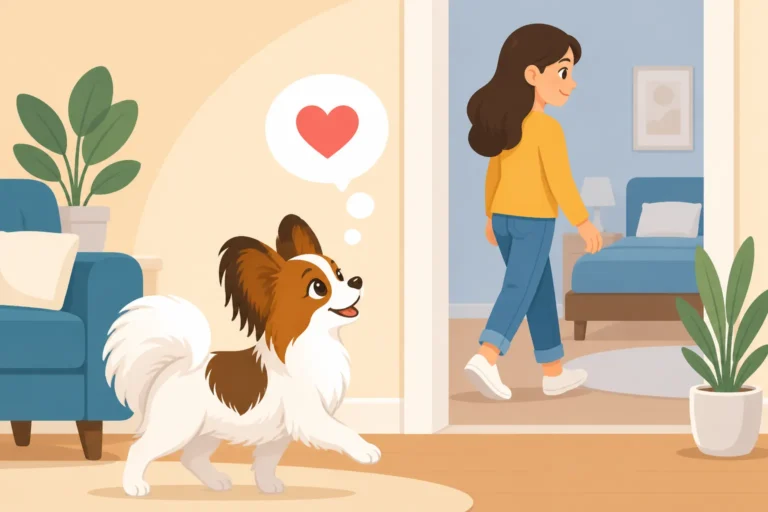
Whether a Papillon Sleeps in the Bed
One of the most heartwarming moments for any Papillon owner is watching their tiny companion drift off to sleep, often snuggled right up against them. Many of us grapple with the question: is it truly okay for our little butterfly-eared friends to sleep in our beds? It’s a common dilemma, tugging at the heartstrings and sometimes leading to conflicting advice, but this guide will explore all sides of this cozy conundrum, helping you make the best choice for you and your beloved Papillon.
The Pros and Cons of Bed-Sharing with Your Papillon
There's a special bond that forms when you share your bed with your dog. It's an age-old practice, even if our modern homes sometimes make us question its wisdom. For a tiny breed like the Papillon, the appeal is even stronger – they seem to fit perfectly, don't they? But like anything wonderful, there are two sides to every coin.
The Comfort and Connection of Co-Sleeping
Let's be honest, there's nothing quite like snuggling up with your Papillon at night. Their soft fur, their gentle breathing, the way they seem to melt into your side – it’s pure comfort. This isn't just a one-way street, though. Dogs are pack animals, and for many, sleeping near their human provides a deep sense of security and belonging. This can be especially true for a breed that thrives on companionship like the Papillon. They form strong attachments, and being close to you, even during sleep, reinforces that bond.
Many owners report that their Papillons seem happier and more settled when they are allowed to sleep in the bed. This increased sense of security can actually reduce anxiety in some dogs, leading to a calmer demeanor throughout the day. For you, the human, the benefits can include reduced stress, a feeling of security, and even better sleep for some, as the rhythmic breathing of a dog can be very soothing. It's a mutual exchange of warmth and affection that strengthens the unique relationship you share. Think of it as an extension of their desire to follow you room to room, a natural expression of their devotion.
Potential Downsides for Both You and Your Pup
While the allure of a Papillon sleeping in your bed is strong, it's crucial to acknowledge the potential downsides. For starters, sleep quality can suffer for both parties. Your Papillon might shift, snore (yes, even tiny dogs snore!), or have different sleep cycles than you, leading to disrupted rest. Similarly, if you're a restless sleeper, you might disturb your little dog.
From a behavioral standpoint, allowing a Papillon to sleep in your bed can sometimes contribute to issues like resource guarding – where they become possessive of the bed or even you. While not universal, a Papillon, despite its size, has a big personality and can quickly learn what "belongs" to them. You might find them growling at another pet or even a human trying to join you in bed. Why a Papillon Behaves With Large Dogs is a good read if you have other, larger pets in the home.
Hygiene is another practical consideration. Even the cleanest Papillon can bring dander, shed hair, and traces of whatever they encountered on their last potty break into your bed. If you or anyone in your household has allergies, this can be a significant issue. Furthermore, there's always the risk of injury for such a small dog. A Papillon can easily fall off the bed, especially if startled, or get accidentally jostled or rolled on during the night. Their delicate bones are not built to withstand such impacts.
Here's a quick look at the typical pros and cons:
| Aspect | Pros for Bed-Sharing | Cons for Bed-Sharing |
|---|---|---|
| Bonding | Enhanced emotional connection, mutual comfort | Potential for resource guarding (of bed or owner) |
| Security | Reduced anxiety for the dog, feeling of safety | Disruptions to sleep quality for both |
| Health | Can be soothing for humans, reduced stress | Hygiene issues (dander, dirt, shedding) |
| Safety | N/A | Risk of falls, accidental injury (rolling over) for pup |
| Behavior | Reinforces positive relationship | Can exacerbate separation anxiety, territorial behavior |
Setting Boundaries and Ensuring Safety for Bed-Sleeping Papillons
If you decide that your Papillon will indeed be your bedtime companion, it's essential to implement strategies that prioritize their safety and maintain a harmonious household. It's not just about letting them up; it's about making sure everyone is comfortable and protected.
Navigating the Jump: Protecting Tiny Joints
One of the biggest concerns for a Papillon sleeping in a human bed is their joint health. Papillons are prone to patellar luxation, a condition where the kneecap slips out of place. Repeated jumping on and off furniture, especially from heights like a bed, can put undue strain on these small joints and potentially worsen or contribute to this condition. What Patellar Luxation Does to a Papillon delves deeper into this particular health concern. Even if your Papillon doesn't currently show signs of knee issues, preventing unnecessary strain is crucial for their long-term well-being.
The solution is simple: ramps or steps. These invaluable tools provide a safe, gradual incline for your Papillon to get on and off the bed without any jarring impact. You can find a variety of options on Amazon, from soft foam steps to sturdy wooden ramps, designed specifically for small dogs. Introduce them early and consistently. Make it a game with treats and praise, so your Papillon associates the ramp or steps with positive experiences, turning it into their preferred method of access. This small investment can save you significant worry and potentially expensive vet bills down the line.
Maintaining Hygiene and Personal Space
Even with the deepest love for our Papillons, sharing a bed means managing cleanliness and ensuring everyone has adequate personal space. Regular grooming is paramount. Papillons have a beautiful, silky coat that requires consistent care, and this becomes even more important when they're sharing your bed. Daily brushing with the right tools can significantly reduce shedding and keep their coat clean. How Often a Papillon Needs Brushing offers more detailed advice on coat maintenance.
Beyond grooming, consider a designated "bed sheet" or throw blanket for your Papillon within your bed. This not only gives them a specific spot but also makes laundry easier, as you can wash their blanket more frequently than your entire duvet cover. Regular nail trims are also critical; long nails can scratch you, snag bedding, and even impact your Papillon's paw health.
Finally, establish clear boundaries about where in the bed they are allowed to sleep. Perhaps they have a spot at your feet, or curled up beside your pillow. Consistency helps prevent behavioral issues like territoriality. If you decide that some nights are "dog-free" nights, they need to understand that too. This leads us to the next point about providing an appealing alternative.
Alternatives to Bed-Sharing: When Your Papillon Needs Their Own Space
Sometimes, for whatever reason – allergies, restless nights, or just wanting your personal space back – having your Papillon in bed isn't the best long-term solution. The good news is, you can still provide them with a cozy, secure sleeping arrangement that makes them feel loved and connected, even if it's not directly on your mattress.
Creating an Irresistible Dog Bed Oasis
The key to successfully transitioning your Papillon out of your bed, or simply giving them a fantastic alternative, is to make their own bed utterly irresistible. This isn't just any old dog bed; it needs to be their sanctuary. Choose a bed that's appropriately sized for a small breed, offering comfort and support. Consider orthopedic options, especially as your Papillon ages, to support their joints. Caring for an Aging Papillon touches on many considerations for older pups.
Place their bed strategically. Many Papillons thrive on being close to their people, so putting their bed right next to yours, on the floor, can often satisfy their desire for proximity without being in your bed. This allows them to see, hear, and even smell you throughout the night, which is incredibly comforting for a breed that thrives on connection. Make sure the bed is in a quiet, draft-free spot.
Enhance their "oasis" with familiar smells. Tuck in a t-shirt you've worn or a small blanket that smells like you. Add a favorite soft toy. The goal is to make their bed a place they want to be, a positive association, not a punishment. Just like us, dogs appreciate a comfy, personalized space. You'll find a vast selection of cozy and supportive dog beds suitable for Papillons on Amazon, often with features like removable, washable covers that make maintenance a breeze.
Training for Independent Sleep
Successfully teaching your Papillon to sleep in their own bed, even if it's right beside yours, takes patience and consistent training. Start by making their bed a fun place during the day. Toss treats onto it, play a short game there, and reward them for lying down calmly in it. Use a positive reinforcement approach, associating their bed with good things.
If your Papillon is used to sleeping in your bed, a gradual transition is often best. Begin by placing their bed next to yours. For the first few nights, you might sit by their bed, offering gentle praise and reassurance as they settle. If they try to jump into your bed, gently redirect them back to their own, using a calm "place" command if they know one. This is where consistent training methods, perhaps learned through resources like BAXTER & Bella's online puppy school, can really come in handy, teaching you effective communication strategies.
It’s crucial to understand that crying or whining, especially in the initial stages, is a natural response. It doesn't mean they don't love their new bed; it means they're adjusting. Resist the urge to give in, as this can reinforce the unwanted behavior. Instead, offer quiet reassurance from your bed if they're distressed, but avoid picking them up or letting them onto your mattress. Over time, with consistency, they will learn to love their own dedicated sleeping space.
Common Concerns and Troubleshooting
Even with the best intentions and preparations, sharing your home (and potentially your bed) with a Papillon can bring up specific challenges. Being proactive and understanding common issues can help you navigate them smoothly.
Addressing Resource Guarding and Behavioral Issues
As mentioned earlier, some Papillons might develop resource guarding behavior if they feel their sleeping spot (your bed) is being threatened. This could manifest as growling, snapping, or barking if another person or pet approaches the bed while they're on it. It’s important to address this early and firmly, but gently.
The key here is to establish that the bed is your resource, which you are generously sharing. Practice "off" commands, and periodically ask your Papillon to get off the bed, then invite them back up. This reinforces that you control access. Never punish them for guarding, as this can make the behavior worse due to fear. Instead, consult with a positive reinforcement trainer if you notice persistent guarding behaviors. They can help you implement strategies to build your dog's confidence and reduce their need to guard. Understanding their territorial nature can also help explain Why a Papillon Barks So Much at other times.
Another potential behavioral issue is separation anxiety. If your Papillon only sleeps with you and becomes overly dependent, they might struggle when left alone, even for short periods. Varying their sleeping arrangements occasionally, even for naps, can help prevent this over-attachment. Sometimes they sleep with you, sometimes in their own bed, sometimes in their crate – this flexibility can build resilience.
Nighttime Potty Breaks and Schedule Management
Tiny bladders are a reality for tiny dogs, especially puppies or older Papillons. Nighttime potty breaks are a common concern for bed-sharing. To minimize accidents, ensure your Papillon gets a thorough potty break right before bedtime, even if it's just a quick trip outside. Limit water intake in the hour or two leading up to sleep.
For puppies, or very senior dogs, waking up once during the night for a supervised potty break might be necessary. Keep this as low-key and brief as possible to avoid over-stimulating them. A quick trip out, success, and then back to bed. For adult Papillons, if they're waking you frequently, it might be a sign of a health issue, and a vet visit is in order.
A consistent routine is your best friend. Dogs thrive on predictability. Establish a clear bedtime routine – last potty, maybe a quiet cuddle, then settle down. This signals to your Papillon that it's time to wind down and sleep. Consistency with their feeding schedule and daytime potty breaks will also contribute to more predictable nighttime behavior. Remember, a well-adjusted Papillon who knows what to expect is generally a happier and more settled companion. The Age a Papillon Is Reliably House Trained offers more insights into successful potty training.
Disclaimer
This article is for general informational purposes only and does not constitute professional advice. Laws, prices and regulations vary by location and change over time. Consult a qualified professional for guidance on your specific situation.