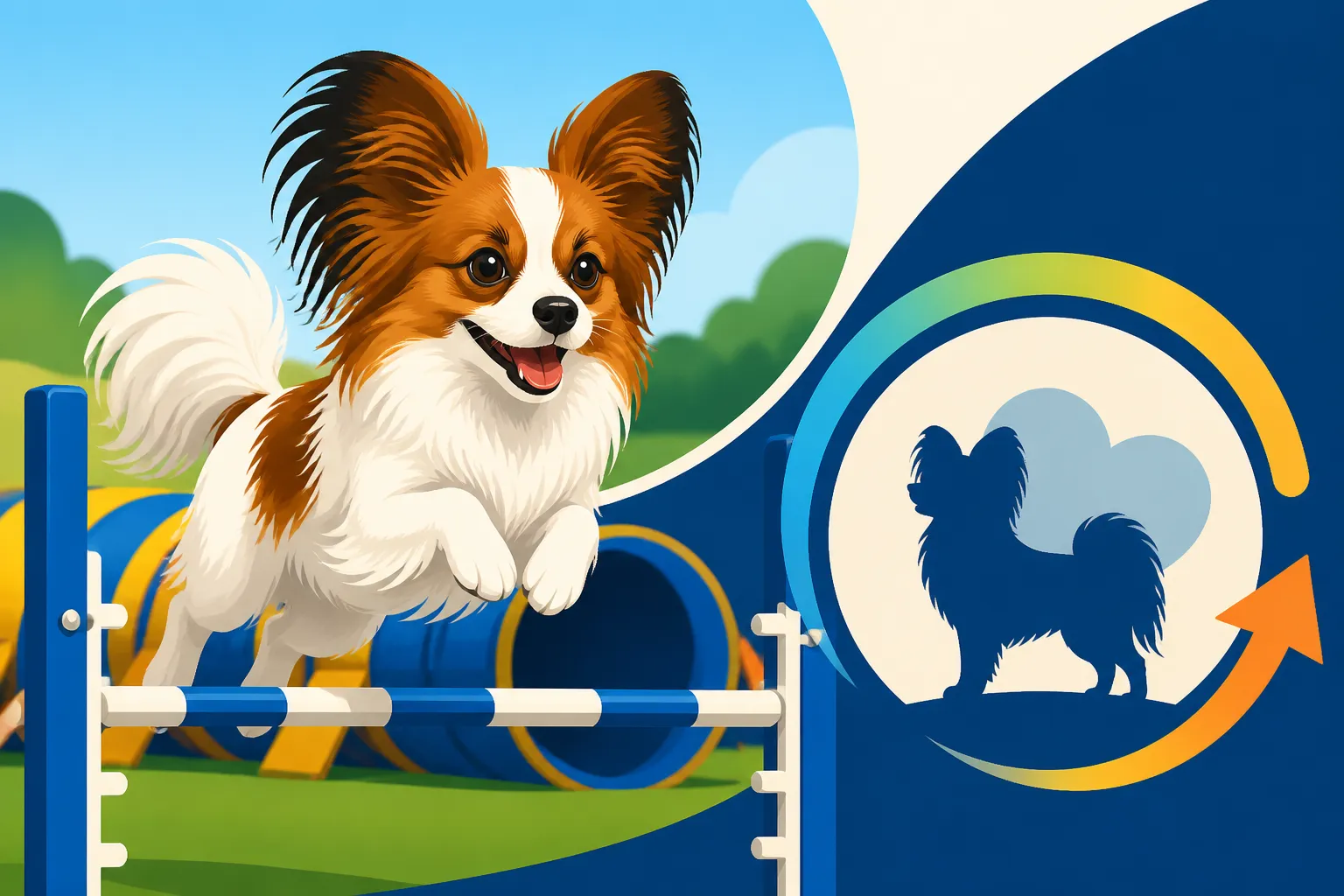
How Long a Papillon’s Agility Career Lasts
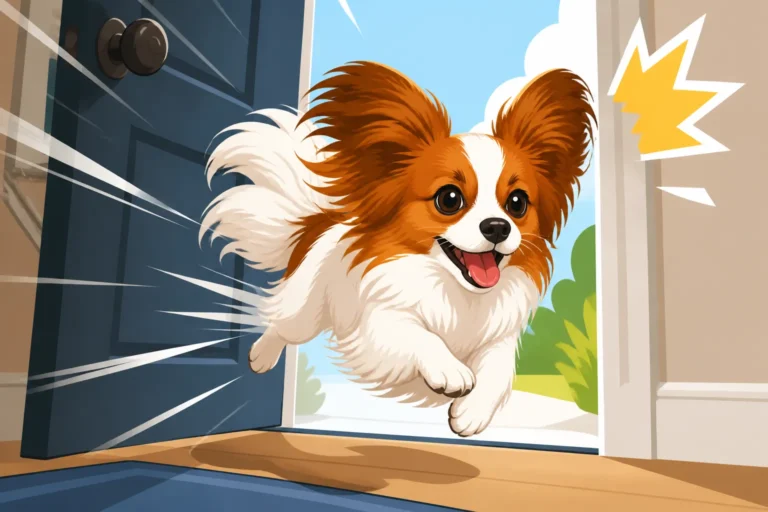
It's an absolute joy to watch a Papillon fly around an agility course, their ears streaming like banners, their tiny feet barely touching the ground. If you've ever had the privilege of running one, you know the exhilarating feeling. But naturally, when you invest so much time, love, and effort into training and competing with these incredible athletes, a common question pops up: how long can they actually keep doing this? You want to give your little partner the best possible life and career, and nobody wants to push them past their limits. This guide will dive deep into the factors that determine a Papillon's agility career length, offering insights and tips to help your dog enjoy the sport for as many years as possible.
The Papillon's Agility Prowess and Early Potential
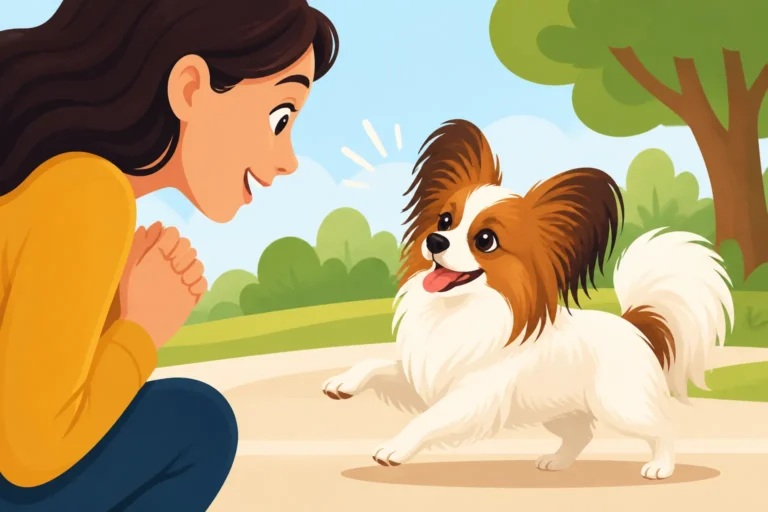
Papillons are not just pretty faces; they are powerhouse athletes in miniature. Their intelligence, boundless energy, and innate desire to please make them exceptionally well-suited for dog sports like agility. It's no wonder they often dominate the smaller height classes!
Why Papillons Excel in Agility
Let's be real: Papillons are brainy. They consistently rank incredibly high when it comes to canine intelligence, often surprising people who only see their delicate appearance. This sharp mind means they pick up new commands and complex sequences with astonishing speed. They're quick studies, which makes training a joy, and it means they can really internalize the patterns and flow of an agility course. I've often seen them anticipate handlers, reading subtle body language cues that might go unnoticed by other breeds. This mental acuity, combined with their spirited nature, is a huge advantage. They truly love to work with their people, soaking up every moment of interaction and praise.
Beyond their mental prowess, their physical attributes are perfectly geared for agility. Their small stature gives them a unique advantage, allowing them to make incredibly tight turns and navigate intricate obstacle patterns with remarkable precision. They possess an amazing spring in their step, enabling them to leap over jumps with grace and speed. They might be small, but they don't know it, and they certainly don't act like it! Their enthusiasm is infectious; they genuinely seem to relish the challenge and excitement of the agility ring. If you’ve ever watched them in action, you can see the sheer joy radiating from them as they perform. This is a breed that thrives on having a job, and for many, agility is their absolute passion. You can really see why The Papillon Is the Smartest Toy Breed There Is holds true in the agility ring.
Building a Solid Foundation for Longevity
The key to a long and successful agility career for your Papillon truly begins long before they ever step into a competitive ring. It's all about building a solid foundation, focusing on their physical and mental well-being, rather than rushing into high-impact activities. For puppies, the emphasis should be on body awareness, confidence building, and basic obedience skills. Think about teaching them to use cavalettis, wobble boards, or even just navigating different surfaces and textures. These activities help develop coordination and strengthen core muscles without putting undue stress on their developing joints.
Proper conditioning and nutrition play an enormous role from day one. A balanced diet provides the fuel they need, and maintaining a healthy weight is paramount to prevent unnecessary strain on their tiny frames. Regular, appropriate exercise—like brisk walks, short bursts of play, and confidence-building games—will build stamina and muscle. It’s also crucial to teach them good habits for handling and grooming from a young age, so they’re comfortable with the physical examinations that are part of proactive veterinary care. Starting with positive reinforcement techniques from puppyhood helps build a strong bond and a dog eager to learn. Many online platforms, like BAXTER & Bella, offer excellent puppy training programs that can lay this essential groundwork, focusing on engagement and positive reinforcement which is ideal for a sensitive, intelligent breed like the Papillon. For more on getting started, check out Starting a Papillon in Agility.
Key Factors Influencing Career Length
While a Papillon’s natural talent and early training set the stage, several critical factors will ultimately dictate just how many years they can actively compete in agility. These aren't just about their physical limits, but also about the management and care they receive throughout their lives.
Genetics and Health: The Non-Negotiables
When we talk about agility, health is, without a doubt, the number one consideration. For Papillons, certain breed-specific health concerns can significantly impact their ability to perform. The most prevalent of these is patellar luxation, where the kneecap slips out of place. Even a mild grade can cause discomfort or lead to arthritis over time, making jumping and weaving painful or unsafe. This is why it’s absolutely crucial to choose a breeder who performs thorough health screenings on their breeding stock. Responsible breeders will test for patellar luxation, and ideally, have their dogs’ eyes and hearts checked regularly. Ignoring these potential issues is not only irresponsible but can cut an agility career tragically short. You really need to understand Whether a Papillon's Knees Limit Agility before you commit to the sport.
Other health factors can also play a role. Heart health, while not as common an issue as knees in younger Papillons, becomes more important as they age. Good eyesight is vital for navigating courses, especially in varying light conditions. Regular veterinary check-ups are non-negotiable, not just for vaccinations, but for monitoring overall health, checking joints, and catching any subtle changes early. A Papillon that’s limping, showing stiffness, or simply not moving with their usual fluidity should be seen by a vet immediately. Early intervention can often mean the difference between a minor setback and a career-ending injury. Make sure you know What a Papillon Breeder Should Have Tested before bringing a puppy home.
Training Regimen and Management
How you train your Papillon and manage their physical activity makes a huge difference in how long their bodies hold up. It’s easy to get caught up in the excitement of competition and push for faster times or more difficult sequences, but a balanced approach is key. Avoiding over-training, especially in young dogs whose growth plates are still closing, is paramount. Repetitive jumping on hard surfaces or performing sharp turns without proper muscle development can lead to injuries that impact them for life. Instead, focus on gradual progression, ensuring your dog has mastered each skill before moving to the next.
Equally important are proper warm-ups before training or competition and cool-downs afterward. Just like human athletes, a dog’s muscles need to be prepared for exertion and then gently brought back to rest. This helps prevent strains and soreness. Incorporating varied activities into their routine, such as trick training, scent work, or even just exploring new walking trails, can help maintain muscle tone and flexibility while preventing burnout from repetitive agility movements. Think of it as cross-training for dogs. These alternative activities can also provide mental stimulation and physical conditioning without the impact of constant jumping. Consider exploring Which Other Sports a Papillon Can Do to keep things fresh.
Owner Dedication and Lifestyle Choices
Your commitment as an owner is perhaps the biggest factor in extending your Papillon’s agility career. It's about being observant, adaptable, and putting your dog's well-being above all else. This means diligently watching for any subtle signs of discomfort, decreased enthusiasm, or changes in performance. Your Papillon relies on you to advocate for them. If they seem stiff after a run, or hesitate at an obstacle they usually love, it's time to investigate, not push harder.
Beyond the training field, the home environment plays a significant role. Papillons, with their delicate bones and predisposition to patellar luxation, can be prone to injuries from everyday activities like jumping off furniture. Providing ramps or steps to beds and sofas can prevent these common household accidents. Using rugs on slippery floors also helps provide traction and reduces the risk of slips and falls. Consistency in feeding, exercise, and mental enrichment contributes to their overall health and happiness, directly impacting their longevity in any sport. A dog that has a balanced life, with plenty of rest and varied stimulation, is less likely to suffer from stress or overuse injuries. Ultimately, it’s about creating a lifestyle that supports their athletic endeavors while prioritizing their long-term health and happiness. You can find more ideas for safe living in Setting Up a House That Protects a Papillon's Knees. And to ensure they aren't just an agility dog, consider What a Papillon Does All Day outside of the ring.
Recognizing the Signs of Waning Performance and When to Retire
It’s an emotional moment when you realize your Papillon isn't quite as zippy or enthusiastic as they once were. It's tough to face, but recognizing these signs early and making thoughtful adjustments is a true act of love and responsible ownership.
Subtle Changes to Watch For
The first signs that your Papillon's agility career might be winding down are often subtle. You might notice a slight decrease in their usual fiery enthusiasm at the start line, or they might take a fraction longer to get to an obstacle. Perhaps they start knocking bars that were once easily cleared, or they hesitate at contacts like the A-frame or dogwalk. Their times might gradually slow, or their weaves might become less fluid. These aren't necessarily indicators of pain, but they could point to general stiffness, reduced stamina, or even a loss of confidence.
Beyond performance metrics, pay close attention to physical cues. Is your dog stiff when they get up after a nap? Do they favor a leg, even slightly, after a particularly demanding sequence? Are they slower to recover after a run, panting more or taking longer to settle down? Sometimes, a change in gait, even a very subtle one, can signal discomfort. Remember that Papillons are tiny but mighty, and they can be incredibly stoic. They might try to push through discomfort because they want to please you. That's why it's vital for you, their dedicated handler, to be extra vigilant and notice even the smallest shifts in their behavior or movement. Knowing How a Papillon Hides Pain can help you spot these less obvious signs.
Another often overlooked aspect is behavioral changes. A dog that was once eager to train might start showing less focus, becoming easily distracted, or even showing signs of stress like lip licking or yawning excessively in the ring. They might become a bit more irritable with other dogs or even with you if they’re feeling generally unwell or uncomfortable. These aren't necessarily bad behavior; they're often a dog's way of communicating that something isn't quite right.
Making the Transition to a New Chapter
Deciding to retire your Papillon from competitive agility is never easy, but it’s a decision rooted in compassion. It means prioritizing their comfort and quality of life over ribbons and titles. Retirement doesn't mean stopping all activity; it simply means adjusting the intensity and expectations. Many Papillons can continue to enjoy agility at a lower level, perhaps in "veteran" classes that have reduced jump heights and less demanding courses, or simply training for fun without the pressure of competition.
The transition can involve exploring other, less physically demanding activities that still engage their brilliant minds. Scent work, trick training, or even advanced obedience can provide wonderful outlets for their energy and intelligence. The goal is to keep them mentally and physically active in a way that is joyful and pain-free. It's about letting them enjoy being a dog, without the added stress of high-impact sports if their bodies aren't up to it. This new chapter can be just as rewarding, strengthening your bond and allowing you both to discover new passions together.
Strategies for a Long, Healthy, and Happy Agility Career
If your Papillon loves agility as much as you do, you're probably wondering what concrete steps you can take to keep them in the game, happily and healthily, for as long as possible.
Proactive Veterinary Care and Supplements
Regular, proactive veterinary care is your first line of defense in prolonging your Papillon's agility career. This means more than just annual vaccinations. It involves consistent check-ups where your vet can thoroughly assess their joint health, muscle condition, and overall physical well-being. Don’t hesitate to discuss your dog’s agility involvement with your vet. They can help monitor for early signs of issues like arthritis, especially if your Papillon has a history of patellar luxation. Early detection often leads to more effective management.
Weight management is also crucial. Even a couple of extra ounces on a tiny Papillon can put disproportionate strain on their joints, accelerating wear and tear. Work with your vet to maintain an ideal body condition. Additionally, discuss the possibility of joint supplements. Many owners find success with supplements containing glucosamine, chondroitin, and MSM, or even newer options like green-lipped mussel extract. While not a cure-all, these can help support joint cartilage and reduce inflammation, potentially making a real difference in comfort and mobility over the years. Of course, always consult your veterinarian before starting any new supplement regimen to ensure it's appropriate for your individual dog. For older Papillons, this becomes even more vital, as discussed in Caring for an Aging Papillon and What Changes in an Aging Papillon's Care. Being proactive now can prevent larger problems later.
Enrichment Beyond the Ring
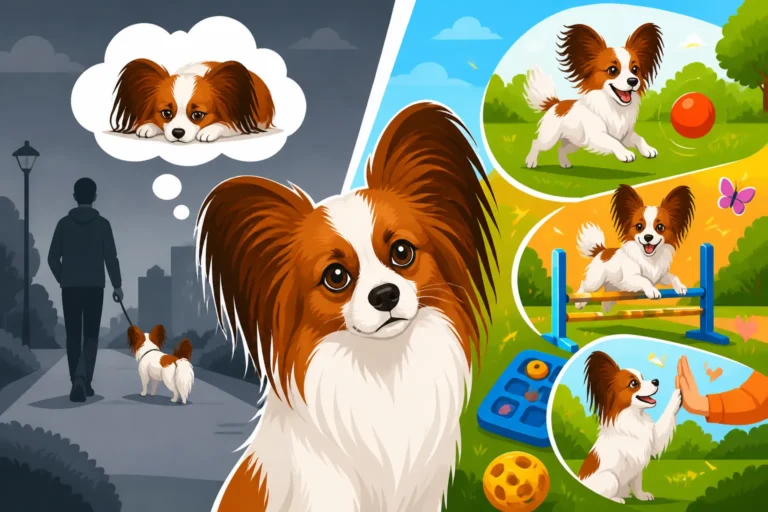
While agility is fantastic, it's vital to remember that your Papillon is a whole dog, not just an athlete. Ensuring they have a well-rounded life with plenty of mental and physical enrichment beyond the agility ring will contribute significantly to their overall health and happiness, which in turn supports their agility longevity. Mental stimulation is just as important as physical exercise for these intelligent dogs. Puzzle toys, like those found easily on Amazon, that make them think to get a treat, can be a wonderful way to keep their brains active on rest days or when the weather isn't suitable for outdoor training. Regularly introducing new tricks or revisiting old ones keeps their learning muscles sharp and reinforces your bond without the high impact of jumping.
Varying their walks by exploring new routes, letting them sniff and explore, or even just having dedicated play sessions in the yard with their favorite toys, provides different forms of exercise and enjoyment. This prevents physical and mental burnout from repetitive agility training. A Papillon that feels engaged and happy in all aspects of their life is more likely to bring that same zest to the agility course, prolonging their enjoyment and your shared journey in the sport. Remember, the ultimate goal is not just winning, but truly enjoying the time and experiences you share with your canine companion.
Adapting Equipment and Environment
As your Papillon ages or if they have any pre-existing conditions, adapting your training equipment and home environment can be key to extending their active years. This might mean adjusting jump heights even in practice, opting for slightly lower settings to reduce impact, or using softer surfaces for training sessions whenever possible, such as grass or padded mats, rather than hard packed dirt or concrete. Ensuring good traction, both on course and at home, is also essential. Non-slip runners on hard floors and keeping their nails trimmed short can prevent slips and falls that might lead to injury. You can also explore options like paw pads or specialized footwear for added grip if needed.
Consider specialized dog beds that offer orthopedic support, particularly for older dogs or those with joint issues. A comfortable, supportive place to rest and recover is invaluable. If your dog loves to join you on the sofa or bed, make sure you've provided pet steps or ramps so they can access these favorite spots without risky jumps. Many options are available online through retailers like Amazon, offering different styles and materials to suit your home. These small adjustments at home can significantly reduce everyday wear and tear on their joints. Furthermore, ensuring your Papillon stays at a healthy weight is paramount. Even a few extra pounds can add considerable stress to their small joints, exacerbating conditions like Whether a Papillon Gets Arthritis From a Slipping Knee. By being mindful and proactive about their environment, you’re actively helping them stay comfortable, confident, and capable in agility for years to come.
Factors Influencing a Papillon's Agility Career Length
Here's a quick look at some key factors that can either extend or shorten your Papillon's agility journey:
| Factor | Positive Impact on Career Length | Negative Impact on Career Length |
|---|---|---|
| Genetics/Health | Good health, clear genetic testing, responsible breeding. | Undiagnosed issues (e.g., patellar luxation), poor breeding. |
| Veterinary Care | Regular check-ups, early intervention, appropriate supplements. | Skipping vet visits, ignoring subtle lameness or discomfort. |
| Training Pacing | Gradual progression, adequate warm-ups/cool-downs, varied activity. | Over-training, high impact too young, repetitive strain injuries. |
| Weight Management | Maintaining ideal body condition. | Overweight, putting extra stress on joints. |
| Home Environment | Ramps for furniture, non-slip flooring, supportive bedding. | Jumping off high surfaces, slippery floors, hard landings. |
| Owner Awareness | Observing subtle changes, adapting expectations, prioritizing dog. | Pushing through discomfort, ignoring signs of pain or fatigue. |
| Mental Engagement | Varied enrichment, puzzle toys, continued learning. | Burnout from constant competition, lack of mental stimulation. |
| Nutrition | High-quality, balanced diet. | Poor quality food, inconsistent feeding, nutrient deficiencies. |
Ultimately, a Papillon's agility career can last a surprisingly long time – often well into their senior years, sometimes even past 10 or 12 years old, especially if they've been carefully managed. However, it's not a given. It's a journey that requires constant attention to their physical and mental health, thoughtful training, and a willingness to adapt as they age. Every Papillon is an individual, and listening to your dog's cues is the most important lesson you'll learn as an agility handler.
Disclaimer
This article is for general informational purposes only and does not constitute professional advice. Laws, prices and regulations vary by location and change over time. Consult a qualified professional for guidance on your specific situation.