Whether a Papillon Should Be Picked Up When Threatened
It's a gut reaction, isn't it? That moment you see a bigger dog barreling towards your tiny Papillon, or a child rushing up too fast, and your first thought is to scoop them up into your arms. You want to shield your delicate little butterfly-eared companion from anything that could possibly scare or hurt them. But while that instinct comes from a place of pure love, constantly picking up your Papillon when they feel threatened can actually create more problems than it solves, subtly undermining their confidence and changing how they perceive the world around them.
The Instinct to Protect Your Tiny Pal
Let's be honest, it's completely natural to want to protect something so small and seemingly fragile. Papillons, with their exquisite, fine-boned structure and relatively small size compared to many other breeds, often look like they need a human bodyguard. That rush of adrenaline you feel when you perceive a threat is your own protective instinct kicking in, and it’s a powerful one.
Understanding the "Fight or Flight" for Small Dogs
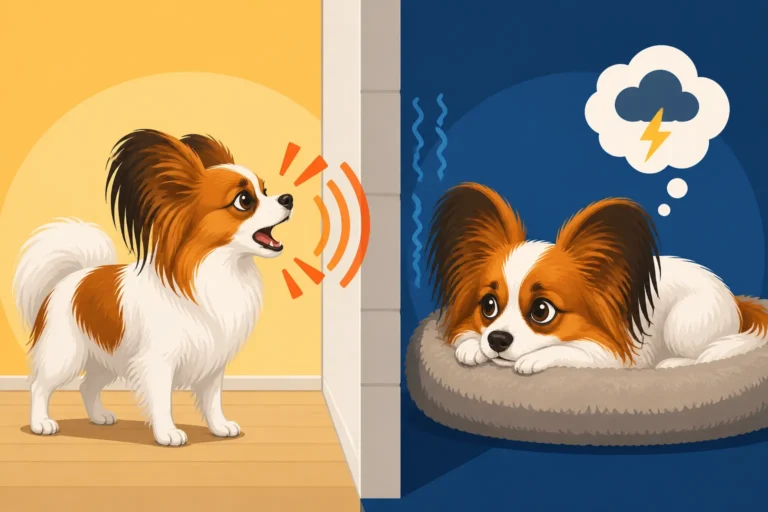
For a small dog, the world is often a much bigger, louder, and more intimidating place. A bustling park, a boisterous large dog, or even a sudden loud noise can feel overwhelming. Their natural "fight or flight" response is heightened, and because they're physically vulnerable, flight is often their preferred, or only, option. When you see your Papillon tense up, perhaps flatten their ears, or try to hide behind your legs, your brain immediately registers danger, and picking them up feels like the swiftest, most effective way to remove them from harm. It's a valid concern – after all, a large dog's playful bump could cause serious injury to a tiny Papillon. You're not wrong to worry about them getting hurt playing with large dogs, or if they were [Dropped from an Arm's Height].
The Immediate Relief of Lifting Them Out of Trouble
There's no denying the immediate sense of relief when you lift your Papillon to safety. The perceived threat is gone, your dog is in your arms, and you feel like a responsible, loving owner. Your Papillon might even relax in your embrace, panting a little, reinforcing the idea that you "saved" them. This immediate positive feedback for both you and your dog makes it a very appealing habit to fall into. It's quick, it feels kind, and it seemingly solves the problem in the moment. You've prevented a potential conflict, averted an accident, or simply removed them from a situation they clearly found uncomfortable. This reflex is particularly strong when dealing with potential physical harm, like a child who doesn't know how to interact gently with small dogs, or an overly enthusiastic dog approaching too fast.
The Hidden Downsides of Always Picking Up Your Papillon
While your intentions are always good, consistently picking up your Papillon can have unforeseen and often counterproductive long-term effects on their behavior and confidence. It’s a bit of a double-edged sword, creating habits that can make them more, not less, anxious in the long run.
Escalating Fear and Anxiety
When you habitually scoop up your Papillon at the first sign of a threat, you're inadvertently teaching them that the world is indeed a very scary place, and they are incapable of handling it themselves. Every time you intervene, you confirm their fear rather than helping them build coping mechanisms. Imagine if every time you faced a slightly challenging situation, someone immediately removed you from it. You'd never learn to navigate those challenges independently. Your Papillon learns that the sight of a bigger dog, a new person, or an unfamiliar object is a signal for you to remove them, rather than a signal for them to process and understand. This can lead to increased anxiety, making them more prone to barking, trembling, or even lunging on leash because they've learned that these behaviors might prompt you to "rescue" them. It can exacerbate issues like Why a Papillon Barks So Much or Whether a Papillon Is Reactive on Leash.
Inhibiting Natural Canine Communication
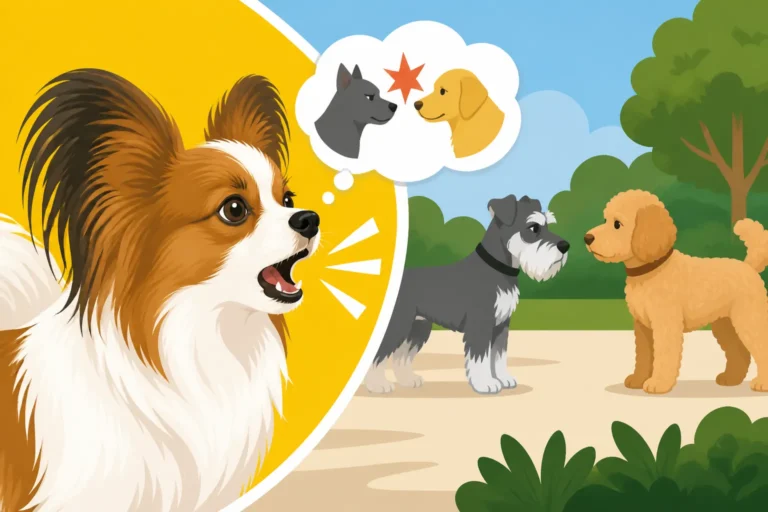
Dogs communicate primarily through body language. When you pick up your Papillon, you remove their ability to communicate effectively with other dogs. A Papillon on the ground can offer subtle signals like averting their gaze, licking their lips, freezing, or even turning their body sideways – all cues that tell another dog, "I'm uncomfortable, please give me space." When they're in your arms, suspended above the ground, these crucial signals are lost. This can be incredibly frustrating for both your Papillon and the approaching dog. The other dog might not understand why your Papillon is stiff or staring (from your arms) and might escalate its approach, leading to more tension. It also prevents your Papillon from learning how to de-escalate situations or simply coexist calmly.
Creating a "Prey" Mentality
In some unfortunate instances, consistently picking up a small dog can unwittingly contribute to them being perceived as prey by other dogs. When a dog is lifted off the ground, especially suddenly, it can trigger a chase instinct in some larger, more prey-driven dogs. Your Papillon, dangling and perhaps struggling, looks less like a canine and more like a small, vulnerable animal. While this isn't always the case, and certainly isn't your fault, it's a consideration. A confident, well-socialized Papillon walking calmly on a leash is generally perceived differently than one being quickly snatched up. Consider that Papillons do have How Much Prey Drive a Papillon Has themselves, and this instinct can be triggered in other dogs too.
Teaching Your Papillon to Handle Threats on Their Own Paws
The goal isn't to leave your Papillon to fend for themselves, but rather to empower them to navigate the world with greater confidence and to give you the tools to manage situations more effectively without always resorting to picking them up. This involves proactive training, thoughtful socialization, and strategic handling.
Building Confidence and Socialization
The key to a well-adjusted Papillon who doesn't need to be constantly picked up is careful, positive socialization from a young age. This means exposing them to a variety of sights, sounds, people, and other dogs in a controlled, positive way.
- Controlled Introductions: Don't just throw your tiny puppy into a dog park full of boisterous giants. Instead, arrange playdates with calm, gentle dogs of appropriate size. Look for puppy classes that emphasize positive experiences and safe interactions.
- Positive Reinforcement: Every new, calm, and positive experience builds confidence. Reward your Papillon with high-value treats and praise for remaining calm when encountering new stimuli. If they see a new dog and stay relaxed, reward them! If they hear a loud noise and don't panic, reward them! This teaches them that new things aren't necessarily scary and can even lead to good things. Online resources like BAXTER & Bella offer comprehensive puppy training programs that can guide you through these critical socialization phases.
- Gradual Exposure: Start small. If your Papillon is nervous around children, don't immediately take them to a busy playground. Instead, observe children from a distance, rewarding calm behavior, and slowly decrease the distance over time. Similarly, for other dogs, start with calm, known dogs, and gradually introduce them to more varied canine encounters. This is how you help them understand that A Papillon Has No Idea It Is Small and build their resilience.
Mastering Essential Cues for Safety
Having a few reliable obedience cues in your back pocket can be a lifesaver, allowing you to manage situations without physically lifting your dog.
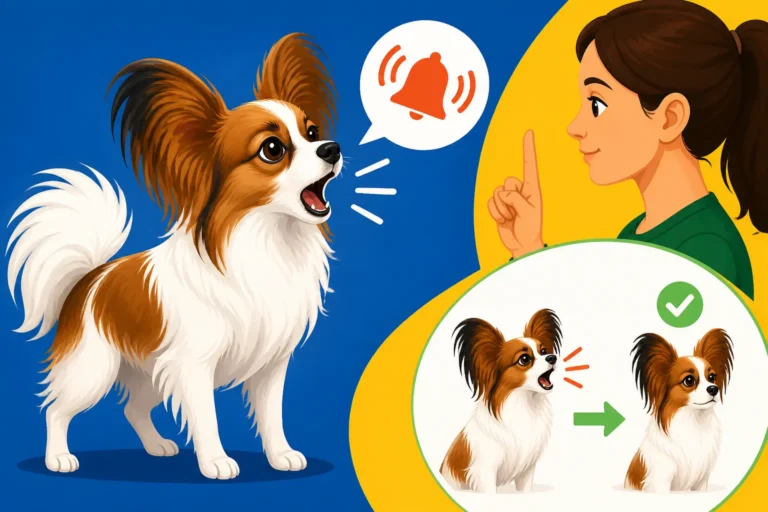
- "Watch Me": This cue teaches your Papillon to make eye contact with you, diverting their attention away from potential distractions or threats. Practice it frequently in low-distraction environments, gradually increasing the difficulty. When you see an approaching "threat," use your "watch me" cue and reward heavily for their focus on you.
- "Leave It": Invaluable for preventing your Papillon from approaching something undesirable (like discarded food) or engaging with an overzealous dog. Teach them to disengage from an object or animal when you give the command.
- Reliable Recall: A rock-solid "come" cue means you can call your Papillon back to your side before a situation escalates. Practice this in various environments, always making coming back to you the most rewarding thing they can do. This is especially important if you ever plan to trust your Papillon off leash.
- "Here" or "Touch": A simple command to come to your side and touch your hand can be a great way to redirect attention and ensure your dog is close to you when needed.
Strategic Leash Handling and Positioning
Your leash and your body are powerful tools for managing your Papillon's environment.
- The U-Turn: If you spot a potential threat approaching (e.g., an off-leash dog, a chaotic group), simply turn around and walk in the opposite direction. This is a subtle, non-confrontational way to remove your Papillon from a situation before it even becomes a problem.
- Body Blocking: Use your body to create a physical barrier between your Papillon and whatever is causing them discomfort. Step between them and the approaching dog or person. This communicates to your dog that you are their protector, and often, it’s enough to deter others.
- Shorten the Leash: In a potentially crowded or unpredictable area, keep your Papillon on a shorter leash. This gives you more control and keeps them close to you, reducing the chances of an unwanted interaction. Make sure their Harness for a Papillon is secure and comfortable.
When Is It Really Okay to Pick Up Your Papillon?
Now, let's be clear: there are absolutely times when picking up your Papillon is not just okay, but necessary and the safest course of action. It's about discerning genuine danger from manageable discomfort.
True Danger and Imminent Harm
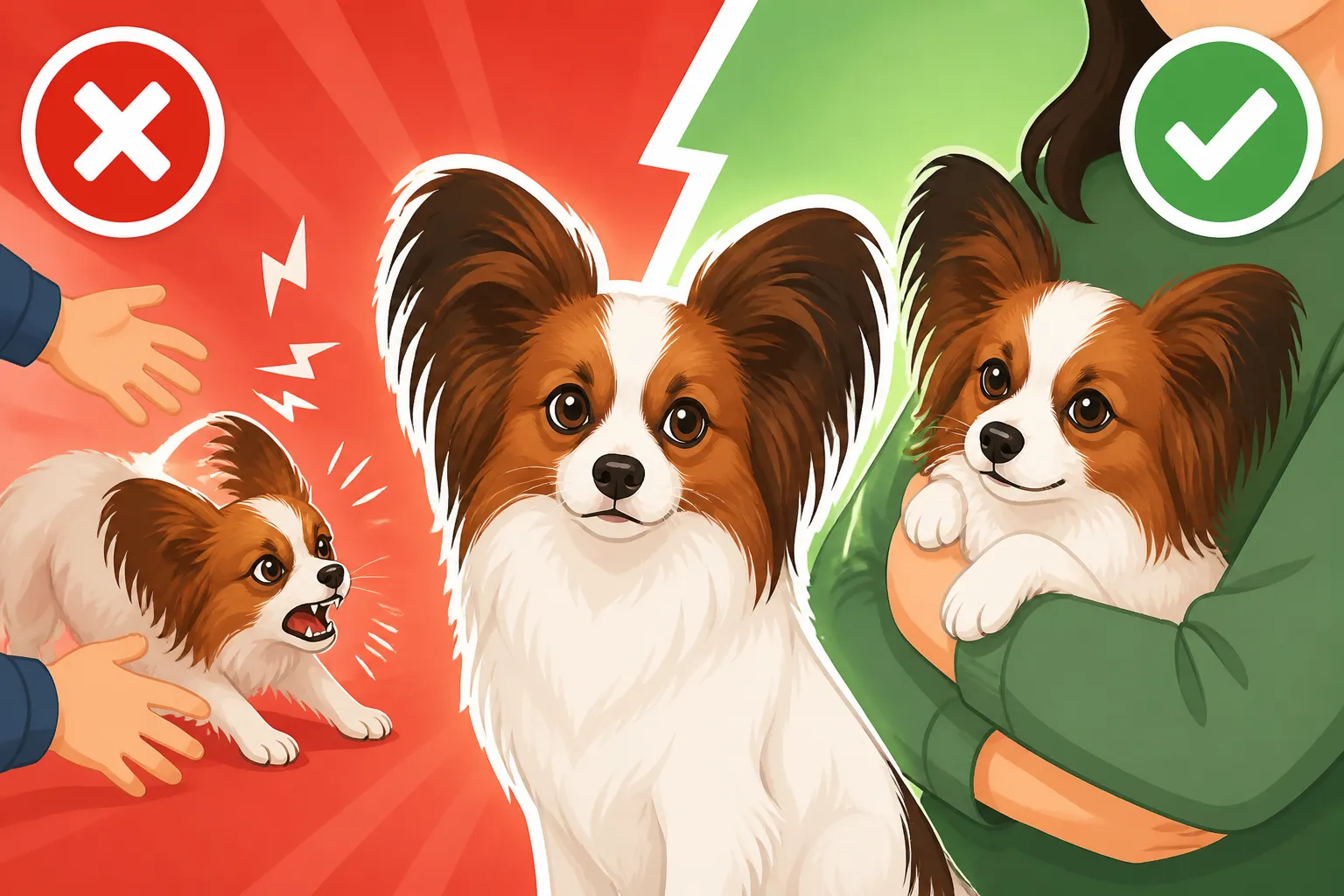
If your Papillon is in immediate physical danger, pick them up! This isn't about teaching a lesson; it's about preserving their safety.
- Aggressive Dogs: If an aggressive dog is actively charging or engaging, scoop your Papillon up without hesitation. No amount of training will protect them from a determined attack.
- Runaway Vehicles: If a car or bike is coming too fast and your Papillon is in its path, lift them.
- Falling Objects or Hazards: If something is about to fall, or there’s broken glass or other immediate physical hazards on the ground, picking them up is the only sane response.
- Uncontrollable Situations: Sometimes, despite your best efforts, a situation becomes truly overwhelming and chaotic (e.g., a sudden crowd surge, a panicked horse, etc.). In these moments, your Papillon's safety overrides all other training goals.
The "Lift and Leave" Strategy
When you do need to pick up your Papillon, try to make it a swift, decisive action followed by a complete removal from the environment.
- No Codling or Reassurance: Resist the urge to coddle or extensively reassure them while they are in your arms during a "threat." This can inadvertently reinforce their fear. Instead, calmly but quickly lift them, turn your back to the source of the perceived threat, and walk away.
- Remove from the Scene: Don't just lift them and stand there. Carry them completely out of the stressful situation – perhaps to a quieter spot, or even back to the car.
- Calm Re-entry: Once you're in a safe, calm environment, let them down. Allow them to shake it off, offer a familiar toy, or a calm pet. The goal is to separate the act of being picked up from the continued experience of fear. This is distinct from Why Picking a Papillon Up Makes It Worse because the removal is total and the dog isn't left in the fearful situation while being held.
Empowering Your Papillon with Training and Tools
Ultimately, the best approach is to equip your Papillon with the skills and confidence to navigate most situations on their own four paws, backed by your intelligent management.
Harness Over Collar for Better Control
For a small dog like a Papillon, a harness is almost always preferable to a collar, especially in unpredictable situations. A good quality, well-fitting harness distributes pressure across their chest and shoulders rather than on their delicate neck and trachea. This is crucial given that Whether a Papillon Gets a Collapsing Trachea is a concern for small breeds. A harness gives you more control for guiding and redirecting without causing discomfort or potential injury. You can find excellent, escape-proof harnesses on Amazon that are specifically designed for tiny breeds. When using a harness, you can gently guide your Papillon away from trouble or use your body to block, making it less necessary to pick them up. This also supports their How a Papillon Should Move naturally.
Positive Reinforcement and Confidence Building
Consistent, positive reinforcement training is the bedrock of a confident dog.
- Reward Calmness: Whenever your Papillon encounters something new or potentially intimidating and remains calm, reward them generously. This teaches them that calm behavior in the face of novelty is highly valued.
- Engage Their Brain: Papillons are incredibly intelligent and thrive on mental stimulation. Engage them in puzzle toys, scent work, or trick training. A dog whose brain is regularly engaged is generally a more confident and resilient dog. Teaching a Papillon Tricks Faster Than You Think of Them is definitely achievable with this breed!
- Regular, Safe Exposure: Continue to provide varied, positive experiences. Visit different parks, walk new routes, and meet new people. Always keep these encounters positive, brief, and under threshold (meaning your dog isn't so overwhelmed that they react negatively). If your Papillon is happy to investigate, let them. If they pull back, respect their boundary. This is how you help them build natural coping skills. Consider enrolling in an online training program like BAXTER & Bella, which offers structured lessons and support to build your Papillon's confidence and skills from the ground up, providing resources for everything from When to Start Training a Papillon Puppy to advanced obedience.
Here's a quick comparison of the two approaches:
| Strategy Aspect | Picking Up Regularly When Threatened | Empowering Through Training & Management |
|---|---|---|
| Immediate Effect | Quick removal of perceived threat; temporary relief. | Requires active management; may not feel as immediately protective. |
| Long-Term Impact | Can increase fear, anxiety, and dependence; inhibits communication. | Builds confidence, resilience, and independence; fosters coping skills. |
| Canine Communication | Inhibited; dog cannot use body language effectively. | Encouraged; dog learns to communicate and read other dogs. |
| Owner's Role | Rescuer; reactive to situations. | Guide, trainer, manager; proactive in preventing issues. |
| Dog's Perception | "World is scary, owner must save me." | "I can handle this with my owner's help, or we can avoid it." |
| Applicability | Best for true emergencies (imminent physical harm). | Best for daily life, preventing issues, and building a well-adjusted dog. |
By understanding the nuanced effects of our actions and choosing to empower our Papillons with confidence and training, we can help them become more resilient, happy, and well-adjusted companions. It's not about loving them less, but about loving them smarter.
Disclaimer
This article is for general informational purposes only and does not constitute professional advice. Laws, prices and regulations vary by location and change over time. Consult a qualified professional for guidance on your specific situation.