What a Harness for a Papillon Costs
If you've just welcomed a tiny, spirited Papillon into your home, or you're considering it, one of the first things you'll quickly realize is that their delicate build requires specific care, especially when it comes to walking gear. The question of "what a harness for a Papillon costs" isn't just about the price tag; it's about investing in their safety, comfort, and long-term health, protecting them from potential injuries that a simple collar might cause. This guide will delve into the various costs associated with Papillon harnesses, exploring the different types, what influences their price, and how to choose one that truly offers the best value for your butterfly-eared companion.
Why the Right Harness is a Must-Have for Your Papillon (Not Just an Option)
It's tempting to think that a small dog like a Papillon can wear any old collar, but that couldn't be further from the truth. Their unique anatomy, particularly their neck and throat, makes a well-designed harness an essential piece of equipment rather than a mere accessory. Understanding why this is so important will help you appreciate the value, and sometimes the price, of a quality harness.
Protecting That Delicate Papillon Trachea
Papillons, like many other toy breeds, are prone to a condition called tracheal collapse. This isn't just a minor issue; it's a serious respiratory problem where the rings of cartilage that make up the windpipe weaken and flatten, making it difficult for your dog to breathe. A traditional neck collar, especially one that fits poorly or is used with a dog that pulls, puts direct pressure on this already vulnerable area. Every tug, every sudden lunge, can aggravate the trachea, leading to a chronic cough, gagging, or even respiratory distress.
Choosing a harness completely bypasses the neck, distributing any pressure across your Papillon's chest and shoulders. This simple shift in pressure points can make a world of difference in preventing tracheal irritation and the progression of this uncomfortable condition. It’s not just about avoiding future vet bills, though that's a significant consideration; it's about ensuring your dog can breathe easily and live comfortably. When you read about Whether a Papillon Gets a Collapsing Trachea, you'll understand just how vital this prevention is, making the cost of a good harness an investment in their health.
Beyond the Neck: Safety, Comfort, and Preventing Escapes
Beyond the critical tracheal protection, a properly fitting harness offers a level of security and comfort that collars simply can't match for a Papillon. These little dogs are agile, intelligent, and can be surprisingly adept at wriggling out of collars, especially when startled or excited. A harness, encompassing more of their body, provides a much more secure fit, significantly reducing the risk of them slipping out and potentially darting into danger. Imagine the terror of your tiny companion disappearing during a walk because they managed to back out of their collar.
Furthermore, Papillons have delicate skin, and an ill-fitting collar or harness can cause chafing, irritation, or hair loss, particularly in areas like the armpits or behind the ears. A well-designed harness uses soft, breathable materials and is shaped to contour their small frame, ensuring comfort during their daily adventures. Considering What a Papillon Weighs and How Tall It Stands, you can appreciate how a tiny body needs a precisely scaled and comfortable piece of gear to move freely and happily. This attention to fit and material directly impacts the harness's cost, but it also directly impacts your Papillon's daily well-being and your peace of mind.
Deciphering Harness Types and Their Price Tags for Papillons
When you start shopping for a harness, you'll quickly discover a dizzying array of options, each with its own design, features, and corresponding price point. For a Papillon, not all harnesses are created equal, and understanding the differences is key to making an informed choice that balances cost with your dog's specific needs.
The Secure Embrace of Vest Harnesses (Often Higher Priced)
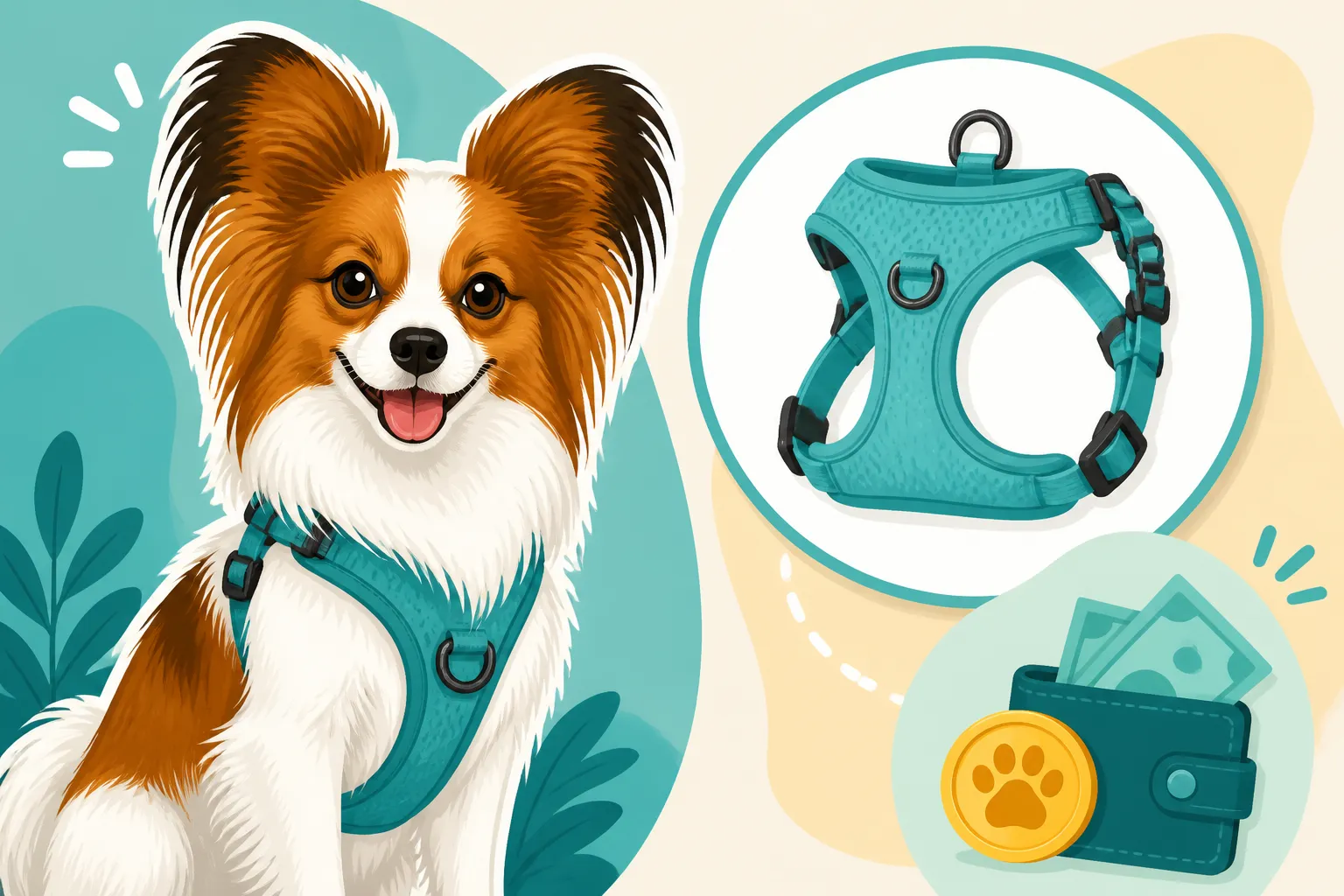
Vest harnesses are characterized by their broader, fabric-based construction that wraps around a larger portion of your Papillon's chest and back, resembling a small vest. These are often made from soft mesh, fleece, or other comfortable, breathable fabrics, sometimes with padded edges. The main advantage of a vest harness for a Papillon is that it distributes pressure exceptionally well across their chest, avoiding any concentrated points of pressure on the neck or other sensitive areas. This makes them an excellent choice for preventing tracheal collapse and ensuring maximum comfort during walks. They also tend to be more "escape-proof" due to the wider coverage.
The downside? They can sometimes be a bit bulkier, and for some Papillons, getting them into a vest harness might take a bit of practice. Because they use more material and often feature softer, more specialized fabrics and construction, vest harnesses typically fall into a mid-to-higher price bracket. You can expect to see prices ranging from modest amounts for basic mesh versions to significantly more for premium, highly adjustable, or fashion-forward designs. However, for many Papillon owners, the peace of mind and comfort these harnesses provide make them well worth the investment.
The Versatility of H-Style (or Step-In) Harnesses (Mid-Range)
H-style harnesses, also sometimes called step-in harnesses, feature straps that form an "H" shape across the dog's back and chest. They typically have a loop that goes around the neck (though critically, it rests low on the chest, not the throat), another loop around the girth, and a connector strap between them on the back. Many variations are designed to be "step-in," meaning your dog steps their front paws through two openings, and then the harness is clipped over their back, making it quite easy to put on and take off without going over their head.
These harnesses are popular because they offer good adjustability, allowing you to get a snug, secure fit without being overly restrictive. They still avoid direct neck pressure if fitted correctly, though they may have slightly less pressure distribution than a full vest harness. H-style harnesses strike a good balance between comfort, security, and ease of use. They usually fall into a moderate price range, often being a step up from the most basic strap options but generally less expensive than the most elaborate vest designs. For a Papillon, a well-fitted H-style harness is a fantastic everyday option, providing safety without unnecessary bulk. This type of harness is a common recommendation when discussing Whether a Papillon Should Wear a Harness Instead of a Collar.
Basic Strap Harnesses: When Are They Enough, and What's the Catch? (Budget-Friendly)
At the most budget-friendly end of the spectrum, you'll find simple strap harnesses. These are often made of lightweight nylon webbing, with minimal padding or extra features. They typically consist of a few adjustable straps that encircle the chest and girth. While their lower price point can be appealing, especially for new puppy owners or those on a very tight budget, it's crucial to exercise caution when considering them for a Papillon.
The main "catch" with these simpler harnesses is that while they technically shift pressure away from the neck, the narrow straps can sometimes dig into the delicate skin of a small Papillon, especially in the armpit area, if not perfectly fitted or if your dog pulls. They might also be easier for a determined Papillon to wriggle out of compared to a more encompassing vest or H-style design. However, for short, supervised walks with a calm, non-pulling Papillon, or as a temporary solution, they can suffice. Just be extremely vigilant about the fit and any signs of rubbing or discomfort. You might find these for very low costs, but remember, prioritizing extreme cheapness over proper fit and comfort can lead to problems that cost more in the long run.
Here's a quick overview of harness types for Papillons:
| Harness Type | Description | Pros for Papillons | Cons for Papillons | Typical Price Range |
|---|---|---|---|---|
| Vest Harness | Fabric-based, wide coverage over chest/back. | Excellent pressure distribution, very secure, comfortable. | Can be bulkier, some dogs resist going over head. | Moderate to Premium |
| H-Style/Step-In | Straps forming an 'H', often easy to put on. | Good adjustability, avoids neck pressure, less bulky than vests. | Less pressure distribution than vests, may still chafe if ill-fitting. | Budget to Moderate |
| Simple Strap | Minimal nylon webbing, basic design. | Very lightweight, lowest cost. | Narrow straps can dig in or chafe, easier to escape, less comfortable. | Very Budget-Friendly |
Factors Influencing the Price of a Papillon Harness (Beyond the Basic Type)
Beyond the fundamental design, several other elements play a significant role in how much a Papillon harness will set you back. These factors often speak to the quality, durability, and specialized features that contribute to your dog's overall comfort and safety.
Materials and Construction Quality
The old adage "you get what you pay for" often holds true for pet products, and harnesses are no exception. The materials used and the quality of construction directly impact both the price and the effectiveness of a harness. For a Papillon, this means looking for:
- Soft, Breathable Fabrics: Higher-end harnesses often use materials like air mesh, soft neoprene, or fleece linings that prevent chafing and allow air circulation. This is especially important for areas like the armpits where friction can occur. Cheaper harnesses might use rougher nylon or polyester that can irritate sensitive skin.
- Durable Webbing and Stitching: The strength of the nylon webbing (if applicable) and the quality of the stitching determine how long the harness will last. Reinforced stitching at stress points is a sign of good craftsmanship.
- Secure Hardware: Look for sturdy plastic buckles that snap securely and don't feel flimsy, or metal buckles for even greater durability. The D-rings where you attach the leash should be robust metal, not thin, easily bendable wire. Inferior hardware can break, leading to a lost dog or a replacement harness sooner than expected.
- Padding: Additional padding in critical areas, such as chest straps or around buckles, significantly enhances comfort but also adds to the manufacturing cost.
A harness made with higher-grade, more comfortable materials and built to withstand daily use will naturally command a higher price. However, this initial investment can save you money in the long run by preventing the need for frequent replacements and, more importantly, by safeguarding your Papillon's comfort and health.
Brand Influence and Retailer Choice
Just like with human products, brand recognition plays a role in pricing. Established pet brands with a reputation for quality, innovation, and ethical manufacturing often price their harnesses higher than generic, lesser-known labels. These brands often invest in research and development to create ergonomic designs, use higher quality materials, and offer better customer support or warranty policies. While you're certainly paying for the name to some extent, you're also often paying for a history of reliability and design expertise tailored to canine needs.
Where you purchase the harness also impacts the final cost. Large online retailers, such as Chewy, often offer a wider selection and competitive pricing, sometimes with sales or bulk discounts. They provide the convenience of home delivery and often have extensive customer reviews, which can be invaluable when trying to gauge fit and quality from afar. Local brick-and-mortar pet stores might have slightly higher prices due to overhead, but they offer the immense advantage of allowing you to physically examine the harness, feel the materials, and even try it on your Papillon if the store permits. This hands-on approach can be incredibly helpful for ensuring a perfect fit, especially for a breed with specific sizing needs. Boutique pet stores might carry specialty brands with unique designs and premium materials, at a correspondingly higher price.
Added Features for Safety and Convenience
Modern harnesses come with a range of features designed to enhance safety, convenience, or functionality, all of which contribute to the overall cost. Some common features include:
- Reflective Stitching or Strips: Crucial for visibility during early morning or late evening walks, especially if you live near roads. This is a small addition that can be a major safety boost.
- Multiple Leash Attachment Points: Some harnesses offer both a back clip (standard for most walks) and a front clip (useful for dogs who pull, as it redirects their momentum). While Papillons aren't typically strong pullers, a front clip can still be a training aid.
- Quick-Release Buckles: Easy on and off, which can be a blessing with a wiggly Papillon.
- Adjustability: Harnesses with multiple adjustment points (neck, chest, girth) allow for a more customized and secure fit, which is paramount for small breeds.
- Integrated ID Tags or Pockets: Small pockets for waste bags or ID tags can add a touch of convenience.
- Seasonal or Specialty Designs: Waterproof, cooling, or insulated harnesses might be available for specific weather conditions, adding to the cost.
Each of these features adds value and, consequently, to the price. When evaluating the cost, consider which features are truly essential for your Papillon's lifestyle and your peace of mind. For instance, reflective elements are a worthwhile investment for safety, even if they add a few extra dollars to the price tag.
Making Your Harness Purchase a Smart Investment
Choosing a harness for your Papillon isn't just about picking one off the shelf; it's about making a thoughtful decision that impacts their daily comfort and long-term health. Think of it as an investment in their well-being, much like providing them with a comfortable bed or regular vet check-ups.
The Real Cost of a Poor Fit or Cheap Harness
While a low price tag can be alluring, a poorly fitting or cheaply constructed harness can end up costing you more in the long run. If a harness chafes, pinches, or restricts movement, your Papillon will be uncomfortable, leading to reluctance to walk or even skin irritation that requires veterinary attention. Worse yet, an ill-fitting harness can compromise safety, allowing your agile Papillon to slip out and escape, creating a dangerous situation that could result in injury or loss. Papillons are known to be stoic little dogs, and How a Papillon Hides Pain means you might not immediately notice their discomfort from an inadequate harness. They may just seem less enthusiastic about walks, or try to scratch at it.
Beyond immediate discomfort or safety risks, a flimsy harness will simply wear out faster. Straps fray, buckles break, and stitching comes undone, meaning you'll be back in the market for a replacement much sooner than anticipated. This cycle of buying cheap replacements quickly negates any initial savings. A quality harness, while potentially costing more upfront, is designed for durability and longevity, serving your Papillon faithfully for years.
Balancing Budget with Long-Term Health
Ultimately, the "cost" of a harness for a Papillon should be viewed through the lens of value, rather than just the dollar amount. A harness that ensures your Papillon's delicate trachea is protected, prevents escapes, and provides comfortable, chafe-free walks is invaluable. It contributes to their overall quality of life, allowing them to enjoy their daily exercise, which is crucial for a breed as active as the Papillon. You might be surprised by How Much Exercise a Papillon Needs and how often that harness will be put to use!
When you're welcoming a new Papillon puppy, establishing good habits early, like wearing a harness, is key. Learning When to Start Training a Papillon Puppy often includes introducing them to their harness gently and positively. Investing in a good quality harness from the start can prevent future issues, whether it's avoiding a costly vet visit for tracheal issues or preventing an accident from an escape. Just like choosing quality nutrition or considering pet insurance like Healthy Paws for unexpected medical needs, every thoughtful decision you make contributes to the long and healthy life of your cherished Papillon.
Disclaimer
This article is for general informational purposes only and does not constitute professional advice. Laws, prices and regulations vary by location and change over time. Consult a qualified professional for guidance on your specific situation.