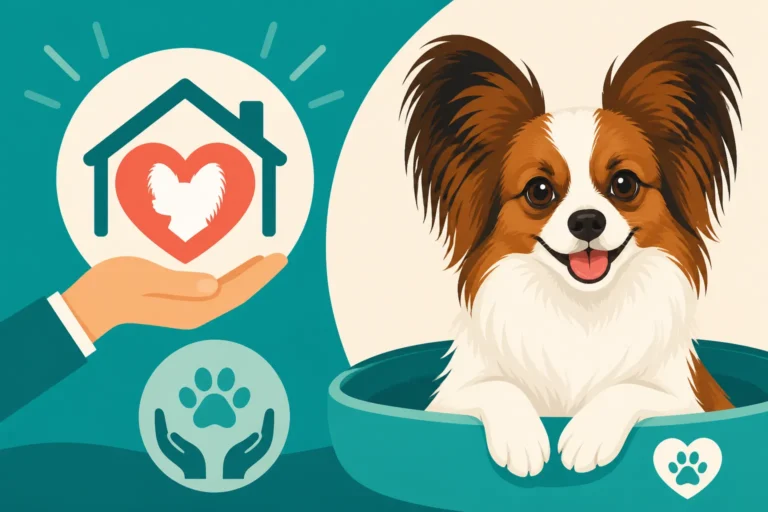
Whether Male and Female Papillons Cost the Same
It’s a common thought when you're looking for a new furry family member: will a male or a female Papillon cost me more? Many people assume there’s a significant price difference between the sexes, perhaps based on old myths or experiences with other breeds, and it can be frustrating trying to figure out if you're actually paying for gender or something else entirely. This guide is here to help you understand the true factors that influence a Papillon's price tag, both initially and throughout their wonderful, long lives, and whether gender genuinely plays a role in that final figure.
Understanding the Factors Influencing Papillon Pricing
When you start looking for a Papillon puppy, you’ll quickly notice that prices can swing quite a bit. It’s not as simple as picking a puppy and handing over a flat fee. There are many layers that contribute to how a responsible breeder arrives at their pricing, and honestly, most of these have nothing to do with whether the puppy is a boy or a girl.
Breeder Reputation and Health Testing
One of the biggest drivers of a Papillon's initial purchase price is the breeder's reputation and, more importantly, their commitment to the health and well-being of their lines. A breeder who consistently produces healthy, well-socialized puppies from sound lines will naturally have a higher price point than someone cutting corners. This isn’t about gender; it’s about responsible breeding practices.
Think about it: a dedicated breeder invests heavily in comprehensive health testing for their breeding dogs. They're making sure their adult Papillons are screened for conditions common in the breed, such as Progressive Retinal Atrophy (PRA1) and patellar luxation. These tests aren't cheap, and they're essential for ensuring puppies have the best chance at a long, healthy life. They also put time and effort into early socialization, proper nutrition for the dam and puppies, and providing a clean, stimulating environment. All of these overheads contribute to the puppy's price, and none of them differentiate between a male or female puppy. When you're looking for a Papillon, a breeder who can confidently discuss their health testing protocols, like the DNA test for Papillon Retinal Atrophy, is worth their weight in gold, regardless of the puppy's sex.
Lineage and Show Potential
Another significant factor is the puppy's lineage and its potential for show or performance sports. If a puppy comes from a line of champion show dogs, or if it exhibits exceptional conformation and temperament that suggests it could excel in the ring, its price will likely be higher. This holds true whether it's a male or a female. Breeders invest years, sometimes decades, in developing and maintaining these quality lines, traveling to shows, and training their dogs.
For instance, a tiny male Papillon with perfect ear set and gait might be priced higher because he has the potential to become a top agility dog or a show champion, just as a female with similar qualities might be. What Show Lines Add to a Papillon's Price is a topic that explores this in depth. They might even be destined for a limited breeding program in the future, which adds value. Ethical breeders are looking for the best homes for each individual puppy, matching its personality and potential to the right family, rather than simply basing the price on its sex.
Location and Market Demand
Where you live can also play a role in Papillon pricing. Just like real estate, the cost of living and the local demand for a specific breed can influence puppy prices. In areas with a high demand for Papillons and fewer reputable breeders, prices might be higher due to scarcity. Conversely, if there are many excellent breeders in a region, competition might keep prices relatively stable.
Again, this isn't a gender-specific issue. A male Papillon in a high-demand city might cost more than a female Papillon from a more rural area, simply because of regional economics. This economic reality affects both sexes equally. It’s worth remembering that a higher price doesn't always guarantee quality, nor does a slightly lower price always mean a bad breeder. It’s about doing your research and understanding the local market dynamics. Many people are willing to travel quite far to find the right puppy from a reputable breeder, and for good reason – the cost of driving a few hours pales in comparison to a lifetime of vet bills from an unethically bred dog.
The Nuance of Gender and Papillon Puppy Cost
Now, let's get to the heart of the matter: does being a male or female Papillon genuinely impact the sticker price of a puppy? For the most part, with reputable breeders, the answer is often "no" when it comes to the initial purchase. However, there are nuances and common misconceptions worth exploring.
Why Perceived Differences Exist
Many people have a lingering idea that female dogs cost more, often because of their potential to produce puppies. In some breeds, or with less reputable breeders, this might be a factor. A female could theoretically be bred multiple times, leading to a higher initial value in the eyes of someone looking to profit from puppies. This might lead to a perception that females are inherently more "valuable."
Another perceived difference sometimes stems from behavioral traits. Some people might prefer a male or a female based on stereotypes (e.g., males are more laid-back, females are more independent). However, these are often just stereotypes, and a Papillon's personality is far more influenced by genetics, socialization, and individual temperament than by its sex. Any reputable breeder will tell you that personality is largely individual, not gender-determined. Why Papillon Prices Vary often has more to do with the quality of the individual puppy and its parents than whether it's male or female.
The Reality of Pricing by Responsible Breeders
Responsible Papillon breeders typically set their puppy prices based on the overall quality of the litter, the health clearances of the parents, the effort invested in raising the puppies, and the specific conformation and temperament of each individual pup – not its gender. They are looking for the best match between puppy and family, not trying to monetize gender.
For these breeders, a male puppy with excellent conformation, a fantastic temperament, and clear health tests might be priced identically to a female puppy with similar qualities. They might have a slight variation in price if one puppy has particularly strong show potential, but this isn't tied to sex. In fact, some breeders might even prefer to place certain sexes in specific types of homes based on their knowledge of their lines, but this doesn't usually translate to a blanket price difference. If you inquire about a litter, a good breeder will usually give you a range or specific prices that reflect the individual puppies available, and gender will rarely be the primary variable.
The Impact of Breeding Rights vs. Pet Homes
Where gender can subtly influence the financial aspect is when discussing breeding rights. Most reputable breeders sell puppies on a spay/neuter contract with limited registration, meaning the dog cannot be bred and its offspring cannot be registered. This is standard practice to protect the breed and ensure puppies go to pet-only homes. These pet-quality puppies, whether male or female, typically have a consistent price.
However, if a truly exceptional male or female puppy is sold with full registration, allowing for breeding, the price will almost certainly be higher. This is because the buyer is acquiring not just a pet, but a potential asset for a breeding program, which carries a much greater responsibility and investment. While both males and females can be sold with breeding rights, it's often more common for discussions around breeding potential to gravitate towards females simply because they carry and deliver litters. However, a top-quality stud dog (male) is just as valuable, if not more so, to a breeding program, sometimes commanding an even higher initial price for breeding rights. This is a very specific scenario, though, and doesn't apply to the vast majority of pet buyers. What a Papillon Breeder Contract Requires usually details these terms very clearly.
Beyond the Purchase Price: Lifetime Costs for Male and Female Papillons
While the initial purchase price might be largely similar between male and female Papillons from a reputable breeder, the financial journey of owning a dog doesn't stop there. There are ongoing costs, and here is where some minor, gender-related differences can emerge over their long lifespan.
Spaying and Neutering Costs
This is perhaps the most significant gender-specific cost difference in a Papillon's lifetime. Spaying a female dog (ovariohysterectomy) is a more invasive surgical procedure than neutering a male dog (orchiectomy). Because it's more complex, it typically costs more.
The procedure for a female involves removing the ovaries and uterus, which requires opening the abdominal cavity. For a male, neutering involves removing the testicles, which is a simpler incision. This difference in surgical complexity means you can generally expect to pay more to spay a female Papillon than to neuter a male. It's a one-time cost, but it's an important one to budget for. Whether you choose to get it done at your local vet or a lower-cost spay/neuter clinic, the cost disparity usually holds. What Spaying or Neutering a Papillon Costs is a great resource to explore this further.
Ongoing Veterinary Care and Health Considerations
For the most part, routine veterinary care, such as annual check-ups, vaccinations, and parasite prevention (like flea and heartworm medications from places like Chewy or your vet), will be the same regardless of your Papillon's sex. However, there can be some very subtle, long-term health trends that might lead to slight differences in vet bills.
For females, there's always the risk of mammary tumors or uterine infections (pyometra) if they are not spayed. Spaying significantly reduces these risks. For males, prostatic issues can arise later in life, though these are generally less common than mammary tumors or pyometra in unspayed females. Both sexes are equally prone to common Papillon health issues like patellar luxation or dental disease. Patellar Luxation Is the Papillon Problem You Will Actually Meet affects both male and female Papillons, and the cost of surgical correction is the same regardless of sex. Therefore, while there are a few gender-specific ailments, the bulk of potential long-term health costs, especially with a well-bred Papillon, are not tied to sex. For general coverage, many owners opt for pet insurance, with companies like Healthy Paws often covering accidents and illnesses for both male and female dogs equally.
Food, Grooming, and Supplies
When it comes to daily living expenses, there's virtually no difference in cost between male and female Papillons.
- Food: A Papillon's size determines its food intake, not its gender. A seven-pound male will eat roughly the same amount of high-quality food (like the fresh options from Ollie or premium kibble) as a seven-pound female. How Much an Adult Papillon Eats explains that portion control is critical for this breed, regardless of sex, to prevent issues like overweight straining their delicate knees.
- Grooming: Papillons have beautiful, flowing single coats, which require regular brushing to prevent mats, regardless of whether it's a male or female. The cost of brushes, combs, shampoo, and professional grooming (if you choose that route) will be identical. Why a Papillon's Long Coat Takes Twenty Minutes a Week is a good read for understanding these grooming needs.
- Supplies: Crates, beds, toys, leashes, harnesses, and other essentials are universal. A comfy bed for a male Papillon will cost the same as one for a female. Even ramps and steps to protect their joints from jumping off furniture are equally necessary for both sexes.
In essence, the day-to-day care costs are gender-neutral. Any differences are likely due to individual needs or owner preferences, rather than the dog's sex.
Here's a quick look at how costs can stack up:
| Cost Category | Male Papillon (Initial) | Female Papillon (Initial) | Male Papillon (Lifetime) | Female Papillon (Lifetime) | Notes |
|---|---|---|---|---|---|
| Purchase Price | Similar | Similar | N/A | N/A | Primarily depends on breeder, lineage, health testing, individual puppy quality. |
| Spay/Neuter | Lower (neutering) | Higher (spaying) | One-time cost | One-time cost | Spaying is a more complex surgery than neutering. |
| Routine Vet Care | Similar | Similar | Regular expense | Regular expense | Annual check-ups, vaccines, parasite prevention, dental care are generally the same. |
| Food & Treats | Similar | Similar | Ongoing expense | Ongoing expense | Based on weight and activity level, not gender. |
| Grooming Supplies | Similar | Similar | Ongoing expense | Ongoing expense | Brushes, shampoo, professional trims (if any) are the same for both sexes. |
| Training & Classes | Similar | Similar | Varies by owner | Varies by owner | Puppy classes, advanced training, agility (e.g., Starting a Papillon in Agility) are gender-neutral. |
| Pet Insurance | Similar | Similar | Ongoing expense | Ongoing expense | Premiums are usually based on age, breed, and location, not sex. |
| Emergency Fund | Essential | Essential | Crucial | Crucial | Covers unexpected health issues, which can affect any Papillon, regardless of sex. |
Ultimately, whether you bring home a dashing male or a charming female Papillon, the vast majority of costs, both upfront and over their many happy years, will be determined by the quality of the dog, the care you provide, and the choices you make as an owner, rather than their gender. Focus on finding a healthy, well-socialized puppy from a responsible breeder, and you'll be setting yourself up for success, regardless of whether you pick a boy or a girl.
Disclaimer
This article is for general informational purposes only and does not constitute professional advice. Laws, prices and regulations vary by location and change over time. Consult a qualified professional for guidance on your specific situation.