Why a Papillon Under a Thousand Dollars Is a Warning
It's incredibly tempting when you're dreaming of bringing a new Papillon into your life to be swayed by a lower price tag. Who wouldn't want to save a few dollars, especially when puppy prices can be quite steep? But here's the honest truth: when it comes to Papillons, a price that seems too good to be true, often under a thousand dollars, usually hides a multitude of potential heartaches and far greater expenses down the line. This guide will walk you through why a bargain Papillon is almost always a warning sign, and how understanding the true value of a well-bred dog can save you significant financial and emotional stress.
The Illusion of a Bargain: Why Cheap Papillons Don't Exist
The allure of a low-priced puppy is powerful, especially for first-time dog owners or those on a tighter budget. You see an advertisement, maybe online or in a local paper, for a Papillon puppy significantly cheaper than others you've found, and a little voice in your head says, "Jackpot!" But that "bargain" often comes at an unadvertised cost, one that can quickly eclipse any initial savings and leave you with immense worry.
The True Investment of a Reputable Papillon Breeder
Bringing a healthy, well-adjusted Papillon puppy into the world is not a cheap endeavor for a responsible breeder. There are countless hours, extensive knowledge, and significant financial commitments involved. A reputable breeder sees their dogs as family members and invests heavily in their well-being and the future of the breed.
This investment starts long before the puppies are even conceived. It involves carefully selecting breeding dogs with excellent temperaments and pedigrees, ensuring they meet the breed standard, and, crucially, undergoing comprehensive health screenings. These health tests are vital for identifying genetic conditions common in Papillons, such as patellar luxation or progressive retinal atrophy (PRA1). For example, a good breeder will know What a Papillon Breeder Should Have Tested and will gladly provide proof of these screenings for both parents. They don't just guess; they use scientific tools to minimize the risk of passing on inherited diseases. The cost of these tests, along with quality food, veterinary check-ups for the pregnant dam, and ensuring a safe, clean environment for birth, adds up.
Once the puppies arrive, the investment continues. They receive meticulous care, including early veterinary check-ups, vaccinations, deworming, and often microchipping. Beyond the physical health, proper socialization is paramount. This means exposing the puppies to various sights, sounds, people, and experiences in a positive way during their critical developmental period. This early groundwork helps ensure the puppies grow into confident, stable adults. These are not expenses a "backyard breeder" or puppy mill is typically willing to absorb, because their primary motivation isn't the welfare of the dogs but rather quick profit.
Red Flags That Scream "Trouble Ahead"
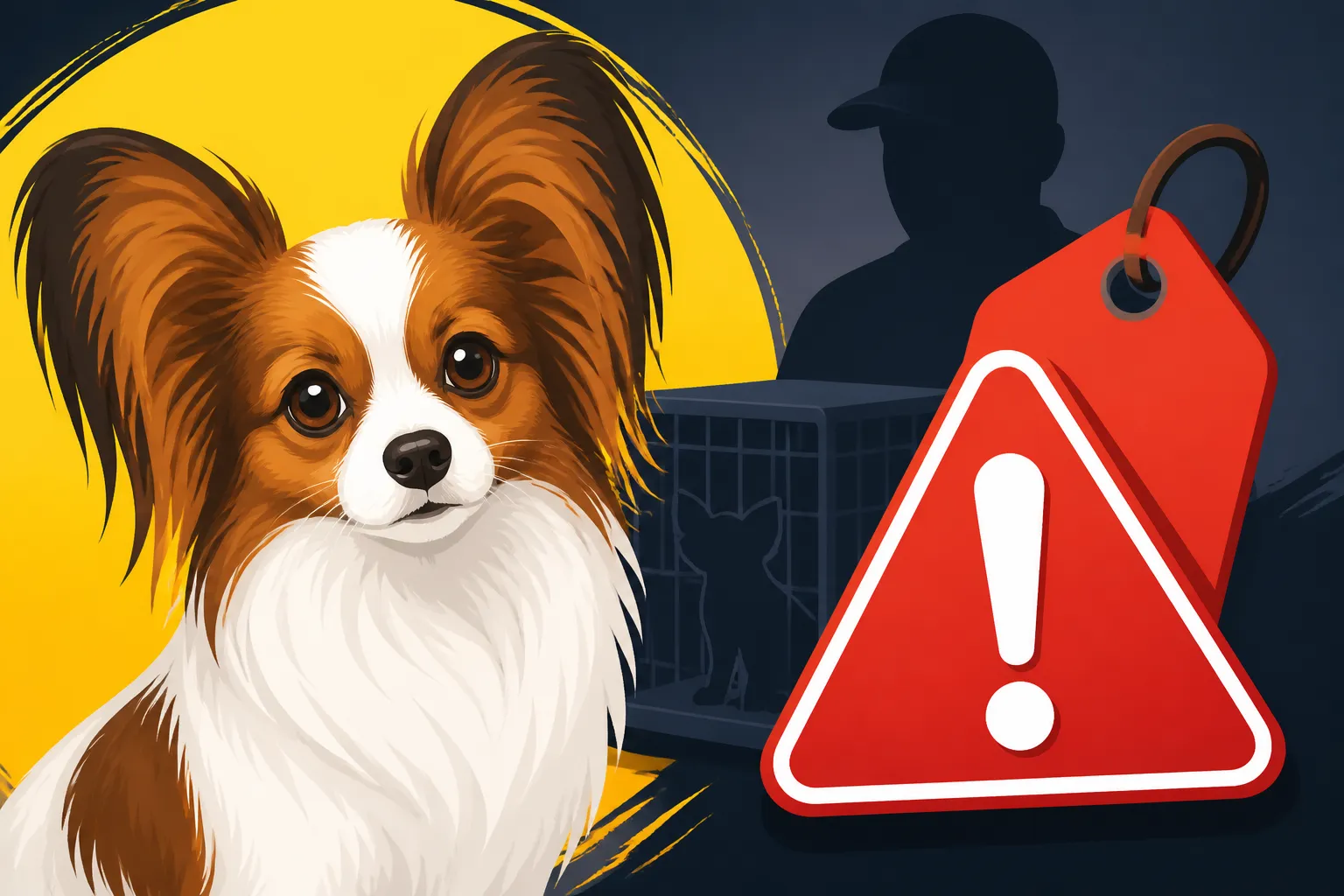
When you encounter a Papillon puppy priced significantly below the average, it's not a cause for celebration; it's a major warning sign. Several indicators can immediately tell you that you're dealing with someone who isn't prioritizing the health and future of their dogs.
A primary red flag is a seller who can't or won't provide verifiable health clearances for the puppy's parents. If they tell you the parents are "healthy" but have no documentation of specific genetic tests, that's a huge problem. Another glaring sign is a seller who pressures you to meet in a public place, like a park or parking lot, rather than inviting you to their home to see where the puppies are raised and meet the parents. This often indicates poor living conditions they want to hide. They might also have multiple litters of different breeds, suggesting a puppy mill operation rather than a dedicated breeder focused on one or two breeds.
The transaction itself can also be suspicious. If they're eager for a quick "cash-and-carry" exchange, with little interest in your living situation or experience with dogs, this is concerning. A responsible breeder wants to ensure their puppies go to good, permanent homes and will ask you many questions, almost like an interview. They are invested in the puppy's future, not just making a sale. If they offer no health guarantee, or one that is vague and unenforceable, it's another clear indication of potential trouble. They should be able to provide detailed information about the breed's specific needs, health predispositions, and temperament. A lack of knowledge or a dismissal of these concerns suggests they're not truly breeding for the betterment of the Papillon.
Unmasking the Hidden Health Horrors
The most significant financial and emotional costs associated with a "cheap" Papillon often stem from inherited health issues that responsible breeders work diligently to avoid. Skipping health testing or breeding from unhealthy lines might save money upfront for the seller, but it offloads potentially devastating expenses onto the unsuspecting buyer.
The Silent Threat of Untested Genetics
Many beloved Papillons carry genetic predispositions to certain health conditions. Without proper testing of the breeding parents, these conditions can be unknowingly passed down, leading to heartbreaking diagnoses and astronomical veterinary bills for the new owner.
One of the most common orthopedic issues in Papillons is patellar luxation, where the kneecap slips out of place. It's an uncomfortable and often painful condition that can range from mild to severe. A reputable breeder will have their breeding dogs' knees screened by a veterinary orthopedic specialist to assess the patellar health. You can learn more about this condition in Patellar Luxation Is the Papillon Problem You Will Actually Meet. If a puppy from untested parents develops a significant luxation, the treatment often involves surgery, which can be incredibly expensive. What Patellar Surgery Costs on a Papillon can give you a stark idea of the financial commitment, not to mention the recovery time and potential need for physical therapy. This is precisely why many responsible Papillon owners invest in pet insurance early on, with providers like Healthy Paws offering peace of mind should such an unforeseen issue arise. Without insurance, these costs come directly out of your pocket.
Beyond orthopedic concerns, eye conditions are another major area of concern for Papillons. Progressive Retinal Atrophy (PRA1) is a hereditary disease that causes gradual blindness, often starting with night vision loss. Reputable breeders utilize DNA tests to ensure their breeding stock is clear of this specific gene. This helps prevent affected puppies from being born. You can delve deeper into this condition and its genetic basis by reading The Papillon Type of Progressive Retinal Atrophy and the CNGB1 Gene and understanding The DNA Test for Papillon Retinal Atrophy. Untested parents can produce puppies who go blind, forcing owners to deal with the practical and emotional challenges of caring for a visually impaired dog. Other serious conditions, though less common, like Von Willebrand Disease (a clotting disorder) or Neuroaxonal Dystrophy (a neurological condition), are also conditions that conscientious breeders will screen for. Knowing Which Health Tests a Papillon Breeder Should Run is crucial for any potential buyer.
Chronic Issues Stemming from Neglect or Poor Breeding
Beyond inherited genetic problems, puppies from questionable sources often suffer from chronic issues that arise from poor care, malnutrition, or unsanitary conditions during their early development. These problems might not be immediately apparent but can surface quickly.
Dental health in Papillons is a significant concern due to their small jaws, which can lead to crowded teeth and early onset of periodontal disease. A healthy puppy should have well-formed teeth. Breeders who don't provide proper nutrition or early dental care for their pups (like ensuring access to appropriate chew toys or starting good dental hygiene habits) can set the stage for a lifetime of expensive dental work. You can learn more about this common issue in The Teeth in a Papillon's Small Jaw. These small mouths make routine care essential, but if a puppy starts life with poor dental genetics or early neglect, you're looking at potentially frequent, costly veterinary dental cleanings and even extractions throughout their life, as outlined in Dental Work Over a Papillon's Long Life. Stocking up on good dental chews and brushes from retailers like Chewy can help, but prevention starts with responsible breeding and early care.
Furthermore, puppies from mills or casual breeders often lack adequate nutrition. Tiny breeds like Papillons are particularly susceptible to hypoglycemia (low blood sugar) as puppies if not fed appropriately and consistently. A breeder cutting corners on quality food or veterinary care can lead to a puppy that struggles to thrive, requiring emergency vet visits and specialized diets. Even after initial survival, poor nutrition can lead to stunted growth, a dull coat, weak immune system, and a myriad of other health problems. Opting for high-quality food, perhaps fresh options like Ollie, can make a difference in a Papillon's overall health, but it's hard to overcome a foundational deficit from poor early care. Unsanitary living conditions also predispose puppies to internal parasites, chronic skin conditions, or persistent ear infections, all of which require ongoing veterinary treatment.
Beyond the Vet Bill: Behavioral and Emotional Costs
The financial strain of a sick Papillon is immense, but it's not the only cost. A cheap Papillon can also come with a heavy emotional burden due to behavioral issues that stem from a lack of proper socialization and inherent temperament problems passed down from poorly selected parents.
The Repercussions of Inadequate Socialization
The first few weeks and months of a puppy's life are absolutely critical for their social and emotional development. Reputable breeders spend countless hours ensuring their puppies are exposed to a wide variety of positive experiences, sounds, people, and other animals. This early socialization helps them develop into confident, well-adjusted adult dogs.
Puppies from negligent breeders or puppy mills, however, often miss this crucial window. They might be kept in isolation, confined to small spaces, or exposed to fear-inducing environments. This lack of positive exposure can lead to lifelong behavioral problems. A Papillon that hasn't been properly socialized might exhibit extreme shyness, fearfulness, or even aggression towards strangers, other dogs, or new situations. They might develop severe separation anxiety, struggling to cope when left alone. A common issue is excessive barking, where the dog reacts fearfully or territorially to every little sound or movement. The Papillon That Barks at Everything elaborates on this, and without proper early exposure, this trait can be exacerbated.
Addressing these behavioral issues requires significant time, patience, and often, professional help. Training classes, private behavior consultations, and specialized tools can add up quickly, far surpassing any initial savings on the puppy's purchase price. For example, the first year with a Papillon puppy is a whirlwind of training and development, as explored in The First Year With a Papillon Puppy, and tackling behavioral problems on top of that can be overwhelming. The emotional toll of trying to help a fearful or reactive dog, feeling helpless, and seeing your beloved pet struggle can be incredibly draining for owners.
The Heartbreak of a Dog Who Isn't "Right"
Bringing a puppy home should be a joyous occasion, filled with anticipation and love. When that puppy turns out to be chronically ill, riddled with genetic defects, or severely fearful and unsocialized, it casts a long shadow over the entire experience.
Owners of "bargain" Papillons often face a heartbreaking reality: they are constantly dealing with veterinary appointments, managing chronic pain or illness, and pouring their life savings into treatments. The joy of a new companion is replaced by constant worry and the difficult decisions that come with a dog facing significant health challenges. Imagine the emotional rollercoaster of a Papillon requiring multiple surgeries for patellar luxation or slowly losing their sight to PRA1. These situations create immense stress and sadness, as you watch your furry friend suffer despite your best efforts.
Beyond health, living with a dog that is constantly fearful, reactive, or prone to anxiety can be incredibly limiting. Family activities might need to be curtailed, social gatherings become stressful, and walks outside turn into a constant battle. The dream of a cheerful, playful Papillon might be shattered, leaving owners with feelings of regret, guilt, and a profound sense of responsibility for a situation they unknowingly walked into. The bond you hoped to build can be strained by endless problems, making you question if you made the right choice. This profound emotional cost is something no amount of initial savings can ever compensate for.
Investing Wisely: The Long-Term Value of a Properly Priced Papillon
While the initial cost of a Papillon from a reputable breeder might seem steep, it's crucial to view it as an investment in a healthy, happy, and well-adjusted companion for many years to come. The slightly higher upfront cost is a down payment on peace of mind and significantly reduces the risk of expensive and heartbreaking problems later on.
The Peace of Mind a Reputable Breeder Provides
Choosing a Papillon from a responsible, ethical breeder means investing in a solid foundation of health, temperament, and support. These breeders are passionate about their dogs and the breed, and they stand by their puppies.
A reputable breeder will not only conduct all necessary health screenings (like those for patellar luxation and PRA1) but will also offer a comprehensive health guarantee. This guarantee demonstrates their confidence in their breeding program and often provides a safety net should unforeseen genetic issues arise within a certain timeframe. They will be transparent about their practices, openly share health records of the parents, and encourage you to visit their facility to meet the entire canine family. This transparency builds trust and assures you that you are bringing home a puppy whose well-being has been prioritized from day one. They are a valuable resource for advice and support throughout your dog's life, a connection that is simply unavailable from a casual seller.
The initial higher price reflects all of these critical investments: genetic testing, quality veterinary care for the dam and puppies, premium nutrition, meticulous socialization, and ongoing support. This investment translates into a much lower risk of astronomical vet bills and behavioral issues down the road. While no breeder can guarantee a dog will never have any health issue, a reputable one significantly minimizes the risks. This is why when considering What a Papillon Puppy Costs From a Breeder, you're truly paying for quality assurance and ethical practices. The lifetime costs of owning a Papillon, as explored in What a Papillon Costs Over Its Lifetime or Whether a Papillon Is Expensive to Own, show that vet bills and ongoing care quickly dwarf the initial purchase price, making that initial investment in a healthy pup incredibly wise.
Making Smart Choices for Your Future Butterfly
Making an informed decision when acquiring a Papillon is one of the most important things you can do for your future companion and your own peace of mind. It’s about doing your homework and prioritizing long-term well-being over short-term savings.
Begin by thoroughly researching breeders. Look for those who are actively involved in breed clubs, show their dogs, and are transparent about their health testing protocols. Don't be afraid to ask specific questions about genetic clearances for patellar luxation and PRA1, and ask to see copies of health certificates. A good breeder will welcome your questions and be eager to educate you. Schedule a visit to their home to observe the puppies' living conditions and interact with the dam. Pay attention to the puppies' demeanor – are they curious and friendly, or fearful and withdrawn?
Consider budgeting for pet insurance from the moment you bring your Papillon home. Companies like Healthy Paws can provide a crucial financial safety net for unexpected illnesses or accidents, even for a well-bred dog. While it won't cover pre-existing conditions (another reason to get a healthy puppy from the start!), it can save you from financial catastrophe for future unforeseen issues. Remember that dog ownership is a significant financial commitment beyond the initial purchase. Factor in the costs of high-quality food (perhaps even fresh options like Ollie for optimal health), regular veterinary check-ups, grooming supplies (Chewy is great for finding all these!), training classes, and emergency funds. The peace of mind that comes from knowing you've done everything you can to get a healthy puppy and are prepared for their care is truly invaluable.
Here’s a quick overview of what you might unknowingly sacrifice for a lower upfront price:
| Feature | Reputable Breeder (Higher Initial Cost) | "Bargain" Breeder (Lower Initial Cost) |
|---|---|---|
| Parental Health Testing | Comprehensive (Patella, PRA1, etc.) | None or unverified "vet checked" |
| Health Guarantee | Detailed, ethical, and supported | None or vague/unenforceable |
| Vaccinations/Deworming | Up-to-date, documented | Often missing or incomplete |
| Socialization | Extensive, varied, positive interactions | Minimal, inconsistent, or negative |
| Temperament Assessment | Monitored for ideal traits | Untracked, often unknown |
| Breeder Support | Ongoing resource and advice | Little to no post-sale contact |
| Typical Initial Cost | Reflects investment in health and welfare | Reflects cutting corners and profit focus |
| Potential Lifetime Vet Bills | Significantly lower risk of genetic diseases | High risk of expensive, chronic conditions |
| Behavioral Issues | Lower risk due to proper socialization | High risk of fear, aggression, anxiety |
| Emotional Impact on Owner | Joy, confidence, strong bond | Stress, worry, regret, heartbreak |
Ultimately, a Papillon under a thousand dollars isn't a steal; it's often a ticking time bomb of potential health and behavioral problems that will cost you far more in the long run, both financially and emotionally. Invest wisely from the start, and you'll be rewarded with a healthy, happy Papillon who brings joy to your life for many years.
Disclaimer
This article is for general informational purposes only and does not constitute professional advice. Laws, prices and regulations vary by location and change over time. Consult a qualified professional for guidance on your specific situation.