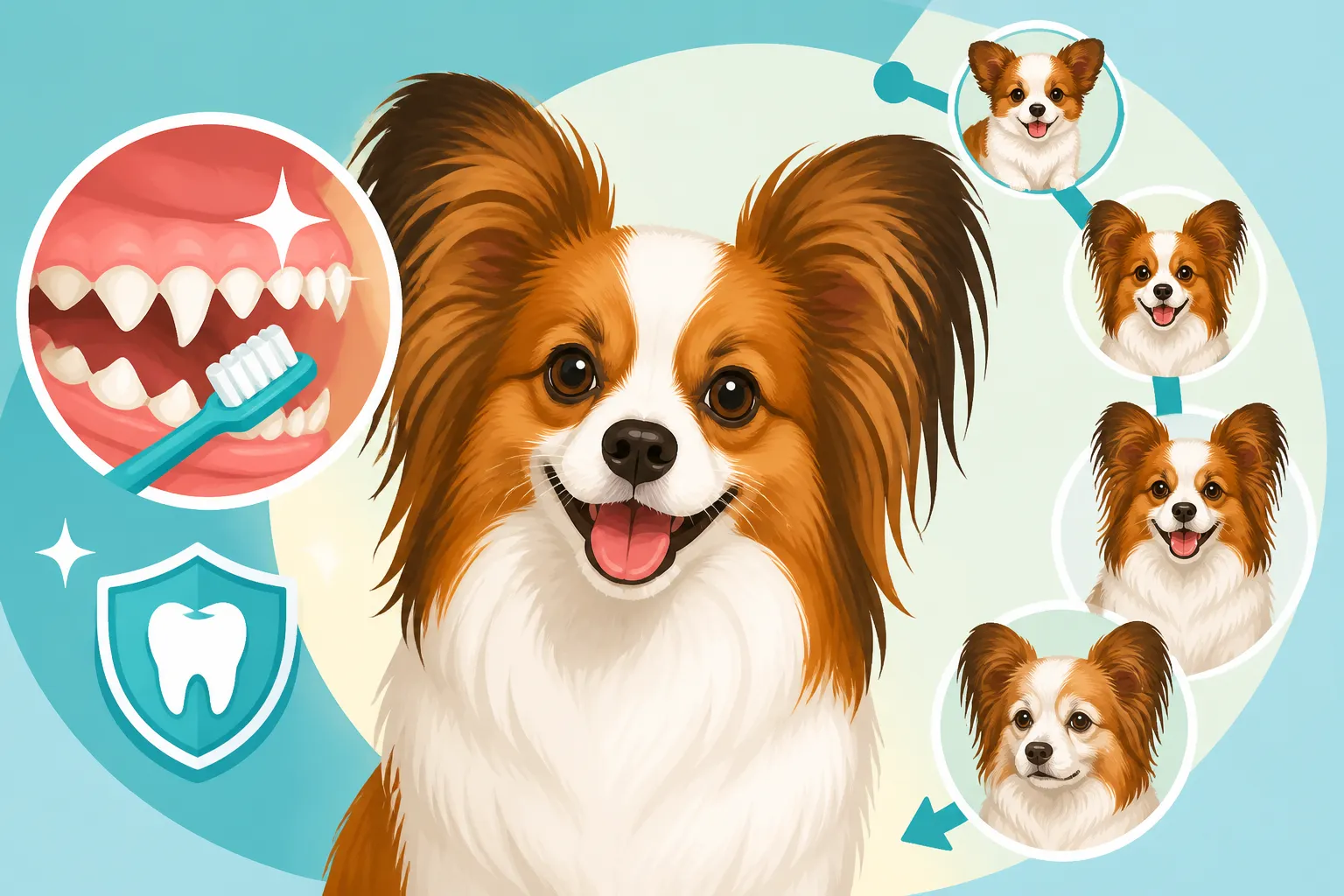
Dental Work Over a Papillon’s Long Life
One of the most common worries for Papillon owners, especially as their beloved butterfly-eared companions age, is the silent creep of dental disease. It often starts innocently enough, maybe just a hint of bad breath, but left unchecked, it can lead to serious pain, lost teeth, and even systemic health issues. This comprehensive guide is here to walk you through everything you need to know about keeping your Papillon's tiny teeth healthy throughout their long and happy life, from preventative care to understanding veterinary dental procedures.
The Unique Challenges of Papillon Teeth
Papillons are known for their delicate features, and that includes their mouths. Their small jaws can be a real breeding ground for dental problems, often starting much earlier than you might expect in larger breeds. It's not just about aesthetics; their oral health directly impacts their overall well-being.
Why Small Jaws Lead to Big Problems
It's a common observation among owners of toy breeds: a lot of teeth packed into a very small space. Your Papillon has the same number of teeth as a Golden Retriever, roughly 42 adult teeth, but in a fraction of the jaw size. This crowding means that food particles and plaque have more nooks and crannies to hide in, making it incredibly difficult for the natural chewing action or even diligent home brushing to reach every surface effectively. Think about trying to clean a tightly packed bookshelf – some areas are just harder to get to. This inherent anatomical challenge is a huge reason why dental disease is so prevalent. For a deeper dive, you might want to read about Why a Papillon's Jaw Crowds Its Teeth to understand the specific structural issues.
Retained Baby Teeth and Their Impact
Another hurdle many Papillon puppies face is retained deciduous teeth, or baby teeth that just don't want to let go. Normally, as the adult teeth erupt, they push out the baby teeth. But in smaller breeds, this process doesn't always happen smoothly. You'll often see two teeth, a baby tooth and an adult tooth, trying to occupy the same spot in the jaw. This double-dentition creates even more surfaces for plaque and tartar to accumulate, accelerating the onset of periodontal disease. More importantly, it can cause the adult teeth to erupt in incorrect positions, leading to further crowding and bite problems. It's a key reason why veterinarians recommend monitoring your puppy's mouth closely during their first year. If you're wondering When a Papillon's Baby Teeth Must Be Pulled, it's usually sooner rather than later to prevent these complications.
Recognizing the Early Signs of Dental Disease
Dental disease doesn't just appear overnight; it's a gradual process. Learning to spot the subtle early signs can save your Papillon from a lot of discomfort and potentially expensive interventions down the line. It's about being proactive, not reactive.
The Initial Red Flags in Your Papillon's Mouth
The very first sign you'll probably notice isn't visual at all – it's olfactory. That distinctly unpleasant "dog breath" isn't normal, despite what some might think. It's often the first indicator of bacterial growth in the mouth, leading to plaque formation. If you lift your Papillon's lip and see yellow or brown deposits forming along the gum line, especially on the back molars or canine teeth, that's tartar. Tartar is hardened plaque, and it acts like a rough surface, inviting more bacteria to stick and multiply. Don't ignore these visual cues; they are shouting for attention. You might be surprised at How Early Tartar Appears on a Papillon, sometimes even before their second birthday.
Beyond Bad Breath: Behavioral Changes to Watch For
Sometimes, the signs aren't as obvious as discolored teeth or foul breath. Dogs are incredibly good at hiding pain, and Papillons, with their spirited nature, are no exception. You might notice subtle behavioral shifts that indicate oral discomfort. Is your normally enthusiastic eater suddenly hesitant to crunch their kibble? Are they dropping food, chewing on one side of their mouth, or rubbing their face more often? Perhaps they're shying away when you try to pet their head or touch their muzzle. These can all be signs of pain from gingivitis, an abscess, or even a fractured tooth. Any change in eating habits or increased irritability during meal times should prompt a closer look at their mouth.
Preventative Home Dental Care for Your Papillon
While professional cleanings are essential, the real heavy lifting in preventing dental disease happens right in your own home, every single day. Consistent home care can significantly slow down the progression of plaque and tartar buildup, extending the time between professional vet visits.
The Importance of Daily Tooth Brushing
This is the gold standard of home dental care, and it truly makes the biggest difference. Just like with humans, daily brushing physically removes plaque before it has a chance to harden into tartar. Yes, it can be a challenge with a small, squirmy Papillon, but starting early and making it a positive experience with lots of praise and tasty dog-specific toothpaste can turn it into a routine they tolerate, or even enjoy. Focus on the outside surfaces of the teeth and along the gum line, as these are the areas where plaque accumulates most. You might wonder Why a Papillon's Teeth Need Brushing Daily, and the answer lies in the rapid speed at which plaque forms and hardens into tartar in their small, crowded mouths.
Dental Chews, Water Additives, and Other Aids
Beyond brushing, there are several other products that can complement your home care routine. Dental chews, especially those specifically designed to reduce plaque and tartar, can be beneficial. Look for products that have a Veterinary Oral Health Council (VOHC) seal, which means they've met a certain standard for effectiveness. My Papillon, Pippa, absolutely loves specific dental chews from Chewy, and they really help supplement our brushing efforts. Water additives can also help reduce bacteria in the mouth, but they are generally less effective than brushing or dedicated chews. Remember, these are aids, not substitutes for brushing or professional veterinary care. Always supervise your Papillon with chews to ensure they don't ingest large pieces too quickly or choke.
Learning to Examine Your Papillon's Mouth Regularly
Beyond the daily brushing, get into the habit of performing a quick, visual check of your Papillon's mouth every week or so. Lift their lips, check for any redness or swelling along the gum line, look for missing or fractured teeth, and keep an eye on any changes in the color of their teeth. Early detection of issues like a broken tooth or a developing abscess can prevent more serious problems down the road. If you feel confident enough, gently touch their gums to feel for any bumps or lumps. This regular inspection helps you become familiar with what's normal for your dog, making it easier to spot when something is amiss.
Professional Dental Cleanings: When and Why
Despite the best home care, most Papillons will need professional dental cleanings at some point in their lives. These are far more comprehensive than what you can achieve at home, addressing issues beneath the gum line that are invisible to the naked eye.
The Necessity of Veterinary Dental Intervention
A professional dental cleaning by your veterinarian goes beyond just removing visible tartar. It's a procedure performed under general anesthesia, allowing the vet to thoroughly examine every tooth, probe for pockets under the gum line (a sign of periodontal disease), and take dental X-rays. These X-rays are crucial because a significant portion of dental disease occurs below the gum line, affecting the tooth roots and jawbone. Without anesthesia, it would be impossible to perform such a detailed and pain-free examination, let alone scale off hardened tartar both above and below the gum line. This thoroughness is what truly protects your Papillon from advancing periodontal disease. If you've ever wondered How Often a Papillon Needs a Dental Cleaning, it largely depends on their genetics and your home care routine, but many small breeds benefit from cleanings every 1-2 years.
What Happens During a Professional Cleaning
When your Papillon goes in for a dental cleaning, it's typically an outpatient procedure. They'll undergo pre-anesthetic bloodwork to ensure they're healthy enough for anesthesia, especially important for small breeds like Papillons. Once safely anesthetized, the vet or vet tech will meticulously scale away tartar using ultrasonic and hand instruments. Each tooth is then polished to smooth the enamel, making it harder for new plaque to adhere. During this time, the vet will perform a full oral exam and take X-rays to check for issues like abscesses, bone loss, or unerupted teeth. If any diseased or fractured teeth are found, extractions may be recommended to alleviate pain and prevent infection. Discussing Whether a Papillon Needs Bloodwork Before a Dental with your vet is crucial to understand the safety protocols in place.
Understanding Dental Procedures and Costs
The thought of your Papillon undergoing anesthesia and potentially having teeth extracted can be daunting, and the costs involved can be a significant concern for owners. Being prepared and understanding the process can ease some of that worry.
The Anatomy of a Dental Bill
A professional dental cleaning and any necessary extractions can be one of the more substantial veterinary expenses you'll face over your Papillon's lifetime. The total cost typically includes several components: pre-anesthetic bloodwork, the anesthesia itself (which often varies by weight and duration), the dental cleaning and polishing, full-mouth dental X-rays, and any extractions or advanced procedures required. Pain medication and antibiotics might also be prescribed. The price will naturally fluctuate based on your geographic location and the severity of your dog's dental disease, with more extractions or complex oral surgery increasing the bill. Knowing What a Papillon's Dental Costs will involve can help you budget, but always prepare for the possibility of additional work.
When Extractions Are Necessary
No one wants their dog to lose teeth, but sometimes extractions are the kindest and healthiest option. If a tooth is severely diseased, has deep periodontal pockets, is fractured beyond repair, or is causing an abscess, removing it eliminates a source of pain and infection. Leaving a diseased tooth in place can lead to chronic pain, spread infection to other parts of the body, and cause further bone loss in the jaw. While it might seem drastic, dogs do incredibly well after extractions, often showing a marked improvement in comfort and appetite once the painful tooth is gone. They adapt quickly to eating without a full set of teeth, especially small kibble or wet food. If your Papillon needs advanced care, seeking advice from a board-certified veterinary dentist can be invaluable.
Table: Papillon Dental Care – A Lifelong Plan
| Care Type | Frequency | Key Activities | Primary Goal | Cost Implication |
|---|---|---|---|---|
| Daily Home Care | Daily | Brushing teeth, dental chews, water additives | Prevent plaque/tartar buildup, fresh breath | Low (supplies) |
| Weekly Home Check | Weekly | Lift lips, check gums, look for abnormalities | Early detection of issues | Minimal (time) |
| Annual Vet Check | Annually | Oral exam by vet during wellness visit | Identify early signs, plan professional cleaning | Low (exam fee) |
| Professional Cleaning | Every 1-2 years (avg.) | Anesthesia, scaling, polishing, X-rays, extractions | Deep clean, treat sub-gingival disease, remove painful teeth | Moderate to High |
| Specialized Treatment | As needed | Advanced extractions, root canals, oral surgery | Address severe or complex dental conditions | High |
Nutritional Support for Dental Health
The food your Papillon eats plays a role in their overall health, including their dental well-being. While diet alone can't replace brushing, certain foods can certainly help, or hinder, their oral hygiene.
The Role of Kibble and Dental Diets
Many believe that hard kibble naturally cleans a dog's teeth. While some scraping action can occur, most standard kibble shatters upon impact, offering minimal benefit to the teeth, especially for a small dog like a Papillon who might just swallow pieces whole. However, specifically formulated dental diets are designed with larger kibble that forces the dog to chew, and they often contain ingredients that mechanically scrub the tooth surface or chemically prevent plaque mineralization. These diets can be very effective as part of a comprehensive dental care strategy. Discussing whether a Papillon can actually pick up and chew certain kibble sizes can be an important conversation with your vet or a knowledgeable pet supply store. For variety, brands like Ollie offer fresh food options, but owners still need to prioritize daily brushing regardless of diet to maintain optimal oral health.
Treats and Chews: Good Versus Bad for Teeth
Just like with humans, not all treats are created equal. Many soft, sugary treats can actually contribute to plaque buildup. Opt for dental-specific treats or natural chews that are safe and appropriately sized for your Papillon. Rawhide can be problematic as it's often too hard and can cause fractured teeth, or pieces can be swallowed leading to choking or blockages. Look for softer, pliable dental chews that still offer a scrubbing action without the risk of breaking teeth. And remember to always account for these treats in your dog's daily calorie intake to prevent weight gain, which can exacerbate other health issues.
Managing Dental Health in the Aging Papillon
As your Papillon moves into their senior years (typically around 8-10 years old), dental health becomes even more critical. Their long lifespan means more opportunities for plaque and tartar to accumulate, and they may be more susceptible to complications.
Increased Risk and What to Watch For
Older Papillons are at a higher risk for advanced periodontal disease, tooth root abscesses, and even fractured teeth due to wear and tear. Their immune systems might not be as robust, making them more vulnerable to infections originating in the mouth. It's crucial to continue regular home care and veterinary check-ups. You might notice your senior Papillon becoming even more sensitive to touch around their mouth, or showing a reluctance to eat harder foods, which could be a sign of pain. Remember, a Papillon can live a very long life; indeed, How Long a Papillon Lives is often a testament to good care, and dental health is a big part of that. Catching issues early in a senior dog can prevent unnecessary suffering and more invasive procedures.
Adapting Care for Senior Papillons
For older Papillons, adjustments to their dental care routine might be necessary. If they've lost several teeth or have tender gums, you might need to transition to softer foods. However, this doesn't mean giving up on dental hygiene entirely. Gentle brushing with a finger brush or a soft gauze can still help maintain gum health, and vet-recommended dental rinses can be beneficial. Close monitoring for any signs of discomfort or infection is paramount. Your vet may recommend more frequent dental check-ups, even if full professional cleanings are spaced further apart, to keep a close eye on any developing issues. Even with few teeth, a Papillon can still eat normally, but it might require modifications to their diet, such as softened kibble or wet food.
The Long-Term Financial Impact of Papillon Dental Care
Let's be realistic: dental care for Papillons, especially throughout their extensive lifespan, isn't cheap. But understanding the costs and how to mitigate them can help you plan and avoid sticker shock when a dental emergency arises.
Budgeting for a Lifetime of Dental Health
The cost of dental care can accumulate significantly over your Papillon's 12-16+ year lifespan. From daily brushes and dental chews to regular professional cleanings and potential extractions, it's an ongoing expense. Many owners are surprised by What a Papillon Costs Over Its Lifetime, and dental work is a major contributor to that figure. Factor in a line item for dental health in your annual pet budget. Setting aside a dedicated emergency fund or looking into pet insurance specifically designed to cover dental issues can make a huge difference. Prevention really is cheaper than a cure, as consistent home brushing can dramatically reduce the frequency and complexity of professional procedures, which can cut down on What Fifteen Years of Papillon Dentals Costs.
The Role of Pet Insurance in Dental Costs
Pet insurance can be a real lifesaver when it comes to unexpected veterinary bills, including extensive dental work. However, it's crucial to understand what your policy covers. Many insurance plans will cover routine dental cleanings if you add a wellness rider, and most will cover treatments for dental disease (like extractions) if it's not considered a pre-existing condition. Some companies, like Healthy Paws, offer various plans that might include dental coverage. Be sure to read the fine print regarding waiting periods and exclusions, especially for conditions like periodontal disease, which can develop over time. Getting insurance when your Papillon is young and healthy is often the best strategy to ensure coverage for future issues.
Disclaimer
This article is for general informational purposes only and does not constitute professional advice. Laws, prices and regulations vary by location and change over time. Consult a qualified professional for guidance on your specific situation.