Whether a Papillon Breeder Certifies Knees
One of the most concerning things for any prospective Papillon owner is the thought of their tiny, athletic companion suffering from a painful joint issue. Patellar luxation, or a slipping kneecap, is a common worry, and finding a breeder who takes proactive steps to prevent it is absolutely paramount. This guide will walk you through what knee certification means, why it's so important for Papillons, and how to ensure you're choosing a puppy from a responsible breeder committed to healthy knees.
The Unseen Threat: Why Patellar Luxation Looms Large for Papillons
It's heartbreaking to imagine your spirited little Papillon, known for its agile leaps and bounds, suddenly limping or holding a leg up in pain. Unfortunately, patellar luxation is a very real concern for many small breeds, including our beloved butterfly dogs. It’s not just a minor inconvenience; it can lead to significant discomfort and expensive veterinary care down the line.
Understanding Patellar Luxation and Its Impact
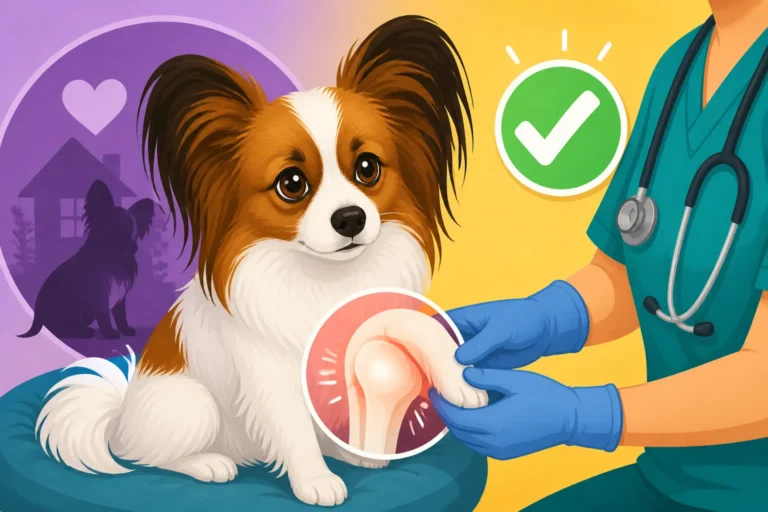
Patellar luxation is essentially when the kneecap (patella) slips out of its normal groove in the thigh bone (femur). For Papillons, it almost always means the kneecap slips towards the inside of the leg, a condition known as medial patellar luxation. You might notice your dog skipping a step, holding a leg up for a few strides, or even hear a little click as the kneecap pops back into place. While some dogs might seem to manage it for a while, it's not a comfortable experience, and it's a structural problem that can worsen over time.
Imagine trying to walk or run when your knee joint suddenly decides to take a detour. It's jarring, painful, and disrupts your entire gait. For a Papillon, whose world revolves around exploring, playing, and jumping, this can severely impact their quality of life. Even a mild luxation can cause chronic inflammation, and as a result, a lifetime of subtle discomfort. This is why addressing it at the breeding stage, through careful certification, is so critical. For a deeper dive into the condition itself, read Patellar Luxation Is the Papillon Problem You Will Actually Meet.
The Long-Term Consequences of Unchecked Knees
When a kneecap repeatedly slips out of place, it causes wear and tear on the joint cartilage. This friction and instability inevitably lead to the early onset of arthritis, a degenerative joint disease that causes chronic pain, stiffness, and reduced mobility. A Papillon might not cry out in obvious pain, as many dogs are stoic, but you might notice them being less enthusiastic about walks, slower to get up, or generally less playful. This isn't just a matter of an aging dog; it's a preventable condition that shortens their active years.
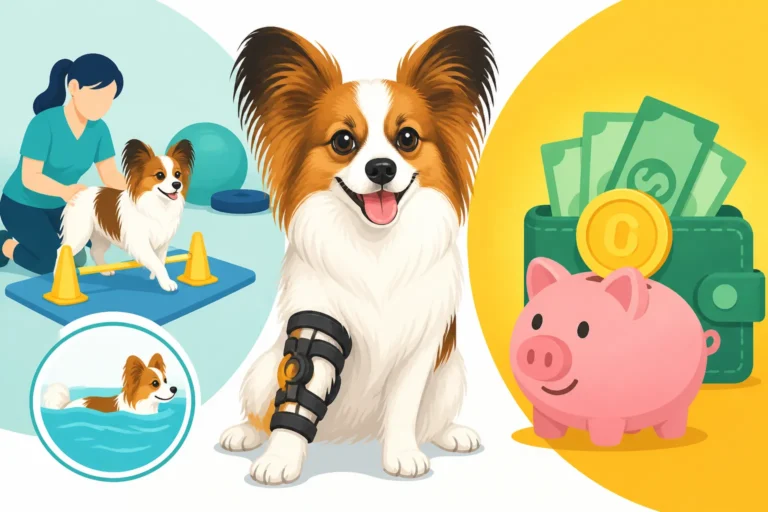
Beyond the daily discomfort for your dog, patellar luxation can lead to significant financial strain for owners. Corrective surgery, if deemed necessary, can be quite costly, especially if both knees are affected. And even after surgery, there's a recovery period and often ongoing management for potential arthritis. Knowing that your puppy's parents had certified healthy knees offers a huge layer of protection against these heartaches and expenses. You can learn more about the painful reality of this issue in Whether a Papillon Gets Arthritis From a Slipping Knee and the financial implications in Knee Surgery Is the Bill Most Papillon Owners Meet.
Decoding Knee Certification: What to Look For in a Breeder
So, what exactly is knee certification, and how does it help? It's all about responsible breeding practices designed to minimize the hereditary risk of patellar luxation. A good breeder understands the genetic predispositions of the breed and actively works to improve the health of their lines.
The Role of OFA and Other Certifying Bodies
The gold standard for knee certification in the United States is through the Orthopedic Foundation for Animals (OFA). The OFA's patella evaluation program involves a veterinarian performing a physical examination of the dog's knees, manually checking for any looseness or slippage. The veterinarian then assigns a grade to each knee, ranging from Grade 0 (normal) to Grade 4 (severe luxation). These results are then submitted to the OFA and registered in their public database.
It’s crucial to understand that a "vet check" at a regular appointment is not the same as OFA certification. While your regular vet can certainly identify a luxating patella, the OFA process is standardized, peer-reviewed, and provides a traceable, public record. This transparency is what makes it so valuable. When a breeder tells you their dogs are "vet checked," always ask if those checks were formally submitted to OFA or another reputable registry. This specific type of health testing is one of the most important things a breeder should do. You can find a more comprehensive list in Which Health Tests a Papillon Breeder Should Run.
Why a Papillon Breeder Should Certify Knees
A breeder who certifies their dogs' knees demonstrates a deep commitment to the health and welfare of the Papillon breed. By only breeding dogs with normal (Grade 0) patellas, or occasionally Grade 1 if paired with a Grade 0 mate and carefully evaluated genetic lines, they are actively working to reduce the incidence of patellar luxation in future generations. This isn't just a suggestion; for reputable breeders, it's an ethical obligation.
Think of it this way: when a breeder invests the time and money into these certifications, they're not just selling you a puppy; they're selling you a carefully considered genetic package with a higher likelihood of lifelong health. It's a proactive step that mitigates risk for both the puppies and their future families. A breeder who consistently performs these tests and can readily show you the documentation is one you can trust. This level of transparency and dedication sets them apart. This isn't the only test, of course, but it's a big one. Learn more about comprehensive testing in What a Papillon Breeder Should Have Tested.
What "Knee Certification" Actually Means for a Puppy Buyer
For you, the puppy buyer, seeing "knee certified" on a parent dog's pedigree or health page doesn't mean your puppy will never develop patellar luxation. Genetics are complex, and environmental factors (like injury or excessive jumping) can still play a role. However, it drastically reduces the likelihood. It means the breeder has stacked the genetic deck in your favor by making informed decisions based on concrete health data.
When interviewing a breeder, they should be able to provide you with the OFA numbers for both the dam (mother) and sire (father) of the litter. You can then go to the OFA website and look up these numbers yourself to verify the results. This is your personal due diligence and an important step in ensuring you're working with an ethical breeder. Don't be shy about asking to see these documents; a good breeder will be proud to share them.
Navigating the Breeder Landscape: Finding Certified Knees and More
Finding a responsible Papillon breeder can feel like a quest, especially with so much information out there. It’s about more than just finding a cute puppy; it’s about finding a lifelong companion whose health has been prioritized from day one.
Questions to Ask Potential Papillon Breeders
When you connect with a potential breeder, come prepared with a list of questions. Their answers, and their willingness to answer them thoroughly, will tell you a lot. Here are some key questions related to knee health and certification:
- "Do you certify your breeding dogs' knees with the OFA? Can I see the certificates for both parents of this litter, including their OFA numbers?"
- "What grades did the parents receive on their patella evaluations?" (Aim for Grade 0, or possibly Grade 1 if the other parent is Grade 0 and they have a strong history of sound knees.)
- "At what age were the parents' knees certified?" (OFA recommends testing after 12 months of age, with results often posted after the dog is at least a year old.)
- "How many generations back do you track patella health in your lines?" (A good breeder will know the health history of their dogs' ancestors.)
- "What steps do you take to prevent patellar luxation in your puppies once they go to their new homes?" (They should talk about encouraging appropriate exercise, avoiding high-impact jumping, and maintaining a healthy weight.)
A reputable breeder will not only answer these questions patiently but will likely offer the information before you even ask. They'll be proud of their health testing protocols and transparent about their dogs' results. For more critical questions to ask, see Which Questions to Ask a Papillon Breeder.
Interpreting Health Guarantees and Contracts
Almost all reputable breeders will provide a written health guarantee with your puppy. This document is incredibly important, as it outlines the breeder's responsibility regarding hereditary health issues, including patellar luxation. Make sure you read it carefully and understand all the terms.
Look for a guarantee that specifically addresses genetic conditions like patellar luxation. It should ideally cover a reasonable timeframe (often up to one or two years of age, or sometimes even longer for certain conditions). Be wary of guarantees that are overly vague, extremely short, or place unreasonable demands on you as the owner. For example, a guarantee shouldn't require you to return a dog with a treatable condition. Many reputable breeders will offer a replacement puppy or a partial refund if a serious genetic issue, confirmed by a veterinarian, arises.
It's also a good idea to consider pet insurance from companies like Healthy Paws. Even with the best breeding practices, unforeseen accidents or illnesses can occur. Pet insurance can provide a safety net for unexpected veterinary expenses, including potential issues like patellar luxation that might develop later, even in well-bred dogs, or injuries that happen during play. Understanding your Whether a Papillon Health Guarantee Covers Knees is essential.
The Value of Investing in a Well-Bred Papillon
The initial purchase price of a well-bred Papillon from a reputable breeder might seem higher than from an individual who hasn't done all the health testing. However, this upfront investment often pays dividends in the long run. When you buy from a breeder who certifies knees and conducts other health screenings, you're investing in a puppy with a significantly lower risk of developing expensive and painful hereditary conditions.
Consider the potential costs of surgeries, medications, and specialized care for a dog with severe patellar luxation, not to mention the emotional toll of seeing your dog in pain. A few hundred dollars more upfront for a well-vetted puppy can save you thousands in vet bills and years of worry. It also means you’re supporting ethical breeding practices that aim to improve the breed, rather than perpetuate genetic problems. Furthermore, well-bred dogs tend to have better temperaments and overall health, leading to a happier, healthier life for everyone.
Once you have your healthy Papillon puppy, providing them with high-quality nutrition is another vital step in supporting their joint health and overall well-being. Brands like Chewy offer a vast selection of premium dog foods and supplements, while Ollie provides fresh, human-grade meal options tailored to your dog's specific needs. Good nutrition is the foundation of a long and active life.
Proactive Care for Your Papillon's Joints
Even with a well-bred Papillon whose parents had certified healthy knees, proactive care is still incredibly important. You can do a lot to support your dog's joint health throughout their life and minimize any potential risks.
Maintaining Ideal Weight and Activity Levels
One of the easiest yet most impactful things you can do for your Papillon's joints is to maintain their ideal weight. Just a few extra pounds on a tiny dog can put an enormous strain on their delicate joints, including their knees. Think about carrying an extra backpack all day – even a small one makes a difference over time. Obesity exacerbates any existing joint issues and can even lead to problems in otherwise healthy dogs. Regularly check with your vet to ensure your Papillon is at a healthy weight.
While you want to avoid excessive, high-impact activities, regular, moderate exercise is crucial for building and maintaining strong muscles around the knee joint. These muscles provide natural support and stability to the patella. Short, frequent walks, gentle play sessions, and even mental enrichment activities are perfect for Papillons. Avoid repetitive, high-impact jumping from furniture or hard landings, especially in puppyhood when their growth plates are still open. For more on this, check out Whether Weight Affects a Papillon's Knees.
Creating a Joint-Friendly Home Environment
Your home environment can significantly impact your Papillon's joint health. Hardwood or tile floors, while beautiful, can be slippery and make it difficult for small dogs to get traction, leading to slips and falls that can injure knees. Consider placing rugs or runners in high-traffic areas.
Similarly, Papillons love to jump on and off furniture. While this is natural for them, repeated jumping from heights can put immense stress on their knees and increase the risk of injury or aggravating a luxating patella. Providing dog-friendly ramps or steps for beds and sofas can be a game-changer. These simple additions allow your Papillon to safely access their favorite cuddle spots without the jarring impact of jumping. You can find many such products on Chewy or other pet supply retailers. This simple change can make a huge difference. Find out more at Whether a Papillon Should Be Stopped From Jumping Off Furniture.
Supplements and Regular Vet Checks
As your Papillon ages, or if they have even a mild predisposition to joint issues, your veterinarian might recommend joint supplements. Ingredients like glucosamine, chondroitin, and omega-3 fatty acids are commonly used to support cartilage health, reduce inflammation, and improve joint lubrication. Always discuss supplements with your vet before adding them to your dog's routine, as they can recommend appropriate dosages and formulations.
Finally, don't underestimate the power of regular veterinary check-ups. Your vet can monitor your Papillon's gait, assess their joint health, and catch any subtle signs of patellar luxation or arthritis early on. Early detection means early intervention, which can significantly improve outcomes and maintain your dog's comfort. These routine visits, including yearly bloodwork, are vital for overall health monitoring. A discussion of what those tests include can be found in What a Papillon's Yearly Bloodwork Should Cover.
By choosing a responsible breeder who certifies their dogs' knees and by providing a supportive environment and proactive care, you are giving your Papillon the very best chance at a long, healthy, and happy life, full of joyful leaps and bounds!
Disclaimer
This article is for general informational purposes only and does not constitute professional advice. Laws, prices and regulations vary by location and change over time. Consult a qualified professional for guidance on your specific situation.