What Patellar Surgery Costs on a Papillon
It's a moment no Papillon owner ever wants to face: you notice a little skip in your beloved companion's step, or perhaps a sudden yelp when they jump, and a sinking feeling tells you something isn't right with their knee. Patellar luxation, or a slipping kneecap, is a sadly common issue in our tiny butterfly dogs, and when surgery becomes the recommended path, the question of "What will this cost?" looms large and can feel incredibly overwhelming. This guide is here to walk you through the financial realities and practical considerations of patellar luxation surgery for your Papillon, so you can feel more prepared and less alone in the journey.
Understanding Patellar Luxation in Papillons
When you have a Papillon, you quickly learn about their boundless energy and surprising athleticism, but also about the unique health considerations that come with such a delicate, small breed. Patellar luxation sits high on that list of concerns.
What Exactly is Patellar Luxation?
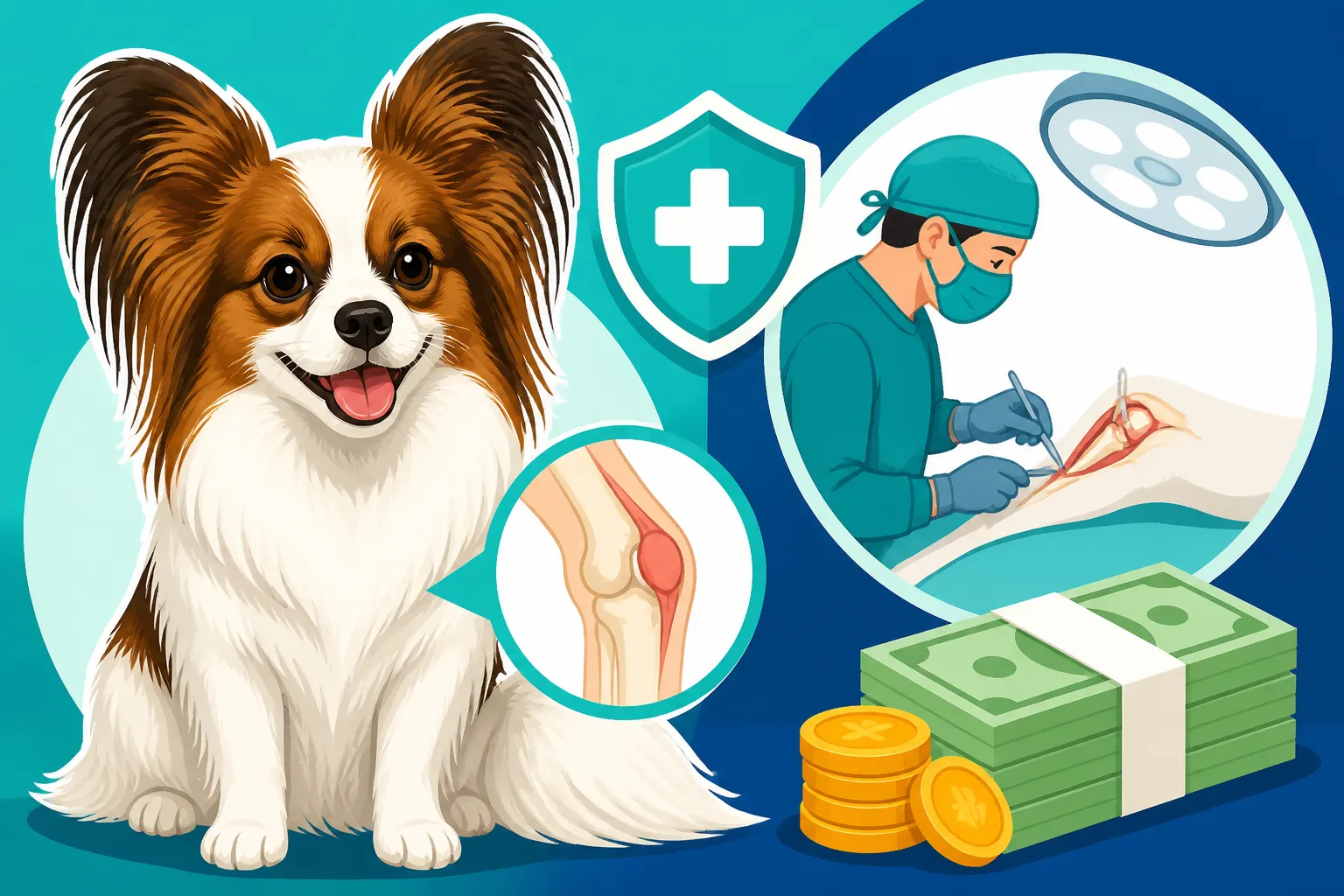
At its simplest, patellar luxation means your dog's kneecap (patella) slips out of its normal groove on the thigh bone (femur). Think of your own kneecap; it's designed to glide smoothly up and down that groove. For a Papillon, or many other small breeds, that groove can be too shallow, or the alignment of the leg bones can be a bit off, causing the kneecap to pop out. This popping can happen to the inside (medial luxation, which is most common in Papillons) or, less frequently, to the outside (lateral luxation) of the leg. When it slips, your dog might pick up their leg, skip a step, or even hold their leg completely off the ground for a few strides before it pops back into place. It's a condition that can range from a minor, occasional inconvenience to a source of chronic pain and severe lameness. To learn more about the mechanics, check out our guide on What Patellar Luxation Does to a Papillon.
Why Papillons Are Prone to This Condition
It often feels unfair that such a vibrant, active breed like the Papillon is so susceptible to a problem that can hinder their movement. But the truth is, genetics play a huge role here. Patellar luxation is considered a hereditary condition, meaning it's passed down through generations. While a single gene hasn't been identified, it's believed to be a polygenic trait, influenced by multiple genes. This is why responsible breeders place such a strong emphasis on screening their breeding stock. The unique conformation of toy breeds, with their smaller, often finer bones, can also contribute to the anatomical irregularities that lead to the condition. It's a silent threat that can manifest as a Papillon matures, sometimes even after their most active puppy stages. We dive deeper into this in How Common Patellar Luxation Is in Papillons.
Recognizing the Signs Your Papillon Might Have It
Spotting the signs of patellar luxation can be tricky, especially in the early stages, because Papillons are famously stoic and often try to hide their discomfort. You might see a sudden "skip" or "bunny hop" when they're running or playing, where they momentarily hold one back leg up before putting it down and continuing as if nothing happened. Sometimes, it's more subtle: a reluctance to jump onto furniture they once easily scaled, a hesitation before going up or down stairs, or an odd stiffness after a nap. In more severe cases, you might notice persistent lameness, an inability to bear weight on the leg, or even a visible bowing of the leg over time. Don't dismiss these subtle cues; they're your Papillon's way of telling you something is amiss. Keep an eye out for these Signs a Papillon's Kneecap Slips.
The Initial Diagnosis and Non-Surgical Options
Once you suspect an issue, getting a proper diagnosis is the crucial next step. It's natural to hope for a simple fix, but understanding all the options is key to making the best decision for your furry friend.
The Vet Visit: What to Expect During Diagnosis
Your first stop will be your regular veterinarian. They'll perform a thorough physical examination, specifically manipulating your Papillon's knee joint to see if the patella can be manually luxated. They'll also check for any instability or clicking sounds. Based on what they find, they'll assign a "grade" to the luxation, typically from Grade I (mild, occasional slipping) to Grade IV (severe, permanently luxated). This grading system is critical because it helps determine the severity and the most appropriate course of action. In some cases, your vet might recommend X-rays to assess the overall bone structure and rule out other issues, although patellar luxation itself is often diagnosed through palpation. Understanding Which Grade of Luxation Needs Fixing in a Papillon is vital here.
Conservative Management for Lower Grade Luxation
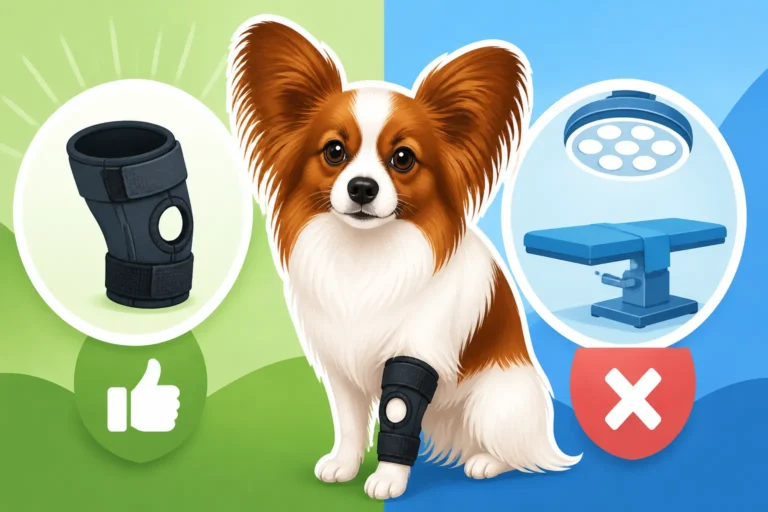
For Papillons with Grade I or sometimes Grade II luxation, or for those who are older and less active, surgery isn't always the immediate answer. Your vet might suggest conservative management. This often involves strict weight management to reduce stress on the joints – even a few extra ounces can make a big difference for a tiny Papillon. Joint supplements, often containing glucosamine and chondroitin, can help support cartilage health. Exercise modification is also key: avoiding high-impact activities like excessive jumping or sudden turns, and favoring controlled leash walks and gentle play instead. Anti-inflammatory medications might be prescribed during flare-ups of pain. While these methods don't "fix" the luxation, they can significantly improve comfort and quality of life for many dogs.
When Non-Surgical Approaches Just Aren't Enough
Sometimes, despite your best efforts with conservative management, the condition progresses, or the pain simply doesn't abate. Your Papillon might start to experience more frequent luxations, increased lameness, or a noticeable decline in their joyful, active spirit. This is when your vet will likely discuss surgical intervention as the most effective long-term solution. It's a tough decision, but recognizing when your dog's quality of life is genuinely suffering is paramount. Surgery aims to correct the anatomical issues causing the luxation, providing stability and alleviating pain. If your Papillon is suffering, it's time to seriously consider Whether a Papillon Needs Knee Surgery.
Navigating the Costs of Patellar Luxation Surgery
The "big question" for many pet parents facing this news is, understandably, about the cost. It's not a single line item but a collection of services, and understanding each component can help you prepare.
What Goes Into the Surgical Bill?
When you receive an estimate for your Papillon's patellar luxation surgery, it's rarely just one number. The total cost is a mosaic of several critical elements. First, there are the pre-operative diagnostics, which might include updated bloodwork to ensure your Papillon is healthy enough for anesthesia, and potentially more X-rays to get precise measurements for the surgeon. Then there's the anesthesia itself, which involves specialized monitoring for a small dog like a Papillon, given their size can make them more sensitive. The surgeon's fee, the facility costs (for the operating room, recovery area, and nursing staff), and the specific surgical techniques used (which can involve deepening the trochlear groove, moving the tibial tuberosity, and tightening or loosening joint capsules) all contribute significantly. Post-operative medications for pain and inflammation are also included. Remember, these little dogs need extra vigilance when undergoing procedures like Anesthesia and a Five Pound Papillon.
Regional and Specialist Cost Variations
Just like human healthcare, veterinary costs can vary significantly based on where you live and who performs the surgery. A specialist veterinary orthopedic surgeon in a bustling metropolitan area, with state-of-the-art equipment and extensive experience, will typically charge more than a general practice veterinarian in a smaller town. While some general practitioners are skilled in patellar luxation repair, complex cases or higher-grade luxations often warrant a referral to a board-certified specialist. It's worth getting a few estimates if possible and discussing the pros and cons of each option with your primary vet. Factors like the cost of living in your area, the demand for veterinary services, and the specific clinic's overhead all play a role in the final price tag.
Potential Additional Costs and Complications
It's important to budget for more than just the immediate surgical procedure. Rehabilitation is often a crucial part of a successful recovery, and this can involve sessions with a certified canine rehabilitation therapist, which adds to the overall expense. Follow-up appointments with your vet or surgeon, including recheck X-rays, are also standard. Unfortunately, complications can arise, although they are less common with experienced surgeons. These might include infection, implant failure (if pins or wires are used), or, rarely, the patella re-luxating. Each of these complications would incur additional veterinary bills. In some cases, if both knees are affected, your Papillon might eventually need Whether a Papillon Needs Both Knees Done, which would double the initial surgical cost, though usually not at the same time.
| Cost Component | Description | Typical Timing |
|---|---|---|
| Pre-operative Care | Exams, bloodwork, X-rays, consultations. | Before surgery |
| Surgical Procedure | Surgeon's fee, anesthesia, operating room, materials. | During surgery |
| Hospitalization | Overnight stays for monitoring and initial recovery. | Immediately after surgery |
| Medications | Pain relief, anti-inflammatories, antibiotics. | During and after surgery |
| Post-operative Checks | Follow-up exams, suture removal, potentially repeat X-rays. | Weeks after surgery |
| Rehabilitation | Physical therapy, hydrotherapy, at-home exercise guidance. | Weeks to months after surgery |
| Complication Mgmt. | Treatment for infection, re-luxation, etc. (if they occur). | Variable |
Financial Planning and Support for Your Papillon's Surgery
The thought of an unexpected, significant vet bill can be daunting. Thankfully, there are several avenues to explore for managing the financial aspect of your Papillon's knee surgery.
The Role of Pet Insurance
Pet insurance can be an absolute lifesaver when faced with unexpected medical expenses like patellar luxation surgery. Most comprehensive policies will cover a percentage of the costs for accidents and illnesses, which would include this type of orthopedic procedure. However, there's a critical caveat: pre-existing conditions. If your Papillon showed signs of a slipping kneecap or was diagnosed with patellar luxation before you enrolled in an insurance plan, it will almost certainly be considered a pre-existing condition and won't be covered. This is why many experienced Papillon owners advocate for insuring their puppies as early as possible. Companies like Healthy Paws offer various plans, and it's always worth getting quotes and thoroughly reading the policy details to understand what is and isn't covered, including any waiting periods.
Exploring Payment Plans and Financial Aid
Even without pet insurance, you're not entirely without options. Many veterinary clinics understand that these costs can be a burden and offer their own in-house payment plans, allowing you to pay the total sum over several months. Services like CareCredit are also widely accepted; they function like a credit card specifically for healthcare expenses, often with promotional interest-free periods if paid in full within a certain timeframe. Beyond these, there are numerous non-profit organizations and breed-specific rescues that sometimes offer financial aid for owners facing significant veterinary bills. Doing some research into national or local organizations that support pet owners in need can be incredibly helpful. Don't be afraid to ask your vet's office for a list of resources; they often have valuable information.
Budgeting for Post-Operative Care
The surgery itself is only part of the financial picture. Your Papillon's recovery period can involve several weeks of specific care that carries its own costs. This includes continued pain management and anti-inflammatory medications, which will need to be refilled. Special recovery aids like an Elizabethan collar (the cone of shame!), a recovery suit, or even a sling to assist with mobility might be necessary. You might also need to invest in ramps or steps to prevent your Papillon from jumping on and off furniture during their healing process, which could re-injure the knee. Food choices can even play a part; some vets recommend specific diets for recovery or weight management, and reputable brands like Chewy and Ollie can deliver high-quality, specialized nutrition right to your door, making it convenient during a stressful time. Make sure you factor these ongoing needs into your budget from the start.
Life After Surgery: Recovery and Long-Term Care
Once the surgery is done, the real work of recovery begins. It's a journey that requires patience, dedication, and a commitment to ensuring your Papillon heals properly.
The Recovery Journey: What to Expect
The immediate post-operative period is critical. Your Papillon will likely come home with strict instructions for activity restriction. This usually means several weeks of crate rest, only allowing them out for very short, leashed potty breaks. No jumping, no running, no roughhousing, and definitely no zooming around the house! This limited activity can be tough for an energetic Papillon, so having plenty of safe, quiet toys and mental stimulation can be a huge help. Pain management will continue, and you'll need to administer medications as prescribed. Regular checks of the incision site for any signs of infection are also important. Your vet will guide you through a gradual increase in activity, often over several months. To get a clearer picture of what's involved, read about How a Papillon Recovers From Knee Surgery.
Rehabilitation and Physical Therapy
While crate rest is essential for initial healing, targeted rehabilitation and physical therapy are often key to a complete and strong recovery. These sessions, usually led by a certified canine rehabilitation therapist, focus on regaining range of motion, building muscle strength, and improving balance and coordination. This might include gentle stretches, passive range-of-motion exercises, therapeutic exercises on specialized equipment like an underwater treadmill, or even specific massage techniques. Many owners find that these sessions not only aid physical recovery but also boost their Papillon's spirits. Your vet or rehab specialist can also provide you with exercises to do at home, empowering you to actively participate in your Papillon's healing.
Long-Term Management and Prevention of Recurrence
Even after a successful surgery and full recovery, long-term management is important to maintain knee health and prevent future issues. Maintaining your Papillon's ideal weight is perhaps the single most crucial factor; excess weight puts undue stress on all joints, including the repaired knee. Continuing with joint supplements, as recommended by your vet, can also be beneficial for ongoing cartilage support. While the goal of surgery is to prevent recurrence, careful management of your Papillon's environment and activity levels remains important. Providing ramps or steps for furniture, ensuring non-slip surfaces, and continuing with regular, moderate exercise rather than intense, uncontrolled bursts of activity will go a long way in supporting their joint health for years to come. For more on preventing strain, refer to our article on Whether Weight Affects a Papillon's Knees. It's a commitment, but seeing your Papillon run and play without pain is the ultimate reward.
Disclaimer
This article is for general informational purposes only and does not constitute professional advice. Laws, prices and regulations vary by location and change over time. Consult a qualified professional for guidance on your specific situation.