Why a Papillon’s Long Life Raises Its Lifetime Cost
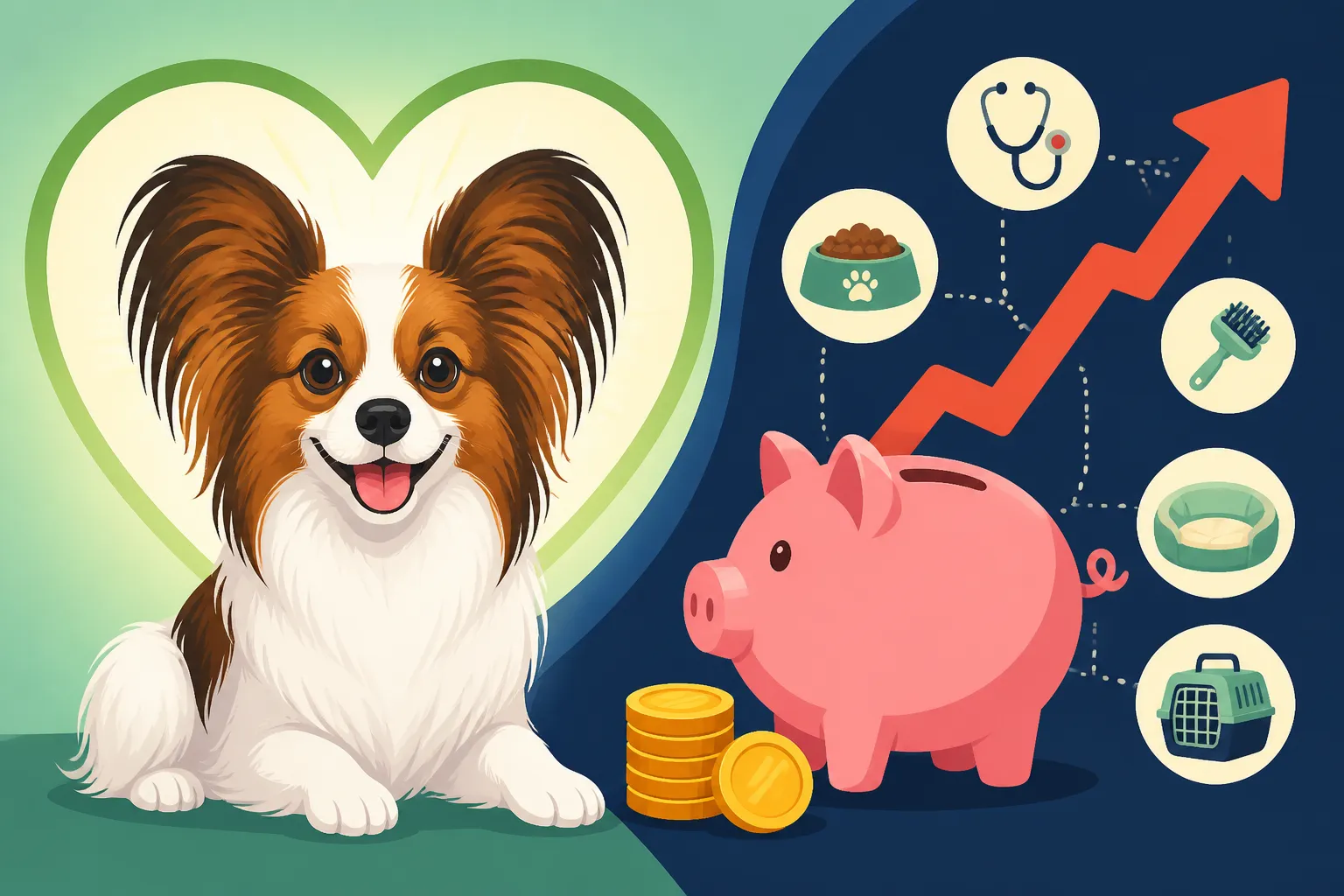
It's a common thought, isn't it? "Oh, a small dog will be so much cheaper than a big one!" And while it's true that a Papillon might eat less kibble in a month than a Great Dane does in a day, that simple equation misses a huge piece of the puzzle: a Papillon's remarkable longevity. These little butterfly-eared companions often grace our lives for 15, 16, or even 17 years, and sometimes even longer. This incredible lifespan, while a blessing in terms of companionship, inevitably means that the accumulation of everyday expenses, routine care, and age-related needs adds up significantly over the decades, making their lifetime cost much higher than many first-time owners anticipate. This guide will walk you through why a Papillon's long life fundamentally reshapes its total ownership cost.
The Cumulative Effect of Lifelong Care on Your Wallet
When you bring a Papillon home, you're not just signing up for a few years; you're often committing to a decade and a half, or more, of love, joy, and, yes, financial responsibility. Each routine expense, no matter how small it seems on a monthly basis, compounds dramatically over such a long timeline. It’s like saving for retirement – little bits add up to a big sum over time.
Routine Veterinary Care Adds Up Over Years
Imagine a dog that lives to be 16 years old. That's 16 annual wellness exams, 16 sets of yearly vaccinations (or titer checks, if you prefer), and 16 years of consistent flea, tick, and heartworm prevention. These aren't just one-time costs; they're recurring necessities that are absolutely vital for maintaining your Papillon's health and quality of life. Even without any major health scares, these preventative measures are a substantial, non-negotiable part of responsible pet ownership.
Think about the puppy years. You have the initial puppy vaccine series, deworming, and possibly spay or neuter surgery. Then, as they mature, it transitions into regular annual visits to your veterinarian for check-ups and boosters. It's easy to budget for one or two of these, but mentally multiplying them by fifteen or more years makes the true cost very clear. A proactive approach to health means these costs are consistent, but they often prevent much larger, emergency expenses down the line. You can learn more about the initial steps by looking into The Vaccination Schedule a Papillon Puppy Needs. And remember, even as they age, annual check-ups remain critical. How Often a Papillon Needs a Wellness Exam dives deeper into this.
Sustained Nutrition and Quality Food Choices
While Papillons are small dogs and their daily food intake is modest compared to a larger breed, feeding a high-quality diet for 15-plus years is still a significant investment. You might pick up a small bag of premium kibble or a batch of fresh food, thinking "this isn't bad." But then you do it again next month, and the month after that, for over 180 months. Over time, those modest monthly food bills become a substantial sum.
The temptation to opt for cheaper, lower-quality food might arise to cut costs, but this can be a false economy. A diet lacking in proper nutrients can lead to health issues, dull coats, and lower energy levels, potentially resulting in more vet visits and higher medical bills in the long run. Investing in good nutrition from the start supports their health and vitality throughout their remarkably long lives. Many owners find value in ordering food from online retailers like Chewy, which can help with convenience and sometimes offer subscription discounts, ensuring a consistent supply of their preferred brand. Understanding How Many Cups a Day an Adult Papillon Eats can help you accurately budget for this long-term expense.
Grooming and Maintenance for a Full Lifespan
Papillons are known for their beautiful, silky coats and magnificent ear fringes and tail plumes. While they don't have an undercoat and are often considered relatively low-shedding, their long single coat still requires regular maintenance. This isn't just about aesthetics; it's about comfort and hygiene. Brushing several times a week, regular nail trims, and occasional baths are all part of the routine.
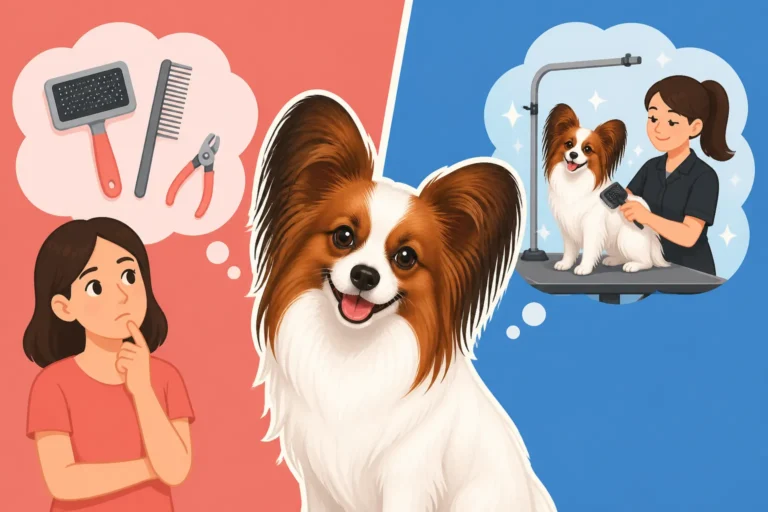
You might choose to do all the grooming yourself, which saves on professional fees but requires an investment in quality brushes, combs, shampoos, and nail clippers. Or, like many owners, you might opt for professional grooming every few months, especially for nail trims and sanitary clips, which can be tricky. These regular appointments, even if only a few times a year, add up over a decade and a half. The longer the life, the more grooming sessions are needed. While they don't require elaborate cuts, consistent care is essential. Regular brushing, as detailed in How Often a Papillon Needs Brushing, is key to preventing mats and keeping their coat healthy. And for those who prefer a little help, exploring Whether a Papillon Needs a Professional Groomer can shed some light on the benefits of outsourcing certain tasks.
Managing Potential Health Costs Across a Longer Timeline
The joy of a long-lived companion also means facing the increased probability of age-related health issues. Just like humans, older dogs tend to need more medical attention. While Papillons are generally a healthy breed, their extended lifespan means they have more years to develop various conditions.
Increased Risk of Age-Related Conditions
A Papillon living to 15 or 16 years will naturally have a higher chance of encountering age-related health concerns than a breed with a shorter life expectancy. Conditions like arthritis, dental disease, cataracts, and even certain types of heart disease (like mitral valve disease) become more prevalent in their senior years. While many Papillons remain spry and active well into their teens, their bodies are still aging. This often translates to more frequent vet visits, diagnostic tests, medications, and potentially specialized diets or supplements to manage these conditions.
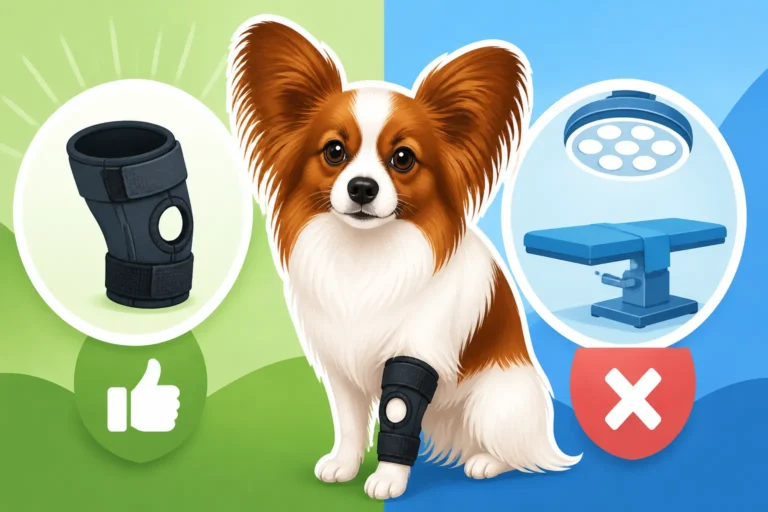
For example, dental disease is incredibly common in small breeds like Papillons due to their crowded mouths. Over a long lifespan, multiple professional dental cleanings under anesthesia might be necessary to prevent serious infections and tooth loss. This isn't a small expense, and it's one that typically recurs every few years as they age. Similarly, conditions such as Patellar Luxation Is the Papillon Problem You Will Actually Meet, while often present earlier, can certainly become more painful and require management or intervention as the dog ages and their joints experience more wear and tear. Looking ahead to Caring for a Papillon Past Eleven can give you a good idea of what to expect in their golden years.
The Role of Preventative Measures and Early Intervention
Preventative care takes on an even greater importance with a long-lived breed. Regular check-ups, even when your Papillon seems perfectly healthy, allow your vet to catch subtle changes or emerging issues early. Early diagnosis often leads to more effective, less invasive, and ultimately less expensive treatments. For instance, addressing tartar buildup through regular brushing and professional cleanings can prevent painful extractions and severe gum disease, which can be far more costly to treat.
The small jaw of a Papillon makes them particularly prone to dental issues, making consistent preventative care absolutely essential. The Teeth in a Papillon's Small Jaw really highlights this breed-specific challenge. It’s not just about brushing at home; professional dental work is a significant, recurring cost over their long lives. Indeed, Dental Work Over a Papillon's Long Life reveals how these costs accumulate, and How Often a Papillon Needs Dental Work guides owners on the frequency. Investing in these preventative measures throughout their younger and middle years can delay or lessen the severity of age-related problems, but they are still recurring costs that add up over a decade and a half.
Pet Insurance as a Long-Term Financial Tool
Given the increased likelihood of needing medical intervention over a 15-year-plus lifespan, pet insurance can be a wise financial strategy for many Papillon owners. While it represents another monthly or annual cost, it can provide significant peace of mind and prevent devastating financial shocks if a serious illness or accident occurs. Without insurance, an unexpected surgery or a chronic condition requiring lifelong medication can quickly run into thousands of dollars, far outweighing the initial purchase price of the puppy.
Choosing a policy that offers good coverage for chronic conditions and extends well into a dog's senior years is crucial. Companies like Healthy Paws offer various plans that can help manage these unforeseen expenses. It’s worth researching different providers and understanding what they cover and what exclusions might apply. While you hope you never need it, having a safety net for a dog that will be with you for so long is invaluable. Thinking about What Insurance Covers on a Papillon and asking When a Papillon Should Be Insured are excellent starting points for making an informed decision.
Lifestyle and Enrichment Costs That Span Decades
Beyond the essentials of food and vet care, the long lifespan of a Papillon also means a sustained commitment to their mental, physical, and emotional well-being. These lifestyle costs, while sometimes overlooked in initial budgeting, are crucial for a happy, well-adjusted dog and extend over many years.
Ongoing Training and Mental Stimulation
Papillons are incredibly intelligent and thrive on mental engagement. They love to learn new tricks, solve puzzles, and participate in activities like agility or rally obedience. This isn't just a puppy phase; a Papillon needs consistent mental stimulation throughout its entire life to prevent boredom and potential behavioral issues. The cost of training classes, puzzle toys, and even just high-quality training treats adds up over many years.
Even if you don't pursue competitive dog sports, simply keeping a Papillon's bright mind active requires effort and some financial outlay. Interactive toys need to be replaced, and if you use specific treats for training, those are a continuous expense. Many owners use fresh, high-quality dog food options, such as those offered by Ollie, as tempting and healthy training rewards. Their intelligence means they pick up concepts quickly, as highlighted in Teaching a Papillon Tricks Faster Than You Think of Them, but this also means you constantly need new challenges. Understanding What Mental Work a Papillon Needs can help you plan for these ongoing enrichment costs.
Adapting Your Home for a Senior Papillon
As your Papillon gracefully ages, you'll likely find yourself making adjustments to your home to ensure their comfort and safety. This can include purchasing ramps or steps to allow them easy access to furniture they once jumped onto effortlessly. Hardwood or tile floors might become too slippery for their aging joints, necessitating runners or rugs to provide better traction. Softer, orthopedic beds can become a necessity to support their joints, and you might invest in sweaters or coats to keep them warm if they start to feel the cold more acutely.
These aren't extravagant purchases individually, but when accumulated over several years of adapting to a senior dog's changing needs, they contribute to the overall lifetime cost. It's about ensuring their golden years are as comfortable and dignified as possible. Proactive measures, like setting up your home to protect their joints from a young age, as discussed in Setting Up a House That Protects a Papillon's Knees, can sometimes delay the need for certain adaptations, but the reality is that an older dog will eventually require more thoughtful home modifications. Considering Whether an Aging Papillon Needs Steps Everywhere is a good example of these eventual needs.
Travel and Boarding Over Many Years
For many of us, our dogs are part of the family, and we want them to join us on adventures. But for a Papillon who might live to be nearly two decades old, think of how many vacations, holidays, or work trips you'll take during their lifetime. Each time you travel, you'll either need to pay for a pet-sitter to come to your home, board your Papillon at a reputable kennel, or factor in pet-friendly accommodation and travel fees if they come along.
These costs, whether for a week-long vacation or just a weekend getaway, accrue steadily over the years. Boarding fees, in particular, can be substantial, especially for extended periods. If you frequently travel for work, these expenses can become a significant part of your annual pet budget. While the per-trip cost might seem manageable, multiply that by the number of trips you take over 15 to 17 years, and it paints a clearer picture of the long-term financial commitment.
Here's a simplified look at how annual costs can become substantial over a Papillon's extended lifespan:
| Category | Annual Cost (Estimate) | Cost Over 5 Years | Cost Over 15 Years |
|---|---|---|---|
| Routine Vet Care | Regular exams, vaccines, parasite prevention. | Multiplies by 5 | Multiplies by 15 |
| Quality Food | Premium kibble, fresh food, or specialized diet. | Multiplies by 5 | Multiplies by 15 |
| Grooming & Supplies | Brushes, shampoo, nail trims, occasional professional grooming. | Multiplies by 5 | Multiplies by 15 |
| Pet Insurance | Monthly premiums for health coverage. | Multiplies by 5 | Multiplies by 15 |
| Training & Enrichment | Toys, treats, puzzle feeders, occasional classes. | Multiplies by 5 | Multiplies by 15 |
| Senior Care | (Additional) Joint supplements, special diets, more vet visits, ramps/beds. | Starts later, but accumulates rapidly. | Significant increase in later years. |
| Boarding/Pet Sitting | If you travel, these fees accumulate over every trip. | Multiplies by 5 | Multiplies by 15 |
While the initial cost of acquiring a Papillon puppy might be comparable to many other purebreds, and their daily feeding expenses are indeed lower than a giant breed, their truly exceptional lifespan means that the cumulative total of care, prevention, and occasional intervention far exceeds what many people imagine. A Papillon isn't a short-term commitment; it's a long-term member of your family, and budgeting for their entire, wonderfully long life is key to ensuring they receive the best care every step of the way. It's an investment in a relationship that will bring immense joy and companionship for many, many years.
Disclaimer
This article is for general informational purposes only and does not constitute professional advice. Laws, prices and regulations vary by location and change over time. Consult a qualified professional for guidance on your specific situation.