How Often a Papillon Needs Brushing
One of the biggest surprises for new Papillon owners, or even those just admiring these beautiful butterfly dogs, is often how surprisingly manageable their gorgeous, flowing coats can be. You might look at all that silky fringe and imagine hours of daily grooming, picturing a battle with tangles and mats that takes over your life. But the truth is, while a Papillon's coat does need regular attention, it's far less demanding than its appearance suggests, if you approach it with the right knowledge and routine. This guide will help you understand precisely how often your Papillon needs brushing, what tools you'll need, and the techniques to keep their coat stunning and healthy, saving you time and frustration in the long run.
Understanding the Papillon's Unique Coat Type
Before we dive into how often to brush, it's incredibly helpful to understand why a Papillon's coat behaves the way it does. It's not just "long hair"; it has specific characteristics that dictate its care. Many people are surprised to learn that despite its glamorous appearance, it's actually quite practical.
The Single-Layered, Silky Truth
Unlike many long-haired breeds you might be familiar with, such as Pomeranians or Collies, the Papillon possesses a single-layered coat. This is a game-changer when it comes to grooming. There's no dense, fluffy undercoat lurking beneath the longer, silky guard hairs. This means a few crucial things for you as an owner.
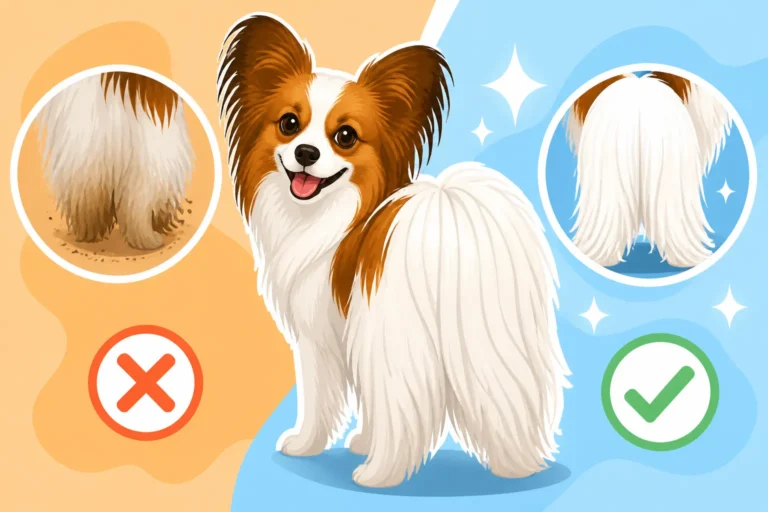
Firstly, a single coat is generally less prone to heavy matting than a double coat. Those thick, felt-like mats often form when the soft undercoat sheds and gets trapped by the coarser outer coat. With a Papillon, while tangles can certainly happen – especially in active dogs – they don't tend to "felt" into solid blocks as quickly or easily. This is a huge relief for many owners who dread the thought of constant de-matting sessions. Instead, the Papillon's coat is often described as "silky" or "fine," laying flat on the body with an elegant flow, which you can read more about in A Papillon's Coat Is All Fringe and No Undercoat.
Secondly, the shedding situation is also different. While no dog is truly non-shedding, Papillons tend to shed significantly less than many other breeds. The individual hairs are quite fine, and without an undercoat "blowing out" seasonally, you won't typically find massive clumps of fur accumulating. Regular brushing helps to capture these loose hairs before they have a chance to settle on your furniture or clothes, keeping your home tidier and your dog's coat healthier. This manageable shedding is a pleasant surprise for many, debunking the myth that all long-haired dogs are massive shedders.
The Fringes, Plume, and Feathering
While the body coat is relatively easy-care, the Papillon's signature look comes from its abundant "feathering" – the longer hair that adorns specific parts of their body. These are the areas that give the Papillon its delicate, elegant appearance and, naturally, require a bit more attention during your grooming routine.
The most prominent feature, of course, are those magnificent ears, which resemble the wings of a butterfly – giving the breed its name. The long, flowing hair on the ears, often called the "ear fringe," is truly spectacular but can easily tangle if neglected. Similarly, the chest has a beautiful "frill" or "ruff," and the hind legs sport "culottes" or "pantaloons" of longer hair. And let's not forget that magnificent tail, carried high over the back like a squirrel's plume, which is another area where tangles can hide.
These feathered areas are where the coat is longest and most exposed to friction and dirt. When your Papillon runs through the yard, rolls on the carpet, or even just scratches an ear, these delicate strands can knot. If left unattended, small tangles can quickly become larger, more stubborn mats that are painful to remove and can even lead to skin irritation underneath. Therefore, while the main body might need a quicker once-over, these specific areas demand a more thorough and gentle approach during each brushing session. Paying close attention here is key to maintaining their iconic look and preventing discomfort.
Establishing a Regular Brushing Schedule for Your Papillon
Now that we understand the Papillon's coat, let's talk about how often you actually need to brush it. Forget the daily marathon you might have envisioned; for most Papillons, a consistent, mindful routine is much more effective than sporadic, intense sessions.
The Minimum: Weekly Brushing for Maintenance
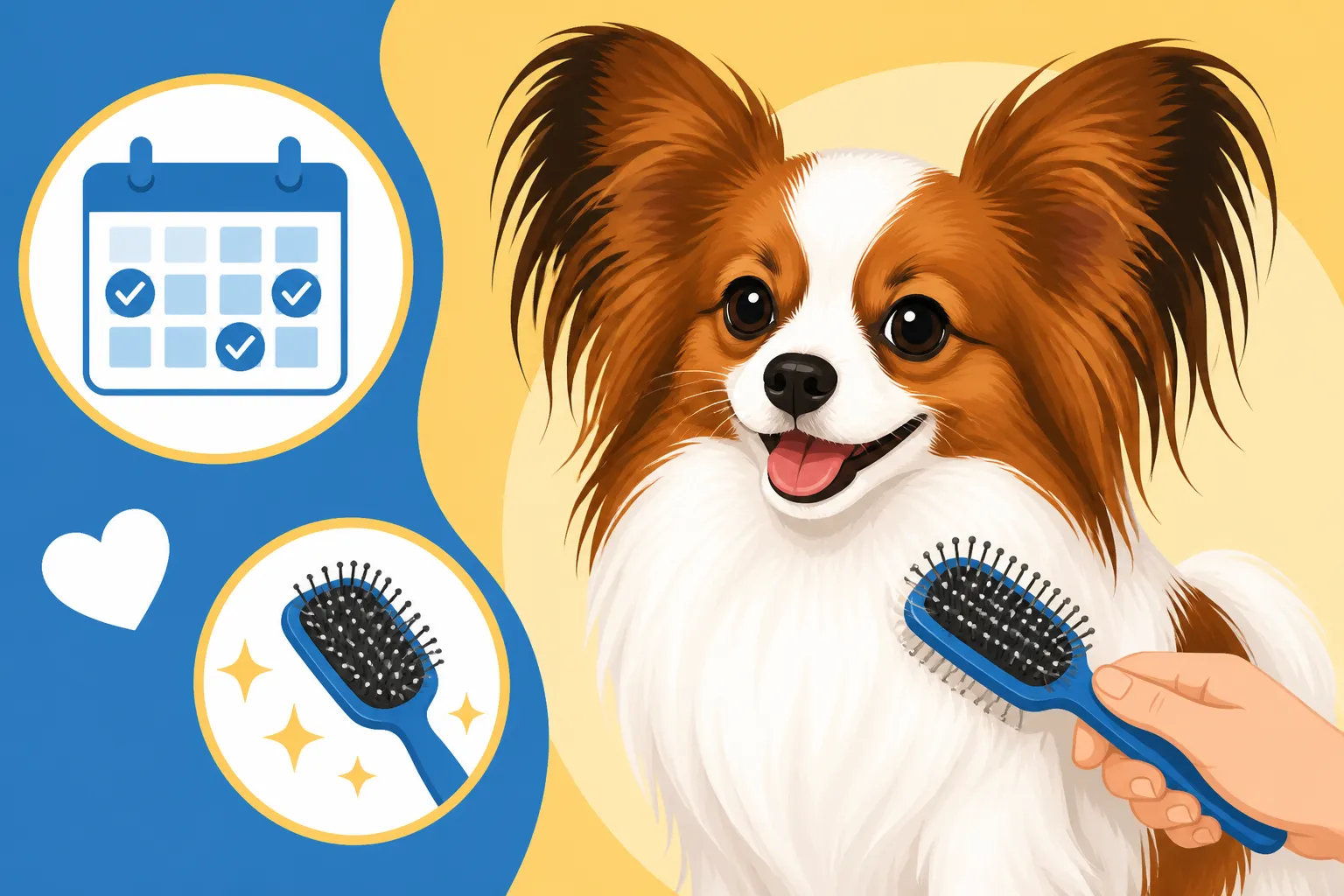
For the average Papillon living a fairly normal indoor life, a thorough brushing session once a week is usually the bare minimum to keep their coat in excellent condition. This isn't a quick once-over; this is a dedicated session where you systematically go through their entire coat, paying special attention to the areas most prone to tangles. You can typically get this done in about twenty minutes, as detailed in Why a Papillon's Long Coat Takes Twenty Minutes a Week.
This weekly routine serves several important purposes beyond just preventing mats. Firstly, it helps to distribute the natural oils produced by your Papillon's skin throughout their coat. These oils are essential for keeping the hair healthy, shiny, and supple. Without regular brushing, these oils can build up at the skin level, potentially leading to greasy patches or dull, dry ends. Secondly, it effectively removes any loose hair, dust, and debris that your Papillon has picked up during their daily activities. This is particularly important for dogs that love to explore outdoors, bringing little bits of nature back inside with them.
Perhaps just as important as the physical benefits, weekly brushing provides a wonderful opportunity for bonding with your Papillon. It's a calm, quiet time you spend together, reinforcing your connection. For many Papillons, who thrive on human interaction, this dedicated attention can be a highlight of their week. It also helps them become accustomed to being handled, which is invaluable for vet visits, nail trims, and other necessary grooming tasks, as highlighted in Teaching a Papillon Puppy to Be Handled All Over. Consistency makes it a positive, expected part of their routine, rather than a surprise chore.
When More Frequent Brushing Is Necessary
While weekly brushing is a great baseline, there are definitely times when you'll want to increase the frequency of your grooming sessions. Every Papillon is an individual, and their coat care needs can change based on various factors.
Consider the "puppy coat" phase. Young Papillons often have a softer, fluffier coat that can be more prone to tangling as they grow and their adult coat starts to come in, usually around 8-12 months. During this transition period, daily or every-other-day brushing might be necessary to keep ahead of any knots. Active dogs are another prime example. If your Papillon is an avid agility competitor, loves to hike, or spends a lot of time playing outdoors, they're more likely to pick up burrs, twigs, and dirt, and their coat will experience more friction, leading to tangles. For these adventurous pups, a quick daily brush-down, focusing on the legs, ears, and tail, can make a huge difference in preventing serious mats.
Seasonal changes can also impact brushing needs. While Papillons don't "blow coat" like double-coated breeds, they do shed a bit more during certain times of the year, particularly spring and fall. Increasing brushing during these periods helps to remove the shedding hair more efficiently. Finally, if your Papillon has just had a bath, it's crucial to brush them thoroughly before they dry completely (or as they dry, with a blow dryer on a cool setting). Wet hair is more prone to matting as it dries, and brushing it out when it's damp or dry ensures all tangles are removed and the coat dries smooth and flowing. Adjusting your routine to these scenarios ensures your Papillon's coat remains pristine and comfortable, regardless of their lifestyle or the time of year.
| Papillon Activity Level / Coat Condition | Recommended Brushing Frequency | Focus Areas |
|---|---|---|
| Average Indoor Dog (Well-Maintained) | 1-2 times per week | Ears, chest, culottes, tail, general body coat |
| Active/Outdoor Dog | Daily or every other day | Legs, paws, ears, tail, areas prone to picking up debris |
| Puppy (Coat Transition) | Daily or every other day | Entire coat, especially behind ears and under legs |
| During Seasonal Shed | 2-3 times per week | Entire coat, to remove loose hair efficiently |
| After Bathing | Before and during drying | Entire coat, to prevent tangles from setting |
| Mat-Prone Areas Identified | Daily targeted brushing | Specific spots where tangles frequently form |
The Right Tools and Techniques for Papillon Brushing
Having the right tools is half the battle when it comes to Papillon grooming. Using the wrong brush can be ineffective, uncomfortable for your dog, or even damage their delicate coat. Once you have your arsenal, knowing how to wield them makes all the difference.
Essential Brushing Tools
You don't need a huge collection of brushes, but a few key items will make your grooming sessions much more efficient and enjoyable for both you and your Papillon. You can find all of these essential tools readily available at online retailers like Chewy or Amazon, making it easy to stock up.
First, a good pin brush is your primary workhorse. Look for one with smooth, rounded pins that won't scratch your dog's skin. The pins should be long enough to reach through their coat to the skin without being overly stiff. This brush is perfect for detangling and smoothing the longer feathering on the ears, chest, and tail. It's gentle and effective for general coat maintenance. It helps separate the fine strands without pulling too hard, and many Papillons enjoy the sensation.
Next, a slicker brush can be useful, but use it with caution. Choose one with very fine, flexible pins. While excellent for removing loose hair and fluffing up the coat, especially on the body, the wire pins can be harsh if used too vigorously or if they scrape the skin. It's best used with a light hand, skimming over the coat rather than digging deep. Some owners find it indispensable for getting the last bits of shedding hair, while others prefer to stick mostly to the pin brush and comb.
Finally, and arguably most important, is a good quality metal comb. You'll want one with both wide and fine teeth. This is your detector for hidden tangles and mats that the brushes might miss. The wide-toothed side is great for initial detangling, especially in the feathery areas, while the fine-toothed side is perfect for ensuring there are absolutely no knots left and for fluffing up delicate areas. Always start with the wide teeth and move to the finer ones. Running a metal comb through the coat from root to tip without snagging is the ultimate test of a tangle-free Papillon. These tools, selected with care, are exactly Which Brush a Papillon Needs.
Mastering the Brushing Technique
Even with the best tools, technique matters. A haphazard brush won't effectively prevent mats, and it might even cause discomfort. The goal is to be thorough yet gentle, turning grooming into a pleasant experience for your Papillon.
The most effective technique for a long-coated breed like the Papillon is often called "line brushing" or "sectioning." Instead of just brushing over the top of the coat, you want to get down to the skin. To do this, part the coat in a small section, usually starting at the bottom of the leg or flank, and brush down and out. Once that section is tangle-free, drop another small section of hair over it and repeat the process, working your way up the body. This systematic approach ensures you don't miss any hidden mats, especially in denser areas like the culottes or behind the ears, which are common places Where a Papillon Mats.
When you encounter a tangle, never pull or yank the brush through it. This is painful for your dog and can break the delicate hair. Instead, gently work the tangle out with your fingers first, trying to separate the hairs. You can apply a small amount of detangling spray (available at most pet stores or through Chewy) to stubborn knots to help lubricate the hair. Once you've loosened it a bit, use the wide-toothed metal comb to carefully pick at the edges of the mat, working outwards. Always hold the hair at the base of the tangle, close to the skin, to prevent pulling on their skin.
Remember to make brushing a positive experience. Keep sessions short, especially when you're first introducing it to a puppy or a rescue dog. Offer praise, gentle strokes, and even a few small, high-value treats (like those from Ollie, which are often irresistible to even picky eaters). If your Papillon seems anxious or uncomfortable, take a break. The goal is for them to associate grooming with positive attention and rewards, not stress. Consistency and patience will make future grooming sessions much easier, creating a routine that keeps their coat beautiful and strengthens your bond.
Common Brushing Challenges and How to Overcome Them
Even with the right tools and techniques, you might run into some bumps in the road. It's totally normal for Papillon owners to face challenges, whether it's battling a stubborn mat or dealing with a dog who simply isn't keen on being brushed.
Dealing with Mats and Tangles
The reality is, even with the best intentions and regular brushing, a mat can sometimes appear out of nowhere. One day your Papillon's coat is flowing beautifully, and the next you find a knot behind an ear or in their culottes. It's frustrating, but it happens. Prevention is absolutely the best strategy here: consistent, thorough brushing makes mats much less likely to form in the first place.
However, when a mat does strike, the key is to address it immediately. Small tangles are much easier to handle than large, dense mats. If you find a mat, resist the urge to cut it out blindly with scissors, as it's incredibly easy to accidentally cut your dog's skin, especially with a breed as delicate as a Papillon. Instead, try these steps:
- Assess the Mat: Determine its size and how close it is to the skin. If it's very tight, large, or numerous, a professional groomer or your vet might be the safest option.
- Apply a Detangler: Spray a dog-specific detangling product directly onto the mat. Some people swear by a sprinkle of cornstarch or baby powder worked into the mat, as it provides grip and can help separate the hairs.
- Finger Pick: Gently try to pull the mat apart with your fingers, working from the outer edges inwards. Break up as much of the mat as you can without pulling the hair.
- Comb Through: Use the wide-toothed end of your metal comb. Start at the very edge of the mat, holding the hair closer to the skin to minimize pulling. Gently pick at the hairs, slowly working your way through. Never force the comb.
- Small Sections: Work on very small sections of the mat at a time. Patience is your best friend here.
If a mat is too tight or your Papillon is in discomfort, it's always better to take them to a professional groomer. They have specialized tools and techniques to remove mats safely without causing pain or injury. Ignoring mats is not an option, as they can pull on the skin, cause irritation, and even lead to skin infections. This is one of those areas where a little investment in professional help can save a lot of heartache (and veterinary bills) down the line.
My Papillon Hates Brushing!
It can be disheartening when your sweet Papillon transforms into a wriggly, protesting bundle of fur the moment you bring out the brush. If your Papillon seems to dislike brushing, it's crucial to figure out why and then reintroduce it in a positive way.
Often, the aversion starts because brushing has been uncomfortable or even painful in the past. Perhaps a previous mat was pulled, or a brush scraped their skin. Puppies who weren't introduced to grooming early on might also be wary. The solution involves a lot of patience, positive reinforcement, and short, gentle sessions.
- Start Small: Don't try to do a full body brush-down right away. Start by touching the brush to a small, non-sensitive area (like their shoulder) for just a second, then immediately give a treat and praise. Repeat this many times over several sessions, gradually increasing the duration of brushing and the area you cover.
- Positive Association: Every time the brush comes out, good things should happen. This means treats, cheerful praise, and a calm demeanor from you. If your Papillon looks away or tenses up, stop, wait for them to relax, and try again more gently. You might even associate the brush with something delicious, like a treat puzzle toy from Amazon that they only get when the brush is out.
- Check Your Tools: Ensure your brushes aren't harsh or scratchy. A good quality pin brush with rounded tips and a smooth metal comb are less likely to cause discomfort. Always test the brush on your own skin first.
- Identify Sensitive Spots: Pay attention to where your Papillon reacts negatively. Is it their ears? Their belly? Their tail? These areas might be more sensitive, or they might have a hidden tangle that you need to address very gently.
- Consistency is Key: Daily, very short, positive sessions can be more effective than longer, less frequent ones. The goal is to build trust and routine. Make it predictable and stress-free.
If your Papillon has a deep-seated fear or becomes aggressive during grooming, it might be beneficial to consult with a professional dog trainer or a veterinary behaviorist. They can offer personalized strategies to help your Papillon overcome their fear and make grooming a more positive experience. Remember, a well-groomed Papillon is a happy, comfortable Papillon, and the effort you put into gentle, consistent training will pay off immensely. This is also linked to the broader concept of Teaching a Papillon Puppy to Be Handled All Over, which extends beyond just brushing to all aspects of their physical care.
The Link Between Brushing and Overall Papillon Health
Brushing isn't just about aesthetics; it's a vital part of your Papillon's overall health and well-being. It provides benefits that go far beyond a tangle-free coat, impacting their skin, cleanliness, and even allowing you to catch potential health issues early.
Skin Health and Coat Luster
A regular brushing routine does wonders for your Papillon's skin. The gentle massage of the brush stimulates blood circulation to the skin, which is crucial for healthy hair growth. It also helps to distribute those natural skin oils we talked about earlier, ensuring that the entire coat, from root to tip, is moisturized and protected. This not only gives their coat that desirable silky luster but also prevents dryness and flakiness that can lead to itching and irritation.
Think of it like this: a matted or neglected coat can trap dirt, moisture, and even parasites close to the skin. This creates a breeding ground for bacteria and yeast, which can quickly lead to skin infections. A clean, regularly brushed coat allows the skin to breathe, promoting air circulation and preventing the buildup of irritants. It's a proactive measure that keeps their skin healthy and happy. Moreover, a healthy, well-brushed coat is more resistant to environmental damage and tangles, truly reflecting the care you put into it. The overall health of your Papillon is often mirrored in the condition of their coat, making brushing an integral part of their general well-being.
Spotting Health Issues During Brushing
One of the most valuable benefits of consistent brushing is the opportunity it provides for a hands-on health check of your Papillon. Because you're systematically going over every inch of their body, you're much more likely to notice subtle changes or abnormalities that might otherwise go undetected. This early detection can be critical for prompt veterinary intervention.
As you brush, pay attention not just to the hair, but to what's underneath. Feel for any new lumps or bumps on their skin – these could be anything from benign fatty tumors to more serious growths. Check for any skin lesions, redness, rashes, or areas of inflammation that might indicate allergies, infections, or other dermatological issues. Even a change in the texture or thickness of their skin could be a clue.
Furthermore, brushing is the perfect time to check for external parasites. You can visually inspect for fleas, flea dirt (small black specks that look like pepper), or ticks, especially if your Papillon spends time outdoors. If you notice excessive scratching, licking, or chewing during brushing, it's a strong indicator that something is irritating their skin. It also allows you to check for dry patches or excessive dandruff, which can point to dietary deficiencies or underlying skin conditions.
Finally, while you're brushing, you can also quickly check other areas of their body. Look in their ears for excessive wax or redness, and sniff for any unusual odors, which could signal an ear infection. Quickly check their paw pads for cuts or foreign objects, and gently examine their teeth and gums for any signs of dental disease. In fact, knowing How Often a Papillon Needs a Dental Cleaning is another important part of their overall health regimen. Regular physical checks during grooming empower you to be your Papillon's first line of defense against potential health problems, giving you peace of mind and contributing to their long, healthy life.
Disclaimer
This article is for general informational purposes only and does not constitute professional advice. Laws, prices and regulations vary by location and change over time. Consult a qualified professional for guidance on your specific situation.