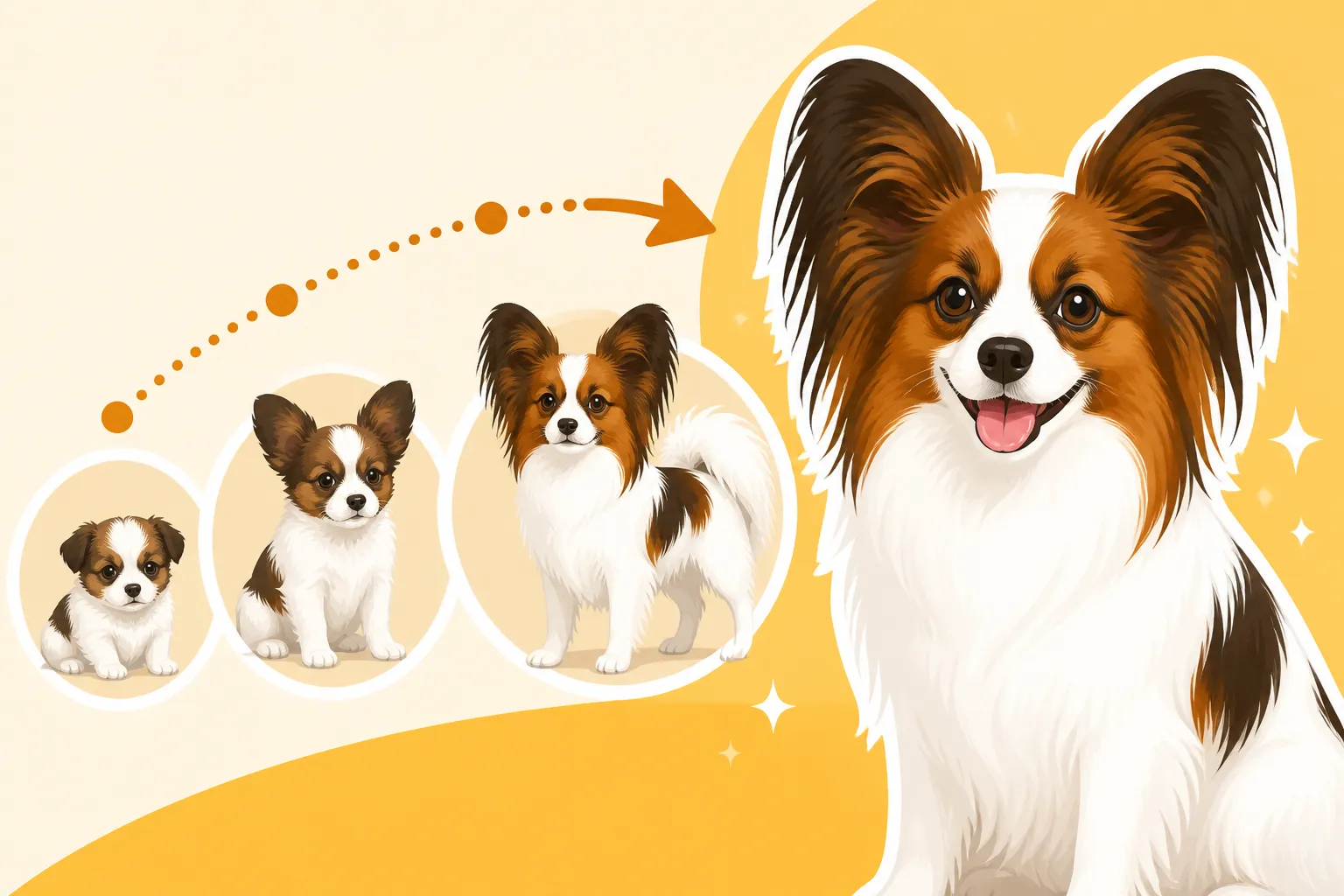
The Age a Papillon’s Adult Coat Arrives
One common concern for new Papillon owners, especially when they gaze at their adorable, fluffy puppy, is wondering what exactly will happen to that soft, downy coat. It’s natural to worry if your little butterfly dog will maintain that intense puppy fluff or if it will transform into something else entirely. Rest assured, your Papillon's coat will indeed change, and understanding the timeline and what to expect can help you prepare for the beautiful adult coat that's waiting to emerge.
Understanding the Papillon Puppy Coat Journey
When you first bring home a Papillon puppy, they are typically a bundle of soft, wispy fur. This "puppy coat" is truly unique, feeling almost like fine cotton or silk, and it's quite a bit different from the magnificent, flowing coat they will boast as adults. It’s a temporary phase, but one that new owners often adore and sometimes wish would last forever. The truth is, that puppy coat serves its purpose, but it's not built for the long haul in terms of texture and length.
The Initial Fluff: Puppy Coat Characteristics
Think about those little eight-week-old fluffballs you see; their coats are soft, somewhat short, and don't yet have the distinctive "fringing" on the ears, chest, or tail that gives the Papillon its regal, butterfly-like appearance. This puppy coat often has a more uniform length across the body, and it doesn't typically shed much at this very young age. It's designed for warmth and protection in their early months, and it’s generally quite easy to maintain, requiring minimal brushing beyond getting them used to the sensation.
Many first-time Papillon owners are captivated by this soft, innocent fluff. They might even wonder if their puppy's coat will ever truly get those dramatic ear fringes or the impressive tail plume that are hallmarks of the breed. It's a common point of curiosity, and sometimes a bit of anxiety, as you compare your tiny puppy to pictures of fully-grown, magnificent Papillons. Don't worry, the transformation is a natural and beautiful part of their development.
When the Transformation Begins: The First Major Coat Change
The shift from a puppy coat to an adult coat doesn't happen overnight; it's a gradual process, but you'll usually start noticing significant changes when your Papillon is somewhere between four to six months old. This is often when the first real "shed" begins, which can sometimes surprise owners who thought Papillons didn't shed much. This isn't usually a heavy, all-at-once kind of shed like some double-coated breeds experience; instead, you'll see a steady loss of the softer puppy hairs as the coarser, stronger adult hairs begin to push through.
During this period, you might start finding small tufts of hair around the house, or more coming off in your brush. This is perfectly normal and a sign that their mature coat is developing. It's a bit like a human child losing their baby teeth; it’s a necessary step for their adult features to emerge. The texture might start to feel less uniformly soft, with some areas becoming a bit more silky or even slightly coarser as the new hair emerges. This initial phase of change can last for several months, often extending well into their first year.
The Gradual Unveiling of the Adult Coat
The journey from a fluffy puppy to a fully feathered adult Papillon is truly a sight to behold. It's not a sudden event, but rather a slow, graceful transformation that unfolds over many months. This period can sometimes feel a bit disheveled, like a teenager going through an awkward growth spurt, but it’s all part of the process of developing that gorgeous, flowing coat.
What to Expect During the Transition Period
As your Papillon moves past its six-month mark and into its first year, you'll witness the adult coat truly starting to establish itself. The soft, finer puppy hair will continue to shed out, making way for the longer, silkier, single-coated adult hair. You might notice the "fringes" on their ears, legs, and chest becoming more prominent. The tail plume, which might have been a sparse little brush on a young puppy, will begin to fill out and flow beautifully over their back. This is also when the "culottes" – those lovely britches on their hind legs – really start to develop. You can read more about The Plume, the Culottes and a Papillon's Chest Frill to understand these features better.
This transition phase can sometimes look a bit patchy, where some areas of the coat seem longer or thicker than others. It's not uncommon for a young Papillon to go through a period where their coat isn't quite as full or tidy as a mature adult's. Some owners call this the "ugly duckling" phase, though a Papillon is never truly ugly! It just means their coat is actively growing and changing. Patience is key here; consistent, gentle grooming will help manage any tangles and keep the emerging coat healthy. Regular brushing, even during this growing phase, is essential to prevent mats, especially behind the ears and in the "armpit" areas where friction occurs.
Factors Influencing Coat Development
Several factors play a significant role in how and when your Papillon's adult coat arrives and how lush it eventually becomes. It’s not just a matter of waiting for time to pass; genetics, nutrition, and general health all contribute to the final look and feel.
Genetics and Lineage
Just like eye color or temperament, the quality and growth rate of a Papillon's coat are heavily influenced by genetics. If your puppy comes from a line of Papillons with thick, well-feathered coats, chances are your dog will inherit similar traits. Responsible breeders often know the coat patterns of their lines and can give you an idea of what to expect. Some lines simply grow faster and fuller coats than others. You might notice that some Papillons have incredibly long ear fringes and a dramatic tail from a relatively young age, while others take a bit longer to fully mature. This is where researching a reputable breeder becomes so important, as they consider these genetic factors.
Nutrition for a Healthy Coat
Diet is absolutely crucial for coat health. A Papillon needs a high-quality diet that is rich in essential fatty acids, vitamins, and minerals to support healthy hair growth. If your Papillon is on a diet lacking in these key nutrients, their coat development might be slower, or the adult coat might not achieve its full potential in terms of shine and strength. Brands like Chewy, for example, offer a wide variety of premium dog foods and supplements that are formulated to support skin and coat health. Ensure you're feeding appropriate amounts for their age and activity level; for more on this, check out Feeding a Papillon That Weighs Seven Pounds.
General Health and Well-being
Any underlying health issues, stress, or parasitic infestations can also impact coat growth and quality. A healthy dog generally has a healthy coat. If your Papillon is experiencing frequent illnesses, allergies, or even severe stress, you might notice that their coat development stalls or looks dull. Regular veterinary check-ups are important to ensure your puppy is thriving and all systems are go for growing that beautiful adult coat. A healthy internal system translates to a vibrant external appearance.
Spaying/Neutering and Coat Changes
It's worth noting that spaying or neutering can sometimes have an effect on a Papillon's coat, though it varies greatly from dog to dog. Hormonal changes post-surgery can occasionally lead to a slight thickening of the coat texture, making it softer or more "cottony" in some cases. This isn't always a negative change, but it can be different from the natural, silky texture of an intact Papillon's coat. This is a common phenomenon across many breeds, and something to be aware of. The full extent of this change, if any, typically becomes noticeable in the months following the procedure. You might want to explore Whether a Spayed Papillon's Coat Changes for more detailed insights.
Caring for Your Papillon's Developing Coat
During the transition from puppy fluff to adult glory, your Papillon's coat needs specific care to ensure it grows in healthy and beautiful. It's not just about waiting; it's about actively supporting the process with the right grooming tools and nutritional choices.
Grooming Practices for Transitional Coats
The "awkward" phase of coat development is when regular grooming becomes particularly important. The emerging adult coat hairs can easily tangle with the shedding puppy hair, leading to mats if not addressed.
- Brushing Frequency: While a young puppy might only need a quick brush once or twice a week, a Papillon in the midst of its coat change will benefit from daily or every-other-day brushing. This helps remove loose puppy hair, prevents matting, and distributes natural oils. For guidance, refer to How Often a Papillon Needs Brushing.
- The Right Tools: You'll want a good quality pin brush and a metal comb. The pin brush is great for general detangling and getting through the longer fringes, while the comb is essential for working through tighter areas and checking for mats, especially behind the ears, under the "armpits," and on the culottes. A detangling spray can be a lifesaver for stubborn knots. Many fantastic grooming tools are available from retailers like Amazon.
- Gentle Technique: Always brush gently, working in layers rather than just skimming the top of the coat. Pay special attention to areas prone to matting, such as the feathering on the ears, chest, and the tail plume. Remember, your Papillon is still getting used to grooming, so make it a positive experience with treats and praise. You can learn more about Which Brush a Papillon Needs to make the best choice.
- Bathing: While daily brushing is recommended, bathing doesn't need to be as frequent. Once every 2-4 weeks, or as needed if they get dirty, is generally sufficient. Use a gentle, dog-specific shampoo and conditioner. Rinse thoroughly to prevent residue that can dull the coat or irritate the skin. Always brush out any tangles before bathing.
Nutritional Support for a Healthy Adult Coat
What goes into your Papillon's body significantly impacts the quality of their coat. A healthy coat starts from within.
- High-Quality Protein: Hair is made of protein, so ensuring your Papillon receives adequate high-quality protein in their diet is fundamental. Look for dog foods where a named meat source is the first ingredient.
- Essential Fatty Acids: Omega-3 and Omega-6 fatty acids are crucial for skin and coat health, contributing to shine, softness, and reduced shedding. Many premium dog foods include these, but you might also consider supplements like fish oil, available through pet supply stores or online marketplaces like Chewy. These healthy fats are important for more than just hair; they support overall health.
- Vitamins and Minerals: A balanced diet with the right blend of vitamins and minerals, especially biotin and zinc, can help promote strong, healthy hair follicles. If you're feeding a complete and balanced commercial dog food, your Papillon should be getting most of what they need. If you're considering a more customized approach, a brand like Ollie offers fresh dog food subscriptions that are nutritionally balanced, which can contribute greatly to a healthy coat.
- Hydration: Don't underestimate the power of fresh water. Proper hydration is essential for skin and coat health, helping to keep hair supple and resilient. Always ensure your Papillon has access to clean, fresh water.
Long-Term Papillon Coat Care and Maintenance
Once your Papillon's adult coat has fully arrived, the journey doesn't end there! Maintaining that stunning mane requires ongoing dedication, but the results are absolutely worth it. The characteristic A Papillon's Coat Is All Fringe and No Undercoat means it's less prone to matting than some other long-haired breeds, but it still needs attention.
When the Adult Coat is Fully Established
For most Papillons, their adult coat will be largely established by the time they are 12 to 18 months old. However, some Papillons, especially those with particularly luxurious coats, may continue to "fill out" and develop more length and density until they are two or even three years old. It’s a bit like fine wine; it gets better with age! You'll know the adult coat is well on its way when the puppy fluff is entirely gone, and the silky, flowing texture is consistent across their body, with distinct fringes on their ears, chest, and legs, and a full, glorious tail plume. This is often around the same time they reach their full physical maturity and size. To know more about their growth stages, you might find The Age a Papillon Stops Growing helpful.
It’s important to remember that even a fully established adult coat is not static. It will continue to grow, requiring regular maintenance. The length of a Papillon’s coat can be quite impressive, as discussed in How Long a Papillon's Coat Grows. While it often looks like a lot of work, dedicated Papillon owners know that a good grooming routine keeps it manageable.
Maintaining the Papillon's Signature Silky Fringe
The beauty of a Papillon lies significantly in its elegant fringes. These aren't just for show; they need proper care to stay healthy and mat-free.
- Daily or Every Other Day Brushing: To keep those long, silky hairs from tangling, especially on the ears, chest, and culottes, regular brushing is non-negotiable. Focus on these areas, gently working through the hair to prevent knots. The ear fringes, in particular, are iconic and require gentle handling; see The Ear Fringe That Gives the Papillon Its Name for more insight.
- Targeted Mat Prevention: Areas like behind the ears, the chest, the "armpits," and the culottes (the feathering on their hindquarters) are notorious for matting because of friction and movement. Use a fine-toothed comb after brushing these specific spots to ensure no small tangles are forming close to the skin. If you find a mat, don't pull! Use a detangling spray and gently tease it apart with your fingers or the end of a comb. Sometimes, a mat splitters or a small pair of blunt-nosed scissors might be needed, but always exercise extreme caution. You can learn more about Where a Papillon Mats.
- Regular Baths: A clean coat is less likely to tangle. Regular bathing with a good quality shampoo and conditioner, followed by thorough drying and brushing, will keep the coat in top condition. Ensure the coat is completely dry after bathing, as damp hair can mat more easily.
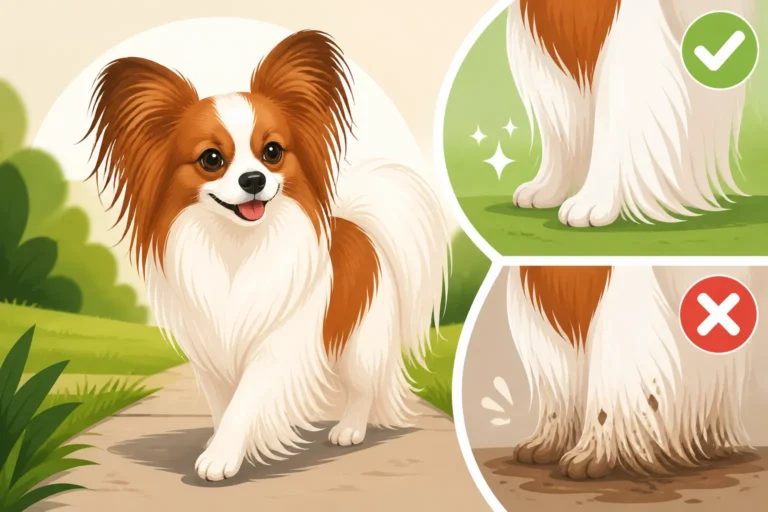
- Protection from Elements: Long coats can pick up burrs, twigs, and mud when outdoors. After walks, always check their fringes and feet. In winter, snow can cling to the leg and belly feathering, forming ice balls. A light coat or sweater can help protect their fringes from getting overly dirty or damaged in adverse weather.
- Nail Trims: While not directly coat care, keeping your Papillon's nails trimmed short is essential for their overall comfort and gait, which indirectly impacts how they move and carry their body, thus affecting coat friction and potential matting in certain areas.
Maintaining a Papillon’s coat is a labor of love, but it doesn't have to be overwhelming. Many owners find it a relaxing bonding experience. It truly doesn't take as long as it looks, especially if you establish a consistent routine from puppyhood. In fact, many people are surprised to learn Why a Papillon's Long Coat Takes Twenty Minutes a Week.
| Age Range | Coat Characteristics | Grooming Needs | Key Changes to Observe |
|---|---|---|---|
| 8 weeks – 4 months | Soft, downy, uniformly short puppy fluff. | Minimal brushing, get puppy accustomed to handling. | Very little shedding, easy to manage, no significant fringes yet. |
| 4 months – 8 months | Transitioning: puppy coat sheds, adult hair emerges. | Increased brushing (daily/every other day) to prevent mats; detangling focus. | Noticeable shedding of puppy fluff. Adult hair comes in, can look patchy or uneven. Fringes start developing on ears, chest, legs. |
| 8 months – 18 months | Adult coat becoming established; gaining length/density. | Regular brushing (several times a week), focus on areas prone to matting. | Coat looks more consistently silky. Fringes become much fuller on ears, chest, tail, and culottes. May still be filling out in density. |
| 18 months + | Fully established, long, silky adult coat. | Consistent routine: regular brushing, mat prevention, occasional bathing. | Full length and density achieved. Requires ongoing maintenance to prevent tangles and keep pristine. Coat quality reflects overall health and diet. |
Disclaimer
This article is for general informational purposes only and does not constitute professional advice. Laws, prices and regulations vary by location and change over time. Consult a qualified professional for guidance on your specific situation.