Whether a Papillon Puppy’s Coat Predicts the Adult
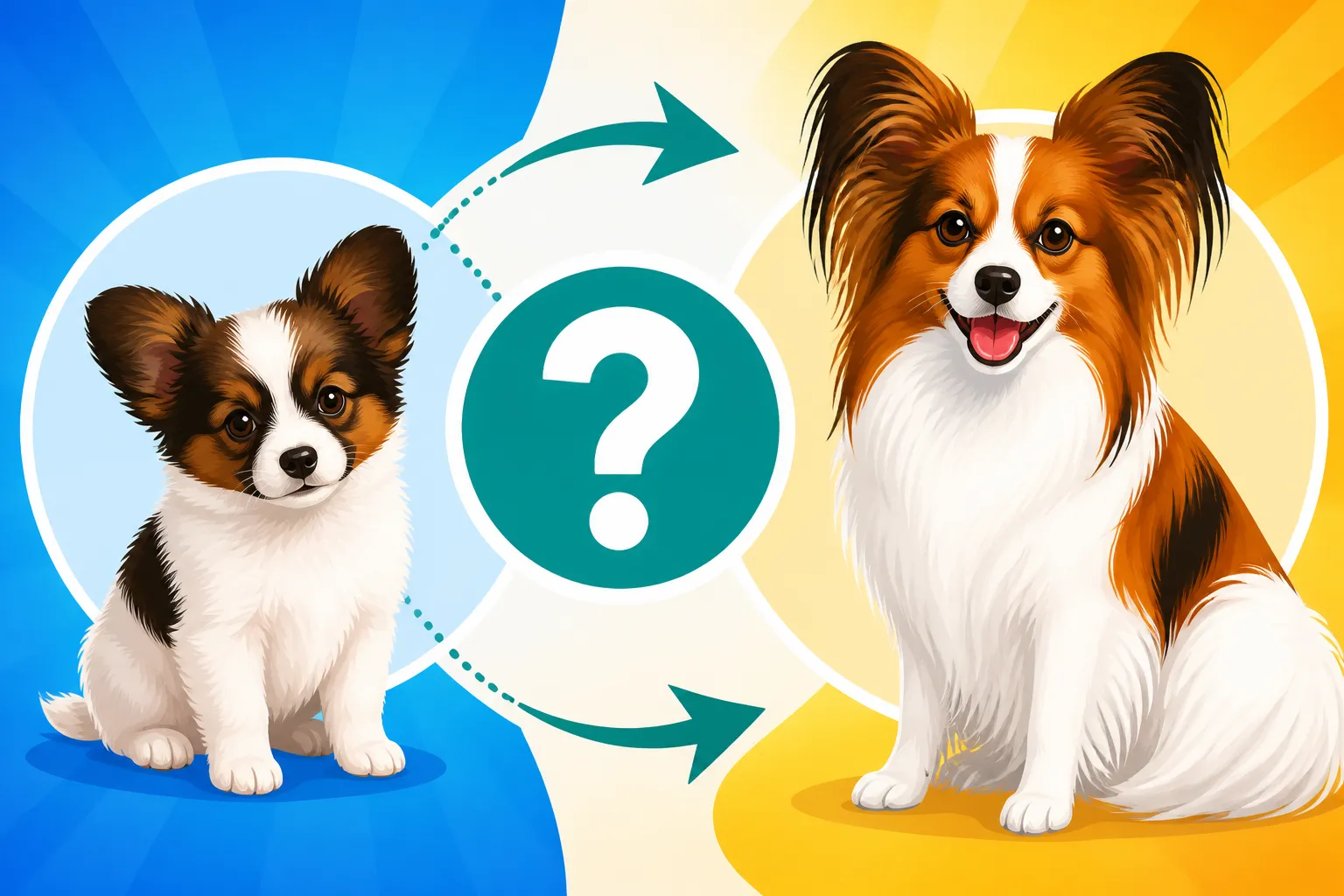
It’s a common moment for new Papillon puppy parents: you gaze at your adorable, fluffy little bundle, admiring their soft, downy coat, and wonder, "Is this what they'll look like when they grow up?" Many of us fall in love with the iconic, flowing silky hair of an adult Papillon, complete with those magnificent ear fringes and plume tail. But the truth is, a Papillon puppy's coat is often just a hint, a charming prologue, and rarely a definitive prediction of the stunning adult coat that will eventually emerge. This guide will walk you through the fascinating journey of your Papillon's coat development, from that initial soft fuzz to the magnificent, flowing adult hair.
The Papillon Puppy Coat: A Fluffy Beginning
When you first bring home a Papillon puppy, especially between eight and twelve weeks, their coat is usually a delightful mass of soft, often dense, and somewhat woolly hair. It’s distinctively different from the mature Papillon coat we all admire, and understanding these initial characteristics can help manage your expectations and prepare you for the changes to come.
Early Coat Texture and Growth
A young Papillon puppy's coat is generally quite soft to the touch, often described as "fluffy" or "downy." It might appear fuller and less sleek than an adult coat, lacking the long, silky guard hairs that will eventually define the breed's elegant appearance. You'll notice their ears might have some soft fuzz, and their tail might be a fluffy question mark rather than a grand plume. This initial coat is perfectly normal; it’s designed to keep them warm and is still very much in its developmental stage. Think of it as their baby fuzz, much like a human baby’s soft hair before their adult hair grows in. The length is typically uniform across their body, without the distinct fringing that becomes prominent later on.
As they grow from tiny pups into slightly less tiny pups, usually around three to six months, you might start to see some subtle lengthening, particularly around the ears, chest, and tail. However, it's still far from the dramatic fringe that will develop. This early growth can sometimes mislead owners into thinking their dog might not develop the full, luxurious coat, especially if they compare their young puppy to adult Papillons they've seen in pictures or at dog shows. Rest assured, this is simply the beginning of a long and beautiful transformation.
Common Puppy Coat Variations
Just like human toddlers, Papillon puppies come in a delightful array of fluffiness and perceived color. Some puppies might have a noticeably denser, more woolly coat, while others might appear a bit sparser. You might even notice slight variations in the depth of their colors, with patches appearing lighter or darker than anticipated. For example, a puppy with strong black markings might have them look a bit muted or dull in their puppy coat, only to deepen and become more vibrant as the adult coat emerges.
It's important not to get too hung up on these initial variations. A super fluffy puppy doesn't necessarily mean a super thick adult coat, nor does a less fluffy one mean a sparse adult coat. Genetics play a much larger role, and many of these superficial differences in puppy coats tend to even out as the dog matures. The texture and growth patterns of the puppy coat are primarily about initial development, not a crystal ball for the future. Patience is truly a virtue during these early months, as your puppy's true coat character will take time to reveal itself.
The Great Coat Transition: From Puppy Fuzz to Adult Fringe
Perhaps the most surprising phase for many first-time Papillon owners is what's often affectionately called the "ugly duckling" stage. This isn't unique to Papillons; many breeds go through a transitional period where their charming puppy fluff gives way to their adult coat, sometimes in a less-than-glamorous fashion.
When the Change Begins
The coat transition typically begins around 6 to 10 months of age, though it can start a little earlier for some or stretch a bit longer for others. This is when you'll notice a significant shift. Your puppy's soft, uniform coat starts to shed, often quite noticeably, in preparation for the new growth. You might find more small hairs around the house, which can be a surprise since Papillons are often touted as low-shedding. Don't worry, this shedding phase is temporary and part of the natural process.
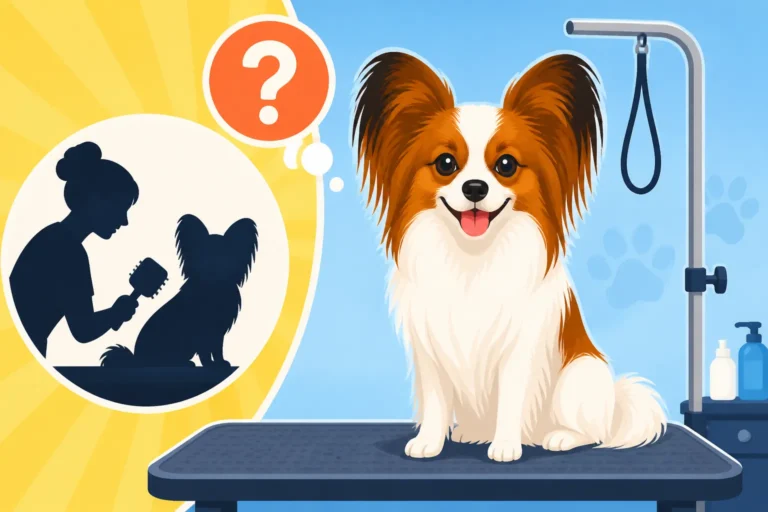
During this period, the coat can look patchy, uneven, and sometimes a bit scraggly. The fine puppy hair starts to fall out, and the coarser, silkier adult guard hairs begin to push through. This can lead to a coat that lacks definition, appearing neither fully puppy nor fully adult. It's during this phase that many owners might feel a pang of concern, wondering if their dog will ever develop that beautiful Papillon silhouette. Rest assured, this is a normal, if slightly awkward, part of the journey. Regular grooming, including brushing, becomes even more crucial during this time to help remove the shedding puppy coat and prevent mats. How Often a Papillon Needs Brushing is a good resource to ensure you're keeping up with your dog's needs during this change.
What to Expect During Coat Change
The "ugly duckling" phase can truly test a new owner's patience. Your once perfectly fluffy puppy might suddenly look like they've had a bad hair day every day. The coat can appear thin in some areas while remaining thick and fluffy in others, creating an uneven patchwork. You might notice the texture changing as well, with some areas feeling distinctly silkier and others still retaining that puppy softness. This is because the new adult hair is fundamentally different in structure from the puppy coat.
This is also when tangles and mats can become more prevalent, as the old coat mixes with the new. Regular brushing, at least every other day, with the right tools, is essential. A good quality pin brush and a metal comb can be found on sites like Chewy or Amazon and will be your best friends during this period. You're not just brushing to remove loose hair; you're helping to stimulate the new growth and keep the emerging adult coat healthy and tangle-free. It's a commitment, but one that pays off immensely. Some owners even opt for a very light trim around the feet or sanitary areas to keep things tidy, but generally, extensive trimming of the body coat is avoided to allow the natural long fringes to develop properly.
Unveiling the Adult Papillon Coat: Silky, Single, and Stunning
After the awkwardness of the "ugly duckling" phase, your Papillon's true adult coat will gradually emerge, revealing the elegant and distinctive characteristics the breed is known for. This is where all that patience and consistent grooming truly shine.
The Signature Silky Single Coat
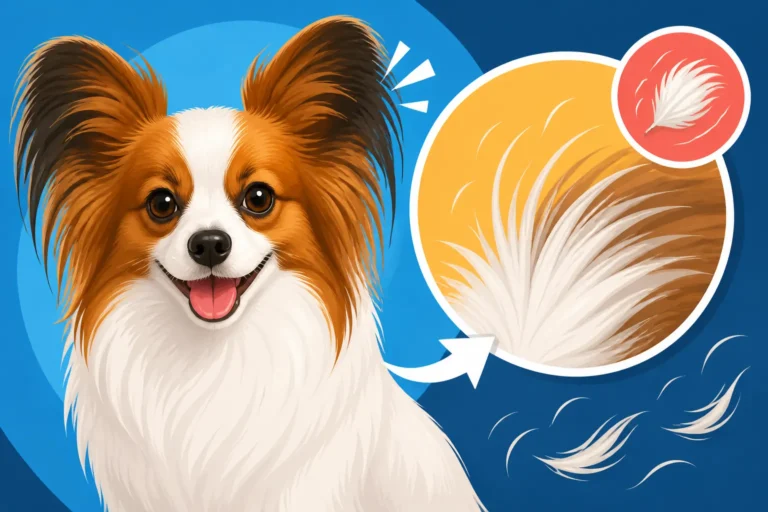
The hallmark of an adult Papillon is its single, flowing, silky coat. Unlike many breeds that have a dense double coat with an insulating undercoat, the Papillon possesses a single layer of fine, soft hair that lies flat along the body. This is a crucial distinction and explains why their grooming needs, while consistent, are different from double-coated breeds. Why a Papillon Has No Undercoat is a deep dive into this unique aspect of their coat. The texture should feel smooth and luxurious to the touch, almost like human hair, and it should have a natural sheen that reflects light beautifully. Why a Papillon's Coat Is Called Silky further elaborates on this desired quality.
This adult coat is not only beautiful but also functional. Its fine texture means it's less prone to matting than some other long-haired breeds, provided it's cared for properly. The single coat means they are generally less messy in terms of shedding, though they do still shed. The shedding is usually more manageable, with fine hairs that are easier to clean up compared to the thick tufts from undercoat-shedding breeds.
Full Coat Development and Fringes
The crowning glory of the Papillon's adult coat is undoubtedly its magnificent feathering, particularly the ear fringes, the chest frill, the culottes (on the back of the hind legs), and the elegant tail plume. These features are what give the Papillon its distinctive butterfly-like appearance. While some of these fringes might begin to develop during the "ugly duckling" phase, they reach their full length and density much later.
It can take a Papillon anywhere from 18 months to a full 2 or even 3 years for their coat to be truly mature and fully feathered. The ear fringes, which give the breed its name, take significant time to grow to their desired length and fullness. When a Papillon's Ear Fringe Grows In goes into detail about this specific aspect. Similarly, the tail plume will continue to fill out and lengthen, arching gracefully over their back. This long developmental period means that if you're evaluating a younger dog, you need to visualize their potential. A consistent diet, perhaps with high-quality food from a brand like Ollie, and a diligent grooming routine, can support this beautiful growth. What a Papillon's Tail Plume Needs provides specific tips for caring for this iconic feature.
Factors Influencing Coat Development and Appearance
While the general progression of a Papillon's coat development is fairly standard, the ultimate look and feel of that adult coat can be influenced by several factors beyond just passing through puppyhood.
Genetics and Lineage
Without a doubt, genetics are the primary determinant of your Papillon's adult coat. The quality, length, density, and texture of the coat are all inherited traits. If your puppy comes from a line of Papillons known for beautiful, full, and correct coats, there's a very good chance your dog will also develop one. This is why responsible breeders place such emphasis on the lineage and health of their breeding dogs, not just for temperament and health, but for breed-standard appearance too.
When choosing a puppy, looking at the parents' coats can offer a strong indication of what your puppy's adult coat might become. A breeder should be able to show you pictures or even allow you to meet the sire and dam, giving you a visual preview. Some lines naturally produce more abundant feathering, while others might be slightly less endowed, all within the breed standard. This genetic blueprint sets the stage for everything from How Long a Papillon's Coat Grows to how much When a Papillon Sheds Most they will ultimately shed.
Nutrition and Overall Health
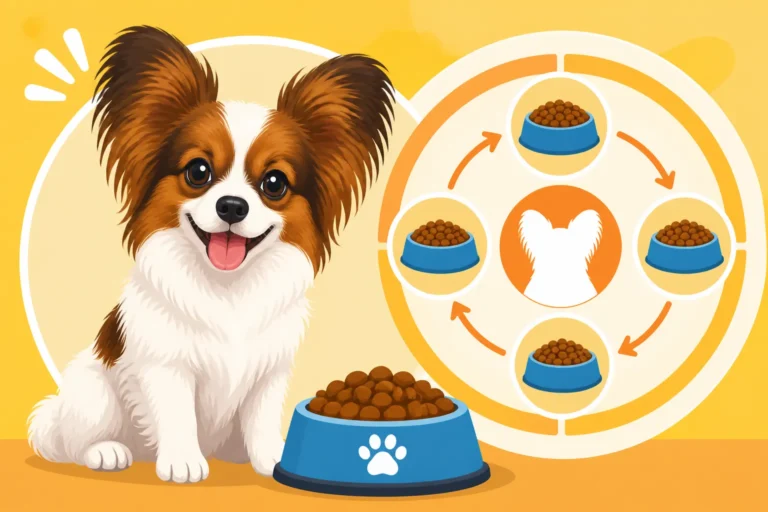
While genetics lay the foundation, proper nutrition and overall health are crucial for actualizing that genetic potential. A diet rich in high-quality protein, essential fatty acids (like Omega-3 and Omega-6), and vitamins can significantly impact the health, shine, and strength of your Papillon's coat. A dull, brittle, or sparse coat can sometimes be a sign of nutritional deficiencies or underlying health issues.
Ensure your Papillon is on a premium dog food appropriate for their age and activity level. Brands like Ollie often offer fresh, balanced options that many owners report positively impact coat health. You might also consider supplements, such as fish oil, after consulting with your veterinarian, to boost those healthy fats. Beyond diet, general health plays a role. Any chronic illness or stress can manifest in a poor coat condition. Regular veterinary check-ups and preventative care ensure your Papillon is healthy from the inside out, which directly translates to a vibrant, beautiful coat. How Much an Adult Papillon Eats gives guidance on appropriate feeding to maintain optimal health.
Spaying/Neutering and Hormonal Changes
It's a phenomenon seen in many long-haired breeds, and Papillons are no exception: hormonal changes associated with spaying or neutering can sometimes affect coat texture and growth. For some Papillons, particularly females, being spayed can lead to a slight softening or even an increase in "cottony" texture in their coat. It can also sometimes result in the coat growing longer or becoming denser than it might have otherwise.
This change isn't universal, and not every spayed or neutered Papillon will experience it dramatically, but it is a possibility. The coat might require a bit more brushing to maintain its condition if it becomes softer, as softer hair can be more prone to tangling. It's a minor trade-off for the numerous health and behavioral benefits of spaying or neutering, but it's something to be aware of. Whether a Neutered Papillon's Coat Changes offers more detail on this topic, giving you a clearer picture of what to potentially expect. The age at which your Papillon reaches its full adult coat, typically around The Age a Papillon's Adult Coat Arrives, can also coincide with the timing of spay/neuter surgery, making it seem like the changes happen suddenly.
Summary of Coat Development Stages
To give you a clearer picture of what to expect, here's a general timeline for Papillon coat development:
| Age Range | Coat Characteristics (General) | Grooming Needs | Key Things to Note |
|---|---|---|---|
| 8 weeks – 6 months | Soft, dense, uniform "puppy fluff"; minimal fringing. Colors might appear muted. | Gentle daily brushing to introduce habit; light combing. | Not indicative of adult coat; enjoy the fluff! |
| 6 months – 18 months | "Ugly Duckling" phase: shedding puppy coat, patchy, uneven texture; new adult hairs emerge. Ear and tail fringes start to grow. | Frequent, thorough brushing (every 1-2 days) with pin brush and comb to prevent mats. May need occasional detangler. | Appearance can be awkward; patience is key. Focus on regular grooming. |
| 18 months – 3 years | Adult coat emerges: silky, single layer. Fringes (ears, tail, chest, culottes) grow to full length and density. Colors deepen. | Regular brushing (2-3 times a week), paying attention to fringes. Occasional bathing. | Full maturity of coat, including iconic fringes, takes time. Genetics and nutrition play a big role. |
| 3+ years | Mature, flowing adult coat. Maintained with consistent grooming. | Regular brushing and bathing as needed. Monitor for changes due to age or health. | Coat should be at its prime. Continued good care is essential for health and appearance. |
Disclaimer
This article is for general informational purposes only and does not constitute professional advice. Laws, prices and regulations vary by location and change over time. Consult a qualified professional for guidance on your specific situation.