Whether a Papillon’s Eyes Water
It can be quite alarming, or simply a persistent annoyance, when you notice your sweet Papillon's eyes constantly watering. You might find yourself wiping away tears and wondering if it's normal, a sign of something serious, or just a quirky trait of the breed. This comprehensive guide is here to shed light on why a Papillon's eyes might water, how to tell the difference between a minor issue and a red flag, and what steps you can take to keep those expressive butterfly eyes healthy and happy.
Understanding Normal Papillon Eye Moisture vs. Excessive Tearing
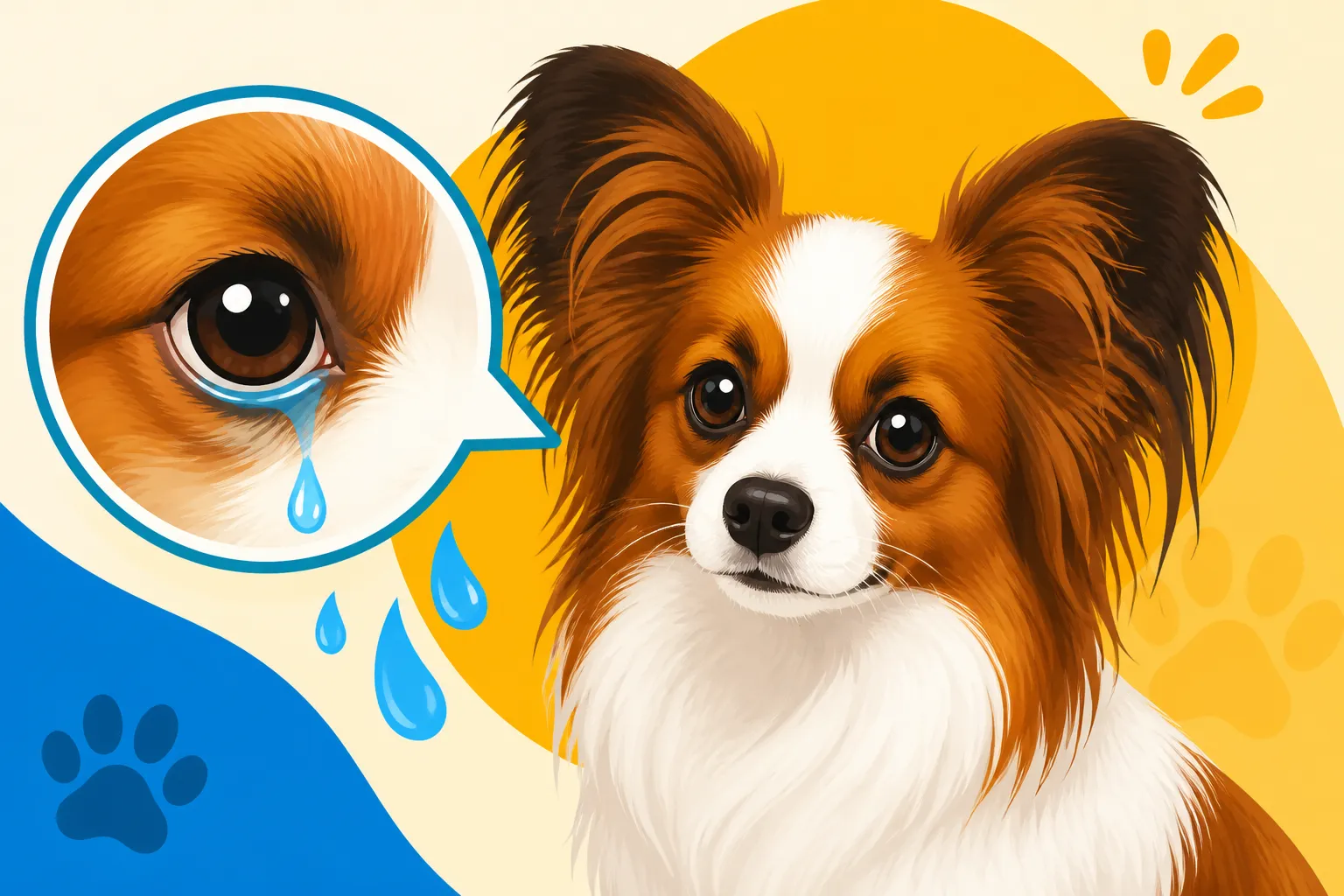
First off, let's talk about what's considered "normal." Just like us, dogs produce tears to lubricate and protect their eyes. These tears usually drain away through tiny ducts in the inner corner of their eyelids. For many Papillons, a little bit of moisture is perfectly fine, especially after a nap or on a windy day. The concern arises when that moisture becomes excessive, leading to wetness around the eyes, stained fur, or even irritation.
The Papillon's Delicate Eye Structure
Papillons are known for their beautiful, large, dark, and expressive eyes – a hallmark of their charm. However, this delicate structure, combined with their fine fur, can sometimes make them more prone to visible eye-watering than breeds with deeply set eyes or coarser fur. Their eyes are quite prominent, which can expose them more to environmental irritants like dust, pollen, or even strong winds. When you consider their small size, every little detail about their delicate features becomes more pronounced, including tear production and drainage.
Tear Stains: A Common Cosmetic Concern
One of the most immediate signs of excessive watering is tear staining. Those reddish-brown streaks under the inner corners of their eyes are incredibly common in Papillons, especially those with lighter-colored fur. While primarily a cosmetic issue, these stains aren't just unsightly; they indicate constant moisture, which can create a breeding ground for yeast and bacteria. If left unchecked, the skin beneath the stains can become irritated, smelly, and even lead to skin infections. It's not just about looking pretty; it's about comfort and preventing secondary problems. Many owners feel frustrated trying endless products, only to see the stains return.
Common Causes of Watering Eyes in Papillons
When your Papillon's eyes are consistently watery, it's natural to feel a bit worried. There's a whole host of reasons this might be happening, ranging from simple irritations to more serious health concerns that need a vet's attention. Understanding the potential culprits can help you communicate more effectively with your veterinarian and provide the best care for your little companion.
Allergies and Environmental Irritants
Just like people, Papillons can suffer from allergies. These might be seasonal allergies to pollen, mold, or grasses, or even allergies to components in their food or household products. If your Papillon's eyes water excessively, especially during certain times of the year or after exposure to specific environments, allergies could be the prime suspect. You might also notice other symptoms like sneezing, paw licking, or itchy skin. Beyond allergies, simple irritants in the environment – a puff of dust from a carpet, a stray hair, or even harsh cleaning chemicals used near their level – can cause the eyes to produce more tears as a protective mechanism. Imagine how irritating even a tiny speck feels in your own eye; for a small dog, these irritants can be a significant daily bother.
Blocked Tear Ducts (Epiphora)
This is one of the most frequent reasons for persistent eye watering and tear staining in many small breeds, including Papillons. Normally, tears are produced and then drain through tiny openings (puncta) into the nasolacrimal ducts, which lead to the nasal cavity. If these ducts become blocked or are too narrow, the tears have nowhere to go but to spill over the eyelids, down the face. These blockages can be congenital (present from birth), or they can develop due to inflammation, infection, or even scar tissue. It's a bit like a clogged sink – the water just keeps overflowing. A vet might need to flush these ducts to clear them, a procedure often done under light sedation.
Eyelid Issues (Entropion, Ectropion)
Sometimes the problem isn't with the tears themselves, but with the eyelids. Entropion is a condition where the eyelid rolls inward, causing the eyelashes and fur to rub against the cornea. This is incredibly irritating and can lead to constant tearing, pain, and even corneal ulcers. Ectropion, conversely, is when the eyelid rolls outward, exposing the delicate inner membrane of the eyelid. While less common in Papillons, it can also lead to excessive tearing because the tears can't be properly distributed across the eye's surface, and the exposed tissue is more susceptible to irritation. Both conditions can often require surgical correction to alleviate discomfort and prevent long-term damage.
Dental Problems Affecting Eye Drainage
It might sound strange, but your Papillon's sparkling smile (or lack thereof) can actually impact their eyes! The roots of the upper teeth are surprisingly close to the tear ducts. If your Papillon has severe dental disease, an abscessed tooth, or even a retained puppy tooth causing inflammation, that infection or pressure can interfere with the tear duct drainage. This is a crucial link to remember, especially since The Teeth in a Papillon's Small Jaw are prone to crowding and disease. A painful tooth can manifest as eye watering on the affected side, and many owners are surprised to learn their dog's dental health is causing eye issues. Regular dental care and addressing issues like those discussed in How Common Dental Disease Is in Papillons are absolutely vital.
Corneal Issues and Injuries
The cornea is the clear, outer layer of the eye, and it's quite vulnerable. Scratches, abrasions, or even foreign objects like a tiny piece of debris can irritate the cornea, causing the eye to water profusely as it tries to flush out the invader. Corneal ulcers, which are open sores on the cornea, are particularly painful and can lead to significant tearing, squinting, and redness. These require prompt veterinary attention as they can quickly worsen and even lead to vision loss if not treated aggressively. Even something as simple as running through tall grass could cause a corneal scratch in an active Papillon. While less common, certain eye conditions like Cataracts in a Papillon can also contribute to irritation and watering, though tear production itself isn't usually the primary symptom.
Other Potential Issues
Beyond these common causes, other factors can contribute to watery eyes. Infections, such as conjunctivitis (pink eye), can cause redness, discharge, and excessive tearing. Whether a Papillon Gets Dry Eye, paradoxically, can also lead to excessive watery discharge as the eye tries to compensate for poor quality tears. Even an eyelash growing in an abnormal direction (distichiasis or ectopic cilia) can constantly rub against the eye, causing irritation. Sometimes, older Papillons might develop age-related changes that affect tear production or drainage, making Caring for an Aging Papillon even more important. It really emphasizes the need for a thorough veterinary examination when something seems amiss.
| Symptom | Normal Eye Moisture | Mild Tear Staining | Excessive Watering (Concerning) |
|---|---|---|---|
| Moisture Level | Minimal, just a sheen | Slight dampness below inner eye | Constant wetness, dripping |
| Discharge Type | Clear, watery | Clear to reddish-brown streaks | Clear, thick, colored, or pus-like |
| Eye Appearance | Bright, clear, no redness | Generally clear, no redness | Redness, squinting, cloudy, swollen |
| Behavior | No discomfort | No discomfort | Rubbing eyes, pawing, lethargy |
| Smell | None | Mild, yeasty (if stained) | Foul odor |
| Frequency | Occasional, situational | Persistent, but stable | Sudden onset, worsening |
Home Care and Prevention for Papillon Eye Stains and Irritation
While a trip to the vet is essential for diagnosing underlying medical conditions, there are many things you can do at home to help prevent tear staining and reduce irritation for your Papillon. Consistent care and attention can make a world of difference in their comfort and appearance.
Routine Eye Cleaning and Hygiene
This is paramount. Daily cleaning of the area around your Papillon's eyes can prevent tear stains from setting in and becoming a bacterial breeding ground. Use a soft, damp cloth or a specialized dog eye wipe. You can find excellent options for gentle, dog-safe eye wipes on platforms like Chewy or Amazon. Make sure whatever you use is specifically designed for pets and is free of harsh chemicals or perfumes. Gently wipe from the inner corner of the eye outwards, taking care not to touch the eyeball directly. For stubborn stains, a small amount of cornstarch or specific tear stain powders (applied very carefully away from the eye itself) can help absorb moisture and lighten the stain. Just remember, these are external solutions and won't fix an internal problem.
Furthermore, keeping your Papillon's facial hair trimmed around the eyes can significantly help. Long hair can wick tears, trapping moisture against the skin and contributing to irritation and staining. A careful trim by a professional groomer or yourself (with extreme caution and appropriate blunt-nosed scissors) can open up the area, allowing for better air circulation and easier cleaning.
Dietary Considerations for Tear Stains
What goes into your Papillon's bowl can sometimes influence tear staining. While not a cure-all, some owners report a reduction in tear stains when switching to a high-quality diet. The theory is that lower-quality ingredients or common allergens in food can lead to inflammation or sensitivities, which might manifest as excessive tearing. Consider feeding a premium, balanced diet with wholesome ingredients. You might explore fresh dog food options from brands like Ollie, or find other reputable kibble brands on Chewy that avoid common fillers or artificial additives.
Ensuring your Papillon drinks filtered water rather than tap water, which can sometimes contain minerals that contribute to staining, is another easy step many owners take. Also, avoid plastic bowls for food and water. Plastic can harbor bacteria and microscopic scratches, potentially irritating your dog's face and contributing to staining. Stainless steel or ceramic bowls are much better choices for hygiene.
Environmental Management
Your home environment plays a significant role in your Papillon's eye health. Minimize exposure to airborne irritants like smoke, strong air fresheners, cleaning chemicals, and excessive dust. If you use diffusers or candles, ensure they are placed far from your dog's resting areas and use pet-safe essential oils, if any at all. Regularly vacuuming and dusting can reduce allergens in the home.
Consider where your Papillon sleeps. If they're often exposed to drafts from windows or air vents, this could be drying out their eyes or causing irritation, leading to compensatory tearing. Provide a comfortable, draft-free sleeping area. For walks, especially on windy days or in dusty areas, some small dog owners even use protective dog goggles to shield their Papillon's eyes from environmental assault. This might seem extreme, but for a dog prone to eye irritation, it can be a real game-changer. Also, keep an eye on things like How Often a Papillon Needs a Dental Cleaning, as good dental hygiene reduces overall inflammation that can contribute to eye issues.
When to Seek Veterinary Care for Your Papillon's Watering Eyes
While home care and preventative measures are incredibly important, it's equally crucial to recognize when your Papillon's watery eyes warrant a trip to the veterinarian. Ignoring persistent or worsening symptoms can lead to more serious complications and prolonged discomfort for your furry friend.
Recognizing Red Flags
Not all watery eyes are created equal. You should contact your vet promptly if you notice any of these "red flag" symptoms alongside the tearing:
- Sudden onset or worsening of tearing.
- Thick, colored, or pus-like discharge instead of just clear tears. This often signals an infection.
- Squinting, blinking excessively, or holding one eye shut. These are clear signs of pain or severe irritation.
- Redness of the eye or surrounding tissues.
- Cloudiness in the eye itself or a visible injury to the cornea.
- Swelling around the eye.
- Rubbing or pawing at the face/eyes.
- Changes in behavior, such as lethargy, loss of appetite, or reluctance to play.
- An unpleasant odor coming from the tear-stained area.
- Unequal pupil sizes or one eye appearing different from the other.
These signs indicate that something more serious than simple tear staining is going on and requires professional diagnosis and treatment. Prompt action can prevent minor issues from becoming major problems, potentially saving your Papillon from pain and preserving their vision.
Diagnostic Procedures Your Vet Might Perform
When you take your Papillon to the vet for watery eyes, they won't just glance at them and guess. They'll perform a thorough examination to pinpoint the exact cause. This often includes:
- A complete physical exam: They'll look at your Papillon's overall health, including What a Papillon's Yearly Bloodwork Should Cover if it's due, as systemic issues can sometimes manifest in the eyes.
- Ophthalmic exam: Using specialized lights and magnification, they'll closely inspect the eyelids, eyelashes, conjunctiva (the pink membrane around the eye), and the cornea for any abnormalities, foreign bodies, or signs of injury.
- Fluorescein stain test: A special orange dye is applied to the eye. If there's a corneal abrasion or ulcer, the dye will stick to the damaged area and glow green under a blue light, making it visible.
- Schirmer tear test: This measures tear production, ruling out conditions like dry eye where the eye tries to overcompensate. Whether a Papillon Gets Dry Eye is a specific concern.
- Nasolacrimal duct flush: If a blocked tear duct is suspected, your vet may try to flush the ducts with saline to clear any obstructions. This often requires sedation, especially in tiny Papillons.
- Eyelash evaluation: They'll carefully check for abnormally growing eyelashes that might be irritating the eye.
- Blood work or allergy testing: If allergies are suspected, further tests might be recommended.
- Eye pressure measurement: To check for glaucoma, though less common as a cause of watery eyes in Papillons, it's part of a full ocular exam.
Don't be afraid to ask questions about each test and why it's being performed. A good vet will be happy to explain everything. It's also a good idea to discuss if Whether a Papillon's Eyes Should Be CERF Checked is something they recommend as part of a routine health screening, especially if your Papillon is still young.
Treatment Options and Management
Once the cause of your Papillon's watering eyes is identified, your vet will recommend a tailored treatment plan. This could range from simple solutions to more involved procedures:
- Topical medications: For infections, corneal ulcers, or inflammation, antibiotic or anti-inflammatory eye drops or ointments are commonly prescribed.
- Allergy management: If allergies are the culprit, your vet might suggest antihistamines, corticosteroids, or dietary changes. This can sometimes involve trialing different foods, perhaps even specialized formulations found on Chewy or via prescription.
- Surgical correction: Eyelid abnormalities like entropion or ectropion almost always require surgery to correct the alignment and prevent ongoing irritation. Similarly, some chronic tear duct blockages might need surgical intervention to create a new drainage pathway.
- Flushing tear ducts: As mentioned, if a blockage is found, flushing the nasolacrimal ducts under sedation is often the first line of treatment.
- Pain management: If your Papillon is experiencing pain due to an eye injury or condition, your vet will provide appropriate pain relief.
- Regular follow-ups: Many eye conditions require follow-up visits to ensure the treatment is effective and the eye is healing properly.
Remember, early detection and appropriate treatment are key to resolving watery eye issues in your Papillon and ensuring their long-term comfort and health. It's an area where being proactive truly pays off for your little companion.
Disclaimer
This article is for general informational purposes only and does not constitute professional advice. Laws, prices and regulations vary by location and change over time. Consult a qualified professional for guidance on your specific situation.