Whether a Papillon’s Culottes Need Cleaning
Keeping your Papillon's gorgeous culottes pristine can feel like a never-ending battle, especially after a damp walk or a quick potty break where everything seems to stick to that beautiful feathering. It's frustrating to see those silky strands quickly transform into matted, muddy tangles or become stained. This guide is here to walk you through exactly how to keep your Papillon's culottes clean, healthy, and looking their best, no matter what adventures you and your butterfly dog embark on.
Understanding the Papillon's Unique Culottes
The Papillon's culottes are a hallmark of the breed, a magnificent display of long, flowing hair on their hindquarters and the backs of their legs. These aren't just decorative; they're an extension of your dog's single, silky coat, designed to cascade elegantly. Unlike many breeds that have a dense undercoat, Papillons have only a single layer of hair, which, while beautiful, requires specific care. This lack of an undercoat means their hair is finer and more prone to static, snags, and absorbing moisture and dirt rather than repelling it. You might think, with all that hair, they'd be a nightmare to groom, but honestly, once you know the tricks, it's very manageable. Understanding this unique coat characteristic is the first step to truly appreciating and properly caring for your Papillon's culottes.
What Exactly Are Papillon Culottes?
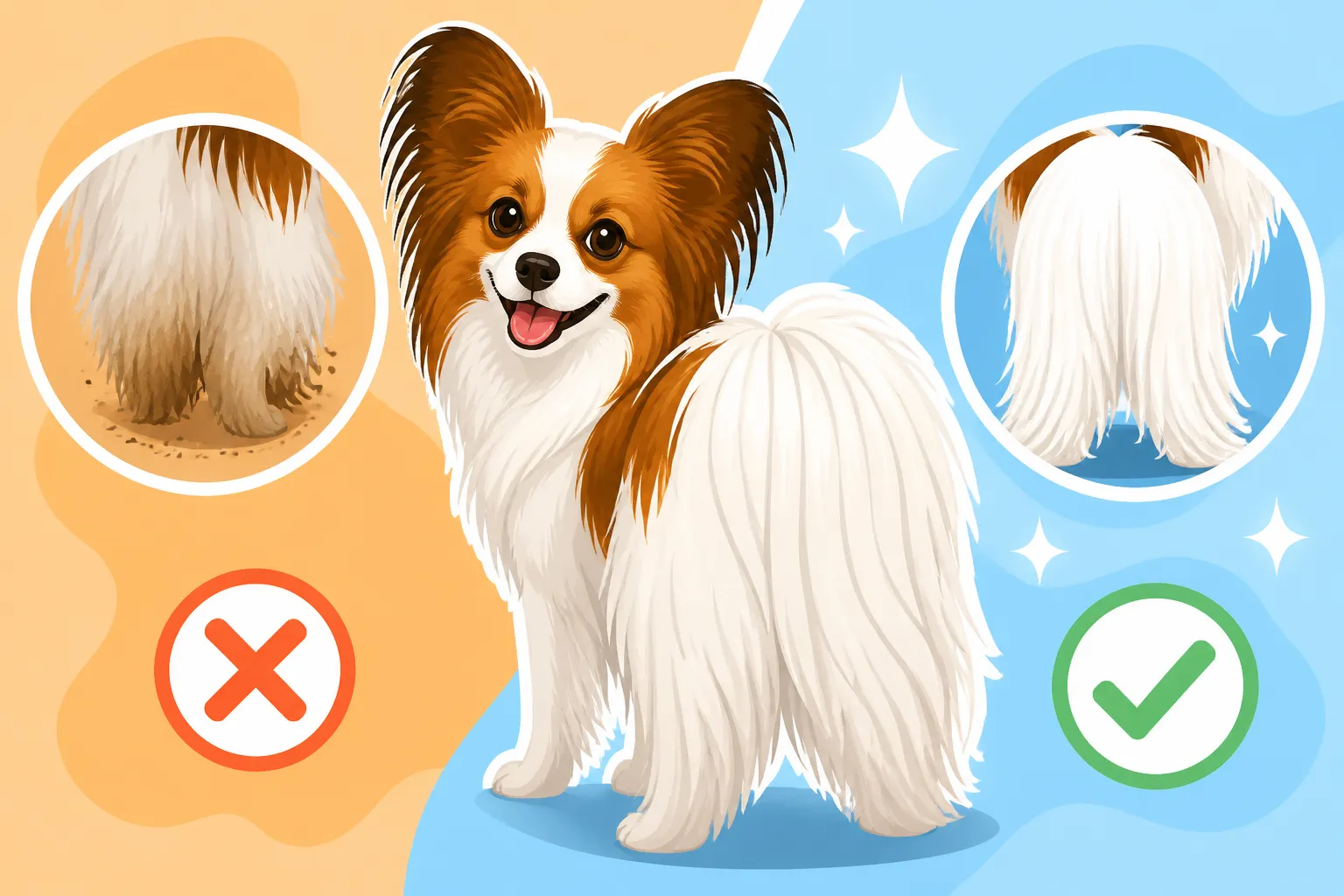
When we talk about culottes on a Papillon, we're referring to the long, flowing hair that grows on the back of their thighs and hocks, often extending down towards their paws. Imagine a pair of elegant, feathered breeches – that's essentially what these are. This feathering is part of the overall "furnishings" that give the Papillon its distinctive appearance, alongside their ear fringe, chest frill, and magnificent tail plume. These culottes contribute significantly to the breed's graceful silhouette and are admired in the show ring, but they also bear the brunt of everyday life. They pick up everything from mud and leaves to grass seeds, and yes, unfortunately, urine, which can lead to staining and matting if not addressed promptly. The Plume, the Culottes and a Papillon's Chest Frill provides more detail on the various feathered parts of your Papillon.
Why Culottes Are a Magnet for Dirt and Stains
It's a common lament among Papillon owners: "How did they get so dirty, so fast?" The answer lies in the very nature of their coat and where these culottes are located. Because they are low to the ground and positioned directly behind where your dog eliminates, they are constantly exposed to external elements. The long, fine, silky hair acts almost like a natural broom or sponge, sweeping up debris from the ground and absorbing moisture.
- Proximity to the Ground: As your Papillon walks, runs, or even just sits, these culottes are constantly brushing against the ground, picking up dust, dirt, mud, and any plant matter you encounter.
- Urinary Exposure: This is perhaps the most common source of staining and odor. When your Papillon urinates, especially if they squat low, their culottes are directly in the splash zone. Over time, repeated exposure to urine can cause yellowing, a noticeable odor, and can dry out the hair, making it brittle and more prone to matting. Even quick potty breaks on dry grass can leave behind residue.
- Environmental Debris: Think burrs, tiny twigs, grass seeds, and even sticky sap from trees. These fine hairs are adept at catching and holding onto anything they brush against, turning a quick outdoor adventure into a grooming challenge.
- Matting Risk: Once the hair is dirty or damp, it's far more likely to tangle and form mats. Mats aren't just unsightly; they can pull on the skin, causing discomfort and even skin infections if left unchecked.
The frustration is real when you see your beautifully groomed Papillon return from a short stroll looking like they've wrestled a bush. But with a proactive approach, you can minimize these issues and keep those culottes looking fabulous.
Essential Tools and Techniques for Cleaning Papillon Culottes
Keeping those lovely culottes clean and mat-free doesn't require a professional groomer every week, but it does demand a consistent routine and the right tools. Having the proper arsenal on hand will make the task much less daunting and more effective, saving you time and your Papillon discomfort in the long run.
The Right Grooming Kit for Culotte Care
Before you even think about cleaning, make sure you have the essentials. Good quality tools are an investment that will pay off in the health and appearance of your Papillon's coat.
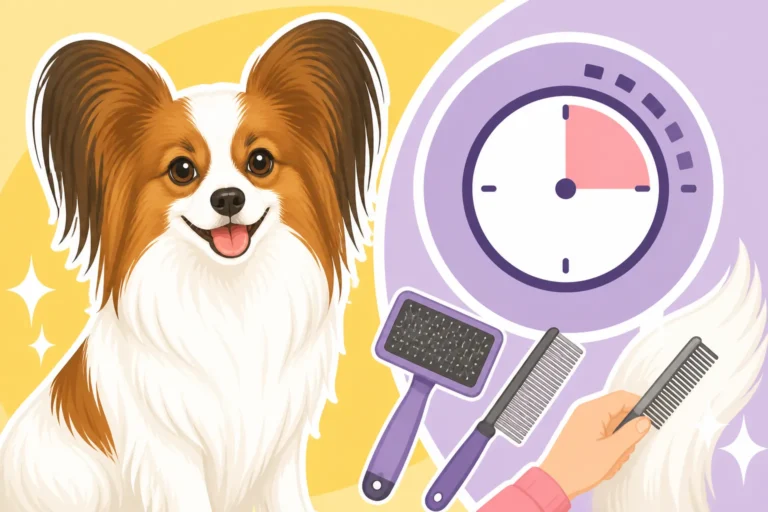
- Pin Brush: A good quality pin brush with rounded tips is crucial for daily brushing. It helps to gently detangle the longer hair of the culottes without pulling or scratching the skin. Look for one with metal pins that are not too stiff.
- Metal Comb: A fine-toothed metal comb, or a greyhound comb with both fine and wider teeth, is indispensable. This is what you'll use to meticulously check for and work out any tangles or small mats that the pin brush might miss, especially closer to the skin.
- Detangling Spray: A leave-in detangling spray or conditioning spray is your best friend. It helps to lubricate the hair, making it easier to brush through knots and reduce static electricity, which can contribute to matting. You can find excellent options on Chewy that are specifically formulated for long-haired dogs.
- Dog-Specific Shampoo and Conditioner: For proper bathing, always use products designed for dogs. Human shampoos have a different pH balance and can dry out your Papillon's skin and coat, leading to irritation and dullness. A good quality conditioner will help keep the culottes soft, less prone to tangles, and easier to brush.
- Blunt-Nosed Scissors or Safety Clippers: For sanitary trims around the culottes (more on this later) or carefully cutting out stubborn mats, blunt-nosed scissors are safer than pointed ones. Small, quiet clippers can also be incredibly useful for these sensitive areas.
- Absorbent Towels: Microfiber towels are great for wicking away excess water after a bath, speeding up drying time.
- Pet-Specific Hair Dryer (Optional but Recommended): A cool-setting pet dryer can significantly reduce drying time and help ensure the culottes are thoroughly dry, which is critical for preventing mats.
Step-by-Step Cleaning Methods
Depending on the extent of the mess, you'll employ different cleaning strategies.
Daily Spot Cleaning and Brushing
For light dirt, dust, and preventing mats, daily brushing is non-negotiable. How Often a Papillon Needs Brushing goes into more detail, but for the culottes specifically:
- Inspect: After every outdoor excursion, take a moment to quickly check your Papillon's culottes for any debris, burrs, or dampness.
- Mist: Lightly mist the culottes with a detangling spray. This helps prevent breakage and makes brushing easier.
- Brush: Using your pin brush, gently brush through the culottes, working in small sections from the ends of the hair towards the skin. Always hold the hair closer to the skin with one hand while you brush with the other to minimize pulling.
- Comb Check: Follow up with your metal comb to ensure there are no hidden tangles. Start with the wider teeth and then move to the finer teeth. If you encounter a snag, don't yank! Gently work it out with the comb, applying more detangling spray if needed.
- Sanitary Wipe (as needed): If there's any urine residue, use a pet-safe grooming wipe or a damp cloth to gently clean the area. This prevents staining and odor buildup.
Dealing with Muddy or Stained Culottes
Sometimes, a quick brush-through isn't enough, especially after a particularly enthusiastic romp in the mud or if there's significant urine staining.
- Let Mud Dry: If the culottes are muddy, resist the urge to wash or brush it wet. Let the mud dry completely. Once dry, much of it will simply crumble off with gentle brushing.
- Pre-Brush (Dry Mud): Once dry, use your pin brush to carefully brush out as much loose mud as possible.
- Targeted Wash: If stains or remaining mud persist, a targeted wash is in order. You don't necessarily need a full bath.
- Warm Water Rinse: In a sink or tub, wet only the affected culottes with lukewarm water.
- Shampoo Application: Apply a small amount of dog shampoo, gently working it into a lather. Focus on the stained or dirty areas. Let it sit for a minute or two to help lift stains.
- Thorough Rinse: Rinse extremely thoroughly. Any shampoo residue left behind can irritate the skin and actually attract more dirt. Ensure the water runs clear.
- Condition: Apply a small amount of dog conditioner, especially if the hair felt dry. Leave it for a minute, then rinse thoroughly.
- Towel Dry: Blot the area gently with a super absorbent towel. Don't rub vigorously, as this can create tangles.
- Blow Dry (Optional): If you have a pet dryer, use a low, cool setting to ensure the hair is completely dry. Brush gently as you dry to prevent tangles and achieve that lovely, flowing look.
Addressing Mats
Mats are the bane of any long-haired dog owner's existence, and Papillon culottes are a prime target. Catching them early is key. Where a Papillon Mats can help you identify common trouble spots.
- Small, Loose Tangles: Use detangling spray liberally on the tangle. Then, using your fingers, gently pull the tangle apart as much as you can. Follow with the wide-toothed side of your metal comb, working from the outer edges of the tangle inward, a few hairs at a time. Be patient!
- Tighter Mats: If the mat is tight, a mat splitter or a seam ripper can be helpful, but use these with extreme caution as they are sharp. Gently slice through the mat along the direction of the hair growth, creating smaller sections you can then comb out.
- Severe Mats: If a mat is too tight, too close to the skin, or too painful for your Papillon to tolerate removal, it's always better to cut it out. Use blunt-nosed scissors, always pointing the tips away from the skin. Slide the scissor blade under the mat, parallel to the skin, and cut. Alternatively, a small set of safety clippers can buzz right under the mat. If you're unsure or the mat is very large, consult a professional groomer or your vet. Never try to cut out a mat blind or with pointed scissors near the skin.
Remember, patience and gentle handling are paramount. Your Papillon will appreciate it, and it will make future grooming sessions much easier.
Maintaining Clean and Healthy Culottes Between Baths
While regular baths are part of life with a Papillon, the real secret to always-pristine culottes lies in consistent daily and weekly maintenance. It's about proactive care that prevents big problems from developing, keeping those culottes glorious with minimal fuss.
The Power of Daily Grooming Routines
Making grooming a positive daily ritual, even if it's just for five or ten minutes, will save you hours of struggle in the long run. Think of it as preventative medicine for mats and stains.
- Post-Walk Check-Up: This is crucial. Every single time your Papillon comes in from outside, even if it was just a quick trip to the yard, do a quick visual and tactile check of their culottes. Look for any burrs, leaves, or damp spots. If you see anything, remove it immediately. A quick mist of detangler and a brush-through will take moments but prevent hours of detangling later.
- Evening Brush-Out: Before bed, or during a quiet moment in the evening, give the culottes a thorough brush-out with your pin brush and comb. This catches any developing tangles from the day's activities before they have a chance to tighten into mats overnight. It's also a great bonding experience.
- Sanitary Trim Strategy: This is a game-changer for culotte cleanliness. Regularly trimming the hair around your Papillon's anus and vulva/penis (the "sanitary area") can drastically reduce the amount of urine and feces that gets caught in the longer culotte hair.
- How to Do It: Use blunt-nosed scissors or small clippers. Carefully lift the tail and gently trim the hair very short around these areas. Be extremely careful not to nick the skin. You don't need to shave it bald, just keep it short enough that waste doesn't cling.
- Frequency: This trim might be needed every 2-4 weeks, depending on how fast your Papillon's hair grows. If you're unsure, your vet or groomer can demonstrate the first time. Whether a Papillon's Sanitary Area Needs Trimming offers more specific advice.
Nutritional Support for Coat Health
It might not seem directly related to culotte cleaning, but a healthy coat starts from within. What your Papillon eats directly impacts the quality, strength, and oil production of their hair, making it more resilient to dirt and tangles.
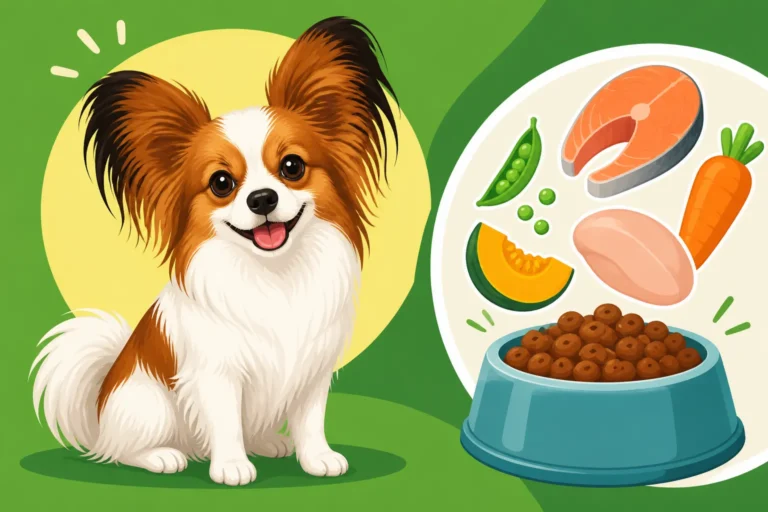
- High-Quality Diet: Feed your Papillon a high-quality, balanced dog food. Look for formulas with good sources of protein and healthy fats, particularly omega-3 and omega-6 fatty acids. These nutrients are vital for skin health and coat luster. Brands like Ollie offer fresh, human-grade food that can contribute to a noticeably healthier coat.
- Supplements (Discuss with Vet): Some owners find that adding a fish oil supplement (like salmon oil) to their Papillon's diet can improve coat quality, making the hair silkier and less prone to breakage and static. Always discuss any supplements with your veterinarian before adding them to your dog's regimen. A strong, healthy hair shaft is less likely to break and tangle, and a well-conditioned coat sheds debris more easily.
Environmental Adjustments
Your home and outdoor environment can also play a role in how clean your Papillon's culottes stay.
- Ramps and Steps: While not directly grooming related, protecting your Papillon's delicate joints from repetitive jumping off furniture can help maintain their overall health and mobility, which indirectly contributes to easier grooming. If your Papillon can't jump comfortably, they might be less likely to get into muddy situations or stand still for grooming. Whether a Papillon Should Be Stopped From Jumping Off Furniture offers useful perspectives.
- Protective Gear: For walks in very muddy or wet conditions, some owners use doggie raincoats or even specialized leggings to protect the culottes. While not always practical for everyday use, they can be a lifesaver for specific outings.
- Flooring: Hardwood floors can sometimes generate more static in a Papillon's long coat, which can increase tangling. Regular brushing and detangling spray can counteract this.
By integrating these daily habits and making thoughtful choices about diet and environment, you'll find that keeping your Papillon's culottes clean becomes less of a chore and more a natural part of their well-being.
Troubleshooting Common Culotte Challenges
Even with the best intentions and a diligent routine, Papillon culottes can present a few recurring headaches. Don't worry, you're not alone! Many owners face similar issues. Let's tackle some of the most common problems and practical solutions.
Dealing with Stubborn Urine Stains
Urine stains are perhaps the most common and frustrating culotte issue. They can lead to unsightly yellowing, a lingering odor, and brittle hair.
- Immediate Action is Key: The best defense is to catch it immediately. If you notice your Papillon has urinated on their culottes, use a pet-safe grooming wipe or a damp cloth with a tiny bit of dog shampoo to clean the area as soon as possible. The longer urine sits, the harder it is to remove.
- Enzymatic Cleaners for Deeper Stains: For persistent yellow stains or embedded odors, consider a pet-specific enzymatic cleaner. These products break down the organic matter in urine, truly neutralizing the odor and helping to lift the stain. Apply according to product directions, usually by saturating the stained area, letting it sit, and then blotting or rinsing. You can find these at most pet supply stores or on Amazon.
- Regular Sanitary Trims: As mentioned before, a good sanitary trim is your best preventative measure. Keeping that hair short around the potty areas minimizes contact with urine in the first place.
- Diet and Hydration: Ensure your Papillon is well-hydrated. Diluted urine is less concentrated and may stain less severely. While diet won't prevent all staining, a healthy diet supports overall coat health, making it more resilient.
Managing Mats and Tangles
Mats are a constant battle, especially in areas of friction like the culottes.
- Don't Postpone Brushing: Every day. Seriously. A quick five-minute brush-out of the culottes with a pin brush and comb is far easier than trying to tackle a giant mat once a week. Why a Papillon's Long Coat Takes Twenty Minutes a Week isn't just about general coat care; it applies directly to the culottes too.
- Use Detangling Spray Generously: Don't be shy with your detangling spray when brushing or trying to work out a knot. It's designed to make the hair slick and pliable, allowing tangles to separate more easily without breaking the hair.
- Line Brushing Technique: For very dense culottes, employ a technique called "line brushing." Part the hair horizontally, and brush a small section at a time, working your way up from the bottom of the culottes to the top. This ensures you're reaching all the way to the skin.
- Consider a Professional Groomer: If you're consistently struggling with severe matting, a professional groomer can help. They have specialized tools and techniques and can even offer tips for at-home care. They can also perform a hygienic "puppy cut" or a "utility trim" on the culottes specifically, which shortens the hair slightly to make it more manageable without sacrificing too much of the breed's signature look.
Dealing with Static Electricity
Papillon's fine, single coat can be prone to static, especially in dry weather or heated homes. Static can make the hair flyaway, more prone to tangles, and difficult to brush smoothly.
- Conditioning Sprays: A good leave-in conditioning spray designed for dogs can help neutralize static electricity and add moisture to the coat.
- Humidifier: In very dry indoor environments, running a humidifier can help both your Papillon's coat and your own skin.
- Avoid Over-Drying: When blow-drying, use a low, cool setting and don't over-dry the hair. Slightly damp is better than bone-dry and crackly.
- Moisture-Rich Shampoos and Conditioners: Opt for shampoos and conditioners that are extra moisturizing. Which Shampoo Suits a Papillon's Coat can guide your choice.
When to Seek Professional Help
While much of Papillon culotte care can be done at home, there are times when calling in a professional is the wisest course of action.
- Severe Matting: If your Papillon has large, tight mats that are painful to touch or are pulling at the skin, a professional groomer or vet can safely remove them. Attempting to remove severe mats yourself can cause pain, skin irritation, or accidental cuts.
- Skin Issues: If you notice redness, sores, scabs, or a strong unpleasant odor that persists even after cleaning, it could indicate a skin infection lurking under the culottes. Your veterinarian should examine this.
- Grooming Frustration: If you find yourself dreading grooming sessions or your Papillon is becoming overly stressed, a professional can step in. They can often work quickly and efficiently, making the experience less traumatic for everyone, and may even be able to offer training tips for home grooming.
| Challenge | Prevention | Solution | Key Tools |
|---|---|---|---|
| Urine Stains & Odor | Regular sanitary trims, immediate wiping, good hydration | Immediate wipe, pet-safe enzymatic cleaner, targeted wash | Grooming wipes, enzymatic cleaner, dog shampoo |
| Mats & Tangles | Daily brushing, detangling spray, line brushing technique | Detangling spray, wide-toothed comb, mat splitter (caution!), scissors | Pin brush, metal comb, detangling spray, scissors |
| Mud & Debris | Post-walk checks, letting mud dry, protective gear (sometimes) | Let mud dry then brush, targeted wash | Pin brush, dog shampoo |
| Static Electricity | Conditioning sprays, humidifier, avoid over-drying, moisturizing products | Leave-in conditioner, humidifier, careful blow-drying | Conditioning spray, pet dryer, moisturizing shampoo |
| Overall Coat Health (culottes included) | High-quality diet, vet-approved supplements | Consistent grooming, proper bathing, balanced nutrition | Quality dog food (e.g., Ollie), fish oil, all grooming tools |
Taking care of your Papillon's culottes is a testament to the love and dedication you have for your little butterfly dog. It's an ongoing process, but by understanding their unique needs, using the right tools, and committing to a consistent routine, you can keep those culottes flowing beautifully and your Papillon comfortable and happy.
Disclaimer
This article is for general informational purposes only and does not constitute professional advice. Laws, prices and regulations vary by location and change over time. Consult a qualified professional for guidance on your specific situation.