Whether a Papillon’s Sanitary Area Needs Trimming
If you're a Papillon parent, you know that their glorious, flowing coat is one of their most defining features. But with all that beautiful feathering comes a common, often messy, question: does your Papillon's sanitary area actually need trimming? The short answer is often a resounding yes, and this guide is here to walk you through why it's so important and how to tackle it with confidence, ensuring your little butterfly dog stays clean, comfortable, and healthy.
The Papillon's Unique Coat and Why It Matters for Hygiene
Papillons are renowned for their elegant, flowing coats, which are single-layered and don't possess the thick undercoat you'd find on many other breeds. This gives them that beautiful, silken texture, but it also presents a unique set of grooming considerations, especially when it comes to keeping their nether regions clean.
The Silky, Single Coat of a Papillon
Unlike breeds with dense double coats, a Papillon's fur is designed to lie flat and flow, creating those distinctive fringes on their ears, tail, and legs. This isn't just for show; it's a coat type that historically kept them comfortable in milder climates and was relatively easy for their aristocratic owners to maintain. However, "easy to maintain" is often relative to the dog's activity level and what they're getting into! Their single coat means less shedding than some breeds, but it also means that the longer hairs can quickly pick up debris, particularly around their rear end and hind legs. You might find yourself thinking, "Why a Papillon's Long Coat Takes Twenty Minutes a Week" for general grooming, but the sanitary area is a specific challenge.
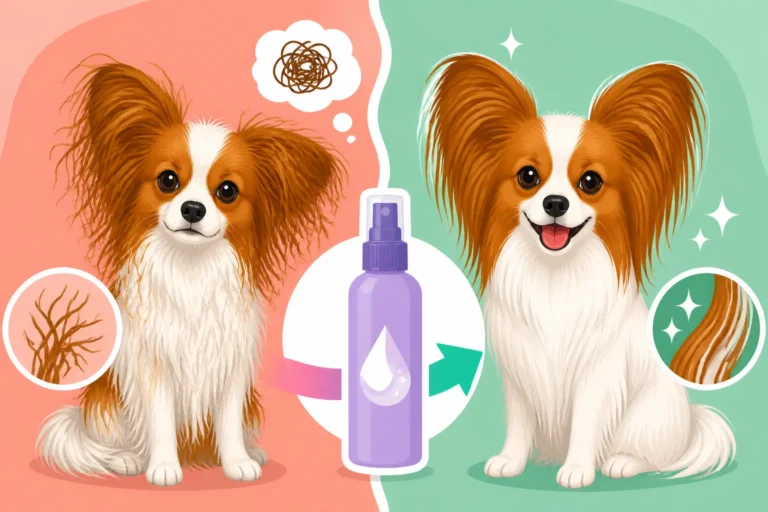
Imagine your Papillon prancing through dew-laden grass, or perhaps doing their business in a slightly less-than-pristine patch of yard. Those long, fine hairs around their backside, often called "culottes" or "breeches," act like miniature mops or magnets. They’ll readily collect anything from bits of grass and burrs to, most problematically, fecal matter. This isn't just unhygienic; it can lead to tangles, discomfort, and even skin issues if left unaddressed.
Why the Feathering Matters for Hygiene
The delicate feathering around a Papillon's rear end is a particular culprit for accumulating mess. This isn't coarse, thick hair that simply repels dirt; it's fine, soft, and long enough to drape around the anal area. When your Papillon squats to do their business, these hairs can easily come into contact with stool. Even if the stool is firm, small particles can get caught. If the stool is soft or a bit messy – which happens to every dog occasionally – then you're looking at a much bigger issue.
Beyond just unsightly mess, matted fur in this area can become a significant health concern. It creates a warm, moist environment perfect for bacteria to thrive, potentially leading to skin infections or discomfort. It also makes your dog incredibly unpleasant to be around, and nobody wants a dog tracking "presents" through the house after they've been outside. Addressing this feathering is not about altering the breed standard, but about ensuring your beloved companion's practical day-to-day comfort and health. It’s a key part of responsible ownership, especially when you consider Caring for an Aging Papillon who might not be as flexible or capable of cleaning themselves.
Why a Sanitary Trim Is More Than Just Aesthetics for Your Papillon
For many Papillon owners, the idea of trimming their dog's beautiful coat can feel a bit counter-intuitive, especially since the breed standard emphasizes their flowing locks. However, a sanitary trim isn't about altering their look for the show ring; it's a practical, essential part of their health and hygiene regimen. It directly impacts their comfort and can prevent several common issues.
Preventing Fecal Matter Accumulation
Let's face it, this is the primary, most pressing reason for a sanitary trim. A Papillon’s long, silky hair around their rear can easily get fouled by feces. Whether it's a perfectly formed stool that just catches a few strands or a softer bowel movement that becomes a complete disaster, the result is the same: bits of poop cling to the fur. This isn't just gross for you; it's incredibly uncomfortable and unhygienic for your dog.
Imagine having tangled, sticky material constantly pulling on sensitive skin. It can cause irritation, itching, and even pain. Furthermore, a Papillon, being a meticulous little creature, will try to clean themselves. This can lead to them ingesting fecal matter and whatever bacteria comes with it, potentially causing digestive upset or other health problems. A short, clean area around their anus means there's simply nothing for waste to cling to, making cleanup easier and your dog much happier. It also prevents those dreaded "poop trails" that can appear on your carpets or furniture, a frustration every owner of a long-haired dog knows well.
Maintaining Overall Cleanliness and Health
Beyond the immediate mess, neglecting the sanitary area can have broader health implications. Fecal matter trapped in fur creates a breeding ground for bacteria. This can lead to skin irritations, redness, and even painful infections around the anus and on the inner thighs. Matted fur in this area also restricts airflow, trapping moisture and making these problems worse. You might notice your Papillon scooting their rear on the ground more often, not just due to anal gland issues, but simply because of irritation from matted, dirty fur.
A clean sanitary area also contributes to a generally fresher-smelling dog. Let's be honest, few things are as unpleasant as a dog that carries a persistent "poop smell" because of a constantly soiled rear. Regular trimming, combined with routine bathing and How Often a Papillon's Fringes Need Washing, will significantly improve your dog's overall hygiene and make them a more pleasant companion. This small step can prevent a cascade of issues that impact both your dog's well-being and your household's cleanliness.
Easing Grooming and Maintenance
Think about your daily routine with your Papillon. You're likely already spending time on general brushing to prevent mats in their beautiful coat. A sanitary trim integrates seamlessly into this routine and actually makes the rest of your grooming easier. When the hair around the rear is kept short, you don't have to spend precious minutes trying to untangle, clean, or even cut out mats of caked-on fecal matter.
This ease of maintenance is particularly valuable for older Papillons, who may have less control over their bladder or bowels, or simply can't groom themselves as effectively. For them, a sanitary trim isn't just about cleanliness; it's about dignity and comfort. It also makes those occasional "oops" moments much simpler to clean up. Instead of a full bath and a battle with scissors, a quick wipe with a damp cloth or pet-safe wipe (you can find great options on Chewy or Amazon) might be all that's needed. This proactive step helps to keep your Papillon's coat in prime condition everywhere, making your regular grooming sessions for Why a Papillon's Long Coat Takes Twenty Minutes a Week far more efficient and pleasant for both of you.
Your Step-by-Step Guide to a Safe Papillon Sanitary Trim
Trimming your Papillon's sanitary area might sound daunting, especially if you're new to grooming, but with the right tools and a careful approach, it's absolutely manageable. The key is to prioritize safety and make it a calm, positive experience for your little one.
Gathering Your Tools
Before you even think about picking up the clippers, make sure you have everything you need laid out. This preparation helps ensure a smooth process and minimizes stress for both you and your Papillon.
- Small, Quiet Clippers: This is crucial. For a Papillon, you’ll want a cordless, quiet pair of clippers with a fine blade, often a #10 blade is recommended for sensitive areas. Look for models specifically designed for pet grooming that run quietly to avoid startling your dog. Brands like Wahl or Andis often have good options available on Amazon or Chewy. Avoid using human hair clippers, as they can pull and snag fine pet fur, causing pain.
- Blunt-nosed Scissors: While clippers are preferred for the main trimming, a small pair of blunt-nosed scissors can be useful for any stray hairs or if you're nervous about using clippers in a very delicate spot. The blunt tips are a safety feature, reducing the risk of accidental pokes.
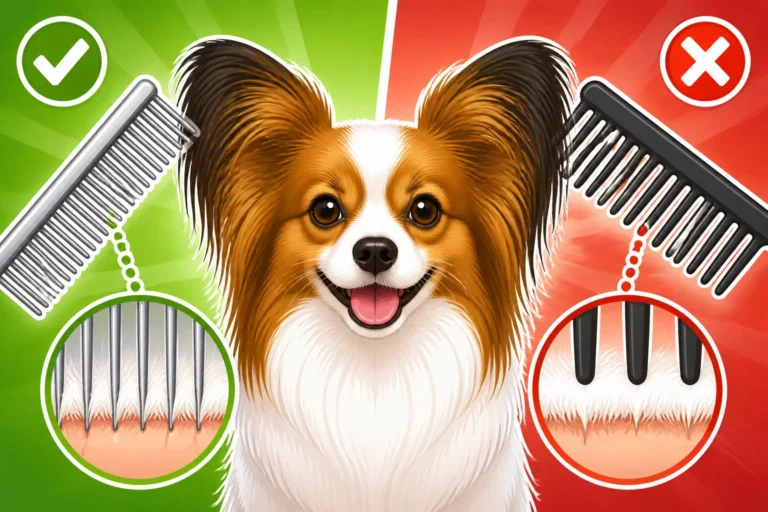
- Fine-toothed Comb: A small comb is essential for separating the fur and checking for mats before you start trimming. This allows you to identify exactly what needs to be cut and to ensure the fur is untangled.
- Grooming Wipes or Damp Cloth: Have these on hand for cleaning the area before you trim, especially if there's any existing dried debris. This makes for a cleaner cut and helps prevent bacteria from entering any tiny nicks.
- Treats: Lots of them! Positive reinforcement is your best friend when grooming. Make this a positive experience with plenty of praise and rewards.
- Grooming Table (Optional but Recommended): A non-slip surface at a comfortable working height can make a world of difference, allowing you to have both hands free and better control over your Papillon.
Always ensure your clippers are clean, sharp, and well-oiled. Dull blades can pull fur and cause discomfort or even skin irritation.
Step-by-Step Trimming Process
Once you have your tools ready and your Papillon is calm, you can begin the trim. Remember, patience is key, and taking breaks if your dog gets anxious is always a good idea.
- Prepare the Area: Gently lift your Papillon's tail and assess the area. Use your comb to carefully brush away from the anus, checking for any mats. If you find any significant mats, try to gently work them out with your fingers and comb first. If they are too tight or painful, you may need to use your blunt-nosed scissors to carefully snip them out, always pointing the tips away from the skin. Clean any dried debris with a grooming wipe.
- Position Your Papillon: Have your Papillon stand on a non-slip surface. You might find it easiest to have them stand on a grooming table or a sturdy kitchen counter (with a non-slip mat) so you don't have to bend too much. Gently lift their tail straight up and over their back, keeping it out of the way. If your dog is comfortable, you might gently hold one of their back legs slightly forward to create a flatter, more accessible surface, but never force it.
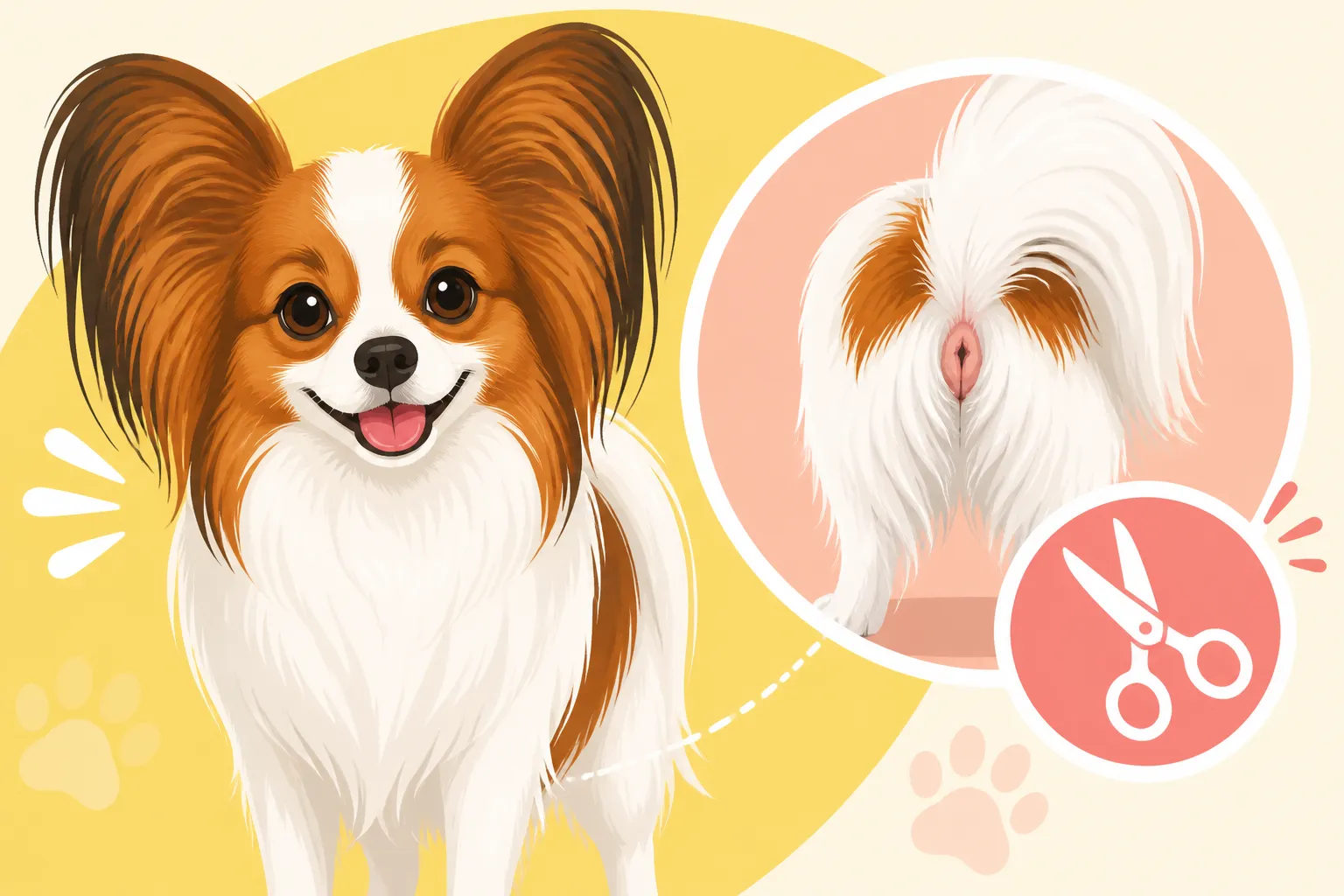
- The Actual Trim: Hold the clippers flat against the skin, moving them with the grain of the fur. You want to trim a small circle around the anus, typically about one to two inches in diameter. Your goal is to remove any hair that could come into contact with feces. Be very gentle and move slowly. Use just the tip of the blade for precision, never pressing down hard. Some owners prefer to gently spread the skin taut with one finger to ensure a flat surface for the clippers, but again, only if your dog tolerates it. Remember, you're not trying to create a bald patch, just a neat, clean border.
- Check and Refine: Once you've done the initial trim, put the clippers down and visually inspect your work. Run your fingers over the trimmed area to check for any uneven spots or missed hairs. You can use your blunt-nosed scissors to carefully snip away any remaining longer hairs that might still pose a problem. Be extra cautious here, always pointing the scissors away from the dog and using only the tips. A common mistake is trying to get it "perfect" on the first try; it's better to take off too little than too much.
Remember to offer praise and treats throughout the process. Make it quick, efficient, and as positive as possible.
Frequency and Ongoing Care
A sanitary trim isn't a one-and-done job. How often your Papillon needs this trim depends on several factors: how fast their hair grows, their activity level, and how prone they are to getting messy. Generally, most Papillons benefit from a sanitary trim every 4-6 weeks. However, if your Papillon has particularly fast-growing hair or has had a bout of soft stools, you might need to do it more frequently.
Between trims, regularly check the area. A quick daily inspection when you let them outside or bring them back in can catch any issues early. If you notice any redness, irritation, or persistent odor, it's time to investigate further. Consistent How Often a Papillon Needs Brushing and regular full-body grooming will also help keep the entire coat healthy and minimize the risk of mats forming near the sanitary area, which can make future trims more challenging. Maintaining a healthy diet also contributes to firm stools, making the job a lot easier!
Knowing When to Call in the Grooming Professionals
While many Papillon owners can confidently handle a sanitary trim at home, there are definitely times when enlisting the help of a professional groomer or even your vet is the smartest, safest, and often least stressful option for both you and your furry friend.
Recognizing When It's Beyond DIY
Sometimes, a simple sanitary trim can escalate into a situation that's better handled by someone with more experience and specialized tools. For example, if your Papillon is particularly squirmy, anxious, or vocal during grooming, trying to hold them still while wielding sharp clippers can be incredibly dangerous. A nervous dog increases the risk of accidental cuts, which can be painful and lead to infection. If you find yourself wrestling with your dog more than actually trimming, it’s a clear sign you might need professional intervention.
Another common scenario is when you discover significant matting around the sanitary area. These aren't just small tangles; they can be tight, dense clumps of fur that pull on the skin and are incredibly difficult and painful to remove at home. Attempting to cut out severe mats with scissors can easily result in cutting the skin underneath, which is often thin and delicate. Furthermore, if your Papillon has developed any skin irritation, redness, or an unusual odor in the area, it's best to consult your veterinarian before attempting any trimming. They can rule out underlying medical issues or suggest appropriate treatments before grooming proceeds. Sometimes, issues like What a Papillon's Yearly Bloodwork Should Cover might reveal other health concerns impacting their skin or coat.
The Benefits of a Professional Groomer
Professional groomers are trained not just in technique, but also in handling different dog temperaments and identifying potential issues. They have specialized, high-quality equipment that makes the job faster, safer, and more efficient than what most home groomers possess. Their quiet, professional-grade clippers and sharp blades ensure a clean cut without pulling, reducing discomfort for your Papillon.
A professional groomer can also provide a full-service experience that includes bathing, drying, and a thorough check for any other mats or skin problems, especially in hard-to-reach areas like behind the ears or under the legs Where a Papillon Mats. They can ensure the entire coat is in top condition, not just the sanitary area. If your Papillon is a show dog, a professional can also trim the sanitary area discreetly without impacting the overall aesthetics of their flowing coat, maintaining their presentation. They can also offer advice on Whether a Papillon Needs a Professional Groomer for overall coat care. While the cost of a professional groom might seem like an added expense, the peace of mind, safety, and expertise it provides are often well worth it, especially if it prevents an expensive trip to the vet for an accidental injury or skin infection.
| Feature | DIY Sanitary Trim | Professional Sanitary Trim |
|---|---|---|
| Cost | Initial investment in clippers/scissors | Recurring fee per groom (check local groomer for specific costs) |
| Convenience | Can be done at home on your schedule | Requires appointment, travel to groomer |
| Equipment | Basic pet clippers, blunt-nosed scissors, comb | Professional-grade quiet clippers, diverse tools, grooming table |
| Expertise/Safety | Requires owner's learning and carefulness; higher risk of injury if dog is uncooperative | Groomer's experience reduces risk, handles nervous dogs with skill |
| Results | Adequate for hygiene, may not be perfectly even | Clean, precise, and often aesthetically pleasing |
| Additional Benefits | Strengthens owner-dog bond (if positive experience) | Full groom, mat checks, skin assessment, expert advice |
| Best For | Calm dogs, minor upkeep, routine maintenance | Nervous dogs, severe matting, first-timers, full coat maintenance |
Disclaimer
This article is for general informational purposes only and does not constitute professional advice. Laws, prices and regulations vary by location and change over time. Consult a qualified professional for guidance on your specific situation.