How Long a Papillon Can Stay Out in Cold
It’s a real challenge, isn’t it, having a tiny, spirited Papillon who loves to be outside, but you’re constantly battling the elements, especially when winter rolls around. You want them to enjoy their walks and adventures, but the worry about them getting too cold too quickly can really cast a shadow over those crisp, beautiful days. This guide is all about helping you understand how long your delicate Papillon can safely stay out in the cold and what you can do to keep them cozy and happy, even when the temperatures drop.
Understanding Your Papillon's Cold Tolerance
Let's be honest, our Papillons are not built for extreme cold like a Husky or a Newfoundland. They are elegant, fine-boned creatures, and their beautiful coats, while long and flowing, don't offer the same insulation. It's a fundamental truth that smaller dogs, and especially those with less dense coats, lose body heat much faster than their larger, furrier counterparts.
That Single, Silky Coat
One of the first things to understand about a Papillon's vulnerability to cold is their coat type. Unlike many cold-weather breeds, Papillons have what's known as a single coat. This means they lack the thick, insulating undercoat that acts as a natural thermal layer, trapping warm air close to their body. Their glorious, silky topcoat provides some protection, certainly, but it's primarily for show and modest warmth, not for braving blizzards. When you consider What a Papillon's Coat Is Made Of, you quickly realize it's more akin to human hair than a dense protective fur. This is a big reason Why a Papillon Has No Undercoat, which makes them feel the chill much more acutely. You might notice the wind cutting right through it, even on a moderately cold day, making them shiver and seek warmth.
Tiny Body, Big Heat Loss
It’s simple physics, really: smaller bodies have a larger surface area relative to their mass. Think about it – your Papillon, weighing in at just a few pounds, has a lot of skin exposed to the cold air compared to a large dog with the same amount of fur per square inch. This means they radiate heat away from their body at an accelerated rate. Their little paws, ears, and tails are particularly susceptible to the cold because they have less fat and muscle to insulate them. This is especially true for the smaller Papillons, as What a Papillon Weighs and How Tall It Stands can vary quite a bit, and a five-pounder will get colder faster than a ten-pounder. It’s a constant battle for their tiny systems to maintain core body temperature when the environment is trying its best to steal that warmth away.
Factors Influencing Cold Tolerance
It's not just a blanket temperature that dictates how long your Papillon can be outside. Several factors play a significant role, and understanding them can help you make better decisions for your furry friend.
Age and Health
Just like with people, a Papillon's age and overall health profoundly impact their ability to handle the cold. Puppies, with their underdeveloped thermoregulation systems and lower body fat, can get dangerously cold very quickly. Their bodies simply aren't as efficient at generating and retaining heat. Similarly, senior Papillons often have a harder time with the cold. They might have thinning coats, less muscle mass, or underlying health conditions like arthritis that are exacerbated by chilly temperatures. Caring for an Aging Papillon often means extra attention to their warmth and comfort. An older Papillon with a heart condition or any chronic illness will feel the cold much more intensely and be at higher risk for complications from prolonged exposure. Even a seemingly minor ailment can significantly reduce their ability to cope.
Activity Level and Acclimation
How much your Papillon is moving can also make a big difference. A Papillon actively running and playing will generate more body heat than one standing still or walking slowly. This is why a quick, vigorous play session might be tolerated better than a leisurely stroll on a cold day. However, even during activity, their heat loss is still a factor. Furthermore, dogs can acclimate to cold to a certain extent. If your Papillon lives in an area with consistently mild winters and then is suddenly exposed to a harsh cold snap, they will likely struggle more than a Papillon who has gradually adjusted to progressively colder weather throughout the season. Don't push them too hard to "toughen up," though; listen to their cues. How Much Exercise a Papillon Needs is important, but always tempered by conditions.
Wind, Wet, and Snow
The actual temperature on the thermometer is only part of the story. Wind chill, for instance, can make a moderately cold day feel absolutely freezing to your little dog. Wind strips away the thin layer of warm air trapped near their body, leading to rapid heat loss. The same goes for wet conditions. A wet coat, whether from rain, melting snow, or even damp ground, will draw heat away from their body incredibly fast, making them far more susceptible to hypothermia. Even just walking through wet grass can be enough to chill them to the bone. Snow also presents its own challenges. While many Papillons love to prance through fresh powder for a few minutes, prolonged exposure, especially if the snow is wet or turns to ice, can lead to frostbite on their delicate paws and ears. Whether a Papillon Can Walk in Snow really depends on the type of snow and the duration.
Recognizing Signs of Cold Stress
Being able to read your Papillon's body language is crucial when you're out in chilly weather. They can't tell you in words that they're cold, so it's up to us to notice the subtle and not-so-subtle cues they give. Missing these signs can quickly turn a fun outing into a dangerous situation.
Shivering and Hunching
The most obvious sign that your Papillon is getting too cold is shivering. This is their body's automatic response to try and generate heat through muscle contractions. While a little shiver upon first stepping outside might be normal as they adjust, persistent or intense shivering means they are truly struggling to stay warm. Alongside shivering, you might notice them hunching their body, tucking their tail between their legs, or lifting their paws off the cold ground one by one. This posture is an attempt to minimize their exposed surface area and conserve precious body heat. They might also pull their ears back flat against their head, another sign of trying to warm up. Whether an Old Papillon Feels the Cold is especially important to watch for these subtle signs, as their metabolism might be slower.
Seeking Shelter and Whining
Beyond the physical signs, behavioral changes are also strong indicators of cold stress. If your Papillon is trying to turn around and head home, pulling towards a sheltered spot, or actively trying to get you to pick them up, they are communicating their discomfort loud and clear. Whining or making soft, distressed noises can also be a sign they are unhappy with the cold. They might even become unusually subdued or lethargic, which is a more serious sign of being overly chilled. If they suddenly lose interest in their walk or appear less energetic than usual, it's time to cut the outing short and get them somewhere warm immediately. Your Papillon trusts you to keep them safe, and these subtle nudges are their way of asking for help.
Practical Strategies for Cold Weather Outings
So, what can we do to ensure our Papillons can still enjoy the crisp air without risking their health? It's all about preparation and mindful management.
The Importance of Protective Gear
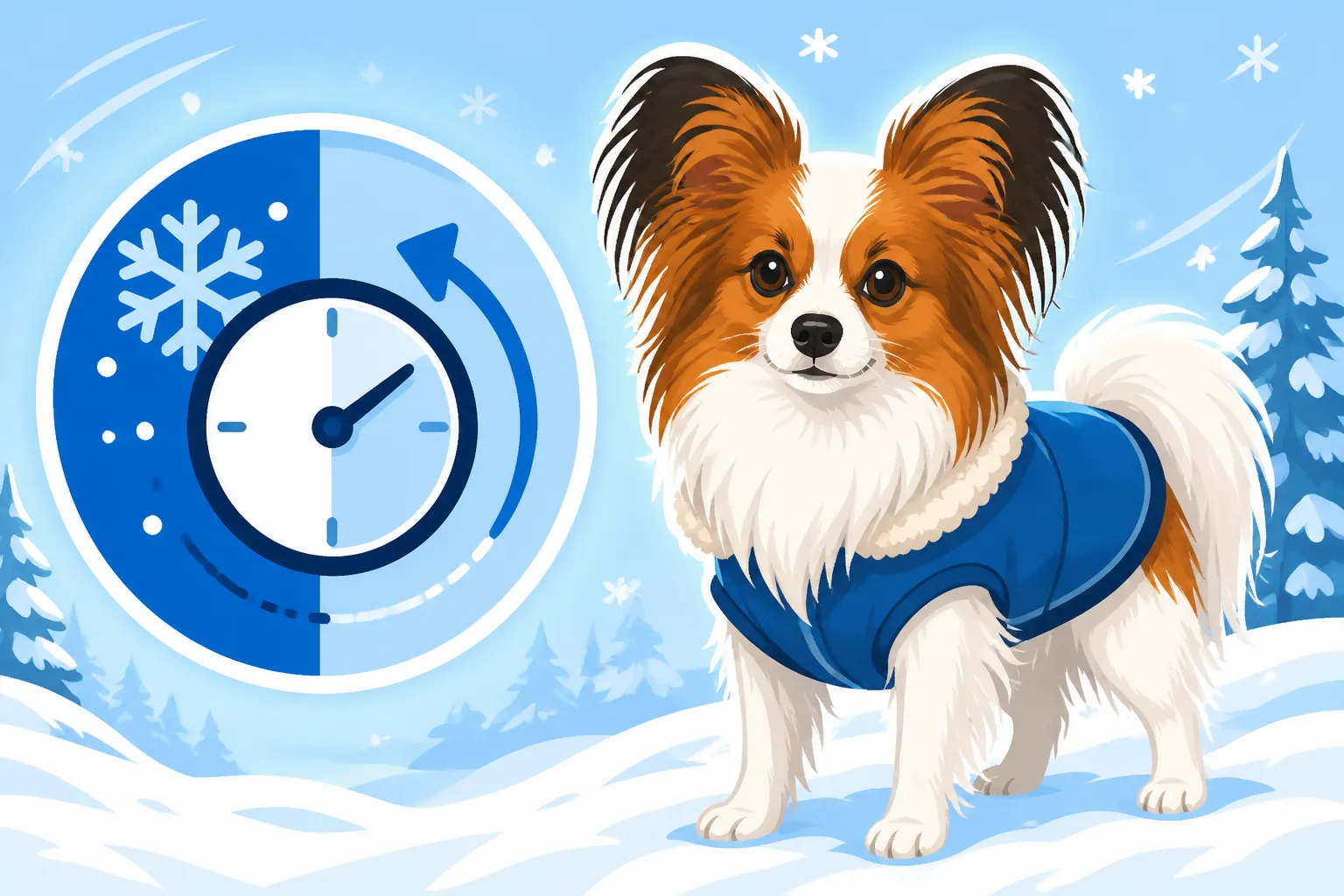
This is where your Papillon's wardrobe becomes more than just fashion – it's a necessity! A good quality sweater or, even better, a waterproof and insulated coat, can make a world of difference. Look for coats that cover their belly and extend from their neck to the base of their tail for maximum warmth. Brands like Chewy and Amazon offer a wide variety of options specifically designed for smaller breeds, with features like fleece lining or water-resistant exteriors.
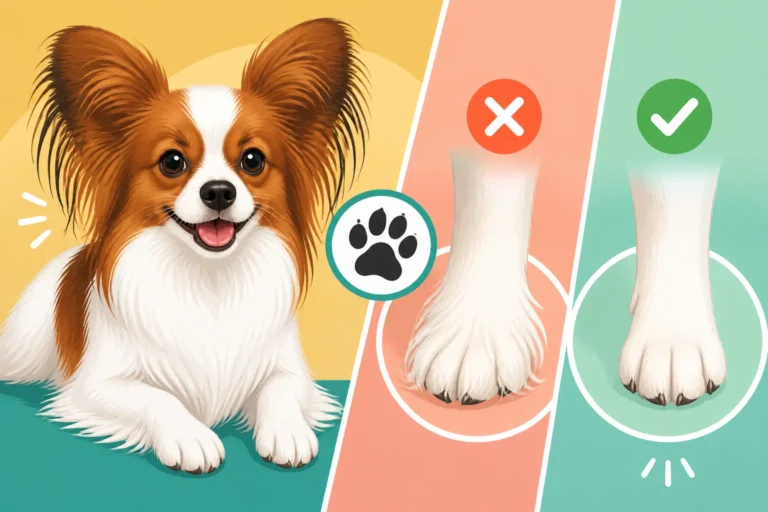
Booties are also incredibly important, especially if you live in an area where roads or sidewalks are salted, which can irritate or burn their paws. Booties protect against cold ground, ice, and harsh chemicals. It might take a little patience to get your Papillon used to wearing them, but the protection they offer is invaluable. Remember, Whether a Papillon Needs a Coat in Winter isn't really a question if you want them to be comfortable and safe.
Keeping Walks Short and Purposeful
On genuinely cold days, those long, meandering strolls might need to be put on hold. Instead, aim for shorter, more frequent outings that are primarily for potty breaks and a quick burst of vigorous activity. For instance, a 10-15 minute walk where they are trotting or even running might be more beneficial and safer than a 30-minute slow meander where they are just standing around sniffing. Observe your Papillon closely. If they start to shiver, slow down, or try to head home, it's time to turn around. Pay extra attention to puppies and senior dogs; their limits will be even shorter. Remember that on days when it's truly frigid, even five minutes can be enough if they're not adequately protected.
Post-Walk Warm-Up Routine
Once you're back inside, don't just immediately let them wander off. A quick warm-up routine can help ensure they fully recover from the cold exposure. Gently towel-dry any damp areas on their coat, especially their ear fringes and feet. If their paws feel particularly cold, you might even hold them in your hands for a moment or rub them gently to promote circulation. Offer them a small, high-value treat to help replenish any expended energy – perhaps a bit of their regular meal, or a nutrient-dense option from a brand like Ollie, which often includes quality proteins. Make sure they have a warm, comfortable bed or a cozy blanket to burrow into. This allows their body temperature to return to normal gradually and prevents them from getting chilled indoors.
When to Stay Indoors
There are certainly times when, despite our best intentions and all the gear in the world, staying inside is simply the safest and most responsible choice for your Papillon.
Dangerously Low Temperatures
While every dog is different, general guidelines suggest that once temperatures drop below freezing (32°F or 0°C), smaller breeds like Papillons are at increased risk. When the mercury dips to around 20°F (-6°C) or lower, the risk of hypothermia and frostbite becomes significant, even with protective clothing and short outings. At these temperatures, brief potty breaks are all that should be attempted, and even then, your Papillon should be monitored very closely. If you start to feel uncomfortably cold yourself, imagine how your tiny companion is feeling. It's truly a matter of safety over routine when the weather is that severe.
Ice, Sleet, and Harsh Wind Chill
Beyond just the temperature, specific weather conditions can make even a "mildly" cold day treacherous. Ice and sleet can make surfaces incredibly slippery, posing a risk for falls and injuries, especially for a breed prone to What Patellar Luxation Does to a Papillon. A strong wind chill can make a relatively warm temperature feel much colder, significantly increasing the rate of heat loss from your Papillon's body. These conditions demand extra caution. If the wind is howling or there’s a risk of slipping, keeping your Papillon indoors is the best decision for their physical well-being. A vigorous indoor play session or some brain games can easily substitute for an outdoor walk on these days, keeping them happy and stimulated without any unnecessary risks.
| Temperature Range | Risk Level for Papillons | Recommended Action |
|---|---|---|
| Above 45°F (7°C) | Low | Most Papillons are fine; monitor for individual sensitivity. Normal walks, consider a light coat for sensitive dogs. |
| 32°F – 45°F (0°C – 7°C) | Moderate | Essential to wear a warm coat. Limit walks to 15-20 minutes, watch for shivering. Keep moving. |
| 20°F – 31°F (-6°C – -1°C) | High | Full winter coat and booties are crucial. Keep outings very brief (5-10 minutes) for potty breaks only. Active movement is key. |
| Below 20°F (-6°C) | Dangerous | Avoid prolonged outdoor exposure entirely. Only quick potty breaks, with full gear. Risk of hypothermia/frostbite is very high. |
Disclaimer
This article is for general informational purposes only and does not constitute professional advice. Laws, prices and regulations vary by location and change over time. Consult a qualified professional for guidance on your specific situation.