Whether an Aging Papillon Needs Softer Food
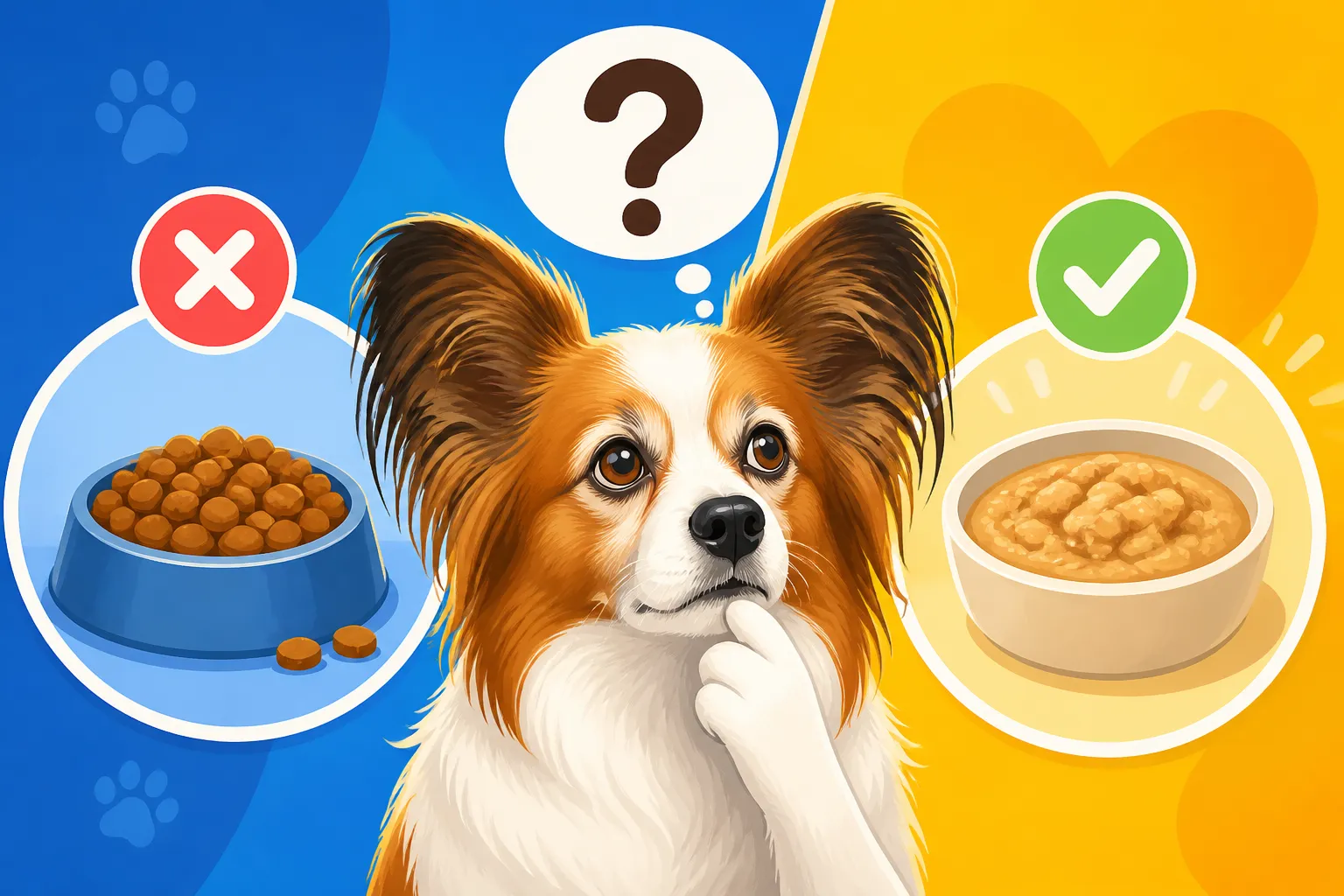
One of the trickiest parts of sharing your life with a senior Papillon is watching them change, and nowhere is this more apparent than when it comes to their eating habits. You might find your once-enthusiastic eater now sniffing at their bowl, or perhaps they’re taking an unusually long time to finish a meal. It’s natural to wonder if their beloved crunchy kibble is becoming too much for them, leading many of us to ask: does an aging Papillon truly need softer food? This guide is here to walk you through the signs, reasons, and considerations for adjusting your senior Papillon’s diet.
Understanding the Changes in an Aging Papillon's Mouth and Body
As our beloved Papillons enter their golden years, typically considered senior around 10-11 years old, their bodies undergo a lot of subtle shifts. These changes aren't always obvious at first glance, but they can significantly impact how they interact with their food. It's not just about energy levels; it's about internal mechanics, particularly what's happening inside their small mouths.
The Inevitable Decline in Dental Health
Let's be brutally honest: most Papillons, despite our best efforts, will face some degree of dental issues as they age. Their tiny jaws are often prone to overcrowding, which creates perfect little traps for food particles and bacteria to accumulate. This leads to plaque, tartar, gum inflammation (gingivitis), and eventually, periodontal disease. It's a progressive problem, and by the time they're seniors, many will have already lost several teeth or have significantly painful teeth remaining.
Imagine trying to crunch on a hard biscuit when you have a toothache, or when your gums are sore and bleeding. That's often what our senior Papillons are silently enduring. They might still attempt to eat their regular kibble because they're hungry and don't want to disappoint you, but the act itself can be excruciating. You might notice them chewing more slowly, dropping pieces of food, or only using one side of their mouth. These are all subtle cues that their teeth are causing them trouble. Even if you've been diligent with brushing – and let's face it, How Often a Papillon's Teeth Need Brushing is something many of us struggle to keep up with perfectly – the small jaw structure simply makes them predisposed to these issues. The Teeth in a Papillon's Small Jaw are delicate and need our careful attention throughout their lives, but especially as they age.
Other Age-Related Factors Affecting Appetite and Digestion
Beyond the teeth, a senior Papillon's entire digestive system can become less efficient. Metabolism slows down, nutrient absorption might not be as robust, and their sense of smell and taste can dull. A hard, dry kibble that once smelled enticing might now seem bland or too difficult to manage.
Older dogs can also experience a range of other health conditions that affect their desire or ability to eat. Arthritis, for instance, can make standing at a bowl painful, or make holding their head down uncomfortable. Kidney disease or liver issues might cause nausea and reduce appetite. Even cognitive decline can lead to changes in eating patterns. While not directly about "softer food," these factors can make a dog more reluctant to eat, and a more palatable, easier-to-chew option might be the difference between them eating enough or going hungry. Caring for an Aging Papillon involves monitoring all these subtle changes.
When to Consider Softer Food Options for Your Senior Papillon
It's not a universal rule that every senior Papillon must switch to soft food, but it's crucial to be observant and proactive. The decision often comes down to recognizing the signs your individual dog is giving you.
Signs Your Papillon Might Be Struggling with Hard Kibble
Your Papillon is a master of hiding discomfort, a trait common in many small breeds. They don't want you to know they're in pain, so you need to be a detective. Look for these subtle indicators:
- Reluctance to eat: They approach their bowl but hesitate, or only pick at their food half-heartedly.
- Dropping food: Kibble falls out of their mouth as they try to chew.
- Chewing on one side: You might notice them favoring one side of their mouth, or performing awkward chewing motions.
- Taking longer to eat: Meals that used to be inhaled are now a slow, drawn-out process.
- Whining or pawing at mouth: A more overt sign of oral pain.
- Bad breath: While common in Papillons due to their dental structure, a sudden worsening can indicate an infection or advanced disease.
- Weight loss: If they're not eating enough due to discomfort, weight loss is an unfortunate consequence.
- Changes in mood or energy: Chronic pain, even from teeth, can make a dog more irritable, withdrawn, or lethargic. Remember, How a Papillon Hides Pain means you need to watch very carefully.
If you're seeing any of these signs, it's definitely time for a veterinary check-up. A thorough dental examination, possibly under sedation, might reveal abscesses, loose teeth, or severe periodontal disease that needs attention. Addressing the underlying dental issues is paramount, but in the interim, and especially if extractions are needed, softer food will be a godsend. Indeed, How Common Dental Disease Is in Papillons means this scenario is, sadly, very likely.
Evaluating Your Papillon's Dental Health
A visual inspection at home can give you clues, but it's no substitute for a vet's examination. Gently lift your Papillon's lips and look at their gums and teeth. Do you see a heavy buildup of brown or yellow tartar? Are the gums red, swollen, or bleeding? Are any teeth discolored, broken, or wobbly? Even if you can't see anything obvious, remember that pain can stem from below the gumline. Many older Papillons eventually reach a point where Whether a Papillon Loses Teeth Early becomes a reality, making softer food a necessity.
Here's a quick guide to some common indicators that your senior Papillon's dental health might be deteriorating, and that softer food could be beneficial:
| Sign of Dental Trouble | What It Means | Implication for Food Texture |
|---|---|---|
| Visible Tartar Build-up | Plaque hardened, often leads to gum inflammation | Hard kibble can be abrasive/painful |
| Red/Swollen Gums | Gingivitis, early stage of gum disease | Chewing may cause discomfort/bleeding |
| Loose or Missing Teeth | Advanced periodontal disease, painful chewing surface | Hard kibble impossible to grasp/chew |
| Foul Breath | Bacterial infection in mouth | Generally indicates pain/infection |
| Dropping Food While Chewing | Difficulty grasping or breaking down food | Suggests kibble is too hard |
| Chewing Only on One Side | Pain or missing teeth on the other side | Uneven chewing, hard kibble difficult |
Even if your Papillon still has all their teeth, they might be worn down or sensitive. Imagine you've had a lifetime of chewing hard things; even healthy teeth can become more vulnerable to pressure.
Transitioning to Softer Foods: Options and Best Practices
If you and your vet decide that a softer diet is the way to go for your senior Papillon, you have several avenues to explore. It's not a one-size-fits-all solution, and what works for one dog might not work for another. The key is a gradual transition and finding what your particular Papillon thrives on.
Types of Softer Foods Available
There's a whole world of soft food options out there beyond just canned dog food.
- Canned Wet Food: This is often the first go-to for obvious reasons. It's highly palatable, easy to chew, and typically has a strong aroma that can entice a dog with a fading sense of smell. Make sure to choose a high-quality senior formula if possible, or one with appropriate nutrient levels for a less active dog. Brands often carry specific senior lines or formulas designed for sensitive stomachs, which can be found easily on sites like Chewy or Amazon.
- Soaked Kibble: If you want to keep using your Papillon's current kibble, you can soften it. Add warm water or a low-sodium broth to their regular kibble and let it sit for 10-15 minutes until it becomes mushy. This maintains the familiar taste and nutrient balance while making it much easier to chew. This is a great first step, especially if your Papillon is finicky about new foods.
- Fresh or Gently Cooked Diets: Services like Ollie, or even home-cooked meals prepared with veterinary guidance, can offer a highly palatable and soft option. These meals often consist of cooked meats, vegetables, and grains, providing a fresh texture and appealing aroma. If you opt for home-cooked, be very careful to ensure nutritional completeness, as imbalances can lead to serious health problems. Always work with your veterinarian or a veterinary nutritionist to formulate a balanced recipe.
- Prescription Diets: If your Papillon has underlying health conditions like kidney disease, liver disease, or severe gastrointestinal issues, your vet might recommend a prescription wet food designed to manage those specific ailments. These are formulated to provide targeted nutritional support while also being easy to eat.
How to Introduce New Textures and Flavors
Just like with any diet change, introducing softer food should be a gradual process to avoid upsetting your Papillon's stomach.
- Start Slow: Begin by mixing a small amount of the new soft food with their current kibble. Over several days, gradually increase the proportion of soft food while decreasing the kibble. This gives their digestive system time to adjust.
- Warm it Up: Gently warming wet food (ensure it's not hot) can enhance its aroma and make it even more appealing, especially for older dogs whose sense of smell might be diminished.
- Consistency is Key: Once you find a soft food option they like and tolerate well, try to stick with it. Frequent changes can lead to digestive upset or pickiness.
- Monitor Intake: Pay close attention to how much your Papillon is eating. If they're suddenly devouring their meals, it's a good sign they appreciate the easier-to-eat texture. If they're still hesitant, you might need to try a different flavor or consistency.
- Hydration: Wet food contains more moisture than kibble, which is a bonus for senior dogs who might not drink as much water as they used to. However, always ensure fresh water is available.
Remember that What Changes in an Aging Papillon's Care often includes dietary adjustments, and this might be one of the most important ones.
Beyond Softer Food: Holistic Care for the Senior Papillon
While softer food can dramatically improve your senior Papillon's quality of life, it's just one piece of the puzzle. Holistic care for an aging dog involves addressing all their needs, from their physical comfort to their mental well-being.
Maintaining Optimal Nutrition and Weight
Even with softer food, ensuring your Papillon gets all the necessary nutrients is crucial. Senior dogs often have different caloric and nutrient requirements than their younger counterparts. They might need fewer calories if their activity level has decreased to prevent unhealthy weight gain, or they might need more if they're struggling with muscle loss. Look for senior-specific formulas that balance protein, fat, and fiber, and consider consulting your vet about supplements.
Many senior foods available on Chewy and Amazon are formulated with added joint support ingredients like glucosamine and chondroitin, which can be beneficial for aging joints, especially if your Papillon has a history of What Patellar Luxation Does to a Papillon. How Much an Adult Papillon Eats might change, so monitoring their weight and adjusting portions is essential. If your Papillon needs a bit more encouragement, sometimes adding a small amount of a tasty, dog-safe broth or even plain cooked meat can help. Be mindful, however, of over-supplementing or giving too many treats, as this can unbalance a carefully formulated diet. For example, some owners choose to add pureed pumpkin to their dog's food, which is easy to find on Amazon, but it's important to remember balance.
Regular Veterinary Check-ups and Dental Care
Regular vet visits become even more critical as your Papillon ages. These check-ups allow your vet to monitor their overall health, catch any budding issues early, and provide guidance on diet, pain management, and other age-related concerns. Dental Work Over a Papillon's Long Life is a recurring theme for this breed, and ongoing professional dental cleanings (as appropriate for their age and health) combined with home care remain important, even if they're on a soft diet. Your vet can advise on whether further dental procedures are feasible or necessary, and if antibiotics or anti-inflammatory medications are needed to manage oral pain.
Even if your Papillon is on soft food because of dental issues, gentle home care, like wiping their gums with a soft cloth or using a dental rinse, can still help maintain oral hygiene. Remember, if your Papillon has reached the point of Feeding a Papillon With Few Teeth, you're already doing a great job adapting to their needs.
Environmental Adjustments and Comfort
Beyond food, think about their environment. Are their food and water bowls easily accessible? Some senior dogs, especially those with arthritis, might benefit from elevated bowls so they don't have to stoop as much. Do they have a comfortable, supportive bed that's easy to get into and out of? Non-slip rugs on hard floors can prevent slips and falls that could exacerbate joint pain, making it easier for them to navigate to their food.
Keeping them mentally stimulated with gentle play and puzzle toys (filled with soft, spreadable treats!) can also help maintain their appetite and overall well-being. Even small changes, like ensuring their favorite sleeping spot is warm and draft-free, can make a big difference. An aging Papillon's coat, while still beautiful, might not be as insulating, so ensuring they are warm is part of their What an Aging Papillon's Coat Looks Like care plan too.
Ultimately, deciding Whether an Old Papillon Needs Softer Food is a collaborative journey between you and your veterinarian, guided by the unique needs and signals of your beloved companion. By being attentive and adaptable, you can ensure their golden years are as comfortable and happy as possible.
Disclaimer
This article is for general informational purposes only and does not constitute professional advice. Laws, prices and regulations vary by location and change over time. Consult a qualified professional for guidance on your specific situation.