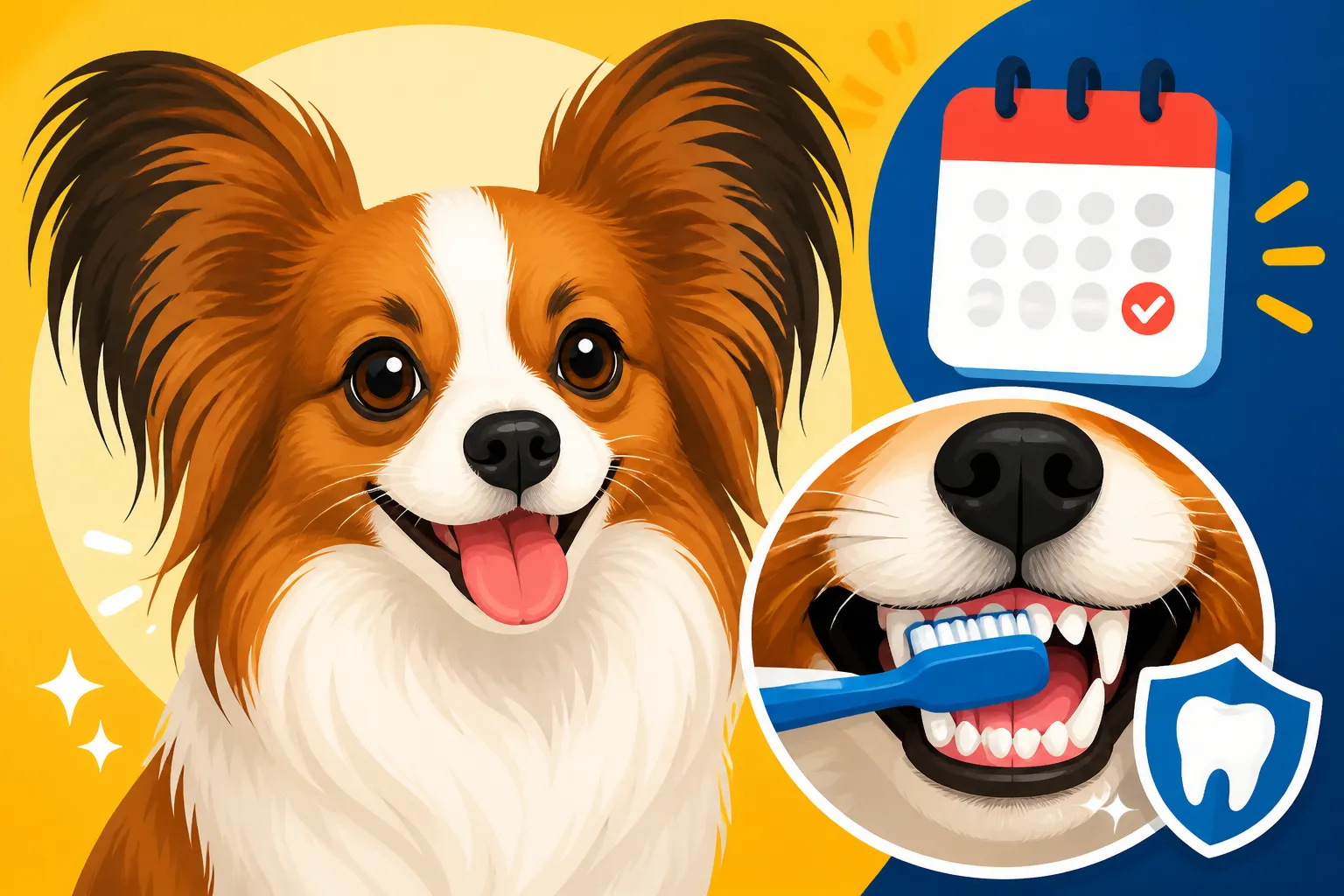
How Often a Papillon’s Teeth Need Brushing
One of the most common worries I hear from fellow Papillon parents is about their little dog's teeth. It's a real struggle, isn't it? Those tiny mouths often lead to crowded teeth and a rapid buildup of plaque and tartar, making dental disease almost inevitable if we don't intervene. You might be wondering, with all the products out there and conflicting advice, just how often you really need to brush your Papillon's teeth to keep them healthy. This guide is going to dive deep into what's truly effective, why it's so important, and how to establish a routine that actually works for you and your beloved butterfly dog.
The Unique Dental Challenges of Papillons
Before we even talk about brushing frequency, it's crucial to understand why Papillons, and many other small breeds, face an uphill battle when it comes to oral health. It's not just bad luck; there are anatomical and genetic reasons that put our dainty friends at a higher risk for dental disease.
The Crowded Canvas: Why Small Jaws Mean Big Problems
Imagine trying to fit a full set of adult human teeth into a child's mouth – it simply wouldn't work, right? Well, that's essentially what happens with many small breeds like our Papillons. They have the same number of teeth as a much larger dog, often 42, but those teeth are crammed into a significantly smaller jaw. This crowding means that teeth frequently overlap, rotate, or are simply too close together.
These tight spaces create perfect little crevices where food particles love to get stuck, and where bacteria can thrive undisturbed. A toothbrush, no matter how small, struggles to reach these nooks and crannies effectively, making cleaning a real challenge. The enamel surfaces aren't exposed properly to the natural cleansing action of the tongue or even chewing, which leaves them vulnerable. This anatomical quirk is a primary reason why you might notice Why a Papillon's Jaw Crowds Its Teeth. It's a setup for accelerated plaque accumulation, and it means we, as their caregivers, have to be extra vigilant and proactive.
Rapid Plaque and Tartar Accumulation
It’s a frustrating reality that plaque and tartar seem to build up on a Papillon's teeth at an astonishing rate compared to larger dogs. Plaque is that soft, sticky film of bacteria that forms constantly on tooth surfaces. If it’s not removed within about 24-48 hours, it begins to mineralize, hardening into tartar (or calculus). Once tartar forms, you can’t simply brush it away; it requires professional scaling by a veterinarian.
For Papillons, this process often feels like it's on fast-forward. The crowded teeth we just discussed provide more surface area and more sheltered spots for plaque to take hold and mature into tartar. Additionally, the chemistry of a small dog’s saliva can sometimes contribute to faster mineralization. This means that a few missed days of brushing can quickly lead to visible yellow or brown deposits, especially on the outside surfaces of the upper canines and molars. This rapid progression is a key factor in understanding How Early Tartar Appears on a Papillon and why consistency in home care is so paramount.
Genetic Predisposition to Dental Disease
Beyond the physical structure of their mouths, some Papillons may also have a genetic predisposition to certain types of dental issues or a faster onset of periodontal disease. While specific genes for accelerated periodontal disease in Papillons haven't been as widely publicized as, say, genes for retinal atrophy or luxating patellas, it’s a common observation among breeders and vets that some lines simply have "worse" teeth than others, even with identical care.
This genetic component doesn't mean all hope is lost, but it does mean that for some Papillons, our efforts need to be even more diligent. It underscores the importance of not only consistent home care but also regular veterinary check-ups to monitor their oral health closely. If you've ever felt like you're doing everything right and still fighting a losing battle with your Papillon's teeth, this genetic factor might be playing a role. It highlights why How Common Dental Disease Is in Papillons can be surprisingly high, even for well-cared-for dogs.
The Gold Standard: Daily Brushing for Optimal Health
When it comes to brushing your Papillon's teeth, there’s a clear consensus among veterinary dental specialists: daily is best. I know, I know – for many of us, that sounds like a daunting task to add to an already busy schedule. But let's break down why this seemingly ambitious frequency is genuinely the ideal goal.
Why Daily Brushing Isn't Just a Suggestion
Think about your own teeth. If you skip brushing for a day or two, you can feel that fuzzy film, right? That's plaque. The same thing happens with your Papillon. Plaque starts forming on tooth surfaces almost immediately after eating. As mentioned, it takes roughly 24 to 48 hours for this soft, sticky plaque to begin mineralizing and turning into hard, unbrushable tartar. This is why daily brushing is not just a strong suggestion, but truly the most effective way to prevent that mineralization process from ever gaining a foothold.
By brushing every single day, you are consistently removing plaque before it has a chance to harden into tartar. This regular removal is what truly interrupts the cycle of dental disease. It means less professional dental work down the line, potentially fewer painful extractions, and a healthier mouth overall for your sweet companion. Daily brushing directly addresses Why a Papillon's Teeth Need Brushing Daily, cutting off the problem at its source rather than trying to manage the symptoms once tartar has formed. It’s an investment of a few minutes each day that pays dividends in their long-term health and comfort.
What Happens When You Skip Days
Life happens, and sometimes daily brushing just doesn't happen. Maybe you're traveling, or your Papillon is feeling under the weather, or you just had one of those days. It's okay, we've all been there. But understanding the implications of skipping days can help us stay motivated. When you miss a day, that plaque starts to harden. Miss two or three days, and you'll likely start to see faint yellowish deposits, especially along the gumline. These are early tartar formations.
Once tartar is present, it acts like a rough surface, giving even more plaque something to cling to, accelerating further buildup. It also creates a barrier, trapping bacteria against the gums and leading to inflammation – the first stage of gingivitis. If gingivitis isn't addressed, it can progress to periodontal disease, affecting the deeper structures supporting the teeth, eventually leading to bone loss and tooth mobility. Even a few skipped days here and there can quickly contribute to a significant buildup over weeks and months, making your job much harder and increasing the likelihood that your Papillon will need a professional dental cleaning under anesthesia much sooner.
Building a Consistent Routine
Establishing a daily brushing routine might seem overwhelming, but it's entirely achievable with patience and positive reinforcement. The key is consistency and making it a pleasant experience for your Papillon, not a battle. Start small, even if it's just touching the toothbrush to their teeth for a few seconds. Gradually increase the duration as they become more comfortable. Choose a consistent time of day – perhaps right after their last meal, or before bed – so it becomes a predictable part of their day.
Reward them heavily after each session, even the short ones! A favorite treat, enthusiastic praise, or a quick game can make all the difference. Many Papillons are highly food-motivated, so a special dental treat reserved only for post-brushing can work wonders. Remember, you're building a habit for both of you. It's often easier to introduce this early on, so Teaching a Papillon Puppy to Be Handled All Over from a young age is incredibly beneficial, making future dental care much smoother. Don't be discouraged by initial resistance; persistence with positive methods truly pays off.
Recognizing the Signs of Trouble: Beyond Bad Breath
While daily brushing is the goal, it's also essential to be vigilant and recognize the signs that your Papillon's oral health might be deteriorating, even with your best efforts. Dental disease in dogs is often called a "silent killer" because many of the painful issues go unnoticed until they are advanced. Bad breath is the most commonly recognized symptom, but it's far from the only one, and often indicates a problem that's already progressed quite a bit.
Visible Indicators of Dental Distress
Beyond just sniffing your Papillon's breath (which, let's be honest, can range from "doggy" to "downright offensive"), take a regular peek inside their mouth. This isn't always easy, especially if they're not used to it, but try to lift their lip and get a good look at their gums and teeth. What you're looking for includes:
- Tartar Buildup: Yellowish, brown, or even greenish-black crusts on the teeth, especially near the gumline and on the outer surfaces of the back molars and canines.
- Red, Swollen, or Bleeding Gums: Healthy gums should be a pale pink (though pigmentation can vary). Red, puffy, or inflamed gums are a sign of gingivitis. If they bleed easily when touched or brushed, that's a red flag.
- Receding Gums: As periodontal disease progresses, the gum tissue can pull away from the tooth roots, exposing them and making them vulnerable.
- Loose or Missing Teeth: This is a sign of advanced disease and often means significant bone loss around the tooth. Sometimes, Whether a Papillon Loses Teeth Early is directly linked to chronic, untreated periodontal disease.
- Pus: While less common, you might see pus at the gumline or around a tooth, indicating an abscess or severe infection.
- Discolored Teeth: Dark spots or a general dullness can indicate decay or a dead tooth, though true cavities like humans get are less common in dogs.
Any of these signs warrant a call to your vet, even if you’re diligently brushing. Your home care is vital, but sometimes issues develop that only a professional can address.
Behavioral Changes Linked to Oral Pain
Our Papillons are masters at hiding pain. It's an instinctual survival mechanism from their wild ancestors. They won't usually cry or whine because their teeth hurt. Instead, you might notice subtle changes in their behavior or eating habits. These can be easily missed or attributed to other things, so pay close attention.
Look out for:
- Reluctance to Eat or Chewing Difficulties: They might drop food, chew only on one side of their mouth, or simply refuse kibble they once loved. They might prefer softer foods or shy away from hard treats.
- Paw at Their Mouth or Face: This is a clear indicator that something is bothering them in that area.
- Excessive Drooling or Dropping Food: Increased drooling, especially if it's bloody, or food falling out of their mouth while eating.
- Bad Breath (Halitosis): While common, truly foul breath often indicates a significant bacterial load and infection in the mouth.
- Changes in Demeanor: They might become more irritable, less playful, or withdraw from interaction, especially if their mouth is sore. They might flinch if you try to touch their face or head.
- Weight Loss: If eating becomes too painful, they might not consume enough calories, leading to gradual weight loss.
These behavioral clues are just as important as the visible signs. If your Papillon is normally a voracious eater and suddenly turns picky, or if they seem unusually subdued, always consider their dental health as a potential culprit.
The Systemic Impact of Untreated Dental Disease
It’s easy to think of dental problems as "just a mouth issue," but the truth is, an unhealthy mouth can have serious repercussions for your Papillon's entire body. The mouth is a gateway to the rest of the system. The bacteria thriving in an infected mouth don't stay put; they can enter the bloodstream.
Once in the bloodstream, these bacteria can travel to vital organs, potentially causing infections or inflammation in the heart, kidneys, and liver. For instance, chronic dental disease has been linked to heart conditions, particularly bacterial endocarditis, where bacteria infect the heart valves. Similarly, persistent bacterial exposure can put a strain on the kidneys and liver, organs crucial for filtering toxins and waste. Dental Work Over a Papillon's Long Life isn't just about preserving teeth; it's about protecting these essential organs and contributing to their overall lifespan and quality of life. Ignoring dental disease isn't just about bad breath or lost teeth; it's about risking your Papillon's general health and well-being.
Essential Tools and Techniques for Papillon Dental Care
Now that we understand the "why," let's get into the "how." Having the right tools and knowing how to use them effectively are crucial for making daily brushing a success with your small Papillon. Don't worry, it's not as complicated as it sounds, but selecting the right equipment makes a huge difference.
Choosing the Right Brush and Toothpaste
You wouldn't use a human toothbrush on your tiny Papillon, would you? Well, I sure hope not! Their mouths are simply too small for those big bristles. The most important thing is finding a toothbrush that fits comfortably into your Papillon's mouth and allows you to reach all tooth surfaces.
- Finger Brushes: These slip over your finger and are a great starting point, especially for puppies or very sensitive dogs. They allow you to feel the teeth and gums directly, which can be less intimidating than a traditional brush. Many of these are readily available on sites like Amazon.
- Small Dog Toothbrushes: Look for brushes specifically designed for toy breeds. These usually have a very small head, often with angled bristles, to navigate those crowded Papillon jaws. Some come with a dual-ended design, offering different head sizes.
- Electric/Sonic Toothbrushes for Dogs: Yes, they exist! These can be highly effective, but they typically require a dog that's already comfortable with brushing, as the vibration can be a bit much for a beginner.
- Gauze Pad: If a brush is truly impossible, wrapping a piece of sterile gauze around your finger and gently scrubbing the teeth can remove some plaque. It’s not as effective as a brush but better than nothing.
As for toothpaste, this is absolutely crucial: NEVER use human toothpaste on your dog. Human toothpaste contains fluoride and other ingredients that are toxic if swallowed, and dogs don't spit! Always use a veterinary-specific enzymatic toothpaste, which is safe to swallow and often comes in appealing flavors like poultry, beef, or peanut butter. These enzymatic formulas actually help break down plaque and bacteria, even after you've finished brushing. You can find a wide variety of these safe, palatable toothpastes on sites like Chewy or at your local pet supply store.
Mastering the Brushing Technique for Tiny Mouths
Once you have your tools, it's time to learn the technique. Remember, gentleness and patience are key. Papillons are delicate, and their mouths are sensitive.
- Start Slow and Positive: Begin by letting your Papillon lick a tiny bit of the dog-specific toothpaste off your finger. Then, introduce the brush gently, letting them taste the paste from it. The goal is to create a positive association.
- Focus on the Outside Surfaces: Most plaque and tartar accumulate on the outer surfaces of the teeth, especially the molars and canines, which are easier to access. You don't necessarily need to brush the inside surfaces every time, as the tongue and saliva do a decent job there.
- Lift the Lip: Gently lift your Papillon's lip to expose the teeth and gumline. Hold the brush at a 45-degree angle to the gumline, aiming the bristles where the tooth meets the gum. This is where bacteria lurk.
- Gentle Circular Motions: Use small, gentle circles to brush the teeth. Don't scrub vigorously; you could irritate the gums. Focus on one or two teeth at a time, moving gradually around the mouth.
- Target the Back Teeth: The molars at the back of the mouth often accumulate the most tartar. Make sure to reach these. How to Reach a Papillon's Back Teeth often involves guiding the brush carefully, sometimes using your other hand to gently pull the cheek back.
- Duration: Aim for at least 30 seconds to a minute on each side of the mouth, or a total of two minutes if possible. Even 30 seconds of effective brushing is better than nothing!
- Reward Generously: Finish every brushing session with praise, affection, and a favorite treat. Make it clear that they did a good job.
Consistency is more important than perfection, especially when you're starting out. Even if you only manage to brush a few teeth effectively each day, you're making a huge difference.
Introducing Brushing to a Papillon Puppy or Reluctant Adult
It’s always easier to start dental care when they are young. A puppy is much more adaptable to new sensations and routines.
- Puppies: Start when they are very young, even before their adult teeth come in. Get them used to having your fingers in their mouth, gently touching their gums and baby teeth. Use a finger brush or a small piece of gauze. Associate it with positive experiences like play or treats. By the time their adult teeth arrive, they'll be accustomed to the routine, making Teaching a Papillon Puppy to Be Handled All Over a breeze for dental care and other grooming.
- Reluctant Adults: If you have an adult Papillon who isn't thrilled about having their teeth brushed, don't despair! It will take more time and patience, but it's possible.
- Phase 1: Acceptance of Touch: Start by simply touching their muzzle, then their lips. Reward heavily for calm acceptance. Gradually introduce touching their gums with your finger.
- Phase 2: Introduction to Toothpaste: Once they tolerate mouth handling, let them lick the enzymatic toothpaste off your finger. Make it a tasty treat.
- Phase 3: Introduce the Brush: Apply a tiny bit of toothpaste to the brush and let them lick it. Then, gently try to brush just one or two teeth for a second or two. Build up gradually.
- Keep it Short and Sweet: Initially, prioritize positive association over thoroughness. End the session before they get truly agitated.
- Professional Help: If your Papillon is genuinely aggressive or extremely fearful about brushing, consult with your vet or a certified professional dog trainer. They can offer personalized advice and techniques.
Never force the issue to the point of causing distress or fear. You want this to be a positive experience that contributes to their well-being, not a source of anxiety.
Complementary Dental Strategies: Supporting Your Brushing Efforts
While daily brushing is the cornerstone of good oral hygiene for your Papillon, it's not the only tool in your arsenal. There are several complementary strategies that can help reduce plaque and tartar, freshen breath, and support overall dental health. Just remember, these are generally supportive measures, not replacements for brushing.
Dental Chews and Toys: What Works and What Doesn't
Many owners reach for dental chews and toys, hoping they'll do all the work. The truth is, some can be beneficial, while others offer little to no real dental benefit, and some can even be detrimental.
- Effective Dental Chews: Look for chews that are specifically designed to reduce plaque and tartar, often indicated by a veterinary oral health seal of approval (like the VOHC seal in the US). These chews typically have a texture that scrapes plaque off the tooth surface as the dog chews, or they may contain ingredients that inhibit plaque formation. Brands like Greenies or OraVet chews are popular options. Remember that Whether Dental Chews Help a Papillon depends heavily on their formulation and your dog's chewing style. If your Papillon just gulps them down, they won't have much effect. Also, factor in the calories; these are treats, and even tiny Papillons can gain weight easily. You can often find these specialized chews on Chewy or at pet stores.
- Dental Toys: Toys made of durable rubber or nylon with nubs or ridges can offer some mechanical cleaning action, especially if infused with dental enzymes or paste. Chewing on appropriate toys can help strengthen gums and remove loose debris. However, they are generally less effective than dedicated dental chews or brushing.
- What to Avoid:
- Hard Bones (Raw or Cooked): These can fracture teeth, leading to painful and expensive extractions.
- Antlers or Hooves: Similar to bones, these are extremely hard and pose a significant risk of tooth fractures.
- "Dental" treats with high sugar content: These can actually contribute to dental problems.
- Rope Toys: While fun, they can fray and ingestible pieces can cause digestive issues. They also don't offer much in the way of significant plaque removal.
Always supervise your Papillon with any chew or toy, especially new ones, to ensure they chew safely and don't break off pieces that could become a choking hazard or lead to digestive upset.
Water Additives and Oral Rinses
For Papillons who are particularly resistant to brushing, or as an added layer of defense, water additives and oral rinses can be considered.
- Water Additives: These are liquids you add to your dog's drinking water, designed to reduce bacteria in the mouth and slow down plaque formation. They typically contain ingredients like zinc gluconate or chlorhexidine. They are tasteless and odorless, so most dogs don't notice them. The benefit here is that they work continuously throughout the day as your Papillon drinks. However, they are not a substitute for mechanical cleaning (brushing). They help manage the bacterial load but won't remove existing plaque or tartar. Think of them as supplemental protection, not a primary solution.
- Oral Rinses/Wipes: These are applied directly to the gums and teeth. Oral rinses are usually squirted into the mouth, while wipes are used to physically wipe down the teeth. Like water additives, many contain antimicrobial agents to reduce bacteria and freshen breath. Wipes offer a slight advantage over rinses in that they provide a very light mechanical action, but again, they can't get into all the nooks and crannies like a toothbrush. They can be a good option for owners who simply cannot get their dog to tolerate a brush, as a "better than nothing" approach. Many such products are available from online retailers like Amazon.
When using any of these products, always ensure they are specifically formulated for dogs and follow the manufacturer's instructions carefully.
Diet and Its Role in Dental Health
While a proper diet won't magically eliminate the need for brushing, it can certainly play a supportive role in your Papillon's dental health.
- Kibble Size and Texture: Some larger kibble pieces are marketed as "dental diets" because their size and texture are designed to scrape the tooth surface as the dog crunches, providing a mild abrasive action. However, Papillons have tiny mouths, so they need kibble that they can actually pick up and chew effectively. Which Kibble a Papillon Can Actually Pick Up is a real consideration. If they swallow it whole, there's no dental benefit.
- Fresh Food/Raw Diets: There's a lot of debate about whether fresh food, raw food, or even specific raw meaty bones improve dental health. Proponents suggest that the natural chewing involved with raw meaty bones helps clean teeth more effectively than kibble. However, caution is advised. Raw bones carry risks of bacterial contamination, choking, and tooth fractures. Cooked bones are an absolute no-go. If considering a raw diet or raw bones for dental purposes, always consult with a holistic vet or veterinary nutritionist to ensure it's done safely and provides balanced nutrition. For those interested in high-quality, fresh food options, services like Ollie offer tailored meal plans, though their primary benefit is nutrition, not direct dental cleaning.
- Avoiding Sugary Treats and Table Scraps: Just like in humans, sugary foods can contribute to tooth decay. While dogs don't get cavities in the same way, the sugars feed the bacteria in their mouths, accelerating plaque formation. Stick to dog-specific treats, and be mindful of what human foods you share.
Ultimately, diet can be a piece of the puzzle, but it won't replace the targeted, mechanical removal of plaque that brushing provides.
| Method | Ideal Frequency | Primary Dental Benefit | Key Limitations |
|---|---|---|---|
| Daily Brushing | Daily | Most effective plaque removal before tartar | Requires consistency, dog cooperation, proper technique |
| Dental Chews/Treats | Daily/Several times a week | Mechanical abrasion, some enzymatic action | Not a brushing substitute, calorie content, effectiveness varies by chew/dog |
| Water Additives | Daily (with fresh water) | Inhibits plaque bacteria in drinking water | Minimal removal of existing plaque/tartar, doesn't replace mechanical action |
| Oral Rinses/Wipes | Daily/Few times a week | Reduces oral bacteria, freshens breath | Surface-level cleaning, doesn't reach all areas, less effective than brushing |
| Professional Cleaning | 1-3 years (as needed) | Removes all plaque/tartar (above & below gumline), addresses pathology | Requires general anesthesia, cost, not preventative for future buildup |
When Professional Intervention Becomes Necessary
Despite our best efforts with daily brushing and complementary home care, most Papillons will still need professional dental cleanings at some point in their lives. This isn't a reflection of your care; it's a testament to the challenges inherent in their breed and the pervasive nature of dental disease. Professional cleanings play a crucial role in maintaining their long-term oral health.
The Importance of Regular Veterinary Check-ups
Your annual (or sometimes twice-yearly for seniors) veterinary check-up is more than just shots and a quick listen to the heart. It's a critical opportunity for your vet to assess your Papillon's overall health, including their oral cavity. During these exams, your vet will perform a conscious oral examination, looking for signs of gingivitis, tartar buildup, missing or broken teeth, and any other abnormalities.
Based on what they find, they might recommend a professional dental cleaning. Don't view this as a failure of your home care, but rather as a necessary step in comprehensive health management. Your vet can spot issues you might miss, especially those in the back of the mouth or subtle changes in the gums. They can also offer personalized advice on improving your home care routine or suggest specific products tailored to your Papillon's needs. These regular assessments are vital in determining How Often a Papillon Needs a Dental Cleaning and catching problems before they become severe and more painful for your dog.
Understanding Professional Dental Cleanings
A professional dental cleaning for a dog, much like a human dental visit, involves scaling and polishing the teeth. However, for dogs, this procedure is always performed under general anesthesia. Why anesthesia? Because dogs, unlike humans, won't willingly hold still with their mouths open while sharp instruments are used to scrape tartar from below the gumline. Anesthesia ensures the procedure is pain-free, stress-free, and most importantly, safe and thorough.
During a professional dental cleaning, your vet or a veterinary technician will:
- Perform a thorough oral exam: Once under anesthesia, a more detailed examination of each tooth and the entire oral cavity can be done, including probing around the gumline to check for pockets indicative of periodontal disease.
- Scale the teeth: Using ultrasonic and hand scalers, they will meticulously remove all plaque and tartar from above and, critically, below the gumline. This subgingival cleaning is impossible to achieve at home and is vital for preventing and treating periodontal disease.
- Polish the teeth: After scaling, the teeth are polished to smooth out any microscopic etches left by the scaling. This creates a smooth surface that makes it harder for plaque to adhere, slowing down future buildup.
- Dental X-rays: Often, dental X-rays are taken to assess the health of the tooth roots and surrounding bone structures, which are hidden beneath the gumline. This helps identify issues like abscesses, bone loss, or unerupted teeth that wouldn't be visible to the naked eye.
- Extractions (if necessary): If significant dental disease, fractures, or other pathology is found, affected teeth may need to be extracted. Your vet will discuss these findings with you before or during the procedure.
The cost of professional dental work, especially if extractions are involved, can be a concern for many owners. It’s worth looking into What a Papillon's Annual Dental Costs and planning for this important expense, as it directly impacts their comfort and long-term health.
Preparing for a Dental Procedure: Bloodwork and Anesthesia
The thought of your small Papillon going under anesthesia for a dental cleaning can be nerve-wracking, and that's completely understandable. It’s a common worry for Papillon owners, especially given how delicate these little dogs can seem. However, modern veterinary anesthesia protocols are very safe, and your vet will take many precautions to minimize risks. Anesthesia and a Five Pound Papillon is a significant consideration, and vets are well-versed in managing the unique needs of small breeds.
Before any anesthetic procedure, your vet will recommend a pre-anesthetic blood panel. This bloodwork is essential because it checks your Papillon's organ function (especially liver and kidneys), red and white blood cell counts, and other vital parameters. This helps ensure that their internal organs are healthy enough to metabolize the anesthetic drugs and that there are no underlying issues that could complicate the procedure. It also allows the vet to tailor the anesthetic protocol specifically for your dog. For example, if kidney values are slightly off, they might choose different medications or adjust fluid rates. Whether a Papillon Needs Bloodwork Before a Dental is almost universally recommended for safety.
On the day of the procedure, you'll typically be asked to withhold food for several hours beforehand, but usually not water, to prevent vomiting during induction of anesthesia. Your Papillon will be monitored closely throughout the entire procedure by a trained veterinary technician, using equipment similar to what's used for humans, including ECG, blood pressure monitors, pulse oximetry, and temperature control. Small dogs like Papillons can get cold easily, so maintaining body temperature is critical. Intravenous fluids are usually administered to help maintain blood pressure and support organ function during anesthesia.
While no anesthetic procedure is 100% risk-free, the benefits of a thorough dental cleaning almost always outweigh the risks, especially given the significant health problems that untreated dental disease can cause. Discuss any concerns you have with your vet; they can walk you through the entire process and help you feel more comfortable about this vital aspect of your Papillon's care.
Disclaimer
This article is for general informational purposes only and does not constitute professional advice. Laws, prices and regulations vary by location and change over time. Consult a qualified professional for guidance on your specific situation.