Whether a Papillon’s Tail Plume Mats
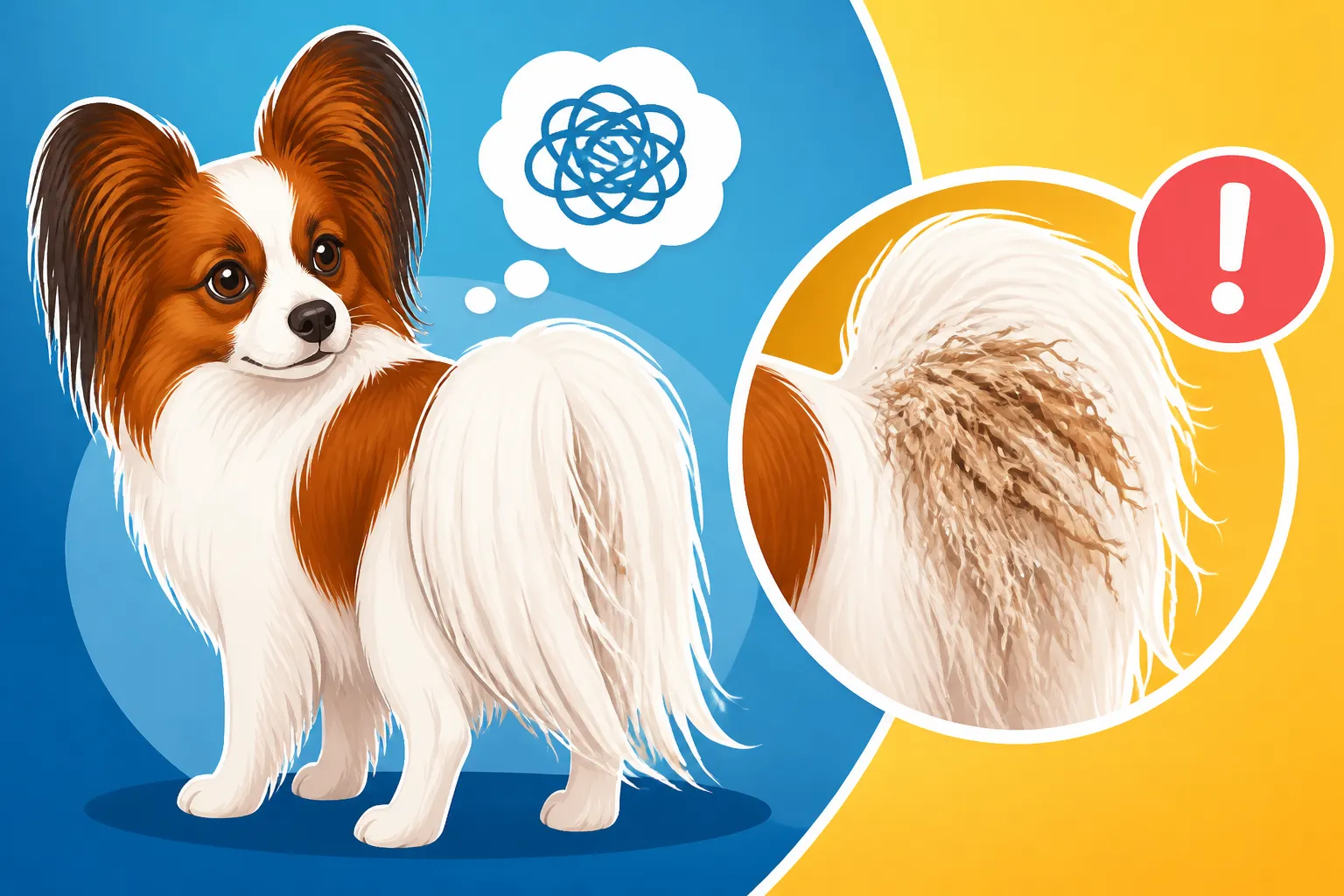
That magnificent, flowing tail plume on your Papillon is undeniably one of their most striking features, often resembling a squirrel's bushy tail carried proudly over their back. But if you've ever found yourself wondering if this glorious flag of fur is destined to become a tangled mess, you're not alone. The truth is, while stunning, the Papillon's tail plume absolutely can and will mat if not given the right attention. This guide will walk you through exactly why those beautiful tail feathers are prone to tangles and, more importantly, how you can prevent and deal with them, ensuring your little butterfly dog's tail remains as regal as ever.
Understanding the Papillon's Unique Tail Plume
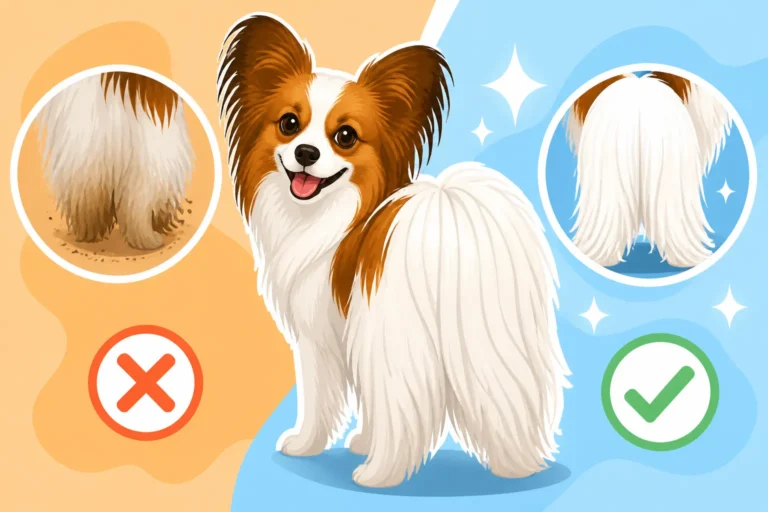
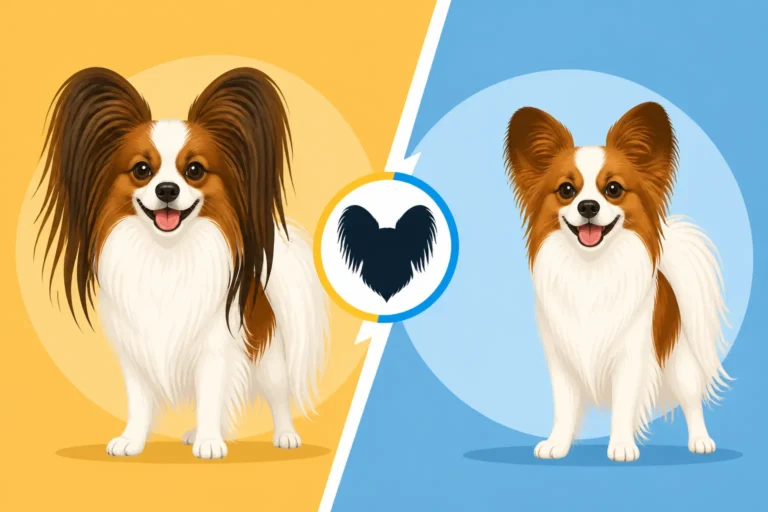
The Papillon's tail isn't just a tail; it's a statement. It's carried high over the back, fanned out in a graceful arch, and covered in long, silky hair that often reaches down to the hocks. This is what we lovingly call the "plume," and it's a defining characteristic of the breed, a direct part of The Plume, the Culottes and a Papillon's Chest Frill. Unlike many double-coated breeds, the Papillon has a single coat, described as fine, silky, and flowing. This lack of a dense undercoat means their hair doesn't shed in great clumps like some dogs, which can give a false sense of security about matting.
The Anatomy of the Plume and Its Texture
Imagine silk threads, individually fine but plentiful, all waving in the breeze. That's essentially what your Papillon's plume is like. Each strand is soft and delicate. While this makes their coat incredibly appealing to touch and gives it that luxurious sheen, it also means these fine hairs are more susceptible to friction and static electricity. They tangle easily, much like human hair, especially when left unattended. This isn't a flaw in the breed; it's just the nature of such a beautiful, flowing coat.
How the Tail Carriage Contributes to Potential Mats
The way a Papillon carries its tail is part of its charm, but it's also a significant factor in matting. Because the plume lies over the dog's back, it's constantly exposed to various elements and activities. It rubs against furniture when they sit, sweeps the floor as they walk, and gets caught under them when they curl up to nap. This constant contact, friction, and compression are prime conditions for the fine hairs to knot and bind together, forming mats that can quickly become tight and painful. It's a double-edged sword: the magnificent carriage that defines the Papillon's silhouette is also what makes its plume a hotspot for tangles.
Why the Plume is Prone to Matting
It's not just the texture or the carriage; several daily factors can turn that lovely plume into a matted mess faster than you might think. Understanding these causes is the first step in prevention. Owners often wonder How Often a Papillon Needs Brushing, and the tail plume is a key part of that answer.
Friction and Compression: The Main Culprits
Think about how often your Papillon's tail comes into contact with things. When they sit on your lap, the couch, or their dog bed, the plume is pressed against a surface. When they walk through tall grass, romp in the park, or even just brush past your legs, it experiences friction. Each of these interactions, especially repeated over time, causes the individual hairs to intertwine and snag. This is particularly true for older dogs who might spend more time resting or puppies who are constantly exploring and getting into everything. The plume becomes a natural collection point for loose hair, dirt, and debris, all contributing to those stubborn tangles.
Environmental Factors and Lifestyle
Beyond simple friction, the environment plays a huge role. A rainy day means a damp plume, and wet hair mats more easily as it dries. Walking through muddy puddles or dusty trails means dirt and tiny burrs can get trapped in the long strands. Even household factors like static electricity from carpets or dry air in winter can make the plume prone to tangling. If your Papillon loves to burrow under blankets, the constant movement and rubbing can create knots. Furthermore, if your dog goes to dog parks or interacts with other playful pups, that tail is a tempting target for a nip or a playful tug, which can instantly turn a smooth plume into a knotted disaster.
Lack of Regular Grooming and the Papillon Coat
Perhaps the biggest reason for matting, especially in the plume, is inconsistent grooming. The Papillon's single coat, while beautiful, requires regular attention. Many people mistakenly think a dog without an undercoat doesn't need much brushing, but with their fine, long, silky hair, nothing could be further from the truth. Without daily or at least every-other-day brushing, the natural shedding of individual hairs, combined with dirt and friction, creates a perfect storm for mats to form. These start as small tangles, almost invisible, but quickly tighten into dense, painful knots that pull on the skin. This isn't just about aesthetics; mats can cause skin irritation, infections, and discomfort for your dog.
Preventing Mats in Your Papillon's Tail
Preventing mats is far easier and less painful than trying to remove them. It all comes down to consistent, gentle care. Establishing a routine is key to keeping that plume magnificent.
Daily Brushing: Your First Line of Defense
For a Papillon's plume, daily brushing is non-negotiable. It truly only takes a few minutes, but those minutes make all the difference. You'll want to use the right tools: a good quality pin brush, often followed by a metal comb. Start at the tip of the tail and work your way up towards the base, gently teasing out any small tangles. Always brush in layers, lifting the top coat and brushing the hair underneath first. This ensures you're getting down to the skin and not just gliding over the surface, which is a common mistake that leaves mats forming secretly closer to the skin. Pay special attention to where the tail meets the body, as this area experiences a lot of movement and friction. Regularly brushing also helps distribute natural oils, keeping the coat healthy and shiny. For quality brushes, you can find a great selection on Chewy or Amazon, ensuring you have the right tools for the job.
Using the Right Tools and Products
Having the correct grooming tools is crucial. A Which Brush a Papillon Needs guide can be really helpful here, but for the plume, a pin brush with smooth, rounded pins is ideal for detangling without pulling. Follow up with a fine-toothed metal comb, like a Greyhound comb, to ensure every strand is smooth and free of knots. A wide-toothed comb can be useful for initial detangling, then move to finer teeth.
Beyond brushes, a good detangling spray can be a lifesaver. Lightly misting the plume before brushing can help the brush glide through, preventing breakage and making the process more comfortable for your dog. Look for sprays that are conditioning and leave-in. These can provide a protective layer on the hair shaft, making it less likely for new tangles to form. Remember, a Papillon's skin is delicate, so avoid any products with harsh chemicals or strong perfumes.
Protective Measures for an Active Papillon
If your Papillon is particularly active or spends a lot of time outdoors, consider some protective measures. For walks in dusty or grassy areas, a light dog coat or even a temporary wrap for the tail can prevent debris from getting embedded in the plume. Some owners even use a simple silk or satin scarf to lightly wrap the tail during playtime outdoors, removing it once back inside.
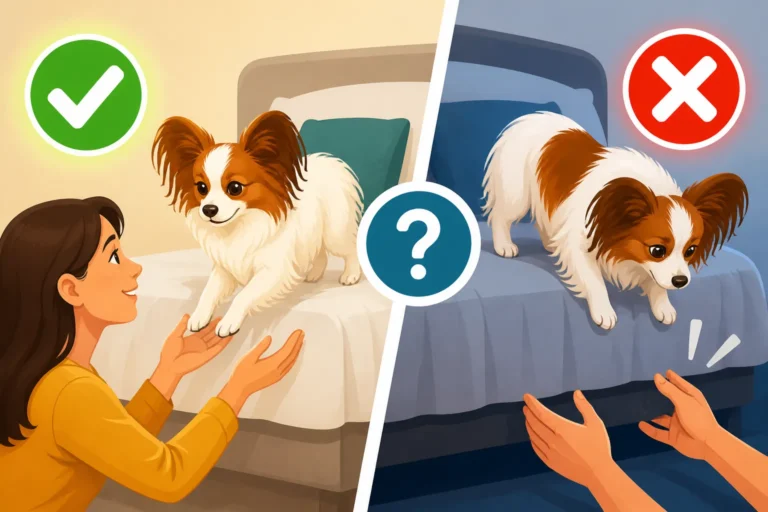
When your Papillon is relaxing at home, especially if they love to burrow, ensure their bedding is smooth and free of snags. Slippery surfaces like silk or satin pillowcases can actually help reduce friction if your dog frequently lies on their tail. While ramps and steps are often recommended for Whether a Papillon Should Be Stopped From Jumping Off Furniture to protect their knees, they also subtly reduce the chance of the tail getting squashed or caught in awkward positions when jumping down, which can prevent matting as well.
Dealing with Existing Plume Mats
Despite your best efforts, sometimes mats happen. The key is to address them quickly and gently to prevent them from becoming larger and more painful.
Gentle Detangling Techniques
First, gather your tools: a detangling spray, a pin brush, and a sturdy metal comb with both wide and narrow teeth. Find a comfortable, well-lit spot where your Papillon is relaxed. Spray the matted area generously with detangling spray. Let it sit for a minute or two to penetrate the mat.
Start by gently pulling apart the mat with your fingers, working from the outside edges inward. Never try to pull the mat straight out; this will hurt your dog and break the hair. Once you've loosened it a bit, use the wide-toothed end of your comb, or even just the tip of a pin brush, to gently pick at the very ends of the mat, working small sections at a time. Hold the hair at the base of the mat close to the skin to minimize pulling. Work patiently, little by little, until the mat loosens. This process requires patience and a light touch. If your dog becomes stressed, take a break and come back to it later.
When to Use a Dematting Tool or Scissors
For very tight or painful mats, a dematting tool can be useful, but use it with extreme caution. These tools often have sharp blades designed to cut through the mat without cutting the skin. However, they can still pull and cause discomfort if not used correctly. Always follow the direction of hair growth and make short, careful strokes.
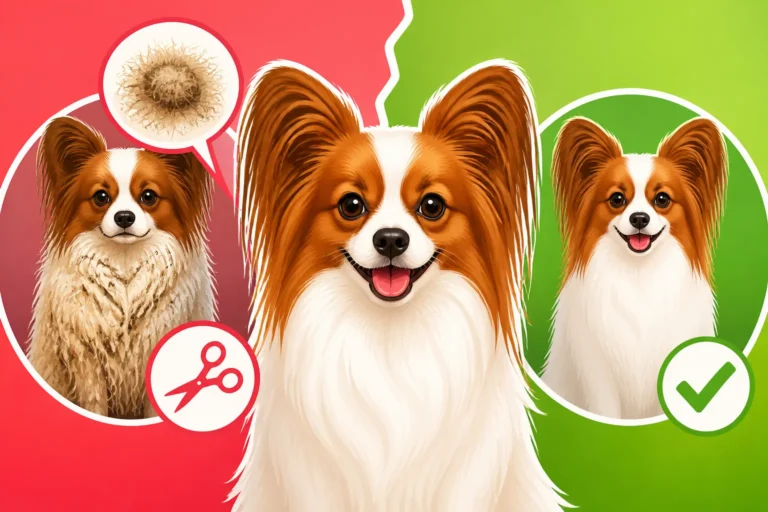
Sometimes, a mat is just too close to the skin or too tight to comb out without causing significant pain. In these instances, When a Mat Should Be Cut Out of a Papillon is the only humane option. If you need to use scissors, always use blunt-nosed grooming scissors and slide a comb between the mat and the skin first, cutting above the comb. This creates a barrier to protect your dog's delicate skin. If you're not confident, or the mat is large and close to the skin, it is always best to seek help from a professional groomer or your veterinarian. They have the experience and specialized tools to remove mats safely and with minimal stress to your Papillon.
The Importance of Professional Help for Severe Matting
Seriously matted plumes are not just an aesthetic issue; they can be a significant health concern. Tight mats pull on the skin, causing pain, bruising, and even tearing. They can also trap moisture, leading to skin infections, hot spots, or parasites. If your Papillon has several large, dense mats in its plume or anywhere else on its body, trying to remove them yourself can be incredibly distressing for your dog and potentially cause injury. A professional groomer or vet can often shave the matted areas, providing immediate relief. While shaving might temporarily alter the look of that beautiful plume, it prioritizes your dog's comfort and well-being, and the hair will grow back. They can also assess the skin underneath for any hidden issues.
Daily Care for a Gorgeous Papillon Tail
Maintaining that beautiful Papillon tail plume requires an ongoing commitment, but it's a rewarding one. A well-cared-for plume is not only lovely to behold but also a sign of a healthy, happy dog.
Establishing a Routine and Making it Enjoyable
The best way to ensure consistent grooming for your Papillon's tail is to incorporate it into a daily routine. Even five minutes of gentle brushing while you're relaxing in the evening can make a world of difference. Start grooming your Papillon puppy early, making it a positive experience with lots of praise and treats. This helps them associate grooming with pleasant sensations, not fear or discomfort. When they're older, they'll be much more cooperative. Consider making a small "grooming kit" with all your tools that you can easily grab for quick sessions. A good quality detangling spray can be especially helpful in these daily touch-ups. Regular positive exposure helps them learn that grooming is just another part of their day, like feeding or walks.
Beyond Brushing: The Role of Diet and Supplements
A healthy coat starts from within. A high-quality diet rich in essential fatty acids, like Omega-3 and Omega-6, can significantly improve coat health, making the hair stronger, shinier, and less prone to breakage and matting. Look for dog foods that list these ingredients, often sourced from fish oil or flaxseed. Some owners opt to add supplements to their Papillon's diet, such as fish oil capsules, with veterinary guidance. Brands like Ollie often focus on nutrition that supports overall health, including coat quality. While a good diet won't prevent all mats, it certainly makes the hair more resilient and easier to manage, complementing your external grooming efforts.
Keeping the Tail Clean and Free of Debris
The plume, being long and flowing, is a magnet for all sorts of things. Regularly check it for any burrs, twigs, or other debris picked up during outdoor adventures. A quick run through with a comb after every walk, especially if you've been in grassy or wooded areas, can prevent small bits from becoming embedded and leading to mats. If your Papillon's tail gets muddy, try to let the mud dry and then brush it out, rather than washing it immediately, as wet hair is more susceptible to matting. For particularly dirty areas, spot cleaning with a damp cloth and a mild, dog-specific shampoo can work wonders without requiring a full bath. Remember, a clean plume is less likely to mat and much easier to brush. You might find gentle cleaning wipes on Amazon to be quite convenient for quick touch-ups after outdoor play.
Grooming Schedule for a Papillon's Plume
To keep your Papillon's plume in top condition, a consistent grooming schedule is paramount. This table provides a general guideline, but always adapt it to your individual dog's activity level and coat type.
| Frequency | Task | Details |
|---|---|---|
| Daily | Brushing the plume | Use a pin brush and metal comb. Focus on working through layers from tip to base, gently teasing out any small tangles. Hold hair at the base to prevent pulling. Check for any debris or new knots. A quick mist of detangling spray can help. |
| Weekly | Thorough Inspection | Dedicate a longer session for a full comb-through, ensuring no hidden mats are forming close to the skin, especially at the base of the tail. Check for skin irritations underneath. |
| Monthly/As Needed | Spot Cleaning/Bathing | If the plume becomes dirty, spot clean with a damp cloth and mild dog shampoo. Full baths are usually needed every 3-6 weeks, or more often if the dog is very active outdoors. Ensure the tail is fully dried and brushed afterwards to prevent matting. |
| Every 6-12 Months | Professional Grooming/Vet Check | A professional groomer can give a thorough assessment and address any severe matting you can't handle. Your vet can check for any underlying skin issues contributing to poor coat health. |
Conclusion: A Gorgeous Plume is Within Reach
Yes, a Papillon's tail plume absolutely can mat, just like any long, flowing hair. But with consistent attention, the right tools, and a little bit of patience, you can easily prevent and manage those tangles. That magnificent, butterfly-wing tail is a hallmark of the breed, and taking the time to care for it not only keeps your Papillon looking its best but also ensures their comfort and well-being. Embrace the grooming routine, make it a bonding experience, and your Papillon will continue to flaunt its glorious plume with pride for years to come.
Disclaimer
This article is for general informational purposes only and does not constitute professional advice. Laws, prices and regulations vary by location and change over time. Consult a qualified professional for guidance on your specific situation.