When a Mat Should Be Cut Out of a Papillon
Oh, the dreaded mat! If you own a Papillon, you know that beautiful, flowing coat is a magnet for tangles. One minute your little butterfly-eared companion is prancing around, looking magnificent, and the next you spot a stubborn, felted clump that seems to have appeared out of thin air. It's frustrating, it's painful for your dog if left too long, and it often leaves us wondering whether we should try to tackle it ourselves or just reach for the scissors. This guide is here to walk you through exactly when and how to approach those knotty situations, and more importantly, when it's absolutely okay to cut out a mat from your Papillon.
Understanding Papillon Mats: Why They Happen and Where
Before we even think about cutting, let's get a grasp on why these little bundles of fur tend to become such a tangled mess in the first place. It's not just bad luck; there's a science to it, particularly with a Papillon's unique coat.
The Nature of the Papillon Coat
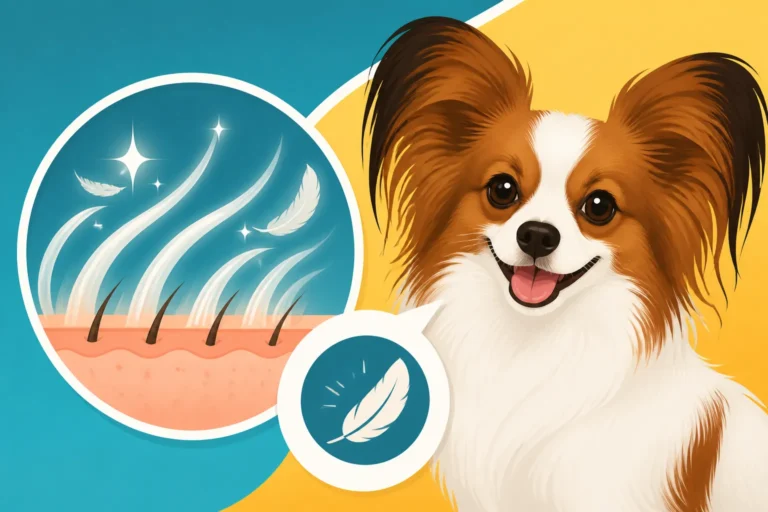
Papillons boast a single coat, meaning they don't have that dense, woolly undercoat that many other long-haired breeds possess. While this makes them less prone to heavy shedding and can be a bonus for some allergy sufferers, it also means their fine, silky outer coat is incredibly delicate and prone to static and friction. Think of it like a human's fine hair – it snarls easily. The long, flowing hair on their ears (their namesake "butterfly" wings), their chest, their culottes (the feathering on their hind legs), and their glorious tail plume are all prime real estate for mats. These areas are constantly moving, rubbing against surfaces, and collecting debris, all of which contribute to knot formation.
The texture of their hair is often described as silky or fine, which, while beautiful, is also a recipe for tangles. When these fine strands twist and rub against each other, especially when dry or dirty, they interlock, forming tiny knots that quickly escalate into larger, denser mats. Humidity, friction from collars or harnesses, and even the simple act of rolling around on the carpet can contribute to this process. Understanding this delicate balance is key to appreciating why those mats seem to pop up overnight. For a deeper dive into their beautiful fur, you might enjoy A Papillon's Coat Is All Fringe and No Undercoat.
Common Matting Hotspots
You'll quickly learn your Papillon's personal matting zones, but there are some universally troublesome areas that owners should pay extra attention to. The majestic ear fringes are perhaps the most famous matting hotspot; they sweep the floor, get dipped in water bowls, and rub against everything. Behind the ears is another insidious spot where mats form quickly due to friction and often go unnoticed until they're quite tight.
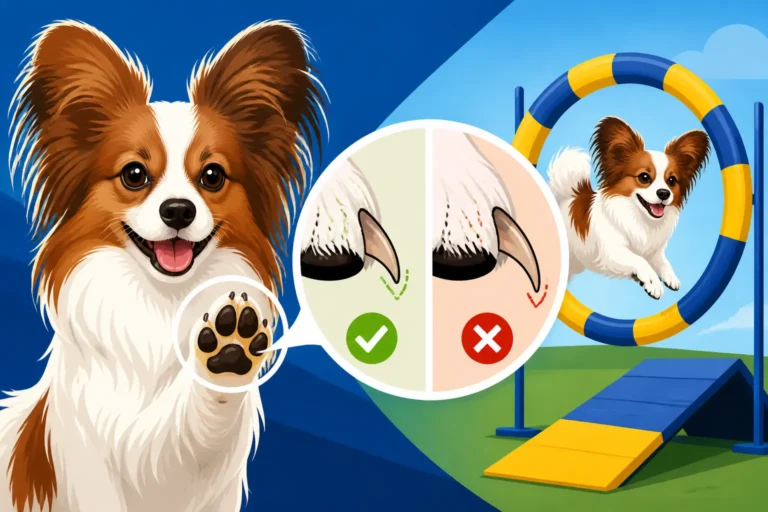
Other notorious areas include the "armpits" (under the front legs) where friction from movement and harnesses is constant, the culottes on their hind legs, and the plume of their tail, which can get caught or accumulate debris. Also, don't forget the hair on their chest and around their collar area. Any place where hair is long, fine, and subjected to repeated rubbing or moisture is a prime candidate for matting. It's always a good idea to gently run your fingers through these specific areas during your daily cuddles, just to catch any nascent tangles before they become full-blown mats. You might even find mats forming between their toes if the hair isn't regularly trimmed there.
The Difference Between a Tangle and a Mat
It's crucial to distinguish between a simple tangle and a true mat. A tangle is typically a loose knot of hair that can still be gently worked apart with your fingers or a comb. It might feel a bit rough, but the hair strands are not tightly interlocked into a solid mass. These are usually easy to spot and can be brushed out relatively quickly.
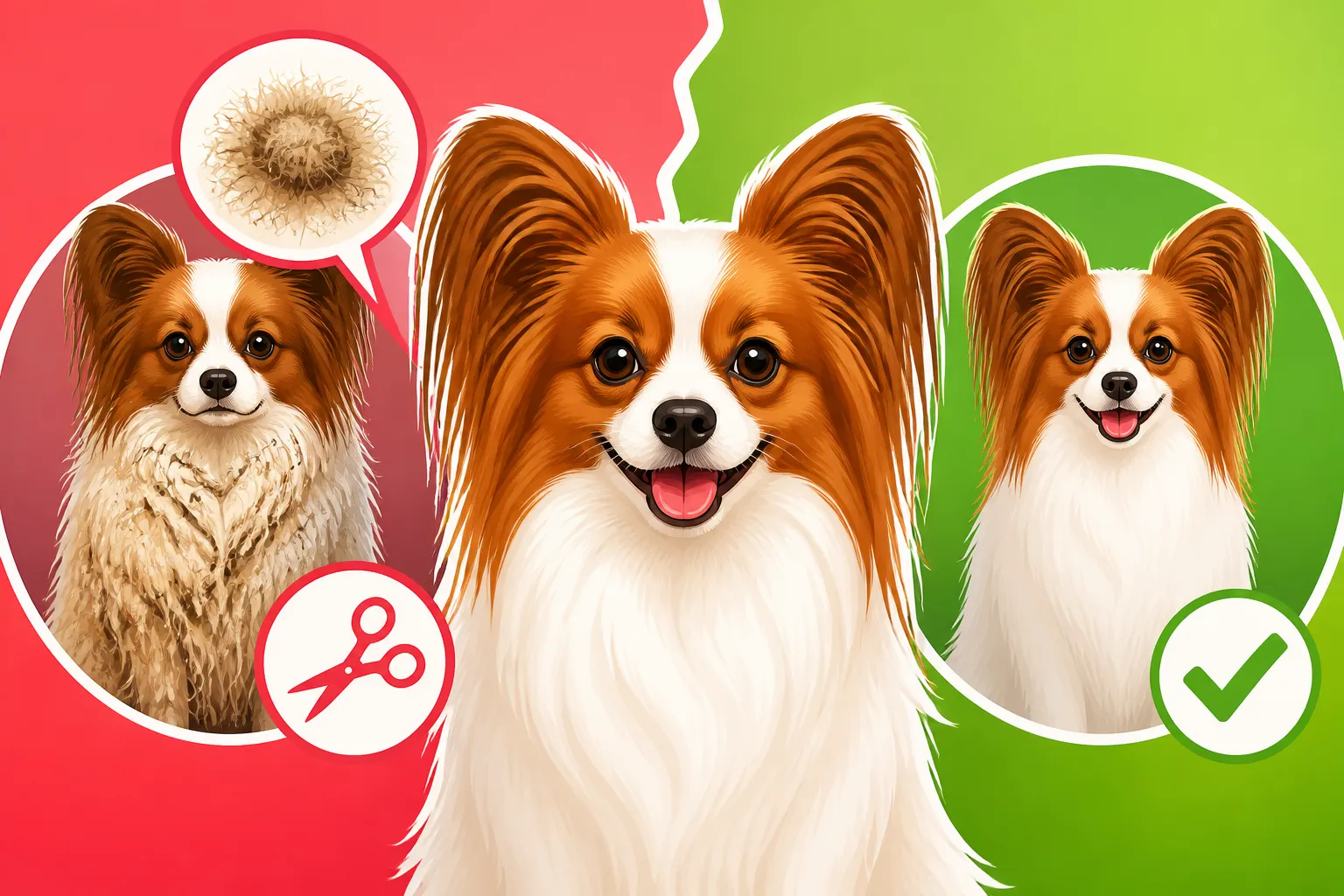
A mat, on the other hand, is a dense, compacted clump of hair where the individual strands have become so interwoven and felted together that they form a solid mass. Mats often feel hard to the touch, like felt or even a rock, and they pull at the skin. They can be close to the skin, making them even more painful and difficult to remove. If you try to pull a mat apart with your fingers and it feels like a solid, unyielding lump, or if it causes your Papillon to yelp or shy away, you're dealing with a mat. This distinction is vital because how you approach removal changes dramatically based on whether it's a minor tangle or a serious mat.
When to Attempt Mat Removal Yourself (and How)
So, you've found a mat. Don't panic! For smaller, less severe mats, you can absolutely try to remove them at home. The key here is patience, the right tools, and an understanding of when to stop.
Assessing the Mat's Severity
Before you grab any tools, take a moment to assess the mat. How big is it? Is it close to the skin? Does your Papillon react when you gently touch it?
A small, pea-sized mat that's not tight against the skin and doesn't seem to bother your dog much is a good candidate for home removal. These are often found at the ends of the ear fringes or in the culottes, where the hair is longer and more exposed. If the mat is larger than a quarter, feels rock-hard, or is pulled tight against the skin, especially in a sensitive area like behind the ears or under the armpits, it's quickly moving into "professional help" territory. Trying to tackle a large, tight mat at home can be incredibly painful for your dog and might lead to skin irritation or even accidental cuts. If you're unsure, it's always better to err on the side of caution and consider calling a groomer.
Tools of the Trade for Home Mat Removal
Having the right tools makes all the difference. You'll need more than just a regular brush for mats. Here's what I recommend having on hand:
- Slicker Brush: Great for general detangling and fluffing, but not for tight mats. Use it for maintenance around the mat.
- Metal Comb: A good quality, fine-toothed metal comb is invaluable. Start with the wider teeth and move to finer ones as you detangle. Brands like Andis or Chris Christensen make excellent grooming combs that can be found on Chewy or Amazon.
- Mat Breaker/Dematter: These tools have serrated blades designed to cut through the mat rather than pull it out. Use with extreme caution, as they are sharp.
- Blunt-nosed Scissors: Absolute essential if you decide to cut. The blunt tips are a safety feature to help prevent accidental nicks to the skin. Never use sharp-tipped household scissors.
- Detangling Spray or Conditioner: A good spray can help lubricate the hair, making it easier to separate. You can find many options designed for dogs on Chewy or Amazon, or even use a very diluted human conditioner (check labels for dog safety).
- Cornstarch or Talcum Powder: For very greasy or dense mats, a little sprinkle of cornstarch can help absorb oil and provide grip, making the mat easier to break apart.
- Treats: Lots and lots of high-value treats to make the experience as positive as possible for your Papillon.
Step-by-Step Guide to Gentle Detangling
Once you have your tools and your Papillon is in a calm, comfortable state, you can begin. Remember, patience is key, and if at any point your dog shows signs of pain or extreme stress, stop.
- Prep Your Papillon: Find a quiet spot where your Papillon feels secure. Lay them on your lap or on a grooming table if they're used to it. Give them some comforting words and a treat. If you're tackling a mat on their ear, hold the base of the ear gently to stabilize it.
- Apply Detangler: Spray a generous amount of detangling spray or a light mist of diluted conditioner directly onto the mat. Work it in with your fingers. Let it sit for a minute or two to help loosen the hair.
- Isolate the Mat: Gently separate the mat from the surrounding healthy hair. This prevents you from pulling on undamaged fur, which can be painful.
- Work the Edges: Instead of trying to pull the comb straight through the mat (which will hurt!), start at the very edge of the mat, working only a few strands at a time. Use just the tips of the comb's teeth.
- "Line Brushing" Method: This technique is fantastic for long-haired dogs. You essentially part the hair in sections, holding up the top layer, and then brush/comb from the skin outwards, working a small line at a time. For a mat, you'll be working tiny sections.
- Pick, Don't Pull: Use the metal comb to gently pick at the mat, separating small chunks of hair from the outer edge. Imagine you're trying to unravel a knot, not rip it apart. You can also use a mat breaker tool, following its instructions carefully, to slice through the mat in small sections, always pointing the blades away from the skin.
- Consider the Scissors (with extreme caution): If you hit a point where the mat simply won't budge, even with detangler and picking, it's time to consider the blunt-nosed scissors. The rule of thumb here is: never cut straight into a mat. Mats are often much closer to the skin than they appear, and the skin can be pulled up into the mat, making it incredibly easy to accidentally cut your dog. Instead, locate the mat's edge. Slide the blunt end of the scissors under the mat, parallel to the skin, until the blunt tip is visible on the other side. Then, make a small cut along the direction of the hair growth, essentially slicing the mat in half. This breaks the tension and often makes it easier to pick apart the remaining pieces. Only do this if you are absolutely confident you won't cut the skin. Repeat this slicing technique a few times if necessary, but always err on the side of caution.
- Praise and Reward: Throughout the process, offer constant praise and small, tasty treats. Make it a positive experience, even if it's a bit tedious.
- Post-Matting Care: Once the mat is out, gently brush the area with a slicker brush and then comb through with a fine-toothed comb to ensure all tangles are gone. Check for any skin irritation.
Remember, if the mat is causing pain, is too large, or you're simply uncomfortable tackling it, that's when you absolutely call in a professional. It's not a failure on your part; it's being a responsible pet owner. For more on keeping that coat healthy, read Why a Papillon's Long Coat Takes Twenty Minutes a Week.
When to Call in Professional Help for Mats
Sometimes, no matter how much you try, a mat is just too severe for home removal. This isn't a sign of bad pet ownership; it's a testament to how quickly and tightly these mats can form, and the delicate nature of a Papillon's skin.
Recognizing When a Mat Is Too Much
There are several clear indicators that a mat is beyond DIY efforts and requires a professional groomer or even a vet.
- Size and Tightness: If a mat is large (bigger than a golf ball), dense, and pulled tightly against your Papillon's skin, especially in multiple areas, it's time for professional help. These mats can cause significant discomfort and even restrict movement.
- Location: Mats in very sensitive areas like the inner thighs, armpits, or around the genitals are best left to professionals. The skin in these areas is thin and delicate, making accidental cuts a high risk.
- Pain and Discomfort: If your Papillon yelps, growls, tries to bite, or simply withdraws dramatically when you attempt to touch the mat, it's clearly causing pain. Forcing the issue will only create a negative association with grooming and cause unnecessary suffering.
- Skin Condition: Mats can hide underlying skin problems. If you see redness, irritation, sores, or even parasites underneath or around the mat, a groomer or vet needs to assess the situation.
- Multiple Mats: A single small mat is one thing, but if your Papillon has several large, interwoven mats across their body, it's a sign that they need a full professional dematting or even a shave-down.
- Your Comfort Level: Honestly, if you feel stressed, overwhelmed, or worried you might hurt your dog, that's a valid reason to call a professional. Your peace of mind, and your dog's, is paramount.
The Professional Groomer's Approach to Matting
When you bring a matted Papillon to a professional groomer, they have a few strategies, but their primary concern will always be your dog's safety and comfort.
- Assessment: The groomer will thoroughly assess the extent and severity of the matting. They'll check the skin underneath and discuss the best course of action with you.
- Demating (with caution): For mild to moderate mats, a skilled groomer might attempt to demat using specialized tools, conditioners, and techniques similar to what you'd do at home, but with much greater expertise and efficiency. They are trained to work gently and effectively. However, dematting can be time-consuming and still stressful for the dog.
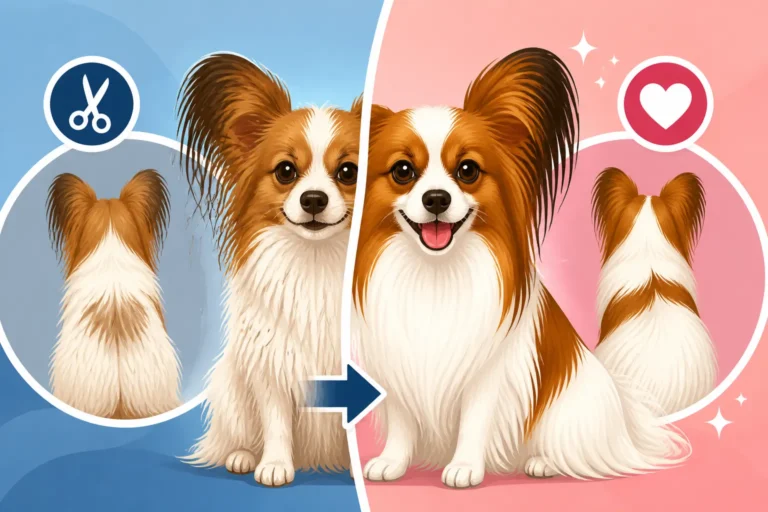
- Shave Down: For severe, widespread, or very tight matting, the most humane and often the only option is a full shave-down. This means shaving the dog very close to the skin, underneath the mats. While it might look drastic, it's almost always the kindest option for a severely matted dog. Trying to pull apart a solid mat that's tight against the skin is excruciating for the dog, causes skin trauma, and can take hours. A quick, close shave removes the problem instantly, allowing the skin to breathe and heal. Don't worry, a Papillon's beautiful coat will grow back! Sometimes this is the kindest option, even if it feels tough to see your long-haired friend with a short cut. You can then restart with a fresh slate for regular grooming.
- Veterinary Involvement: In extreme cases, where mats are causing severe skin infections, deep wounds, or are so extensive they require sedation for removal, a groomer might refer you to a veterinarian. A vet can safely sedate the dog and remove the mats, addressing any underlying health issues. Anesthesia and a Five Pound Papillon delves into the considerations for sedating a small breed.
When you're dealing with severe matting, remember that the groomer's recommendation is always with your Papillon's welfare in mind.
The Health Risks of Severe Matting
Mats are more than just an aesthetic issue; they pose significant health risks to your Papillon. Understanding these dangers can help you make the tough decision to cut or shave when necessary.
- Skin Irritation and Infections: Mats pull on the skin, causing constant irritation. This can lead to hot spots, rashes, and bacterial or yeast infections, especially when moisture or debris gets trapped underneath. The skin can't breathe, creating a perfect breeding ground for microbes.
- Pain and Discomfort: Constant pulling on the skin is painful. Imagine having your hair continually pulled. Mats can restrict movement, making it difficult for your Papillon to walk, run, or even lie down comfortably. They can cause a dog to limp or refuse to be touched.
- Parasites: Fleas, ticks, and other parasites can hide deep within mats, making them incredibly difficult to detect and treat. The mats essentially provide a protective shelter for these unwelcome guests.
- Restricted Blood Flow: Very tight mats, especially around the ears or limbs, can restrict blood flow, leading to swelling, tissue damage, and in severe cases, even necrosis (tissue death).
- Fecal and Urinary Soiling: Mats around the hindquarters can trap feces and urine, leading to severe hygiene issues, skin infections, and a foul odor. This is particularly common in older or less mobile Papillons.
- Eye and Ear Problems: Mats near the eyes can pull on the delicate skin, causing irritation or even eyelid abnormalities. Mats in the ear canals can block airflow, leading to painful ear infections.
- Hidden Injuries: Mats can conceal wounds, growths, or other injuries, making it harder for you or your vet to discover and treat them promptly.
Ignoring severe matting is never an option for your Papillon's health and well-being.
Preventing Future Mats: A Proactive Approach
The best way to deal with mats is to prevent them from forming in the first place! A consistent grooming routine and some lifestyle adjustments can dramatically reduce the chances of your Papillon getting matted.
Regular Brushing and Grooming Routine
Consistency is absolutely key when it comes to preventing mats in a Papillon. Their beautiful single coat, while not shedding heavily, is prone to tangles that, if left, will quickly become mats.
- Daily Brushing: Ideally, your Papillon should get a quick brush-through every single day. This doesn't have to be a full, lengthy grooming session, but a 5-10 minute comb-through with a good quality metal comb, focusing on those matting hotspots. Make it a bonding experience! A pin brush can help gently tease out smaller tangles, followed by a comb to ensure you've reached the skin. You can find excellent tools on Chewy or Amazon. How Often a Papillon Needs Brushing offers more insights into this routine.
- Line Brushing Technique: For effective mat prevention, use the line brushing technique. Part your Papillon's hair horizontally, hold the upper section up with one hand, and then brush/comb the lower section from the skin outward. Work your way across and down the dog's body, section by section. This ensures you're reaching the skin and not just brushing the top layer of hair.
- Detangling Spray: Keep a good detangling spray handy and use it during your brushing sessions, especially if the coat is dry or prone to static. This helps the comb glide through and reduces breakage.
- Regular Baths (with proper drying): Bathing can help keep the coat clean and less prone to tangles, but it's crucial to brush before and after the bath. Never try to wash a matted dog, as water will only tighten the mats further. Always use a good dog-specific shampoo and conditioner. After bathing, gently towel dry, then blow-dry your Papillon on a low, cool setting while brushing to prevent new mats from forming as the hair dries. This is especially important for the ear fringes and tail plume. How to Dry a Papillon offers more specific tips.
- Professional Grooming: Even with diligent home care, many Papillon owners benefit from professional grooming every 4-8 weeks. A professional groomer can give a thorough brush-out, trim hair in tricky areas (like between pads, sanitary areas), and ensure the coat is in top condition. They can also spot nascent problems you might miss.
Lifestyle Adjustments to Minimize Matting
Beyond regular grooming, there are a few practical adjustments you can make to your Papillon's daily life to keep those mats at bay.
- Harness Over Collar: A harness (especially one that distributes pressure evenly and doesn't rub excessively) is often preferable to a collar for a Papillon, particularly if they have a lot of chest frill or neck feathering. Collars can create constant friction, leading to mats around the neck area. Ensure the harness fits well and isn't chafing. Whether a Papillon Should Wear a Harness Instead of a Collar is a good resource here.
- Protective Clothing (when appropriate): In certain weather conditions or during specific activities (like hiking through brush), a light dog coat or sweater can protect your Papillon's long coat from tangles and debris. Just be sure the clothing itself isn't causing new friction mats!
- Mindful Play: Supervise play, especially with other dogs, to minimize excessive roughhousing that can tangle coats. If your Papillon rolls in dirt or leaves, a quick brush-down afterward can prevent those tiny bits from embedding and turning into mats.
- Clean Living Environment: Keeping your home clean, especially floors where your Papillon spends a lot of time, can reduce the amount of dust, dirt, and pet hair that gets caught in their coat.
- Watch for Debris: After outdoor adventures, always check your Papillon's coat for burrs, twigs, sticky seeds, or anything else that could quickly create a mat. Removing these immediately is much easier than tackling them after they've settled in.
Nutrition and Coat Health
Believe it or not, what goes into your Papillon can affect the health and manageability of their coat. A well-nourished dog generally has a healthier skin and coat, which can be less prone to matting.
- High-Quality Diet: Feed your Papillon a high-quality, balanced diet. Look for dog foods where real meat is the primary ingredient and that contain healthy fats. Brands like Ollie often focus on fresh, high-quality ingredients that can support overall health, including skin and coat.
- Omega Fatty Acids: Omega-3 and Omega-6 fatty acids are crucial for skin and coat health. Many quality dog foods include these, but some owners also opt for supplements like fish oil, flaxseed oil, or specific skin and coat supplements. Always consult your vet before adding supplements to your dog's diet to ensure proper dosage and suitability. These essential fatty acids help keep the skin moisturized and the hair shafts strong and supple, making them less brittle and less likely to break and tangle.
- Hydration: Ensure your Papillon always has access to fresh, clean water. Good hydration contributes to overall skin health, which in turn impacts coat quality. Dry, brittle hair is more prone to matting.
A healthy coat isn't just about looking good; it's about your Papillon feeling good too. By combining consistent grooming, smart lifestyle choices, and good nutrition, you can significantly reduce the need to ever cut out a mat from your precious Papillon. It’s an investment in their comfort and your peace of mind!
| Mat Severity | Home Removal Feasible? | Tools Needed | When to Call a Pro | Potential Health Risks (If Left) |
|---|---|---|---|---|
| Small, Loose Tangle | Yes | Metal comb, slicker brush, detangling spray | Rarely, unless dog is overly sensitive | Minor irritation |
| Small, Soft Mat | Sometimes | Blunt-nosed scissors, mat breaker, detangler | If larger than a quarter, painful, or close to skin | Localized irritation, mild discomfort |
| Medium, Tight Mat | No, generally | N/A | Almost always recommended | Hot spots, pain, restricted movement |
| Severe, Widespread | Absolutely not | N/A | Essential (likely shave-down or vet intervention) | Skin infections, restricted blood flow, hidden injuries, extreme pain |
Disclaimer
This article is for general informational purposes only and does not constitute professional advice. Laws, prices and regulations vary by location and change over time. Consult a qualified professional for guidance on your specific situation.