Why a Papillon’s Weight Is Checked Before Every Trial
If you've ever spent a Saturday morning at an agility trial, you know the pre-run jitters aren't just for the handlers. For many Papillon owners, there’s an extra moment of suspense before their tiny athlete takes the course: the official weigh-in. It can feel like just another hoop to jump through, but that little number on the scale holds a surprising amount of importance for your dog's safety, health, and competitive edge. This guide will walk you through why that weight check is so crucial and how to ensure your Papillon is always trial-ready.
The Critical Role of Weight in Papillon Performance and Safety
When you watch a Papillon fly over jumps and weave poles, it’s easy to forget just how delicate and finely tuned these little dogs are. Their small size and light bone structure are part of what makes them so quick and agile, but it also means that even minor fluctuations in weight can have significant consequences. That mandatory weigh-in isn't just a formality; it's a vital checkpoint for ensuring your dog is in peak condition to perform and, more importantly, to stay safe.
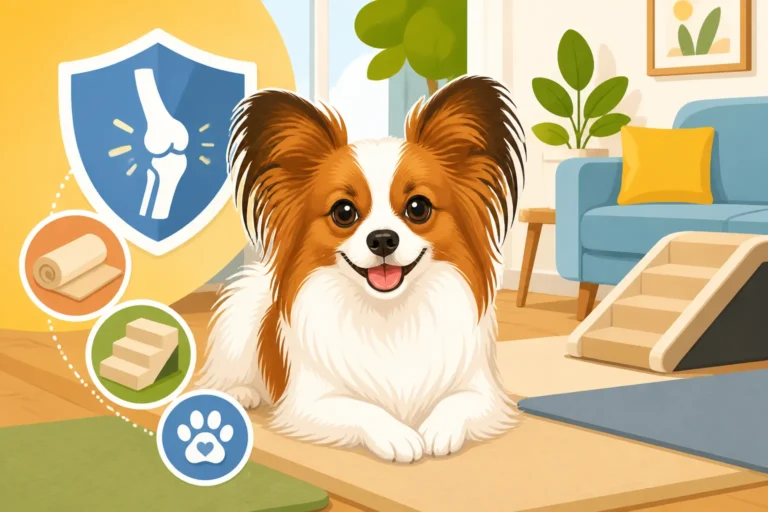
Imagine your Papillon needing to clear a jump. Every ounce of extra weight means more strain on their tiny joints, especially their knees, which are already prone to issues like luxating patellas. What Patellar Luxation Does to a Papillon can range from a minor skip to severe lameness, and excess weight significantly exacerbates the problem. Conversely, being underweight can mean a lack of crucial muscle mass and bone density, leaving them more susceptible to injury if they land awkwardly or collide with an obstacle. Their speed and balance, so vital in agility, are directly impacted by their weight. A Papillon that's carrying too much weight will naturally be slower, less coordinated, and tire out faster, while an underweight dog might lack the power needed for explosive starts and tight turns. It's a delicate balance, and the scales help ensure they're right in their sweet spot.
Beyond the immediate performance aspects, a Papillon's weight is a window into their overall health. Sudden weight loss could signal an underlying illness, and persistent weight gain can lead to a host of other problems over time, from heart strain to increased risk of arthritis. For a breed known for its longevity, understanding How Long a Papillon Lives often comes down to diligent care, including maintaining a healthy weight throughout their lives, not just during their competitive years. The pre-trial weigh-in is simply one more opportunity for organizers to ensure that all competing dogs are fit and healthy, reducing the risk of injury for the individual dog and maintaining the integrity of the sport.
The Logistics of Trial Weigh-Ins: What to Expect
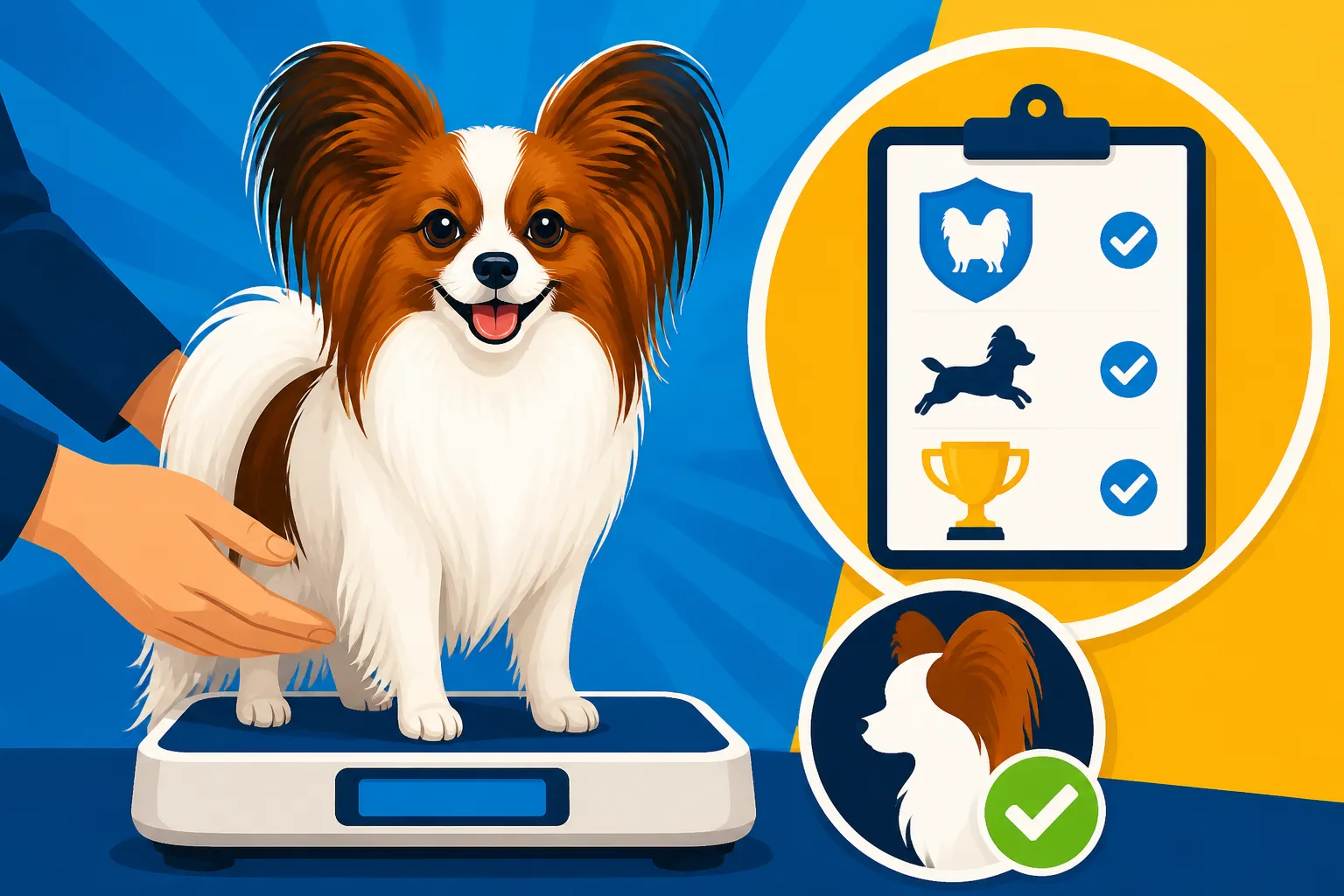
Stepping up to the weigh-in station at a trial can feel a bit like a student going to the principal's office, but it's usually a quick and straightforward process. Typically, there's an official scale, sometimes a digital one, and a steward or judge overseeing the procedure. The goal is accuracy and consistency. Your Papillon will be gently placed on the scale, and their weight recorded. This measurement often determines their jump height category for the competition, ensuring fair play and preventing smaller dogs from being forced to clear heights unsafe for their build.
One thing to remember is that dogs, just like people, can fluctuate in weight throughout the day. A big drink of water or a recent meal can slightly tip the scales. Trial organizers usually prefer that dogs are weighed before they've had a chance for these minor fluctuations to occur, often shortly after arrival or when checking in. This ensures that all dogs are measured under similar conditions. If your Papillon is on the cusp of a weight class, even a small difference could mean moving up or down a jump height. This isn't just about fairness; it's also about preventing injuries. Imagine a Papillon jumping an extra 4 or 8 inches higher than they safely should throughout an entire course – the cumulative strain on their joints could be immense. If a dog fails to meet its registered jump height category weight, it might be disqualified from competing in that category for the day. While this can be frustrating, it’s ultimately for the dog’s well-being. Keeping an eye on How Fast a Papillon Runs a Course is a priority, but keeping them safe while they do it is paramount.
Maintaining Your Papillon's Ideal Trial Weight at Home
The key to sailing through those trial weigh-ins without a hitch is consistent weight management at home. It's not about crash dieting or last-minute efforts; it's about a balanced approach to diet and exercise that becomes part of your everyday routine. For a Papillon, whose ideal weight usually falls between 5 to 10 pounds, even half a pound can make a noticeable difference in their physical condition and impact on their joints.
First and foremost, diet is crucial. Knowing How Many Cups a Day an Adult Papillon Eats is essential, and often it's less than you might think! Quality food, measured precisely, is your best friend. Many owners find great success with high-quality kibble from online retailers like Chewy, ensuring they get all the necessary nutrients without excessive fillers. For those exploring fresh food options, services like Ollie provide pre-portioned meals designed to meet a dog's specific caloric needs based on their activity level and ideal weight. Remember, treats count too! If you're using treats for training, factor them into their daily calorie intake.
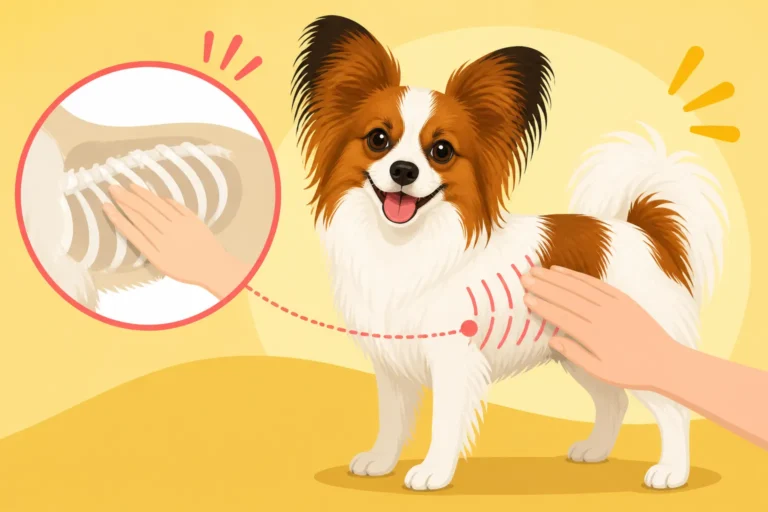
Next, regular exercise tailored to their needs. While Papillons are energetic and love to run, they're also small and have limits. Balance their agility training with daily walks and playtime. This helps build and maintain muscle mass without adding unnecessary fat. And finally, the most critical step: regular home weighing. Invest in a reliable pet scale (you can find several options on platforms like Amazon) and weigh your Papillon weekly, or at least bi-weekly. Keep a log. This helps you catch any creeping weight gain or loss early, allowing you to adjust their food intake or exercise routine before it becomes a significant issue. Pay attention to their body condition score too – you should be able to feel their ribs easily without seeing them prominently, and they should have a discernible waist. If you start to notice Signs a Papillon Is Overweight, it's time to adjust their routine before it affects their performance or health.
Potential Risks of Improper Weight in Competition
Allowing a Papillon to compete while at an improper weight carries significant risks, not just for their performance but for their long-term health and well-being. Understanding these dangers can help reinforce why those weigh-ins are so strictly enforced and why managing your dog's weight at home is so vital.
For an overweight Papillon, the dangers are manifold. Their tiny frames are not designed to carry extra pounds. Every jump, every tight turn, every sudden stop puts immense strain on their delicate joints, especially their patellas and elbows. This can accelerate the onset or worsen existing conditions like arthritis, making Whether a Papillon's Knees Get Worse With Age a much more painful and debilitating reality. Overweight dogs also tend to overheat more easily, which can be dangerous during strenuous activity, particularly on warmer trial days. Their stamina is reduced, leading to poorer performance, and a higher risk of soft tissue injuries as their body struggles to keep up with the demands of the course. It’s not just about winning; it’s about preventing chronic pain and extensive veterinary bills down the line. Getting Weight Off a Papillon often requires a dedicated plan, and prevention is always easier than cure.
Conversely, an underweight Papillon isn't healthy either. While "lean and fit" is the goal, "scrawny" is not. Underweight dogs often lack sufficient muscle mass, which provides crucial support and protection for their bones and joints. They may lack the strength and power needed for complex agility maneuvers, making them more prone to muscle strains or sprains. Low body fat can also affect their ability to regulate body temperature, making them more susceptible to cold on chilly outdoor trial days. Furthermore, being underweight can be a sign of underlying health issues or inadequate nutrition, leading to compromised immune function and overall weakness. Any noticeable or unexplained weight loss should always prompt a visit to your veterinarian, as it could be a subtle Sign a Papillon Puppy Is Not Thriving even if it's an adult. Always consult with your vet to establish a healthy weight range and dietary plan for your individual dog, especially if they are a competitive athlete.
| Weight Category | Potential Impact on Performance | Potential Health Risks |
|---|---|---|
| Overweight | Reduced speed and agility, slower turns, lower jumps, decreased stamina, early fatigue, poor coordination | Increased strain on joints (knees, hips, elbows), exacerbated luxating patella, arthritis, heat intolerance, respiratory issues, higher risk of soft tissue injuries |
| Ideal Weight | Optimal speed, agility, and jumping ability, sustained stamina, excellent coordination and balance | Healthy joints, strong muscle support, efficient body temperature regulation, good energy levels, lower risk of injury |
| Underweight | Lack of power, reduced strength, decreased stamina, higher fatigue, brittle landings, poor muscle definition | Weakened muscles, reduced bone density, increased susceptibility to fractures or sprains, poor immune function, difficulty maintaining body temperature |
Disclaimer: This article is for general informational purposes only and does not constitute professional advice. Laws, prices and regulations vary by location and change over time. Consult a qualified professional for guidance on your specific situation.