How Long a Papillon Keeps Its Teeth With Home Care
It's a truth universally acknowledged among Papillon owners that these tiny, elegant dogs, despite their lively spirit and generally robust health, often face a silent battle: dental disease. Many of us worry about our little companions' tiny mouths, wondering how we can possibly keep those pearly whites healthy and functional for their long lives. This guide will walk you through exactly how home dental care can significantly extend the healthy life of your Papillon's teeth, offering actionable advice and realistic expectations.
Why Papillons Are Particularly Susceptible to Dental Troubles
Before we dive into how to keep those little chompers sparkling, it’s important to understand why Papillons often struggle with dental health more than larger breeds. It’s not a failing on your part as an owner; it’s largely down to genetics and anatomy.
The Crowded Canvas of a Tiny Mouth
Imagine trying to fit a full set of human teeth into a doll's mouth. That's essentially what a Papillon's jaw faces. These little dogs have the same number of teeth as much larger breeds, around 42 for an adult, but they are all crammed into a very petite jaw. This crowding leads to several issues. For one, teeth are often rotated or misaligned, creating tiny crevices and overlapping surfaces where food particles and plaque can easily get trapped. These are spots that a toothbrush, even a tiny one, might struggle to reach effectively. You might even notice that their baby teeth, or deciduous teeth, can sometimes linger longer than they should, further exacerbating the crowding issue. This is a common problem, and it's why it's so important to monitor your Papillon's mouth from puppyhood. Why a Papillon's Jaw Crowds Its Teeth goes into more detail about this.
The Speed of Plaque and Tartar Buildup
Because of the crowding and sometimes slightly different saliva chemistry, plaque and tartar can accumulate on a Papillon's teeth at an alarming rate. Plaque is that soft, sticky film of bacteria that forms on teeth every day. If not removed, it mineralizes into hard tartar within a matter of days. Once tartar forms, no amount of home brushing will remove it; only a professional dental cleaning under anesthesia can do the trick. This rapid buildup means that even a young Papillon can start showing signs of gum disease, also known as periodontal disease, much earlier than you might expect for a dog of its age. It's a frustrating reality, but one we absolutely must be proactive about.
The Risk of Periodontal Disease
Periodontal disease isn't just about bad breath and unsightly teeth. It's a progressive disease that impacts the gums, bone, and supporting structures around the teeth. As it advances, it leads to pain, infection, tooth loss, and can even contribute to more serious systemic health issues like heart, kidney, and liver disease. The bacteria from infected gums can enter the bloodstream and travel to vital organs. For such a small dog, where every system is delicate, preventing periodontal disease is paramount to their overall health and longevity. It's a common issue, and How Common Dental Disease Is in Papillons really highlights just how widespread it is in the breed.
Laying the Groundwork: The Essentials of Home Dental Care
Given their predisposition to dental issues, home dental care for a Papillon isn't just a nice-to-have; it's a non-negotiable part of responsible ownership. Consistency is absolutely key here, and starting early makes all the difference.
The Daily Brushing Regimen
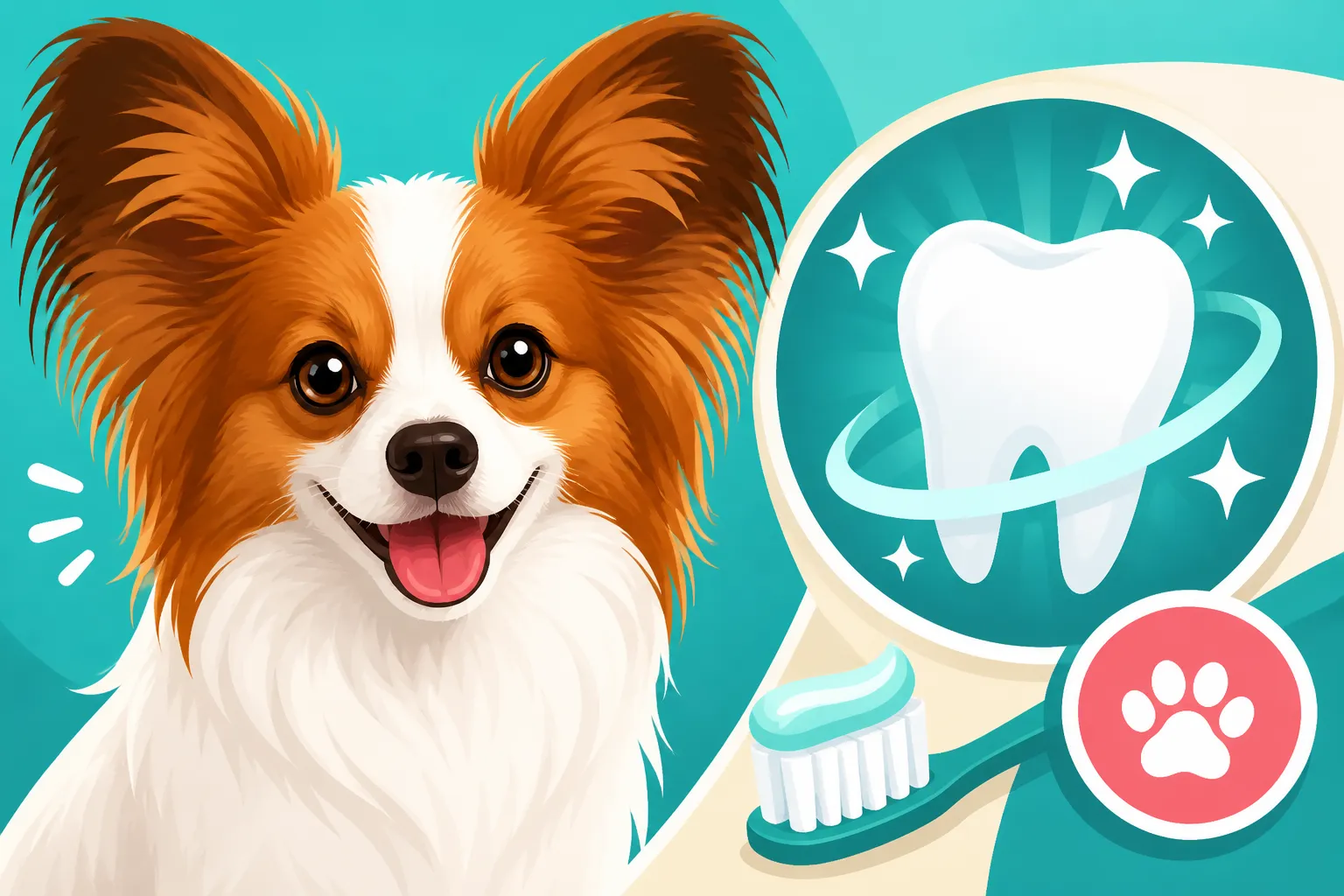
Daily tooth brushing is, without a doubt, the single most effective way to prevent plaque from turning into tartar and keeping gum disease at bay. Yes, daily. Think of it like brushing your own teeth – you wouldn't go days without doing it, and neither should your Papillon.
- Choosing the Right Tools: For a Papillon's tiny mouth, you'll want a very small toothbrush. Finger brushes can work for some, but often a small, soft-bristled brush, sometimes marketed for cats or small puppies, works best to reach all surfaces. When it comes to toothpaste, never use human toothpaste. It contains fluoride and other ingredients that are toxic to dogs. Pet-specific enzymatic toothpastes come in flavors dogs usually enjoy, like poultry or beef, and the enzymes help break down plaque even with minimal scrubbing. You can find a good selection of these brushes and toothpastes on sites like Chewy or Amazon.
- Making it a Positive Experience: Introduce brushing slowly. Start by letting your Papillon lick the toothpaste off your finger. Then, gently rub your finger along their gums. Gradually introduce the brush, focusing on the outside surfaces of the upper teeth first, as these tend to accumulate the most plaque. Keep sessions short and positive, always rewarding with praise and a favorite treat. The goal is a quick, efficient brush that becomes a routine rather than a battle. Aim for at least 30 seconds per side, working your way around the mouth.
- Consistency is Crucial: Skipping days allows plaque to harden into tartar. Just a few days of neglect can set you back significantly. Make it part of your daily routine – perhaps after their last meal or right before bedtime. The more consistently you do it, the more accustomed your Papillon will become, and the easier it will be for both of you.
Dental Chews and Water Additives
While not a substitute for brushing, dental chews and water additives can be a helpful adjunct to your home care routine. They offer a little extra support in the ongoing fight against plaque.
- Dental Chews: Look for dental chews that are specifically designed to help scrape plaque off teeth. The texture should be firm enough to provide mechanical abrasion but not so hard that it risks breaking a tooth, which is a real concern for small breeds. Always supervise your Papillon when they're enjoying a dental chew to prevent choking or gulping large pieces. Some brands like Greenies or VeggieDent are popular choices. Remember, these are treats and should be factored into your dog's daily calorie intake to prevent weight gain, which can exacerbate other health issues.
- Water Additives: These products are added to your dog's drinking water and contain ingredients designed to reduce bacteria in the mouth and prevent plaque formation. They are relatively easy to use, as they require no active participation from your dog other than drinking water. However, their effectiveness can vary, and some dogs might be sensitive to the taste, leading them to drink less water. Always choose a product specifically formulated for pets and approved by veterinary dental health organizations.
The Power of Diet
What your Papillon eats can also play a role in their dental health. While kibble alone won't keep teeth clean, certain formulations can offer some benefit.
- Kibble Size and Texture: Large, crunchy kibble might offer a very minor scraping action on the surface of the teeth, but it's often negligible in preventing significant plaque buildup, especially in the tight spaces of a Papillon's mouth. However, some specialized dental diets are designed with unique kibble shapes and textures that provide a more effective scrubbing action and can even contain ingredients that help prevent tartar. Brands like Hill's Prescription Diet t/d or Royal Canin Dental are often recommended by veterinarians. You won't find specific prices or plans for these here, but a quick search on Chewy or your vet's office can provide current information.
- Avoiding Sticky Treats: Be mindful of treats that are high in sugar or have a very sticky texture. These can easily adhere to teeth and promote bacterial growth, undoing some of your hard work. Opt for plain, crunchy vegetables like carrots (in small, appropriate-sized pieces) or dental-specific treats.
When Home Care Isn't Enough: The Role of Professional Cleanings
No matter how diligent you are with home care, most Papillons will still need professional dental cleanings under anesthesia at some point in their lives. This isn't a failure; it's a testament to the breed's predisposition and the nature of tartar.
Why Anesthetic Dentals Are Essential
A professional dental cleaning goes far beyond what you can accomplish at home. It involves:
- Full Oral Exam: The veterinarian can thoroughly examine every tooth and the surrounding gum tissue, which is difficult to do in an awake dog. They can spot issues like fractured teeth, receding gums, or pockets of infection that are hidden from casual inspection.
- Scaling Above and Below the Gumline: Using specialized ultrasonic and hand instruments, the vet and vet tech meticulously remove all plaque and tartar from the tooth surfaces, both above and, critically, below the gumline. This subgingival cleaning is vital because most periodontal disease originates beneath the gums.
- Polishing: After scaling, the teeth are polished to smooth out any microscopic etches on the enamel. This creates a smoother surface that is less hospitable for plaque to adhere to in the future.
- Extractions: If teeth are severely diseased, painful, or causing problems, they will be extracted to prevent further infection and discomfort. This is often the most significant part of the cost, but it's essential for your dog's well-being. What a Papillon's Dental Costs delves into the financial aspect.
- Dental X-rays: Often, X-rays are taken to assess the health of the tooth roots and the bone structure beneath the gums, revealing issues that aren't visible to the naked eye. This is crucial for truly understanding the extent of dental disease.
Determining the Frequency of Professional Cleanings
The frequency of professional cleanings will depend on several factors:
- Genetics and Individual Predisposition: Some Papillons simply accumulate tartar faster than others, even with identical home care.
- Effectiveness of Home Care: The more diligent and effective your daily brushing, the longer you can often go between cleanings.
- Diet and Chewing Habits: While not a primary factor, a diet that actively helps reduce plaque can contribute.
- Overall Health: Other health conditions can sometimes impact oral health or influence the timing of anesthesia.
For many Papillons, a professional cleaning might be needed every one to three years. Your veterinarian will be your best guide, assessing your Papillon's oral health at their annual check-ups and recommending a schedule tailored to their needs. Don't be shy about asking your vet for an oral health assessment during your routine visits.
Realistic Expectations for Your Papillon's Dental Lifespan
So, after all this effort, how long can you really expect your Papillon to keep its teeth? The answer, like most things in life, isn't a simple number, but a commitment to consistent care can significantly improve the odds.
Extending Healthy Tooth Life
With a dedicated home dental care routine, starting from puppyhood, and regular professional cleanings as recommended by your veterinarian, you can absolutely extend the lifespan of your Papillon's natural teeth. It's not uncommon for Papillons with excellent care to keep the majority of their teeth well into their senior years, even up to 10-12 years of age and beyond. This means less pain, fewer extractions, and a better quality of life for your beloved companion. My own Papillon, Pip, is 13 and still has a remarkably full set of teeth, largely thanks to a lifetime of consistent brushing and a few professional cleanings along the way. Caring for an Aging Papillon touches on many aspects of senior care, including dental health.
Addressing the Inevitable: Tooth Loss
Despite your best efforts, it's a reality that some tooth loss might still occur as your Papillon ages, especially if they are genetically predisposed to severe periodontal disease or have had less-than-perfect dental care early in life. The goal isn't necessarily to keep every single tooth forever, but to ensure that the teeth they do keep are healthy, pain-free, and functional. If extractions are needed, it's always for their comfort and health. Dogs adapt incredibly well to missing teeth, especially when the painful, infected teeth are removed. They can continue to eat, play, and live a happy life without a full set of teeth. Whether a Papillon Eats Normally Without Teeth explores how well they adapt.
The Impact of Neglect
On the flip side, neglecting your Papillon's dental health can lead to significant problems much earlier. We're talking about extensive extractions, chronic pain, difficulty eating, and even potentially life-threatening infections by the time they reach middle age. It can become very expensive to address severe dental disease, often requiring multiple extractions and potentially specialized procedures. This is why being proactive is not just good for their health, but also for your wallet in the long run. Dental Work Over a Papillon's Long Life breaks down the costs you might encounter.
Ultimately, the longevity of your Papillon's teeth is a partnership between you and your veterinarian. Your commitment to daily home care lays the foundation, and your vet provides the necessary deeper interventions. It’s a marathon, not a sprint, but the reward is a happy, healthy Papillon who can enjoy every meal and every toy without dental pain for years to come.
A Lifetime Dental Care Plan for Your Papillon
To summarize, let's put it all together into a clear, actionable plan that you can adapt for your own Papillon. This isn't just about keeping their teeth white; it's about preserving their overall health and quality of life.
Puppyhood: Setting the Stage
From the moment you bring your Papillon puppy home, you can start laying the groundwork for good dental habits.
- Early Handling: Get your puppy accustomed to having their mouth, lips, and gums touched. Gently lift their lips, rub your finger along their gums, and offer praise. This makes future brushing much easier.
- Introduce Toothpaste: Let them lick a tiny bit of enzymatic pet toothpaste off your finger daily. Associate it with something positive, like a cuddle or a small treat.
- Monitor Baby Teeth: Keep an eye on their deciduous teeth. If any baby teeth haven't fallen out by 6-7 months of age when the adult teeth are erupting, consult your vet. Retained baby teeth contribute significantly to crowding and early onset of periodontal disease. When a Papillon's Baby Teeth Must Be Pulled offers more insight.
- First Vet Check-up: Discuss dental health with your vet at their first few check-ups. They can guide you on proper technique and spot any early issues.
Adulthood: Consistency is Key
Once your Papillon is an adult, typically around one year of age, your routine should be firmly established.
- Daily Brushing: Stick to that daily brushing routine like glue. It's the most impactful thing you can do.
- Regular Vet Check-ups: Ensure your Papillon has annual veterinary check-ups where their mouth is thoroughly examined. Your vet will assess plaque and tartar buildup, gum health, and look for any broken or loose teeth.
- Professional Dental Cleanings: Follow your vet's recommendations for professional dental cleanings under anesthesia. Don't wait until the problem is severe; preventative cleanings are always easier and less invasive than emergency interventions for advanced disease. You might even consider having Whether a Papillon Should Be Tested Before Surgery as part of your pre-anesthetic workup.
- Dental Chews/Diet: Incorporate vet-approved dental chews or a dental diet as a supplement, not a replacement, for brushing.
| Dental Care Activity | Frequency | Key Benefits |
|---|---|---|
| Brush Teeth | Daily | Removes plaque, prevents tartar, freshens breath |
| Oral Inspection | Weekly | Identifies early signs of trouble (red gums, bad breath, missing teeth) |
| Dental Chews/Diet | Daily/As directed | Supplemental plaque control, enrichment |
| Vet Oral Exam | Annually | Professional assessment, early detection |
| Professional Cleaning (Anesthetic) | Every 1-3 years (or as advised by vet) | Removes tartar, addresses hidden issues, prevents disease progression |
Senior Years: Adapting Care
As your Papillon moves into their senior years (typically around 8-10 years old), dental care remains critically important, though you might need to adapt your approach.
- Increased Vigilance: Senior dogs can develop dental issues more rapidly. Be extra vigilant with brushing and observe for any signs of discomfort or changes in eating habits.
- Vet Consults: More frequent vet check-ups might be recommended, sometimes twice a year, to monitor overall health, including oral health. Your vet might also recommend What a Papillon's Yearly Bloodwork Should Cover to ensure they're healthy enough for any necessary procedures.
- Comfort is Priority: If brushing becomes too uncomfortable due to arthritis or other issues, discuss alternatives with your vet. The goal is always to keep your dog pain-free and healthy.
- Softer Foods: If significant tooth loss or sensitivity occurs, you might need to transition to softer foods. However, this isn't a reason to neglect remaining teeth.
By embracing a comprehensive, lifelong approach to dental care, you're giving your Papillon the best possible chance to enjoy a full, comfortable life with a healthy, pain-free mouth. It takes effort, yes, but for these wonderful companions, it's absolutely worth it.
Disclaimer
This article is for general informational purposes only and does not constitute professional advice. Laws, prices and regulations vary by location and change over time. Consult a qualified professional for guidance on your specific situation.