Whether a Papillon Trades Its Dinner for Training Treats
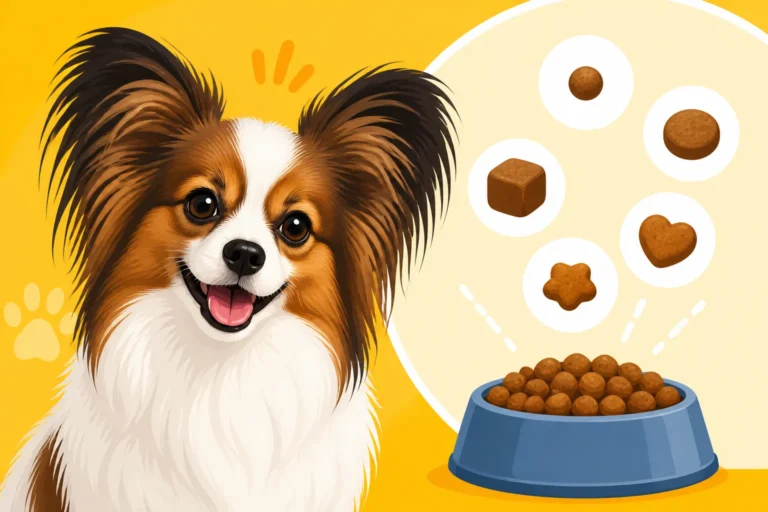
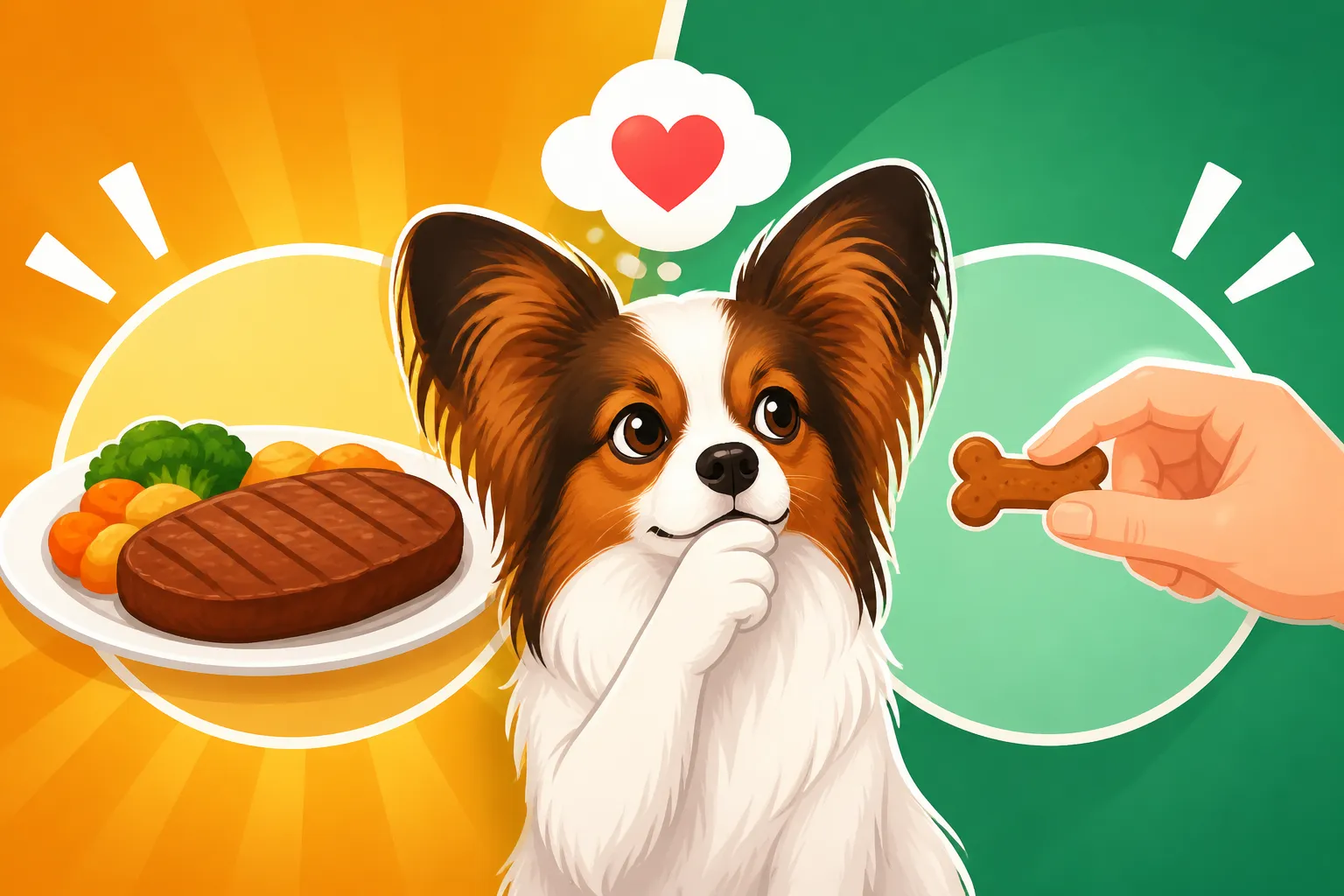
It’s a scenario many Papillon owners know all too well: you place a beautifully prepared bowl of kibble down, only for your clever little companion to sniff it disdainfully, look at you with those big, intelligent eyes, and then, the moment you reach for a treat pouch, their tail starts to wag. It feels like a silent negotiation, doesn’t it? Your Papillon seems to be asking, "Why bother with this mundane dinner when I know you have something far more exciting in that secret stash?" This guide will help you understand why your Papillon might be holding out for training treats instead of eating their regular meals and, more importantly, how to encourage a healthier relationship with food.
The Papillon's Clever Conundrum: Why Dinner Loses to Treats
Papillons are renowned for their extraordinary intelligence. They consistently rank among the smartest dog breeds, often surprising owners with their quick learning abilities and problem-solving skills. This sharp mind isn't just for learning complex agility courses or a dozen new tricks; it also applies to understanding their human's behavior and, yes, manipulating mealtime to their advantage. When a Papillon seems to prefer training treats over dinner, it's usually not a matter of pure pickiness, but rather a calculated decision based on past experiences and the perceived value of different foods.
They are incredibly observant creatures. Your Papillon notices everything, from the crinkle of a treat bag to the specific tone of voice you use when you're about to offer a reward. They learn very quickly that certain actions on your part lead to highly desirable outcomes. If, in the past, their refusal of dinner eventually led to you offering more enticing alternatives or more frequent, higher-value treats, then they've simply learned that holding out is a winning strategy. It’s not malice; it’s just them being incredibly smart and efficient in getting what they want. The Papillon Is the Smartest Toy Breed There Is
The Lure of High-Value Treats
Think about it from your Papillon's perspective. Their regular kibble, while nutritious, is a predictable, everyday occurrence. Training treats, on the other hand, are often special. They might be smaller, smell stronger, or have a more novel texture. They're usually associated with positive interaction, praise, and the exciting mental stimulation of a training session. This combination makes them incredibly high-value. Many owners reach for small, soft, often meaty treats that are easy to swallow quickly during training, which by their very nature are designed to be irresistible.
For a Papillon, whose sense of smell is far more developed than ours, the aroma of a piece of dried liver or a tiny bit of cheese can be far more appealing than their usual dry kibble. The novelty also plays a huge role. If they get the same kibble every day, but training treats vary or are reserved for special occasions, the treats automatically become more exciting. It’s like us choosing a gourmet dessert over a plain salad – sometimes the allure of something different and delicious is just too strong to resist, especially when you know it's readily available.
A History of Outsmarting Humans
Papillons are masters of positive reinforcement, even when it's unintended. They’re excellent at conditioning their humans. If you've ever found yourself coaxing your Papillon to eat by hand-feeding a few pieces of kibble, or sprinkling something irresistible on top, or eventually just giving them a handful of treats because "at least they ate something," then your Papillon has successfully trained you. They’ve learned that persistence pays off, and that holding out on their regular dinner often leads to a much better culinary outcome. This isn't a flaw in their character; it's a testament to their intelligence and their ability to adapt to their environment – which, in this case, includes a very accommodating human.
They understand patterns incredibly well. If the "dinner strike" is consistently followed by a higher-value offering, that pattern is quickly imprinted. This behavior is reinforced every time you give in, even just a little. It becomes a game, and your Papillon quickly learns the rules and how to win. This is particularly true for small breeds who might be doted on a bit more; it's easy to fall into the trap of wanting them to eat something, anything, which can inadvertently reinforce picky eating. What Motivates a Papillon
Understanding the "Dinner Strike" and Its Implications
When your Papillon consistently turns up their nose at dinner in favor of treats, it's more than just a minor inconvenience; it can have significant implications for their health and your routine. This "dinner strike" behavior isn't just about their preferences; it impacts their overall nutrition, can contribute to weight issues, and reinforces a challenging dynamic around food. It’s easy to feel frustrated or worried, especially when you know you’re offering good quality food, but they're still refusing it.
It's a frustrating dance, isn't it? You want your dog to be healthy and well-fed, but you also want them to eat enthusiastically. This can lead to anxiety on your part and, for your Papillon, a learned behavior that could eventually compromise their balanced diet. The long-term effects of consistently undereating their primary food and relying on treats can be quite detrimental, despite how healthy those individual treats might seem. It creates an imbalance that their small bodies are not designed to handle for extended periods.
The Cycle of Undereating and Rewarding
The most direct implication of this behavior is the cycle it creates:
- Refusal: Your Papillon ignores their dinner bowl.
- Concern: You worry they aren't eating enough or getting their nutrients.
- Compromise: You offer a high-value treat, hand-feed, or add appealing (but not always balanced) toppers.
- Reinforcement: Your Papillon learns that refusing dinner leads to better food or special attention.
- Repeat: The cycle continues, often escalating, with them holding out longer or becoming pickier.
This cycle can be incredibly hard to break because it’s deeply ingrained. Your Papillon isn’t doing it to be naughty; they're simply responding to the clear reinforcement they've received. They’ve learned that their dinner bowl is just a placeholder until the real good stuff arrives. This also makes them less likely to try new foods or accept changes to their diet, as they anticipate a more desirable alternative will eventually appear if they just wait it out. It's a classic case of demand feeding, where the dog is dictating the terms.
Health Concerns from an Unbalanced Diet
While a few treats here and there are perfectly fine, a diet predominantly composed of training treats, even high-quality ones, is rarely nutritionally complete and balanced. Dog food, especially quality kibble or fresh food options like those from Ollie, is formulated to provide all the vitamins, minerals, proteins, and fats a Papillon needs for optimal health. Treats, on the other hand, are designed as supplementary rewards, not meal replacements.
Consistently swapping meals for treats can lead to:
- Nutritional Deficiencies: Your Papillon might miss out on essential nutrients if their primary diet isn't eaten.
- Weight Issues: Many treats are calorie-dense. Even a few extra ounces can significantly impact a small Papillon's weight and strain their delicate joints, especially their knees. Why an Overweight Papillon Strains Its Knees
- Digestive Upset: Sudden changes in the proportion of treats to food can upset a sensitive stomach, leading to diarrhea or vomiting.
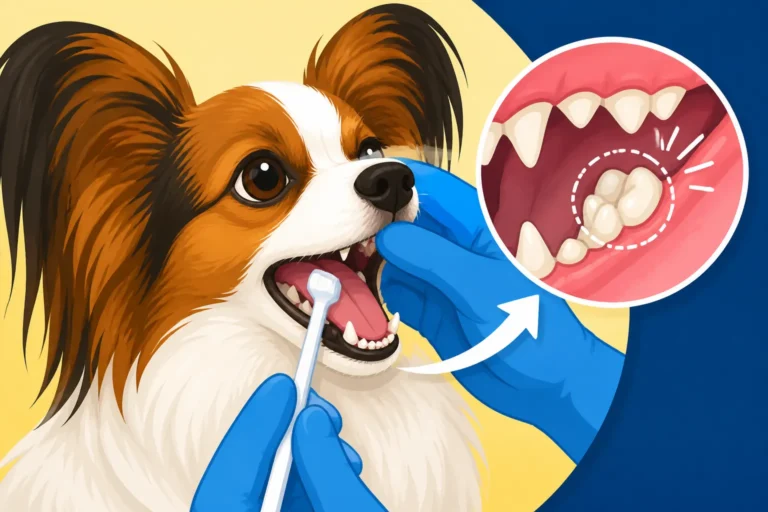
- Dental Health: Dry kibble often has some abrasive quality that can help reduce tartar buildup. Relying on soft treats doesn't offer the same benefit. The Teeth in a Papillon's Small Jaw
- Blood Sugar Fluctuations: Especially for smaller, younger Papillons, inconsistent eating can lead to dips in blood sugar. Why a Papillon Puppy Must Not Go Long Without Food
It's crucial to remember that a healthy Papillon needs a consistent, balanced diet. While their small size might make you think they don't need much, every calorie and nutrient counts for these energetic little dogs. Why a Papillon Skips Meals and Why It Matters
Strategies to Rebalance Your Papillon's Eating Habits
Breaking the habit of a Papillon trading dinner for treats requires patience, consistency, and a bit of a strategic shift on your part. It means changing the "rules" of the game that your clever companion has learned. The goal is to make their regular meals desirable again and redefine the role of treats. It won’t happen overnight, but with dedication, you can encourage a healthier relationship with their food.
Remember, your Papillon isn't trying to be difficult; they're just responding to the learned behaviors that have worked for them in the past. It's up to us, as their loving guardians, to guide them toward healthier choices. This often means being a little tougher than we'd like to be at first, but it’s ultimately for their long-term well-being.
Establishing a Clear Feeding Routine
One of the most powerful tools you have is routine. Dogs thrive on predictability, and establishing a consistent feeding schedule is paramount.
- Set Specific Meal Times: Choose two or three consistent times per day for meals. Stick to these times as much as possible.
- Portion Control: Offer a measured amount of food appropriate for your Papillon's age, weight, and activity level. You can find guidelines on food packaging or consult your vet. Don't just free-feed, especially if pickiness is an issue. How Much an Adult Papillon Eats
- The "Fifteen-Minute Rule": Put the food down for 10-15 minutes. If your Papillon doesn't eat it within that time, pick up the bowl. Do not offer any other food or treats until the next scheduled mealtime. This is the hardest part, but it teaches them that dinner isn't always available and if they want to eat, they need to do it when offered.
- No Snacks Between Meals (Initially): During this re-training phase, strictly limit all snacks and treats outside of designated training sessions. This helps build hunger for their actual meals.
This method teaches your Papillon that food appears at specific times, and if they don't eat it, it disappears until the next opportunity. It eliminates the "holding out" strategy because there's nothing better coming. It might feel harsh, but it's a very effective way to reset their expectations.
Making Dinner More Appealing
While consistency is key, you can also make their regular dinner more enticing without resorting to a full-blown treat swap. The idea is to enhance their main meal, not replace it.
- Warm it Up: Sometimes, simply adding a splash of warm water or low-sodium chicken broth (ensure it's dog-safe, without onions or garlic) can release aromas and make dry kibble more appealing.
- Mix in a Wet Food Topper: A small spoonful of plain canned pumpkin (not pie filling!), plain yogurt, or a high-quality wet dog food can make a huge difference. Brands like Chewy offer a wide variety of meal enhancers and toppers that can make dinner more interesting.
- Consider Fresh Food Options: If you're open to it, a portion of fresh, human-grade dog food, like those offered by Ollie, can be incredibly appealing and nutritionally balanced. Sometimes the texture and freshness alone are enough to break a picky streak. Just ensure any changes are introduced gradually to avoid digestive upset.
- Puzzle Feeders: For intelligent dogs like Papillons, making mealtime a mental challenge can increase engagement. A puzzle feeder or slow-feeder bowl can turn dinner into a fun activity, rather than a boring obligation. You can find many options on Amazon to suit your Papillon's size and problem-solving skills.
- Exercise Before Meals: A good walk or play session before mealtime can stimulate appetite. A tired dog is often a hungry dog. How Far a Papillon Should Walk Daily
When trying these methods, remember to still use the 15-minute rule. The goal is to make the dinner itself more desirable, not to keep offering different options until they finally eat. Getting a Picky Papillon to Eat
Re-evaluating Training Treat Usage
Training treats are vital for a Papillon, given their intelligence and eagerness to learn. The trick is to integrate them wisely so they don't overshadow meals.
- Portion Out Daily Treats: Measure out your Papillon's daily treat allowance at the beginning of the day. This can be a small portion of their regular kibble, cut-up vegetables (like carrots or green beans), or small, low-calorie training treats. Once it's gone, it's gone. This helps manage caloric intake and prevents over-treating.
- Use Lower-Value Treats for Routine Training: Reserve the highest-value, super-special treats for very difficult training challenges or rare occasions. For everyday cues like "sit" or "stay," use smaller, less exciting options, or even pieces of their own kibble.
- Avoid Treating Immediately Before Meals: Don't give treats right before dinner, as it can spoil their appetite.
- Focus on Praise and Play: Remember that treats are not the only motivators. Papillons often respond incredibly well to verbal praise, enthusiastic petting, or a quick game of fetch as rewards. Vary your rewards to keep them engaged without relying solely on food. Which Rewards a Papillon Works For
By thoughtfully managing treat usage, you can maintain their effectiveness in training without creating a scenario where they'd rather hold out for a treat than eat a balanced meal.
| Strategy | Description | Benefits for Picky Papillon |
|---|---|---|
| Strict Meal Schedule | Offer food at consistent times, removing it after 10-15 minutes, no matter how much is eaten. | Teaches predictability; eliminates "holding out"; builds natural hunger. |
| Enhance Dinner Appeal | Add warm water, broth, or a small, healthy topper (e.g., plain pumpkin, wet food). | Makes regular food more palatable and aromatic; stimulates interest. |
| Limit Between-Meal Snacks | During re-training, reduce or eliminate all non-training treats between meals. | Increases hunger for main meals; clarifies that dinner is the primary food source. |
| Use Puzzle Feeders | Present meals in a puzzle toy or slow-feeder bowl. | Provides mental stimulation; slows eating; makes mealtime an engaging activity. |
| Re-evaluate Treat Value | Reserve high-value treats for specific training, use lower-value for daily cues or kibble. | Prevents treats from becoming more appealing than dinner; controls calorie intake. |
| Pre-Meal Exercise | Engage your Papillon in physical activity before offering dinner. | Boosts appetite naturally; helps a tired dog settle to eat. |
When to Seek Professional Guidance
While many Papillons can be re-trained to eat their regular meals with consistent effort, there are times when persistent pickiness, especially when coupled with other symptoms, warrants a professional opinion. It’s always best to err on the side of caution when it comes to your beloved pet’s health. If you’ve tried the strategies above for a reasonable period (say, a couple of weeks) and seen no improvement, or if you notice additional signs of concern, it’s time to reach out to your veterinarian.
It can be hard to know when a behavior is "just a Papillon being a Papillon" or something more serious. Their small size makes them particularly vulnerable to rapid changes in health, so vigilance is key. Trust your gut; if something feels off, it probably is, and a quick check-up can provide immense peace of mind.
Spotting Underlying Medical Issues
Sometimes, a sudden or persistent refusal to eat regular food isn't about being picky, but about feeling unwell. Papillons, like all dogs, can suffer from various health issues that might manifest as a loss of appetite or a preference for only highly palatable foods.
- Dental Pain: A common culprit for picky eating, especially in small breeds like Papillons. Dental disease can be very painful, making it difficult to chew hard kibble. They might prefer softer treats because they require less chewing. Look for bad breath, pawing at the mouth, or visible tartar. How Early Tartar Appears on a Papillon
- Digestive Upset: Upset stomachs, nausea, or reflux can make a dog disinterested in food. They might nibble at a treat but turn away from a full meal.
- Internal Organ Issues: Liver, kidney, or other internal problems can cause general malaise and appetite loss.
- Pain Elsewhere: Arthritis, back pain, or even an injury can make a dog uncomfortable and less interested in eating. They might not show overt limping but just feel generally unwell. Whether a Papillon With a Slipping Knee Is in Pain
- Stress or Anxiety: While not strictly a medical issue, psychological stress can manifest physically, including appetite suppression. Changes in routine, new pets, or household stress can all impact their desire to eat.
If your Papillon is also showing other symptoms like lethargy, vomiting, diarrhea, sudden weight loss, excessive thirst, or changes in bathroom habits, do not hesitate to contact your vet immediately. Even subtle changes in behavior can be significant for a small dog. Signs a Papillon Puppy Is Not Thriving
Consulting a Vet or Behaviorist
If you've ruled out medical causes, and your Papillon continues to be extremely picky or manipulate mealtime despite your best efforts, it might be beneficial to consult with your veterinarian for further guidance. Your vet can perform a thorough examination, including blood work or other diagnostics if needed, to definitively rule out any underlying health problems.
If all physical health concerns are cleared, your vet might suggest consulting with a certified professional dog trainer or a veterinary behaviorist. These experts can assess your Papillon’s specific behavior, your household dynamics, and help you develop a tailored plan to address the picky eating. They can offer insights into canine learning and motivation, and provide strategies that might be more advanced or specific than what a general owner might know. They can also help you understand What a Papillon Does All Day and how their daily activities might influence their eating patterns. Sometimes, an objective third party can spot subtle cues or patterns that we, as doting owners, might miss. They can help you implement strategies that finally stick, ensuring your Papillon gets the balanced nutrition they need to thrive over their long, happy life.
Disclaimer
This article is for general informational purposes only and does not constitute professional advice. Laws, prices and regulations vary by location and change over time. Consult a qualified professional for guidance on your specific situation.