The Papillon Is the Smartest Toy Breed There Is
It can be incredibly frustrating when you hear people dismiss small dogs as mere lap ornaments, especially when you know a Papillon isn't just a pretty face – they're brimming with intelligence. This guide is here to celebrate the undeniable brainpower of the Papillon, validating your experiences and offering deep insights into how to harness their sharp minds for a truly fulfilling partnership, from puppyhood through their golden years.
Understanding the Papillon's Brain Power
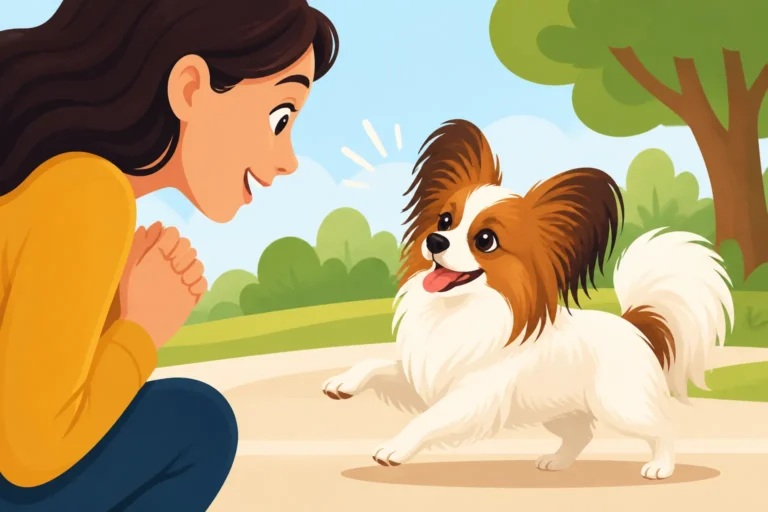
If you've spent any time with a Papillon, you know that underneath all that glorious ear fringe and silky coat lies a whirring, active mind. These aren't dogs content to simply sit and look cute; they thrive on mental engagement. It's truly a delight to witness, but it also means that owning one comes with a responsibility to keep those gears turning. Many people are genuinely surprised by how quickly a Papillon picks up new concepts, often outpacing much larger, traditionally "working" breeds in terms of sheer learning speed.
Why Papillons Are So Quick to Learn
The Papillon’s rapid learning ability isn't just anecdotal; it's a hallmark of the breed. They possess an exceptional capacity for observation, memory, and problem-solving. Think about it: they live in a human world, often navigating complex home environments, and they excel at figuring out how to get what they want. This quick grasp of cause and effect translates directly into their training aptitude. They connect a cue to an action and a reward almost instantly, making them incredibly satisfying to teach. It’s like they’re always a step ahead, often anticipating what you’re going to ask before you even fully form the thought.
Part of this inherent quickness comes from their keen desire to please and their strong bond with their human companions. They often watch your every move, picking up on subtle body language cues that other dogs might miss. This attentiveness makes them highly receptive to training. They're not just performing a trick; they're engaging in a conversation with you, trying to understand your expectations and meet them. This also means that consistency is key; they'll quickly pick up on inconsistencies in your training, too! If you teach "sit" one way one day and another way the next, they'll notice, and it might slow their progress.
Their small size also plays a role in how we perceive their quickness. A tiny dog doing complex tasks feels almost magical. But size aside, they have a natural curiosity and an eagerness to explore their environment, both physically and mentally. This drive to understand the world around them fuels their learning, turning every new experience into an opportunity to absorb information. It's this combination of intelligence, attentiveness, and a desire to engage that makes them such incredibly fast learners.
Comparing Papillon Intelligence to Other Breeds
When we talk about dog intelligence, many people immediately think of Border Collies, Poodles, or German Shepherds. And while those breeds are undeniably brilliant, the Papillon often ranks right up there with them, especially in categories related to obedience and adaptive intelligence. Stanley Coren, a renowned canine psychologist, famously ranked the Papillon as the 8th smartest dog breed overall in his book "The Intelligence of Dogs," placing them ahead of many breeds far more commonly associated with high intelligence. That's not just "smart for a toy breed" – that's smart, period. It can be a real point of pride for Papillon owners, and a delightful surprise for those who might have underestimated the breed.
This ranking puts them in the top tier for "working and obedience intelligence," meaning they understand new commands quickly and obey them consistently. Consider breeds like the Labrador Retriever (7th) or the Rottweiler (9th) – the Papillon is right there in the mix, demonstrating an incredible capacity for understanding and execution. This isn't to say one breed is "better" than another, but it certainly shatters any misconceptions that small size equates to small brains. They might not be herding sheep, but they can certainly outwit you in a game of hide-and-seek or learn an entire freestyle routine with astonishing speed. It's often said that a Papillon needs How Many Repetitions a Papillon Needs far fewer than many other breeds to grasp a new concept.
Their intelligence isn't just about learning tricks, though. They exhibit excellent adaptive intelligence, meaning they can learn and adjust to new situations easily. This makes them highly adaptable pets, capable of thriving in various environments, from bustling city apartments to quiet country homes. They watch, they learn, they adapt. This cognitive flexibility is a huge part of their charm and why they integrate so seamlessly into their human families. They don't just react; they process and respond thoughtfully.
The Link Between Intelligence and Behavior
An intelligent dog is often a well-behaved dog, given the right guidance and mental stimulation. But here's the kicker: an intelligent dog that isn't given enough to do can quickly become a mischievous or even "naughty" dog. A bored Papillon brain will find its own entertainment, and often, that means activities you might not appreciate, like excessive barking, chewing inappropriate items, or developing clever ways to get into things they shouldn't. It's not malice; it's simply a testament to their need for mental engagement. They truly need to feel like they have a job to do, even if that job is just learning a new trick or solving a puzzle toy.
Take, for instance, a Papillon who starts "counter surfing" for crumbs. It's not just a random act; it's a learned behavior. They observed you preparing food, noticed crumbs falling, perhaps even saw you drop something, and connected the dots: "food appears on this elevated surface." Their intelligence allows them to strategize and problem-solve. To combat this, you need to engage their brain in more constructive ways. Redirect that problem-solving energy into positive reinforcement training, puzzle toys, or even simple games of "find it" around the house. They're quick enough to learn complex scent work, for example, which can be incredibly satisfying for them.
This link also means that a Papillon can be incredibly sensitive to your mood and energy. They pick up on subtle cues, and if you're frustrated, they'll often sense it. This is why positive reinforcement training works so beautifully with them. They thrive on praise, treats, and joyful interaction. Harsh corrections or impatient training methods are not only ineffective but can actually damage their confidence and dampen their eager spirit. Instead of learning, they might shut down or become anxious. A happy, engaged Papillon, whose intelligence is respected and channeled, is truly one of the most delightful companions you could ask for.
Harnessing Their Smarts: Early Training & Socialization
Bringing home a Papillon puppy is an exciting time, and it’s also the prime window to lay the groundwork for a well-adjusted, confident, and brilliantly behaved adult dog. Don't let their small size fool you into thinking they don't need rigorous training or extensive socialization; in fact, their intelligence demands it. They are like sponges, soaking up every experience and lesson, good or bad, from the moment they arrive.
Starting Training From Puppyhood
The old adage "you can't teach an old dog new tricks" absolutely does not apply to a Papillon, but starting early with positive, consistent training is still paramount. As soon as your Papillon puppy steps paw into your home, the learning begins. Even before formal obedience classes, you're teaching them about your home, your routine, and what's expected of them. Think of it as a continuous dialogue, not just scheduled lessons. Simple things like teaching them their name, coming when called, and where to potty are all fundamental first steps. For ideas on getting started, you might find valuable resources like BAXTER & Bella, which offers online puppy training programs that can be incredibly helpful for new owners. They really understand the value of early, consistent positive reinforcement.
Puppyhood is also when you introduce the concept of crate training. Many owners worry about crating a small dog, but a crate can become a safe, comfortable den for your Papillon, especially important for intelligent breeds who benefit from having their own space. It aids in house training dramatically because dogs instinctively avoid soiling their sleeping area. Short, positive sessions with treats and toys in the crate will teach them to view it as a haven, not a punishment. This is also the time to begin shaping their interaction with the world around them, even something as simple as teaching them to accept being handled and examined, which will make future vet visits and grooming much less stressful.
Crucially, focus on positive reinforcement. Papillons are highly food-motivated, but they also crave praise and affection. Reward desired behaviors immediately and consistently. If they sit, "Yes! Good sit!" followed by a tiny, high-value treat. If they go potty outside, a cheerful "Good potty!" and a reward. Avoid punishment, as it can confuse and frighten an intelligent, sensitive breed. Instead, redirect unwanted behaviors. If they're nipping, offer a chew toy. If they're barking at the doorbell, calmly redirect their attention to you with a treat and praise. Remember, consistency is your best friend when training a smart dog like a Papillon. When to Start Training a Papillon Puppy is essentially day one in your home.
The Importance of Early Socialization for Intelligent Breeds
Socialization is about so much more than just letting your puppy play with other dogs; it's about exposing them to a wide variety of sights, sounds, people, and experiences in a positive and controlled way. For an intelligent breed like the Papillon, proper socialization is non-negotiable. Without it, their sharp minds can lead them to become fearful, anxious, or even reactive to new situations, precisely because they're intelligent enough to "overthink" novel stimuli. A well-socialized Papillon is confident and adaptable, rather than wary of the unknown. They learn that the world is a safe and interesting place.
Think about all the things your Papillon puppy will encounter: children, strangers, different types of flooring, cars, vacuum cleaners, bicycles, people in hats, people with umbrellas, other dogs of all sizes, and even cats. Each of these needs to be a neutral or positive experience. Enroll your puppy in a reputable puppy class where they can safely interact with other vaccinated puppies and learn appropriate play behavior under supervision. These classes also provide exposure to new people and a structured environment, which is excellent for their developing minds. The more positive experiences they have in puppyhood, the more resilient and calm they will be as adults.
Beyond puppy class, actively seek out opportunities for positive exposure. Take your puppy to a pet-friendly store, sit on a park bench and let them watch people and dogs from a distance, or introduce them to friends and family in a calm setting. Always keep these experiences positive with treats and praise, and never force an interaction. If your puppy seems overwhelmed, remove them from the situation and try again later, perhaps at a greater distance. Remember, a Papillon's intelligence means they'll remember these early experiences, so make them good ones. This foundation will help prevent common issues like excessive barking at strangers or fear-aggression towards other dogs later in life.
Making Training Fun and Engaging
Papillons, with their high intelligence and playful spirit, thrive on training that feels like a game rather than a chore. Repetitive, drill-like training sessions can quickly bore them, and a bored Papillon is a disengaged Papillon. The key is to keep sessions short, positive, and varied. Aim for 5-10 minute sessions a few times a day, rather than one long, tedious hour. End each session on a high note, even if it's just by asking for an easy trick they know well. This leaves them wanting more, eager for the next training session.
Incorporate play into your training. Use a favorite toy as a reward, or weave training cues into a game of fetch. For example, before throwing the ball, ask for a "sit" or a "down." Once they perform it, immediately toss the toy. This makes training a part of their play, reinforcing the idea that listening to you leads to good things. For a breed that loves to learn, making it enjoyable ensures they remain enthusiastic participants. What Motivates a Papillon is often a combination of food, praise, and play, so mix it up to keep them guessing and engaged.
Consider clicker training. Papillons respond exceptionally well to the clear, precise marker of a clicker. The click tells them exactly the moment they performed the desired behavior, which is incredibly helpful for a quick-witted dog. Pair the click with a high-value treat, and you'll see how rapidly they connect the two. Many Papillon owners also find that incorporating puzzle toys from brands like Amazon can be a fantastic way to engage their dog's brain outside of formal training. These toys challenge them to figure out how to get a treat, tapping into their natural problem-solving abilities and preventing boredom. Varying the types of puzzles keeps them mentally stimulated and prevents them from getting too good at one specific type.
Beyond Basic Obedience: The Papillon's Thirst for Knowledge
If you think basic "sit," "stay," and "come" are the pinnacle of a Papillon's training potential, you're only scratching the surface. These little dynamos are capable of so much more, and they genuinely enjoy the challenge of learning complex tasks. Their keen minds actively seek out new things to master, making them ideal candidates for a wide range of advanced activities.
Teaching Complex Tricks and Sequences
The Papillon’s intelligence makes them absolute superstars when it comes to learning tricks. They don't just learn a single trick; they can string together entire sequences, demonstrating impressive cognitive flexibility and memory. Think about a dog that can bow, then spin, then weave through your legs, and finally "play dead" on cue – a Papillon can master all of that, and often much faster than you'd expect. Their natural agility and compact size also make them particularly adept at physically intricate tricks. They seem to relish the opportunity to show off their cleverness.
To teach complex tricks, break them down into smaller, manageable steps, a technique known as "shaping." For example, to teach "play dead," start by rewarding a down, then rewarding a roll onto their side, then a full roll onto their back, and finally adding the cue word and hand signal. Each small success builds confidence and understanding. Because they pick up on subtle cues so well, hand signals can be just as important as verbal commands, if not more so. Consistency in your cues is vital, as they'll quickly associate specific gestures or words with actions. Many Papillon owners find that their dogs can learn Which Tricks a Papillon Picks Up First, often delighting in "high five" or "spin."
Don't be afraid to challenge them! If they master a trick quickly, think about adding a new element or combining it with another. Teach them to fetch specific named toys, close doors, or retrieve your slippers. These kinds of tasks not only keep their minds sharp but also make them incredibly helpful (and adorable) companions around the house. The satisfaction you both get from a successful trick session is immense. They love the attention and the mental workout, and you'll be constantly amazed by their capacity to learn.
Exploring Advanced Obedience and Rally
While often seen as dainty lapdogs, Papillons are fiercely competitive and excel in formal obedience and rally competitions. These aren't just about cute tricks; they require precision, focus, and a deep understanding of commands, often performed off-leash in distracting environments. A Papillon’s ability to concentrate and their strong desire to work with their handler makes them formidable competitors in these sports. They prove that intelligence and a small stature can indeed lead to big accomplishments.
In advanced obedience, a Papillon will perform intricate sequences like heeling patterns, retrieves, jumps, and scent discrimination tasks with impressive accuracy. This demands not only learning the commands but executing them flawlessly under pressure. Rally obedience, a more relaxed version of traditional obedience, involves navigating a course with numbered stations, each instructing the dog and handler to perform a specific exercise. This sport is particularly well-suited to the Papillon's intelligence, as it requires them to interpret multiple sequential commands and maintain focus throughout the course. They truly enjoy the partnership and the mental challenge. You can often see them working with an almost joyful intensity.
These sports are fantastic for building an even stronger bond with your Papillon. The hours spent training, perfecting, and competing deepen your communication and mutual understanding. They learn to trust your direction implicitly, and you learn to read their subtle cues. It's a journey of continuous learning for both of you, and many Papillon owners find that these activities fulfill their dog's intense need for mental work. If you're looking for a sport that truly showcases Where the Papillon Ranks for Obedience Intelligence, look no further than advanced obedience and rally.
The Joy of Canine Freestyle with a Papillon
Canine freestyle, often described as "dog dancing," is an art form that combines obedience, tricks, and music into a choreographed routine. And guess what? Papillons absolutely shine in this sport. Their natural grace, agility, and eagerness to learn complex sequences make them perfect candidates for developing dazzling freestyle routines. It’s a wonderful outlet for their intelligence and creativity, allowing them to express themselves while working closely with their handler.
Imagine your Papillon weaving between your legs, jumping over your arm, spinning, bowing, and even walking backward, all perfectly synchronized to music. This isn't just a fantasy; it's a reality for many Papillon owners who dive into canine freestyle. The sport demands an impressive repertoire of tricks, excellent body awareness from the dog, and seamless communication between dog and handler. Because Papillons are so quick to learn new movements and can adapt their bodies to perform intricate steps, they often excel at creating captivating routines. They look like tiny, elegant dancers, light on their feet and full of expressive joy.
Freestyle is also an incredible way to keep your Papillon mentally and physically stimulated. It requires memory, coordination, and the ability to link many different behaviors into a smooth flow. Plus, the creative aspect of choreographing a routine is a blast for handlers. It's a beautiful demonstration of the partnership between human and dog, highlighting the Papillon's intelligence, trainability, and willingness to engage in sophisticated activities. If you want to see just how smart and versatile your Papillon can be, explore the world of canine freestyle.
Agility Champions: How Papillons Excel in Dog Sports
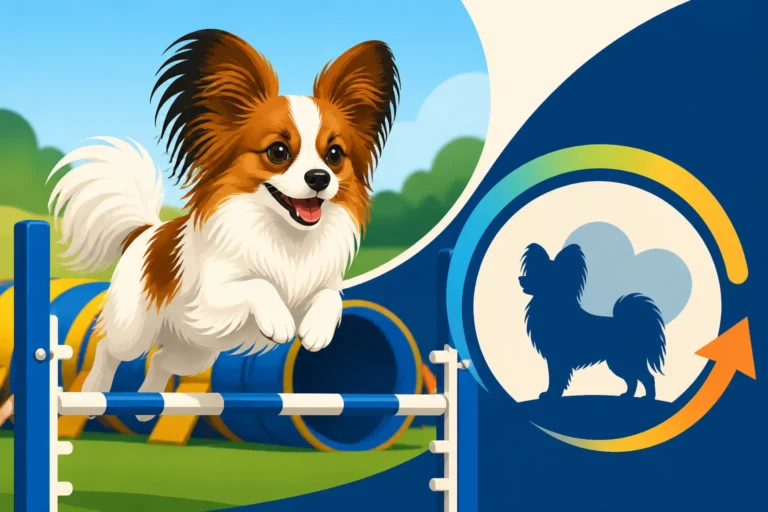
One of the most thrilling ways to witness a Papillon's intelligence and athleticism is by watching them fly through an agility course. These small dogs are not just participants; they are often champions, blazing trails and leaving larger breeds in their dust. Their combination of speed, agility, and sharp minds makes them perfectly suited for this fast-paced sport.
Why Papillons Dominate Agility
It might seem counterintuitive to see a delicate-looking Papillon outmaneuvering much larger, more powerful breeds on an agility course, but it happens all the time. The reason is simple: their unique physical and mental attributes are perfectly aligned with the demands of the sport. Firstly, their small size is actually an advantage. They can turn on a dime, their tight corners shave off precious seconds, and their compact bodies allow them to navigate obstacles with incredible precision and less momentum to overcome. They are like tiny, turbocharged sports cars. The speed with which they can change direction is genuinely astonishing.
Secondly, their intelligence is absolutely key. Agility isn't just about running fast; it's about problem-solving on the fly. Dogs need to understand complex sequences of obstacles, listen to handler cues, and make split-second decisions about foot placement, jump height, and direction. A Papillon’s quick thinking allows them to process these commands rapidly and adjust their bodies instantly. They have an innate understanding of space and trajectory, making them naturals at judging distances for jumps and contacts. Why a Papillon Dominates Small Dog Agility really comes down to this incredible combination of brain and brawn, perfectly packaged in a tiny frame.
Finally, their incredible drive and focus complete the picture. Papillons are often highly motivated by toys and treats, and they possess an intense desire to please their handler. When they're in the zone on an agility course, they block out distractions and give their all. They thrive on the challenge and the exhilarating feeling of working in partnership with their human. It’s a pure joy to watch a Papillon weave through poles or scale an A-frame with such enthusiasm and precision, demonstrating just how much dog is packed into their small bodies.
Preparing a Papillon for Agility Training
Starting an agility journey with your Papillon is incredibly rewarding, but it requires careful preparation to ensure both safety and success. While Papillons are natural athletes, their small joints, particularly their knees, need protection. This means no jumping or weaving until their growth plates are fully closed and their bodies are mature, usually around 12-18 months of age. Prematurely stressing their joints can lead to injuries like patellar luxation, which can be a significant health concern for the breed. Whether a Papillon's Knees Limit Agility is a crucial consideration, and responsible training always prioritizes health.
Before hitting the full course, focus on foundational skills. Build a strong recall, teach them basic obedience commands (sit, stay, down), and work on impulse control. A Papillon needs to be able to focus on you amidst distractions. Practice body awareness exercises, like walking over different surfaces or stepping over low obstacles, to build confidence and coordination. Introduce them to different pieces of equipment without height or speed, allowing them to get comfortable walking through tunnels, on planks, or over wobble boards. Make it a fun game, always using positive reinforcement.
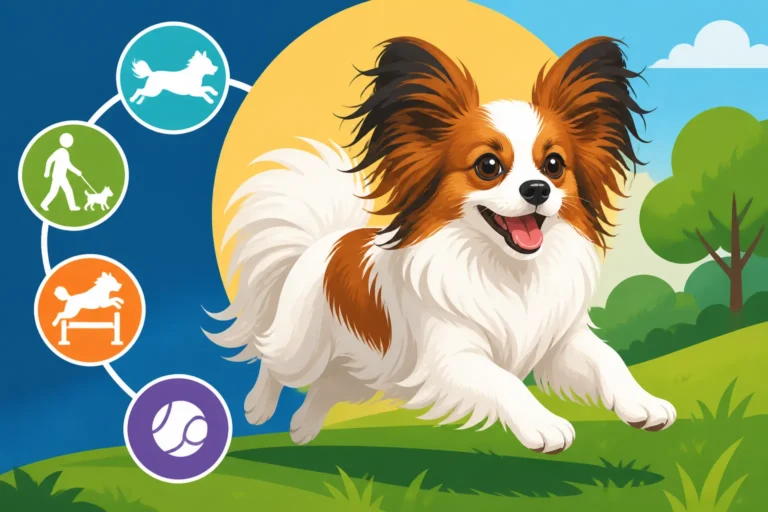
A solid diet and appropriate exercise outside of training are also essential. Keep your Papillon at a healthy weight to reduce strain on their joints. Regular walks and interactive play sessions will build their stamina and muscle tone. Think of it as cross-training for a tiny athlete. When you do start formal agility classes, choose an instructor who emphasizes positive reinforcement, safety, and proper body mechanics for small dogs. This careful preparation ensures your Papillon is physically and mentally ready to tackle the challenges of agility safely and joyfully.
Navigating Common Agility Challenges
Even for highly intelligent and athletic Papillons, agility comes with its own set of unique challenges. One common hurdle, especially for such a fast little dog, is maintaining contact with the contact obstacles (A-frame, dog walk, teeter-totter). Dogs must touch a designated "contact zone" with at least one paw on the way down, and a Papillon's speed can sometimes make them want to fly over these zones. Training these contacts thoroughly with a "two-on/two-off" method (where they stop with two paws on the ground in the contact zone) is essential from the beginning.
Another challenge can be weave poles. While Papillons are often fantastic at them once they learn the skill, the initial teaching can be intricate. It requires precise body movement and understanding a complex pattern. Many handlers use channels or guide wires to help their Papillon learn the correct weaving motion before slowly removing the aids. Patience and consistency are key here, rewarding every small step towards the correct pattern. For a visual learner like the Papillon, demonstrating the path with your body can be very effective.
Finally, navigating the course at top speed while listening to handler cues can be tricky. A Papillon’s intelligence means they'll often anticipate the next obstacle, sometimes leading them to "pre-run" parts of the course. This is where strong directional cues and a solid bond of trust come into play. Clear, concise handling and lots of practice running short sequences help them learn to wait for your command before committing to an obstacle. It's a dance between their speed and your guidance, and it takes time and practice to perfect. But watching them master these challenges is truly a testament to their incredible capabilities.
Living with a Genius: Addressing Common Behavioral Quirks
Living with an exceptionally intelligent dog like a Papillon is a unique experience, full of joy and constant amusement. However, their smarts also mean they can develop certain behavioral quirks if their mental and physical needs aren't adequately met. Understanding these tendencies is the first step in addressing them and ensuring a harmonious home.
The "Bossy" Papillon and Managing Assertiveness
It's a common observation among Papillon owners: these tiny dogs often act like they run the household. They have an undeniable assertiveness, a confidence that sometimes borders on "bossy," especially towards other pets or even larger dogs. This isn't necessarily aggression, but rather a strong personality and an intelligent understanding of social dynamics. They know how to get what they want and aren't afraid to communicate it. This bold demeanor is part of their charm, but it needs to be managed to prevent it from becoming problematic. They don't think of themselves as small; in their minds, they are just as big as anyone else.
This assertiveness can manifest in various ways: demanding attention, guarding toys or food, or trying to herd other animals (or even people) in the house. Because they are so intelligent, they quickly learn which behaviors yield results. If barking or nudging gets them attention or a treat, they will continue to do it. The key is consistent, positive leadership from you. Establish clear boundaries and routines. Make sure you initiate playtime and cuddles sometimes, rather than always responding to their demands. Reward calm behavior and ignoring them when they are being overly pushy.
If you have multiple pets, especially larger dogs, monitor their interactions. While Papillons generally get along well with other animals, their assertiveness means they might not back down from a bigger dog, potentially leading to unintended injuries for the smaller Papillon. Teach all pets to respect each other's space. Utilize techniques like "place" commands to teach your Papillon to go to a designated spot and stay there, providing an appropriate outlet for their focus and impulse control. Remember, their "bossiness" isn't malicious; it's just their intelligent way of trying to organize their world, and you need to show them you're the benevolent leader.
Dealing with Barking: An Intelligent Breed's Vocal Tendencies
Papillons are often described as being prone to barking, and while it's true they can be quite vocal, it's usually tied to their intelligence and their role as diligent watchdogs. They're quick to alert you to anything out of the ordinary, whether it's a leaf blowing past the window, a squirrel in the yard, or the mail carrier approaching. Their sharp hearing and keen observational skills mean they pick up on things long before you do, and they feel it's their job to tell you about it. This is why Why a Papillon Barks So Much is a common concern for owners.
The challenge is to manage the barking so it doesn't become excessive or a nuisance, especially in close living quarters. Because they're so smart, they quickly learn that barking gets a reaction from you, even if that reaction is telling them to "be quiet." In their minds, you're just barking with them! The goal is to teach them an "alert bark" followed by a "quiet" command. When they bark at the doorbell, let them bark once or twice, then praise them, say "Quiet," and immediately reward them when they stop. This teaches them to alert, then listen to your command.
Environmental management can also help. Block their view of outside triggers with window film or curtains if they're constantly barking at passersby. Provide plenty of mental and physical exercise to reduce boredom barking. Puzzle toys, training sessions, and walks can burn off energy that might otherwise be channeled into vocalizations. Consistency from everyone in the household is vital. If one person allows endless barking and another tries to stop it, your intelligent Papillon will become confused and continue the behavior that occasionally gets rewarded.
Preventing Boredom and Destructive Behaviors
A bored Papillon is a recipe for destructive behavior. Their high intelligence means they constantly need mental stimulation, and if you don't provide it, they will find their own ways to entertain themselves. Unfortunately, these self-chosen activities often involve chewing furniture, shredding papers, or digging at carpets. It's not out of spite; it's simply a brain that needs a job to do. Recognizing this need is crucial for preventing unwanted behaviors. Providing What Mental Work a Papillon Needs is not optional, it's essential for their well-being.
Prevention is key here. Ensure your Papillon gets adequate daily exercise, not just physical walks, but also mentally engaging activities. Daily training sessions, even short ones, can make a huge difference. Rotate their toys to keep things fresh and exciting. Invest in a variety of puzzle toys and chew toys. Brands found on Amazon offer a fantastic selection, from treat-dispensing balls to interactive feeders. These require your Papillon to think and work for their reward, which is incredibly satisfying for their intelligent minds.
When you can't actively engage with your Papillon, provide them with appropriate enrichment. A Kong stuffed with peanut butter or cream cheese and frozen can keep them happily occupied for a significant period. Rotate these boredom busters so they don't get tired of them. If you work long hours, consider hiring a dog walker or arranging for doggy daycare a few times a week, or perhaps looking into BAXTER & Bella for more remote enrichment ideas. This ensures they get the mental and physical stimulation they need, even when you're not there. Remember, a tired brain (and body) is a good brain, less likely to invent destructive games.
The Papillon as a Companion: Therapy, Service, and Family Life
Beyond their dazzling intelligence in sports and tricks, Papillons possess a remarkable capacity to enrich human lives as devoted companions. Their intelligence, combined with their eager-to-please nature and charming personalities, makes them surprisingly versatile in various roles, from therapy work to being cherished family members.
Papillons in Therapy and Service Roles
While often not the first breed that comes to mind for service work due to their small size, the Papillon's exceptional intelligence, strong bond with their handler, and calm demeanor (when properly trained) make them excellent candidates for certain therapy and even some service roles. Their compact size makes them ideal for visiting hospitals, nursing homes, and schools, as they can easily fit into laps and beds, offering comfort and joy without being intimidating.
As therapy dogs, Papillons excel. Their gentle nature, coupled with their ability to pick up on human emotions, allows them to connect deeply with individuals in need of comfort. They are often calm and attentive during visits, happily accepting pets and offering a warm, furry presence. The simple act of stroking a Papillon can reduce stress and anxiety in patients, demonstrating the profound impact these little dogs can have. Their charming appearance and friendly disposition make them instant favorites wherever they go. They're small enough to be portable, yet robust enough in personality to engage effectively.
For service work, while they might not pull a wheelchair, a Papillon can be trained for tasks that require keen intelligence and fine motor skills. This includes alerting to sounds for hearing-impaired individuals, retrieving small dropped items, or providing deep pressure therapy for individuals with anxiety or PTSD. Their unwavering focus on their handler is a huge asset. The key is finding a dog with the right temperament and a dedicated trainer to harness their innate intelligence for these crucial roles. It’s truly amazing to see Whether a Papillon Can Be a Service Dog when carefully selected and trained.
Integrating a Papillon into a Family with Children
One might assume that a small, delicate Papillon isn't the ideal choice for a family with young children, but with proper introductions, supervision, and training for both dog and child, a Papillon can be a wonderful family companion. Their intelligence means they can learn to navigate the dynamics of a bustling household, and their playful spirit makes them excellent playmates for respectful children. However, due to their fragility, caution is always advised, particularly with very young children.
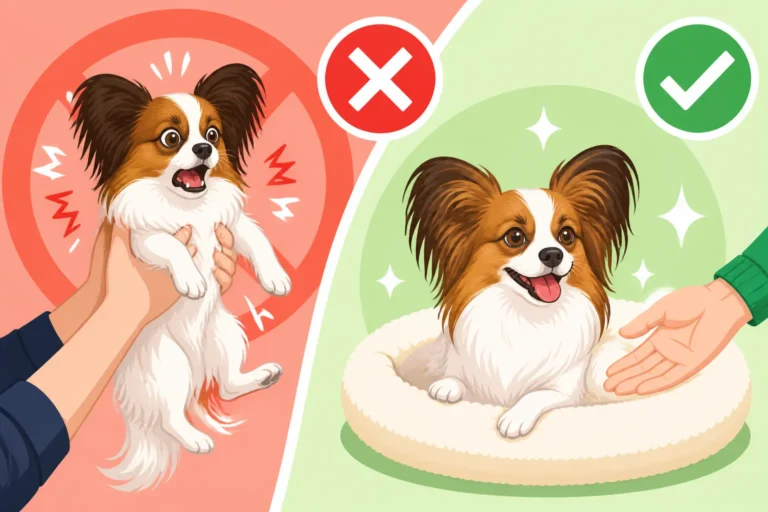
The most critical factor is teaching children how to interact appropriately with a small dog. This means no pulling on ears or tail, no roughhousing, and understanding that the dog needs its own space. Children should be taught to approach calmly, pet gently, and respect boundaries. Likewise, the Papillon needs to be socialized to children from a young age, learning that children are a source of positive experiences (treats, gentle play). A well-socialized Papillon will be tolerant and understanding, rather than fearful or defensive.
For families with toddlers or infants, direct, unsupervised interaction should be avoided completely. A Papillon can easily be injured if accidentally stepped on or dropped. Instead, teach your Papillon to go to a "place" (like their bed or crate) when children are active, providing them with a safe retreat. As children grow and learn responsibility, the Papillon's intelligence allows for a delightful partnership in games and gentle play. They are keen participants in family life and thrive on being included, assuming they are treated with kindness and respect. With thoughtfulness, a Papillon can truly flourish in a family setting.
Building a Strong, Lifelong Bond with Your Intelligent Companion
The most rewarding aspect of owning a Papillon is the deep, almost telepathic bond you can build with these intelligent creatures. Because they are so attuned to their human companions, they become incredibly devoted and responsive. This bond isn't just about love; it's built on mutual respect, clear communication, and consistent positive interaction. It's a partnership where both sides actively contribute.
To foster this lifelong bond, consistency in training, routine, and affection is paramount. Papillons thrive on predictability and appreciate knowing what to expect. Engage their minds daily through training, games, and new experiences. Spend quality time together, whether it’s a cuddle session on the sofa, a spirited game of fetch, or a challenging training session. These shared activities reinforce their place in your family and deepen their trust in you. Remember, they are fiercely loyal and crave your companionship.
This strong bond also means they are incredibly sensitive to your emotions. They will often try to comfort you when you're sad or share in your joy. This emotional intelligence is a hallmark of the breed and one of the most endearing qualities. Treat your Papillon with kindness, patience, and understanding, and they will repay you with unwavering devotion and a lifetime of delightful companionship. Their intelligence means they understand far more than we often give them credit for, making every interaction a chance to strengthen that incredible connection.
Maintaining Mental Sharpness Throughout Their Lives
A Papillon's intelligence isn't just for puppyhood or their prime adult years; it's a lifelong trait that needs to be nurtured. Just like humans, dogs benefit from continued mental stimulation as they age. For a Papillon, whose mind is one of their greatest assets, keeping those cognitive gears well-oiled is essential for their overall well-being and quality of life.
Senior Papillons and Continued Mental Stimulation
As your Papillon moves into their golden years, typically around The Age a Papillon Is Considered Senior (around 10-12 years old), their physical abilities might slow down, but their need for mental engagement often remains strong. It’s a common misconception that senior dogs just want to sleep all day. While they might need more rest, their brains still crave activity. Neglecting mental stimulation in senior dogs can lead to cognitive decline, boredom, and even behavioral changes. Keeping their minds sharp helps maintain their overall vitality and happiness.
The types of mental stimulation might shift slightly for a senior Papillon. High-impact agility might be out, but low-impact brain games are definitely in. Continue with short, positive training sessions, reviewing tricks they already know and perhaps teaching a few new, less physically demanding ones. Scent games are excellent for older dogs as they rely on their powerful sense of smell, which often remains strong even as sight and hearing might diminish. Hide treats around the house and encourage them to "find it," which is both mentally stimulating and physically gentle.
Puzzle toys are still invaluable for senior Papillons. Look for ones that are easy for them to manipulate if their dexterity isn't what it once was. Consider softer chew toys if their teeth are getting sensitive. Gentle walks in new environments, even if shorter, provide novel smells and sights, which are great for brain health. Think of it as intellectual enrichment that keeps their neurons firing and helps maintain their cognitive function, warding off mental decline. Caring for a Papillon Past Eleven definitely involves keeping their minds active.
Adapting Training for an Aging Papillon
Training your senior Papillon needs to be adapted to accommodate any physical limitations they might be experiencing. Their enthusiasm for learning won't likely wane, but their bodies might not keep up as easily. This means adjusting expectations, modifying exercises, and always prioritizing their comfort and safety. Just because they're older doesn't mean they can't still learn and engage; it just means the approach needs to be more thoughtful.
If your Papillon has developed arthritis or What Patellar Luxation Does to a Papillon, replace high jumps or quick turns with gentler activities. Focus on stationary tricks or ones that require minimal movement. Use softer surfaces for training to reduce impact. Break sessions down into even shorter segments, and allow for more frequent rest breaks. If their eyesight or hearing is declining, rely more on tactile cues (gentle touches) or exaggerated hand signals, or introduce new verbal cues in a louder, clearer voice. Their intelligence will help them adapt to these new communication methods.
It’s also crucial to be observant. If your senior Papillon seems to be struggling with a task, consider if it's due to a physical limitation rather than a lack of understanding. Be patient and compassionate. Celebrate even small successes, and remember that the goal is engagement and enjoyment, not perfection. Continued positive reinforcement, even just for simple tasks, keeps their spirits high and reinforces your bond. Your intelligent Papillon will appreciate the adaptations and continue to thrive on the mental connection with you.
The Benefits of Lifelong Learning
Lifelong learning offers immense benefits for Papillons, regardless of their age. For young Papillons, it builds confidence, reinforces good behavior, and provides an outlet for their boundless energy. For adult Papillons, it prevents boredom, maintains their skill set, and strengthens the handler-dog bond. And for senior Papillons, it helps preserve cognitive function, improves mood, and keeps them engaged with the world around them. It's truly a cornerstone of a long, happy, and fulfilling life for this intelligent breed.
Engaging your Papillon in new learning experiences throughout their life helps keep them mentally flexible and adaptable. It’s like exercise for their brain, preventing it from getting "stiff." It can also act as a buffer against anxiety or stress, as a dog that regularly learns new things is often more confident in new situations. The sense of accomplishment they feel after mastering a new trick or puzzle is palpable, adding to their overall quality of life.
Ultimately, by embracing your Papillon's intelligence at every stage of their life, you're not just training a dog; you're cultivating a brilliant companion who will constantly surprise and delight you. Their eagerness to learn, their capacity for understanding, and their unwavering devotion make them truly special. So, keep learning, keep playing, and keep those brilliant Papillon brains sharp!
| Age Stage | Key Training Focus | Mental Stimulation Examples | Physical Activity Considerations |
|---|---|---|---|
| Puppy (8-16 weeks) | Basic obedience, house training, socialization | Puppy puzzles, simple retrieve, name recognition, body handling | Short, frequent play sessions; safe exposure to new environments |
| Adolescent (4-12 months) | Refining obedience, impulse control, advanced socialization | Trick training, intro to agility foundations (no jumps), scent games | Longer walks, supervised play with appropriate dogs, explore new trails |
| Adult (1-9 years) | Advanced obedience, dog sports, complex tricks | Agility, rally, canine freestyle, complex puzzle toys, fetch/retrieval | Varies by individual; sustained cardio, agility training, hiking |
| Senior (10+ years) | Gentle review, maintaining routine, comfort cues | Scent work, easy puzzle toys, familiar tricks, novel sensory experiences | Shorter, gentler walks; swimming (if they enjoy it); massage, stretching |
Disclaimer
This article is for general informational purposes only and does not constitute professional advice. Laws, prices and regulations vary by location and change over time. Consult a qualified professional for guidance on your specific situation.