Where the Papillon Ranks for Obedience Intelligence
One of the most common frustrations for new dog owners, especially those new to smaller breeds, is grappling with preconceived notions about canine intelligence. Many people assume that smaller dogs are inherently less capable or more difficult to train than their larger counterparts, often leading to a lack of investment in proper training and enrichment. This comprehensive guide will shatter those myths, diving deep into where the Papillon truly stands in the world of canine intelligence, what that means for you as an owner, and how to best nurture their brilliant minds.
Understanding Canine Intelligence Rankings
When we talk about dog intelligence, it's not always as simple as "smart" or "not smart." There are different facets to what makes a dog intelligent, and various ways to measure it. It’s a topic that fascinates many of us, and understanding these nuances is key to appreciating your Papillon's unique capabilities.
The Concept of "Obedience Intelligence"
Most commonly, when people refer to a dog's intelligence rank, they are thinking about what's known as "obedience intelligence" or "working intelligence." This particular type of intelligence primarily measures a dog's ability to learn and understand human commands, and how consistently and quickly they respond. It's about their aptitude for following directions, solving problems presented by a handler, and their overall trainability. This isn't necessarily about independent thought or emotional intelligence, but rather their capacity to absorb and apply learned behaviors within a structured environment. For many owners, this is the most practical form of intelligence, as it directly impacts daily life and the ability to live harmoniously with their canine companion.
Stanley Coren's Rankings Explained
The most widely cited authority on canine intelligence rankings is Dr. Stanley Coren, a professor of psychology and a neuropsychological researcher. His book, The Intelligence of Dogs, introduced a ranking system based on surveys of hundreds of obedience judges across North America. He categorized dog breeds into several tiers based on how many repetitions it took for them to learn a new command and the percentage of times they obeyed a known command on the first try. His findings positioned the Papillon impressively high on this list. It's crucial to remember that these rankings are generalizations based on breed tendencies, not strict rules for every individual dog, but they offer a valuable benchmark for understanding a breed's potential.
Why Breed Rankings Aren't the Whole Story
While Coren's rankings provide a useful framework, it's really important to approach them with a healthy dose of realism. A breed ranking is an average, a tendency, not a guarantee. Just like in humans, there's a wide range of individual differences within any given breed. Factors like genetics, early socialization, the quality of training, and even the dog's diet and overall health can significantly impact how an individual Papillon performs. A Papillon from a less carefully bred line, or one that hasn't received consistent training, might not exhibit the same level of "intelligence" as one from champion obedience lines with a dedicated owner. It also doesn't account for other forms of intelligence, such as adaptive intelligence (problem-solving on their own) or instinctual intelligence (what they were bred to do), which can be equally important.
The Papillon's Placement in Intelligence Hierarchies
Prepare to be impressed, because the little Papillon consistently punches far above its weight class when it comes to brains. This isn't just about being cute; it's about genuine cognitive ability that makes them a joy to train.
Unpacking the Papillon's High Ranking
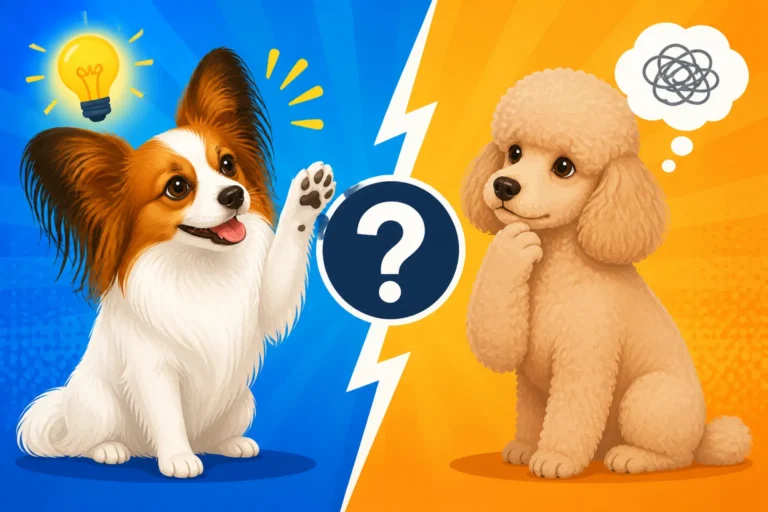
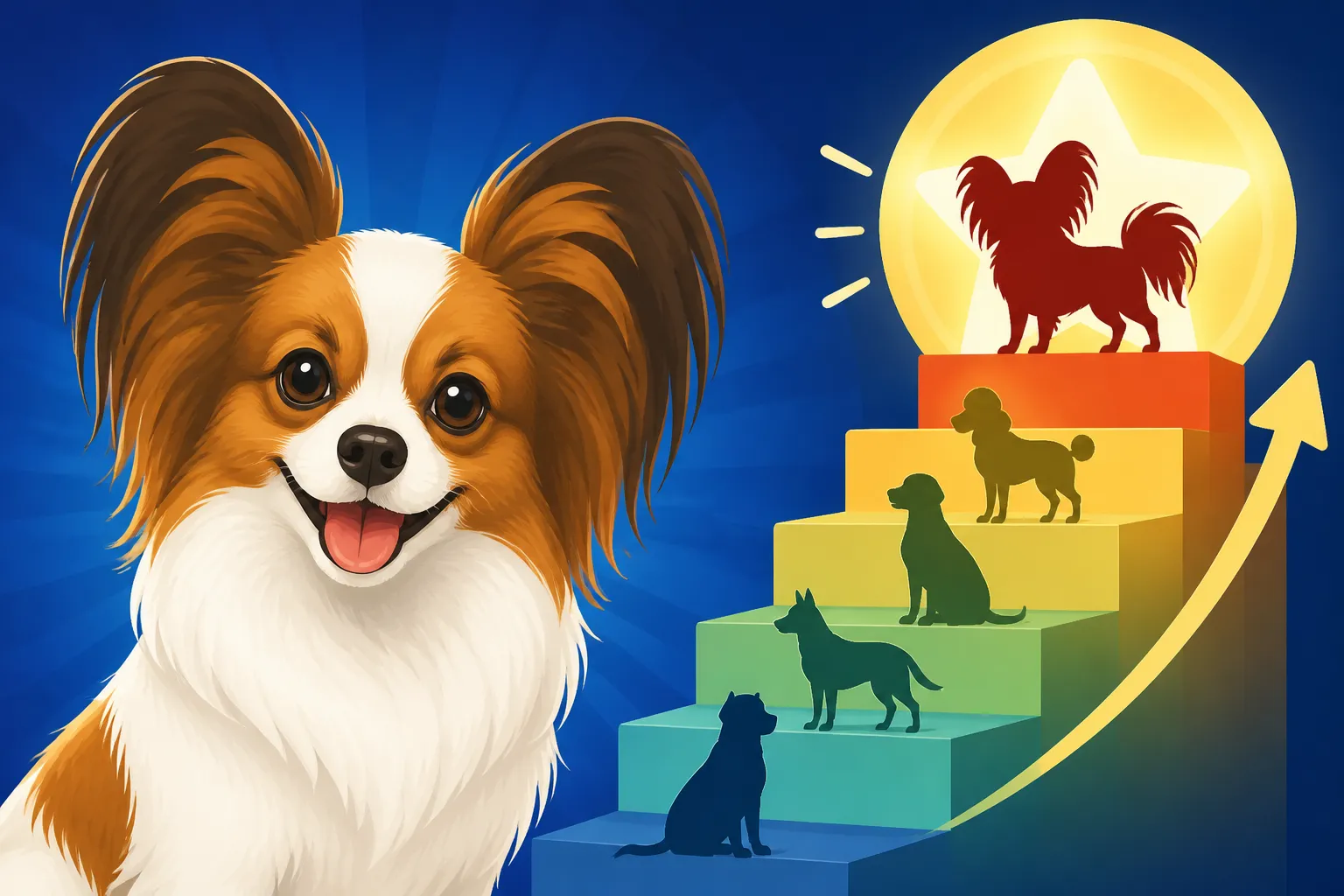
According to Stanley Coren's widely respected scale, the Papillon ranks as the 8th most intelligent dog breed overall and the smartest of all the toy breeds. Yes, you read that right – eighth! This places them among canine giants like the Border Collie, Poodle, and German Shepherd. For context, dogs in this top tier typically learn new commands in fewer than five repetitions and obey a known command on the first try 95% of the time or more. This isn't just a testament to their sharp minds, but also to their eagerness to engage and their strong desire to please their human companions. When you consider their small stature, this ranking is truly remarkable and speaks volumes about the "big dog" intelligence packed into their tiny frames. The Papillon Is the Smartest Toy Breed There Is goes into even more detail on this topic.
What This Means for Training Expectations
This high intelligence ranking comes with both incredible advantages and a few unique responsibilities for Papillon owners. On the upside, you can expect your Papillon to pick up new commands and routines with astonishing speed. They are often quick to house-train and can learn a vast repertoire of tricks and behaviors. This means you won't be slogging through endless repetitions, and you'll likely see progress very quickly, which is incredibly motivating for both dog and owner. However, this also means they thrive on mental stimulation. Underestimate their need for engagement, and you might find their cleverness redirected into less desirable activities, like finding creative ways to get into mischief or developing undesirable habits. Their quick learning ability also means they can just as quickly learn bad habits if not guided properly.
Real-World Examples of Papillon Learning
In the real world, a Papillon's intelligence translates into some truly impressive feats. I've seen Papillons in agility rings flawlessly navigate complex courses, demonstrating incredible focus and understanding of intricate handler cues. These are not just dogs running; these are dogs actively interpreting a sequence of commands, making split-second decisions, and executing them with precision. Beyond sports, in everyday life, a Papillon might learn the names of their toys, fetching "Lamby" or "Squeaky Ball" on command. They often quickly understand complex routines, like knowing "bedtime" means a specific sequence of events, or that certain words mean a walk or a treat. They are known for their ability to learn by observation, sometimes picking up behaviors by watching you or other dogs. For example, my neighbor's Papillon, Pip, learned to open the back gate by watching her Golden Retriever do it, much to her owner's surprise (and brief dismay!). How Fast a Papillon Learns a New Cue provides further insights into their learning speed.
Traits That Contribute to the Papillon's Intelligence
It’s not just about a high score on a test; it’s about the inherent qualities that make the Papillon such a quick study. These traits have been refined over centuries, contributing to their remarkable cognitive abilities.
Eagerness to Please and Handler Focus
One of the most defining characteristics that fuels the Papillon's high intelligence ranking is their intense eagerness to please their human companions. Unlike some breeds that might be more independent or driven by instinctual tasks, Papillons thrive on interaction and positive reinforcement from their owners. They form incredibly strong bonds and are highly attuned to their handler's moods and cues. This focus makes them exceptionally receptive to training, as they genuinely want to understand what you're asking and succeed in earning your approval (and a tasty treat, of course!). This partnership mentality is a huge asset, turning training into a collaborative and rewarding experience rather than a battle of wills.
Problem-Solving Abilities Beyond Basic Cues
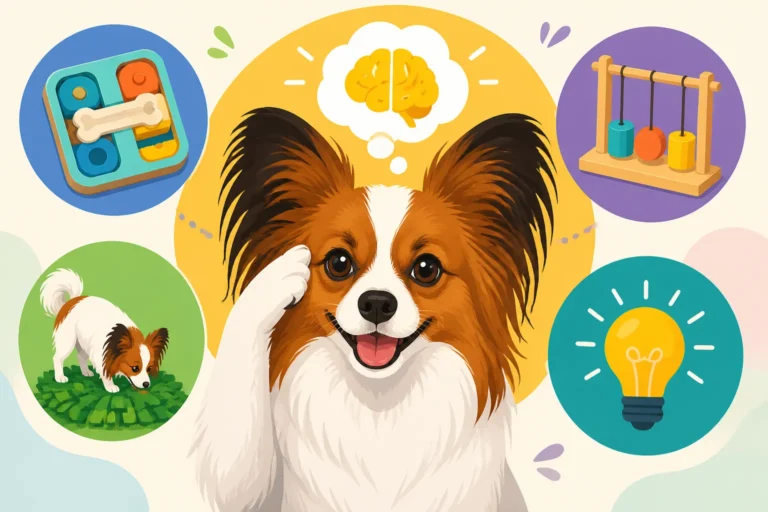
Papillons aren't just rote learners; they possess genuine problem-solving capabilities. This isn't limited to simply responding to a "sit" command. Their intelligence shines when presented with novel situations or mental puzzles. Give a Papillon a complex puzzle toy, and they will methodically work to figure out how to get the treat, often employing various strategies until they succeed. They can often figure out how to manipulate latches, open cupboards, or even escape enclosures if they're motivated enough. This adaptive intelligence means they can think on their feet and aren't stumped by minor variations in commands or environments, making them incredibly versatile companions. How Many Tricks a Papillon Can Learn explores their potential for complex learning.
Adaptability and Environmental Awareness
Another key trait contributing to the Papillon's intelligence is their remarkable adaptability and keen environmental awareness. They are often highly observant of their surroundings, noticing subtle changes in household routines, people's emotions, and even external sounds or movements. This awareness helps them quickly assess new situations and learn what is expected of them in different contexts. They can adapt to various living situations, from bustling city apartments to quiet suburban homes, as long as their mental and physical needs are met. This adaptability also extends to learning new social rules, whether it's how to behave politely with guests or how to interact appropriately with other animals.
Harnessing a Papillon's Bright Mind in Training
Owning a highly intelligent dog like a Papillon is an incredible opportunity, but it requires a thoughtful and consistent approach to training. You don't want all that brainpower to go to waste, or worse, be misdirected.
The Importance of Early Socialization and Puppy Classes
Given their intelligence and sensitive nature, early and thorough socialization is absolutely critical for a Papillon puppy. From a young age, expose them to a wide variety of sights, sounds, people, and safe, vaccinated dogs in a positive and controlled manner. Puppy classes are an excellent investment, not just for basic obedience, but for structured socialization opportunities. These classes help shape a confident, well-adjusted adult dog who isn't overwhelmed by new experiences. Programs like those offered by BAXTER & Bella can be a real game-changer for puppy socialization and training from the comfort of your home, especially if in-person classes are hard to find. A well-socialized Papillon will be more open to learning and less prone to developing fear-based behaviors or excessive barking. When to Start Training a Papillon Puppy offers more guidance on this topic.
Effective Training Methods for a Smart Breed
Because Papillons are so intelligent and eager to please, positive reinforcement methods work exceptionally well. They respond beautifully to praise, gentle encouragement, and high-value treats. Clicker training, in particular, can be incredibly effective, providing clear and consistent markers for desired behaviors. Avoid harsh corrections or punishment, as these can easily damage their trust and sensitive spirit, potentially making them shut down or become fearful. Keep training sessions short, frequent, and fun. A Papillon can get bored if asked to repeat the same thing endlessly, so mix it up! Introduce new challenges regularly to keep their minds engaged. You might find a fantastic selection of brain games and clickers on Amazon that can complement your training efforts.
Keeping Training Engaging and Fun
For a breed as intelligent as the Papillon, training shouldn't stop after basic obedience. They thrive on continuous learning and mental stimulation. Think beyond "sit" and "stay." Introduce trick training – they pick up complex tricks like weaving through legs, retrieving specific items, or even bowing with surprising speed. Agility, rally obedience, or scent work are fantastic outlets for their energy and intelligence. These activities not only provide physical exercise but also challenge their minds, build confidence, and strengthen the bond between you. Even simple brain games at home, like hiding treats and encouraging them to find them, can be incredibly enriching. What Mental Work a Papillon Needs delves deeper into keeping them engaged.
Potential Challenges of Owning a Highly Intelligent Papillon
While their intelligence is largely a blessing, it's important to be aware that it can present its own set of challenges. A smart dog isn't always an "easy" dog, and misunderstanding this can lead to frustration for both you and your Papillon.
The Risk of Boredom and Destructive Behavior
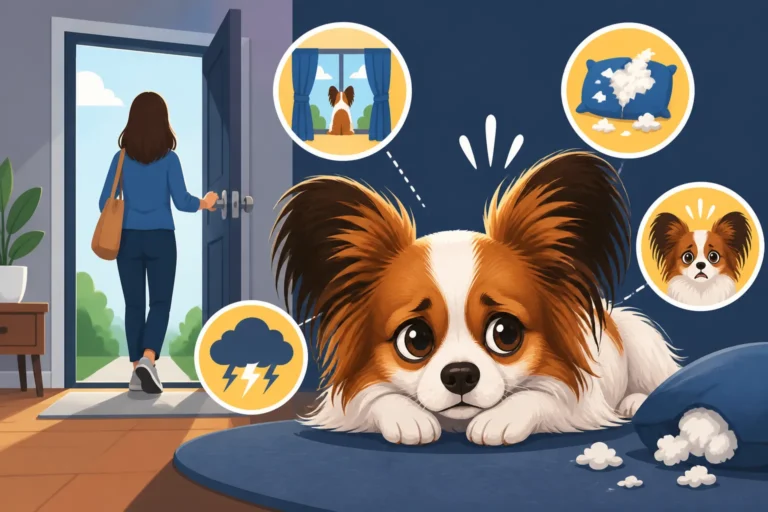
A bored Papillon is a recipe for trouble. Their active minds need an outlet, and if you don't provide constructive ones, they will invent their own – and you probably won't like their choices! This can manifest as excessive barking, inappropriate chewing, digging, or even developing neurotic habits. They might become adept at counter-surfing for forgotten snacks, or unraveling toilet paper rolls for "fun." This isn't them being "bad"; it's them being smart and finding ways to entertain themselves when under-stimulated. Providing plenty of puzzle toys, regular training sessions, interactive play, and quality time spent engaging their brains can prevent many of these issues.
Overthinking and Pattern Recognition
Papillons are keen observers and excellent at recognizing patterns. While this helps them learn quickly, it can also lead to them "overthinking" situations or becoming overly sensitive to routines. For example, if you always give a treat after a walk, they might become insistent on the treat, even demanding it. If you inadvertently reward an unwanted behavior once, they're likely to repeat it, thinking it's part of the new pattern. This means owners need to be very mindful of what behaviors they are inadvertently reinforcing. They can also quickly learn to anticipate your next move, sometimes trying to get ahead of a command, which requires you to be consistent and clear in your communication. Whether a Papillon Outsmarts Its Owner explores this dynamic further.
Managing a Papillon's Assertiveness and Cleverness
Despite their dainty appearance, Papillons are often incredibly self-assured and can be quite assertive, especially if they sense a leadership vacuum. Their intelligence allows them to test boundaries and, if given an inch, they'll often take a mile. This isn't aggression, but rather a display of their cleverness and strong will. Without consistent, positive training, they might decide they know best, leading to issues like selective hearing, resource guarding, or even "managing" their humans. It’s crucial to establish clear rules and expectations from the outset, using their intelligence to your advantage by making them understand that cooperating with you brings the best rewards.
Here's a quick look at how the Papillon's learning ability compares to typical dog breeds:
| Category | Breeds in Category (Examples) | Repetitions for New Command | Success Rate (First Command) | Papillon Comparison |
|---|---|---|---|---|
| Top Tier (Brightest) | Border Collie, Poodle, German Shepherd | < 5 | 95% or higher | Papillon is in this tier (8th overall!) |
| Excellent Working Dogs | Labrador Retriever, Doberman Pinscher | 5-15 | 85% or higher | Papillon learns even faster and more reliably. |
| Above Average Working Dogs | Siberian Husky, Boxer, Great Dane | 15-25 | 70% or higher | Papillon surpasses these significantly. |
| Average Working/Obedience | St. Bernard, Chihuahua, Bulldog | 25-40 | 50% or higher | Papillon is far more capable in this regard. |
| Fair Obedience Intelligence | Basset Hound, Mastiff, Shih Tzu | 40-80 | 30% or higher | Papillon's learning is in a different league entirely. |
| Lowest Obedience Intelligence | Afghan Hound, Basenji | 80-100+ | 25% or lower | No comparison; Papillon is at the opposite end of the spectrum. |
This table clearly illustrates just how exceptional the Papillon's obedience intelligence truly is. They aren't just one of the smartest toy breeds; they are one of the smartest breeds period. This makes them incredibly rewarding partners for anyone willing to invest in their mental and physical enrichment. Whether it's Starting a Papillon in Agility, teaching them complex tricks, or simply enjoying their quick wit, owning a Papillon means you have a truly brilliant companion by your side. What a Papillon Does All Day explores how to channel that intelligence.
Disclaimer
This article is for general informational purposes only and does not constitute professional advice. Laws, prices and regulations vary by location and change over time. Consult a qualified professional for guidance on your specific situation.