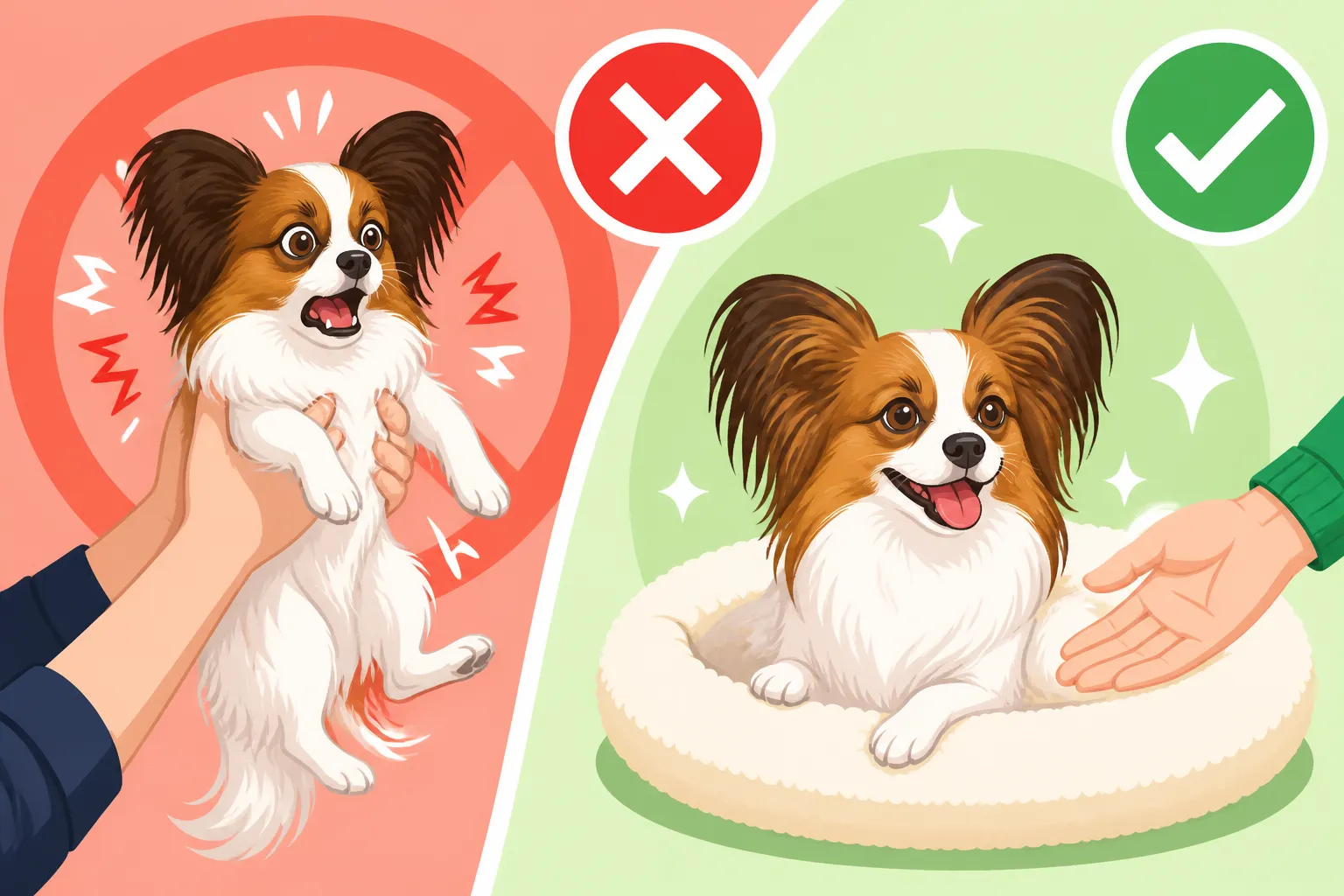
Why Picking a Papillon Up Makes It Worse
It’s a common, almost automatic reaction when your small Papillon faces a perceived threat or gets overstimulated: you scoop them up. We’ve all done it, out of a protective instinct, a desire to calm them, or perhaps to remove them from a tricky situation. But for many Papillon owners, this well-meaning gesture often leads to a perplexing reality: the behavior doesn’t improve, and sometimes, it seems to get worse. This guide will delve into why picking up your Papillon can exacerbate their issues, and more importantly, what empowering alternatives you can embrace for a more confident, well-adjusted companion.
The Instinct to Scoop and Why It Fails with Papillons
That moment when your Papillon barks frantically at a passing large dog, or shrinks back from a stranger, your immediate thought is often to gather them into your arms. It feels right, doesn't it? You're protecting your tiny, delicate friend. However, while your intentions are pure, this common reaction can inadvertently teach your Papillon some unhelpful lessons. They're incredibly smart little dogs, arguably The Papillon Is the Smartest Toy Breed There Is, and they are always learning from our actions, even when we don't realize we're teaching.
It Rewards and Reinforces Fear or Aggression
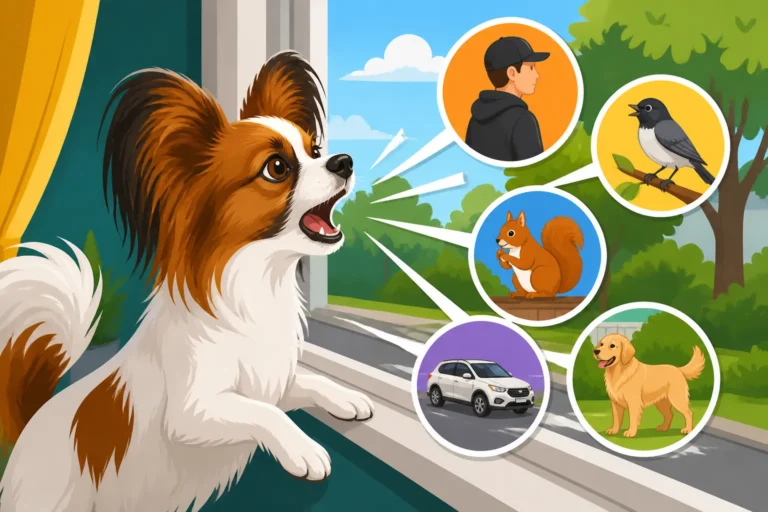
When you pick up your Papillon during a moment of fear, anxiety, or even reactive barking, you are, in essence, validating their perceived danger. Imagine your dog sees a large, bouncy Golden Retriever approaching. Your Papillon starts to bark and lunge, perhaps trembling slightly. You, wanting to keep them safe, quickly lift them. From your Papillon's perspective, this sequence of events goes something like this: "Big scary dog! I barked! My human saved me! Phew, the scary thing went away because I made a fuss and my human removed me from danger."
This doesn't teach them that the Golden Retriever isn't actually a threat, or that they can cope with it. Instead, it reinforces the idea that their fear-based reaction (barking, growling, lunging) is effective at making the scary thing disappear. Each time this happens, the connection strengthens: fear/aggression -> owner intervention -> escape from perceived threat. Over time, this cycle creates a dog that relies on you to "save" them, becoming more, not less, reactive. They learn that escalating their behavior is the key to safety, leading to a more anxious and potentially more aggressive dog in similar situations.
It Prevents Social Learning and Problem-Solving
Dogs learn a tremendous amount from interacting with their environment and from processing situations. When you constantly intervene by picking your Papillon up, you strip them of opportunities to learn coping mechanisms or to realize that many perceived threats are actually benign. A Papillon might initially be fearful of a child or another dog, but given appropriate, controlled exposure and positive reinforcement, they can learn to differentiate between genuine danger and harmless encounters. They need the chance to observe, to process, and to respond in a calmer, more appropriate way.
By removing them from the situation immediately, you're not allowing them to develop the resilience and problem-solving skills necessary to navigate the world. They don't learn how to "disengage" from a situation, how to offer a polite sniff, or how to simply ignore something that isn't a threat. Instead, they remain stuck in a state of high alert, relying on you as their constant shield. This can be particularly detrimental if you have a dog that truly believes A Papillon Has No Idea It Is Small, often leading them to challenge much larger dogs, making the owner's instinct to pick them up even stronger and the cycle harder to break.
The Physical and Psychological Impact of Constant Lifting
Beyond reinforcing undesirable behaviors, the act of frequently picking up your Papillon can have deeper implications, both for their mental state and their physical well-being. It's not just about what they learn, but about how they feel and how their body is impacted over time.
Creating a Sense of Vulnerability and Lack of Control
While a Papillon might enjoy being held for comfort or cuddles, being suddenly snatched up during a stressful event can be unsettling. Imagine being in a situation where you feel uneasy, and someone abruptly lifts you off your feet, disorienting you and taking away your ability to stand on your own four paws. For a dog, this loss of control can actually intensify their anxiety. They haven't had a chance to assess the situation, to choose to move away, or to decide their own course of action. They are suddenly vulnerable, suspended, and entirely at your mercy.
This constant removal of autonomy can lead to a dog that feels less secure in the world. They might become hyper-vigilant, always looking to you for reassurance, rather than developing their own confidence. Instead of feeling empowered to handle situations, they feel dependent and perhaps even more fragile. This can manifest in clinginess, increased anxiety when left alone, or a heightened sense of fear in new environments because they haven't learned to trust their own ability to navigate them. It's important to foster their inherent boldness, helping them to interact with the world from a place of grounded stability.
The Risk of Accidental Drops and Injury
This might seem obvious, but it's a critical consideration, especially for such a delicate breed. Papillons, with their fine bones and small stature, are particularly susceptible to injury from falls. A momentary lapse in judgment, a sudden movement by the dog, or an unexpected jostle can lead to a severe injury. Even a short fall from human height can result in broken bones, concussions, or internal damage. Many Papillons already face a predisposition to orthopedic issues, such as patellar luxation, making any impact even more concerning. While Whether a Papillon Should Be Picked Up When Threatened might feel like the safest option at the moment, the long-term risk of physical harm from an accidental drop cannot be overstated.
Furthermore, if your Papillon is struggling with a slipping kneecap, repetitive or sudden lifting and setting down could potentially aggravate this condition. It's not just falls from your arms; jumping from furniture is also a concern for these little dogs. We, as owners, need to be mindful of setting up an environment that protects them, reducing the need for them to jump or for us to constantly lift them. Even if you're incredibly careful, accidents can happen, and for a small dog like a Papillon, the consequences can be devastating.
Empowering Your Papillon: Alternative Strategies for Better Behavior
The good news is that you don't have to resort to constant lifting to manage your Papillon's anxieties or reactive behaviors. With their high intelligence and eager-to-please nature, Papillons are highly trainable. What Motivates a Papillon often comes down to praise, treats, and play, making positive reinforcement a very effective tool. Instead of removing them, we can equip them with the skills and confidence to handle challenging situations on their own four feet.
Building Confidence Through Training and Exposure
The key to preventing reactive behavior is often building your dog's confidence. This involves controlled, positive exposure to the things that trigger them, coupled with consistent training. For instance, if your Papillon barks at other dogs, start with very distant, brief exposures where they can see the other dog but are not overwhelmed. Reward calm behavior heavily. This is where early and consistent training comes in. A reputable online training program, like those offered by BAXTER & Bella, can provide structured lessons that build a strong foundation of obedience and confidence, teaching your Papillon to focus on you even with distractions.
Think of it as giving them a toolkit to navigate the world. Teach them reliable cues like "look at me," "touch," or "leave it." These aren't just tricks; they're vital communication tools that allow you to redirect their attention and provide clear instructions when they might otherwise become overwhelmed. Practicing these cues in various environments, gradually increasing distractions, will empower your Papillon to handle more situations independently. Remember, How Short a Papillon's Training Session Should Be is important; keep it fun and positive, ending before they get bored or frustrated. Even complex skills like Teaching a Papillon to Weave Between Legs can be broken down into small, achievable steps, building their self-assurance with every success.
Teaching a "Go To Mat" or "Place" Cue
One incredibly powerful alternative to picking up your Papillon is teaching them a "Go To Mat" or "Place" command. This cue teaches your dog to go to a designated spot (a mat, a dog bed, a crate) and stay there until released. It gives them a safe, predictable "home base" when company arrives, during meal times, or when there's general commotion in the house. This provides them with an alternative to reacting with fear or excitement, allowing them to settle and observe from a secure distance.
This command is invaluable for managing situations where you might otherwise feel the need to scoop them up. For example, if a child approaches, instead of lifting your Papillon, you can send them to their "place." They learn that their mat is a safe haven, and they gain control by knowing what's expected of them. You can find excellent durable dog beds or mats on platforms like Amazon that are perfect for this training, providing a clear visual boundary for their "place." The ability to confidently send your dog to their mat also serves to reduce unnecessary physical contact that can inadvertently promote dependence.
Managing the Environment Proactively
Environmental management is your secret weapon. Instead of reacting to situations by picking up your dog, try to anticipate and manage their environment to prevent triggers. If your Papillon barks excessively at people or dogs passing by the window, consider using frosted window film or closing blinds during peak times. If guests are coming over, put your Papillon in a separate, secure room with a puzzle toy or a long-lasting chew before they arrive. This way, your dog isn't exposed to their triggers in an uncontrolled manner, reducing the likelihood of a negative reaction.
For walks, consider walking during off-peak hours if other dogs are a trigger. Invest in a comfortable, well-fitting harness rather than a collar, as this provides better control and reduces pressure on their delicate trachea, especially if they are prone to pulling or suddenly reacting. Whether a Papillon Should Wear a Harness Instead of a Collar is a crucial consideration for their comfort and safety. You can find a wide variety of suitable harnesses on Amazon. When thinking about safety at home, consider installing pet ramps or steps next to furniture so your Papillon can safely get up and down without needing to be lifted, or risking injury from jumping, which is important for protecting their delicate knees. By setting up your home and routine to minimize triggers, you'll find fewer instances where you feel compelled to pick your Papillon up, leading to a calmer, more confident little butterfly dog.
Disclaimer
This article is for general informational purposes only and does not constitute professional advice. Laws, prices and regulations vary by location and change over time. Consult a qualified professional for guidance on your specific situation.