How Fast a Papillon Learns a New Cue
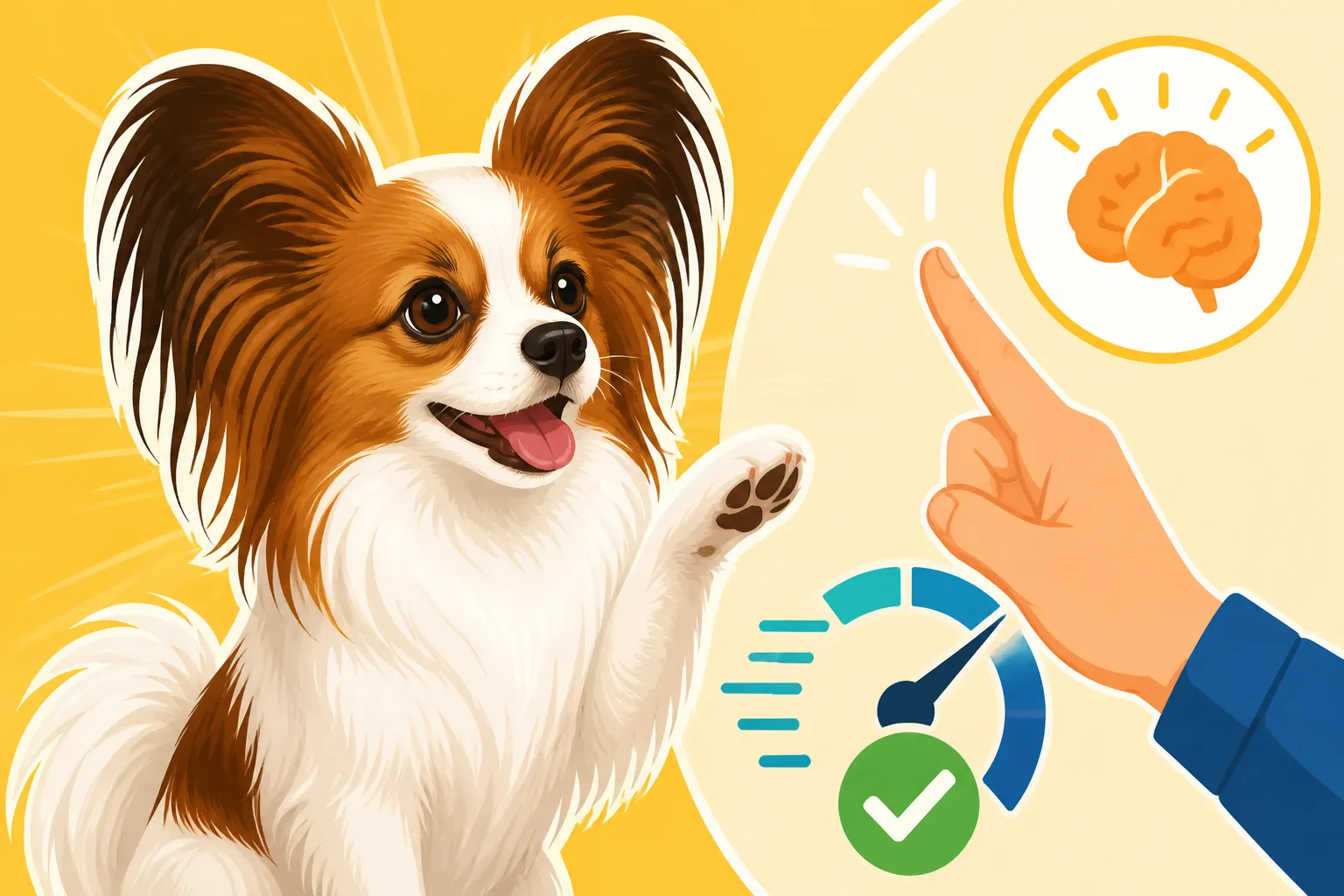
One of the most common questions new Papillon owners ask, or even those just admiring the breed, is about their intelligence. We hear so much about how smart they are, but what does that really mean for daily life? It means that when you decide to teach your little butterfly dog a new cue, you're often in for a delightful surprise at just how quickly they pick things up. This guide will walk you through what to expect when training a Papillon, exploring their remarkable learning speed and how you can best harness it.
The Papillon's Innate Learning Prowess
It's not just a rumor; Papillons are genuinely considered one of the smartest dog breeds out there, often ranking incredibly high, sometimes even among the top ten overall. For a toy breed, this intelligence is truly outstanding, and it's one of the many reasons they're such a joy to train. Their minds are constantly whirring, eager to engage, and incredibly absorbent when it comes to new information.
Breed Ranking and Reputation
When you hear about dog intelligence rankings, often developed by researchers like Stanley Coren, Papillons consistently land at the top of the toy group and impressively high among all breeds. What this signifies is their ability to understand new commands with very few repetitions and their readiness to obey those commands on the first try a high percentage of the time. This isn't just about being "cute" or "clever"; it's about genuine cognitive ability that makes training an almost effortless dance rather than a battle of wills.
Think about it: many dogs require dozens, even hundreds, of repetitions to truly grasp a new verbal cue or hand signal. A Papillon? You might find them understanding the concept in a handful of sessions, sometimes even fewer. This inherent intellectual curiosity and capacity for learning makes them fantastic candidates for everything from basic obedience to advanced trick training and dog sports. It's truly a testament to their breed's development over centuries, focusing on companionship and quick wit. The Papillon Is the Smartest Toy Breed There Is delves deeper into this fascinating aspect of their heritage.
The Instinct to Please
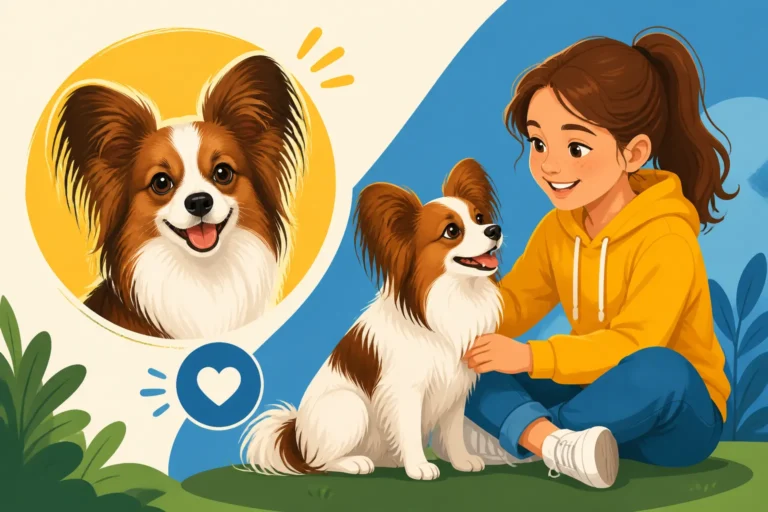
Beyond raw intelligence, Papillons possess a strong desire to please their people. This isn't unique to them, of course, but combined with their brainpower, it creates a powerful synergy for training. They thrive on interaction, praise, and the positive attention that comes from successfully completing a task you've asked of them. This isn't a dog that will deliberately ignore you out of stubbornness often; instead, they'll usually be keenly focused on what you want them to do next.
This instinct to please means they are highly motivated by your approval, making positive reinforcement a highly effective strategy. When you pair their sharp minds with their eagerness to make you happy, new cues stick like glue. They learn quickly not just because they can, but because they want to. This can make the entire training process incredibly rewarding for both owner and dog, fostering a deep bond built on clear communication and mutual understanding.
Factors Influencing a Papillon's Learning Speed
While Papillons are inherently quick learners, their individual speed can still vary based on several crucial factors. It's not just about the dog; it's also about the trainer, the environment, and the specific motivations at play. Understanding these elements can help you maximize your Papillon's learning potential and ensure a smooth, enjoyable training journey.
Motivation and Reinforcement
Even the smartest dog needs a reason to perform. For a Papillon, motivation is key. They are often highly food-motivated, but some will work just as hard, if not harder, for a favorite toy, a game of fetch, or enthusiastic verbal praise and petting. Discovering what truly excites your individual Papillon will dramatically impact how quickly they absorb new cues. If they think a reward is just "meh," their learning speed might slow down.
High-value treats, such as tiny pieces of cooked chicken, cheese, or specialized training treats, can be incredibly effective. Consider a treat pouch worn on your hip, easily accessible, filled with these irresistible goodies. Brands like Amazon offer a wide variety of these accessories, making training sessions more organized and efficient. The timing of your reinforcement is also critical; delivering the reward within a second of your Papillon performing the desired action clearly communicates what they did right. Without this clear association, even the best motivation can fall flat. What Motivates a Papillon explores different types of motivators in more detail.
| Motivation Type | Example Rewards | Effectiveness on Papillons | Key Considerations |
|---|---|---|---|
| Food | Cooked chicken, cheese, tiny kibble, soft treats | Very High | Use small, high-value, easy-to-swallow pieces. |
| Toy Play | Small squeaky toys, tug ropes | High | Best for dogs with strong prey drive; quick play. |
| Praise/Affection | "Good dog!", ear scratches, belly rubs | Moderate to High | Should be enthusiastic; not always enough alone. |
| Life Rewards | Access to outdoors, fetch, walk | Moderate | Requires careful timing and setup; less versatile. |
Trainer Consistency and Clarity
You could have the smartest dog in the world, but if your training cues are inconsistent, or your timing is off, progress will be frustratingly slow. Papillons thrive on clear, unambiguous communication. This means everyone in the household needs to use the same verbal cues (e.g., "sit" not "sit down" or "buns up") and hand signals for each command. If one person says "come" and another says "here," your Papillon will take longer to generalize the behavior.
Repetition, paired with consistency, is how dogs learn. However, with a Papillon, you might not need as many repetitions as you would with other breeds. What's more important is that the few repetitions you do use are precise. Your body language, tone of voice, and the sequence of events (cue, action, reward) should be the same every time. If you find your Papillon seems confused, it's almost always a sign that you need to adjust your approach, not that they aren't smart enough.
Environment and Distractions
A Papillon, like any dog, learns best in a low-distraction environment when first introduced to a new cue. Trying to teach "stay" at a busy dog park is setting your Papillon up for failure. Start in a quiet room in your home, perhaps your living room or kitchen, where there are no other pets, loud noises, or interesting smells to divert their attention.
As your Papillon begins to grasp the cue, then you can gradually introduce more distractions, a process known as "proofing." This might mean moving to a different room, then outside in the yard, then to a quiet park, slowly building up to more complex environments. Their small size makes them particularly susceptible to sensory overload, so managing their environment is crucial to harnessing their rapid learning. For puppies, especially, keeping initial sessions calm and focused is vital for building a strong foundation. How Short a Papillon's Training Session Should Be emphasizes the importance of managing the training environment.
Effective Training Methods for Papillons
Given their intelligence and eagerness, certain training methods shine when working with Papillons. The goal is to make learning fun, engaging, and efficient, tapping into their natural capabilities rather than trying to force behaviors. Positive, clear communication will always yield the best results.
Positive Reinforcement Techniques
This is, hands down, the most effective approach for a Papillon. Positive reinforcement involves rewarding desired behaviors, making it more likely that your dog will repeat them. This creates a positive association with training and with you, strengthening your bond rather than eroding it with frustration or fear. For a Papillon, who craves interaction and praise, this method is especially powerful.
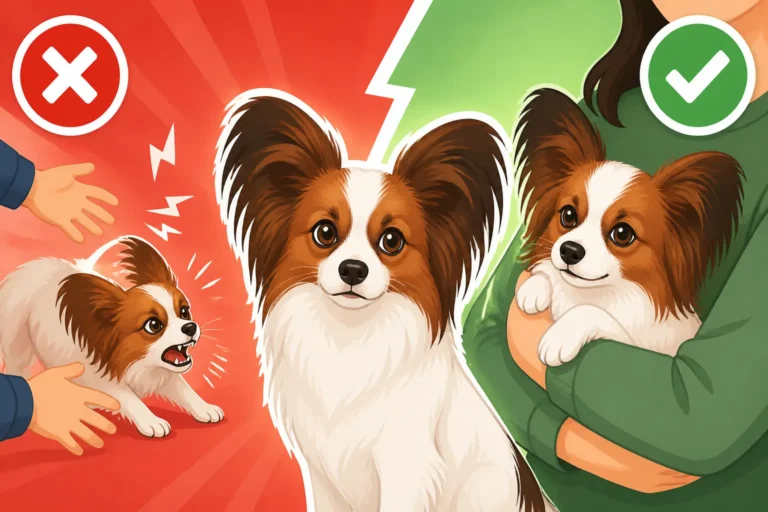
When using positive reinforcement, timing is everything. Mark the exact moment your Papillon performs the correct action with a verbal marker like "yes!" or a clicker, then immediately follow with a high-value treat or a quick play session. This precision helps them understand exactly what they're being rewarded for. Never scold or punish your Papillon for making a mistake; simply redirect them or reset the scenario to try again. They are sensitive dogs, and harsh corrections can easily shut them down, making them hesitant to try new things. Why Harsh Correction Fails on a Papillon explains this in more detail.
Short, Engaging Sessions
Because Papillons are so quick to learn, they can also get bored or overwhelmed if sessions drag on too long. Their attention spans, while sharp, aren't endless. Aim for frequent, very short training sessions—think 5-10 minutes, maybe even less, several times a day, rather than one long, exhausting hour-long session. These short bursts keep their minds fresh and engaged, preventing mental fatigue and maintaining their enthusiasm.
During these sessions, keep the energy positive and the pace brisk. Mix up the cues you're practicing to keep them guessing and interested. Ending a session on a high note, with a successful command and a big reward, leaves your Papillon feeling accomplished and eager for the next session. This approach ensures that training remains a fun game rather than a chore.
Clicker Training Benefits
Clicker training is a fantastic tool for Papillons because it provides an incredibly precise marker for the exact moment they perform the desired behavior. The "click" is a consistent, neutral sound that instantly tells your dog, "That's it! That's what I wanted!" followed immediately by a reward. This clarity helps speed up the learning process significantly, especially for complex tricks or behaviors where timing is crucial.
For instance, when teaching a "down," a well-timed click the moment your Papillon's elbows touch the ground is far clearer than a verbal "good!" that might come a second too late. Many trainers find that Papillons, with their sharp minds, truly excel with clicker training, often picking up new cues even faster than with verbal markers alone. You can find simple clickers easily on Amazon, often sold in multi-packs, perfect for keeping one in every training spot. How a Clicker Lands With a Papillon dives into the nuances of this training method for your butterfly companion.
Common Training Challenges
Even with their brilliant minds, Papillons can present a few unique training challenges. It's not usually a lack of intelligence, but rather specific behaviors or owner approaches that can inadvertently slow down the learning process. Understanding these potential roadblocks can help you anticipate and overcome them.
Boredom and Frustration
Paradoxically, a Papillon's high intelligence can sometimes lead to boredom if training isn't stimulating enough. If you repeat the same simple cue too many times, or if the rewards aren't exciting, they might disengage. They can also become frustrated if they don't understand what you're asking, leading to a temporary slowdown in progress.
To combat boredom, keep training sessions varied and introduce new challenges regularly. If your Papillon has mastered "sit," start working on "down" or "stay." If they seem frustrated, take a break, or go back to an easy cue they know perfectly to build their confidence again. Sometimes, a dog just needs a mental reset. Remember, they are constantly analyzing, and a bored Papillon is less likely to show off its rapid learning capabilities. How Fast a Papillon Gets Bored of Repetition gives more insight into maintaining engagement.
Dealing with "Stubbornness"
While Papillons are generally eager to please, you might occasionally encounter what seems like stubbornness. More often than not, this isn't true stubbornness but rather a misunderstanding, a lack of motivation, or a dog who has learned that waiting you out might get them a better reward. For example, if your Papillon knows "come" but decides to sniff a particularly interesting patch of grass instead, it might be testing boundaries or simply finding the environment more rewarding at that moment.
The key here is consistency and making your reward the most compelling option. Avoid repeating commands endlessly; if they don't respond, gently guide them into position and reward, then try again. Never punish for "stubbornness," as this can create a negative association. Instead, re-evaluate your rewards, your environment, and your clarity. Sometimes, what looks like stubbornness is just a clever Papillon trying to optimize its own reward system!
Owner Inexperience
Let's be honest, we all start somewhere, and new dog owners or those new to the Papillon breed might inadvertently hinder their dog's learning. This isn't a criticism, just a reality. Inexperience can lead to inconsistent cues, unclear body language, or struggling to find the right motivation. A Papillon will learn as quickly as you can teach it, and if the human end of the leash is a bit muddled, the learning process will naturally slow down.
Don't despair! This is where resources like online training courses from platforms like BAXTER & Bella can be invaluable. They provide structured, step-by-step guidance that helps owners learn how to teach effectively, ensuring consistency and clarity. Attending puppy classes or working with a certified professional dog trainer can also provide the guidance you need to unlock your Papillon's full potential, helping you become a better trainer for your quick-witted companion.
Measuring and Celebrating Progress
When your Papillon is a fast learner, it's thrilling to see them pick up new cues so quickly. But how do you truly know they've mastered a cue, and how do you keep that momentum going? It's more than just getting them to "sit" once in your living room; it's about consistency, reliability, and the ability to perform in any situation.
Tracking Milestones
Keeping a simple log of the cues your Papillon learns, when they learn them, and how reliably they perform them can be incredibly satisfying. You might be surprised at how quickly that list grows! Note down the date you started teaching a new cue, and then the date your Papillon was performing it correctly 80-90% of the time. This helps you visualize their progress and gives you data to build on.
Milestones aren't just about mastering a cue; they're also about generalizing it. Can your Papillon "stay" for 10 seconds? Can they "come" when the doorbell rings? Each small step is a milestone worth noting and celebrating. This tracking isn't just for you; it helps your Papillon too, as consistent success keeps them engaged and eager for the next challenge. What a Papillon Does All Day can give you ideas for integrating training into their daily routine, thus providing more opportunities to track their learning.
Proofing Cues in Different Settings
A cue isn't truly "learned" until your Papillon can perform it reliably in various environments and with increasing distractions. This process is called proofing, and it's essential for ensuring your Papillon is a well-behaved companion anywhere you go. Start by practicing a learned cue in a new room, then in the backyard, then on a quiet street. Gradually increase the distractions—a friend walking by, another dog in the distance, different smells.
Each time you introduce a new variable, your Papillon might seem to forget the cue momentarily. Don't worry! This is normal. Go back to an easier version of the cue, reward heavily for success, and slowly reintroduce the challenge. This systematic approach ensures that their lightning-fast learning translates into rock-solid reliability, proving they truly understand the command, no matter the context.
Beyond Basic Cues: Expanding Their Horizons
With a Papillon, basic obedience is often just the beginning. Their intellectual capacity and desire to engage mean they thrive on continued mental stimulation. Once they've mastered the fundamentals, there's a whole world of advanced training, tricks, and dog sports waiting for them.
Advanced Tricks and Sports
Thanks to their intelligence and agility, Papillons excel at learning complex tricks. Think spinning, weaving through legs, playing dead, or even retrieving specific objects by name. Their small size makes them incredibly nimble, and their sharp minds mean they'll often pick up these multi-step behaviors with astonishing speed. It's not uncommon for a Papillon to learn a new, moderately complex trick in just a few short sessions.
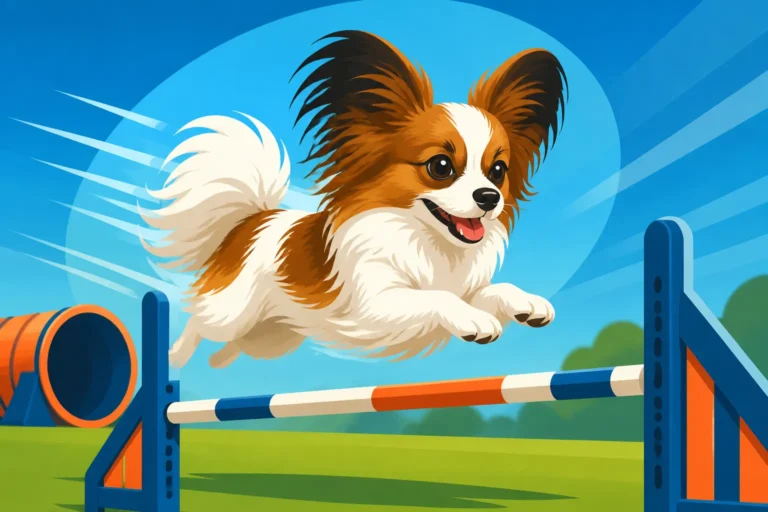
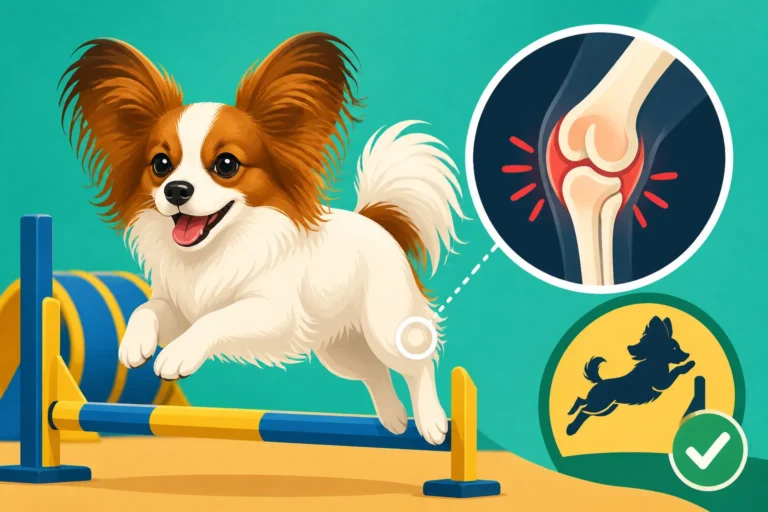
Beyond tricks, Papillons are absolute superstars in dog sports. Agility, Rally Obedience, and even competitive obedience are areas where their speed, intelligence, and athleticism truly shine. They love the challenge, the problem-solving, and the focused attention from their handler. If you're looking for an active, intelligent partner for dog sports, a Papillon will learn the required sequences and cues with impressive speed and enthusiasm. What Mental Work a Papillon Needs is a great resource if you're looking for more ways to challenge your clever companion.
Continued Mental Stimulation
Just like people, dogs need their brains exercised to stay happy and healthy. For a Papillon, this is especially true. Once they've learned a plethora of cues and tricks, it's important to continue providing mental challenges. This isn't just about preventing boredom; it's about keeping their minds sharp and their spirits high.
Puzzle toys, nose work games (where they use their sense of smell to find hidden treats), and even simply reviewing old cues in new ways can provide that much-needed mental workout. These activities don't just keep them engaged; they reinforce their learning, strengthen your bond, and continue to showcase just how remarkably fast a Papillon learns a new cue. Don't underestimate the power of a daily dose of brain games; your Papillon will thank you for it with their bright, eager eyes and quick responses.
Disclaimer
This article is for general informational purposes only and does not constitute professional advice. Laws, prices and regulations vary by location and change over time. Consult a qualified professional for guidance on your specific situation.