What Happens When a Papillon Is Dropped
There are few moments more terrifying for a Papillon owner than when your tiny, beloved companion slips from your grasp and hits the floor. It’s an instant jolt of panic, a heart-stopping second where all you can think about is the fragility of their small bodies. We've all had those close calls, or maybe even experienced the unthinkable. This guide is here to walk you through what to do immediately, what potential injuries to watch for, how to address the emotional fallout, and most importantly, how to prevent such a frightening accident from ever happening again.
The Immediate Aftermath: What to Watch For Right Away
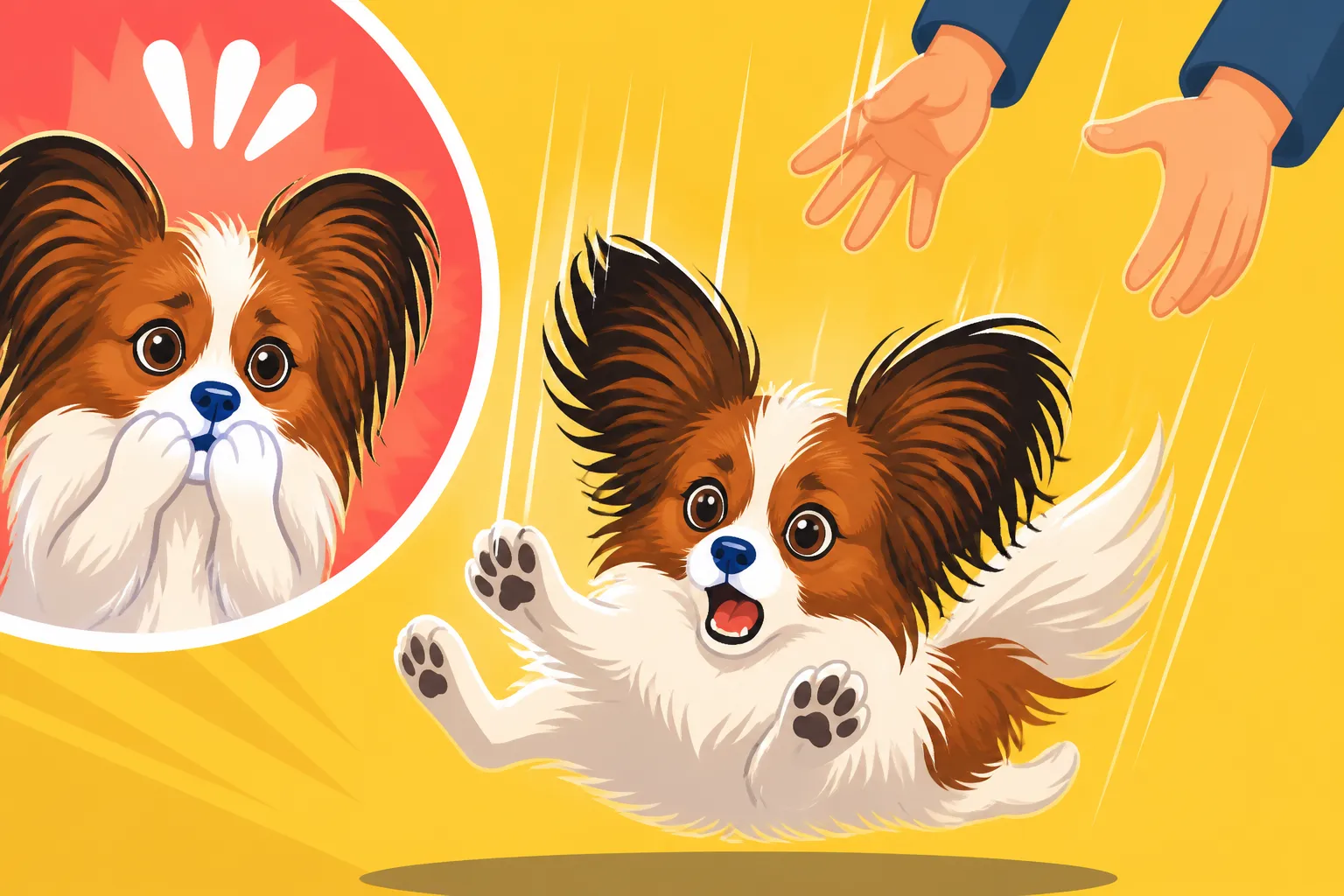
That sickening thud. The yelp. Or sometimes, even worse, the eerie silence. When a Papillon is dropped, the immediate moments are crucial. Your adrenaline is pumping, and it’s hard to think clearly, but staying calm and assessing the situation quickly can make a real difference in your dog's outcome.
Initial Signs of Shock and Pain
Your Papillon might react in a few ways. Some might cry out loudly, scramble away, and then try to hide. Others might go silent, which can be even more alarming. Look for signs of shock: pale gums, rapid shallow breathing, a dazed or unresponsive demeanor, or weakness. If your Papillon is visibly trembling, panting excessively, or crying when you try to gently touch them, it’s a clear indication of pain or fear. They might hold up a paw, drag a limb, or refuse to put weight on a particular part of their body. Sometimes, a dog in severe pain might even nip or snap, which is completely out of character, simply because they're terrified and hurting. Remember, these little dogs are masters at hiding discomfort, so even subtle changes are significant. How a Papillon Hides Pain is a critical read for any owner, as it delves into these often-missed cues.
Checking for Obvious Injuries
Once the initial shock subsides a bit, and if your Papillon allows, you need to do a very gentle, quick assessment. Start by looking at their posture. Are they standing normally? Is their head tilted? Are all four legs positioned evenly? Gently run your hands over their body, starting from the head and working your way back, feeling for any obvious swelling, lumps, or areas that elicit a yelp. Pay close attention to the skull, spine, and limbs. Check their mouth for any broken teeth or injuries to the tongue or gums. Look at their eyes for any differences in pupil size or an inability to track your finger. If you see any open wounds or profuse bleeding, apply gentle pressure with a clean cloth. But remember, if your Papillon is in too much pain or distress to allow this, do not force it. You risk causing more harm or getting bitten.
The Importance of Veterinary Consultation
Let me be absolutely clear: even if your Papillon seems perfectly fine after being dropped, you need to call your veterinarian immediately. Small dogs like Papillons are incredibly delicate. What might seem like a minor fall to us can cause significant internal damage to them. They can have internal bleeding, organ contusions, hairline fractures that aren't immediately visible, or even concussions. The absence of immediate, obvious symptoms does not mean there's no injury. Your vet can perform a thorough physical exam, and depending on what they find, they might recommend X-rays or other diagnostics to rule out serious internal issues. It's always better to be safe than sorry when it comes to the well-being of your furry family member.
Common Injuries from a Fall: More Than Just a Bruise
The impact of a fall, even from a seemingly small height like a couch or your arms, can be devastating for a small dog. Their bones are delicate, and their internal organs are not as protected as larger breeds. Understanding the potential injuries helps you know what symptoms to watch for and why immediate veterinary care is so vital.
Head and Spinal Trauma
A direct hit to the head can result in a concussion, which might manifest as disorientation, vomiting, lethargy, or even seizures. Spinal injuries are another grave concern. A fall can cause a vertebral fracture, a slipped disc, or severe soft tissue damage to the neck or back. With a breed known for its delicate build, even a slight misalignment can pinch nerves, leading to pain, weakness, or even paralysis in the limbs. If you notice your Papillon struggling to stand, dragging their back legs, or crying when touched along their spine, these are critical signs. In some cases, a fall could also exacerbate or even trigger issues like a collapsing trachea, especially if the neck takes a direct hit. It's important to be aware of Signs a Papillon Has a Collapsing Trachea as it's a condition often seen in small breeds, and trauma can worsen it.
Limb and Joint Injuries
Papillons are unfortunately predisposed to certain orthopedic issues, the most common being patellar luxation, where the kneecap slips out of place. A fall can easily cause or worsen this condition. Patellar Luxation Is the Papillon Problem You Will Actually Meet is a very real concern, and a sudden impact can lead to a more severe grade of luxation or even a fracture of the kneecap itself. Beyond the knees, fractures in the tiny bones of their legs or feet are also common. You might see limping, an inability to bear weight, swelling, or an unnatural angle to a limb. A dislocated hip or elbow, while less common, can also occur. Such injuries almost always require veterinary intervention, often including pain management, splinting, casting, or even surgery. If surgery is required, understanding How a Papillon Recovers From Knee Surgery can give you an idea of the commitment involved in their rehabilitation.
Internal Injuries and Organ Damage
This is often the most frightening and insidious type of injury because it’s not immediately visible. A fall can cause internal bleeding, leading to bruising of internal organs like the lungs, liver, or spleen. A ruptured bladder or internal hemorrhage can be life-threatening if not treated promptly. Symptoms of internal injury can be vague: pale gums, a distended or tender abdomen, difficulty breathing, excessive lethargy, or refusal to eat. These are often signs that something serious is happening internally and time is of the essence. This is why that immediate vet visit, even if your Papillon "seems fine," is so critical. Diagnosing these often requires imaging like X-rays or ultrasound, and treatment could range from supportive care to emergency surgery. Any surgical procedure, especially for such a small dog, comes with its own considerations, and knowing Anesthesia and a Five Pound Papillon helps you understand the specific challenges involved.
Here's a quick reference table for common injury signs:
| Injury Type | Potential Signs to Watch For | Urgency |
|---|---|---|
| Head/Spinal Trauma | Disorientation, vomiting, unequal pupils, weakness in limbs, paralysis, neck pain, seizures | IMMEDIATE Vet |
| Limb/Joint Injury | Limping, inability to bear weight, swelling, abnormal limb angle, yelping when touched | IMMEDIATE Vet |
| Internal Injury | Pale gums, distended abdomen, lethargy, difficulty breathing, sudden weakness, bloody urine | IMMEDIATE Vet |
| Shock/Pain | Trembling, excessive panting, hiding, crying, aggression, pale gums, rapid heart rate | IMMEDIATE Vet |
The Emotional Impact: Beyond the Physical Pain
Beyond the very real physical dangers, being dropped can leave a lasting emotional scar on a Papillon. These intelligent and sensitive dogs remember frightening experiences, and it can impact their trust, their comfort with being handled, and even their general demeanor.
Building Back Trust
A Papillon who has been dropped might develop a fear of being picked up or held. It's a natural reaction to a traumatic event. They might flinch when you reach for them, try to scramble away, or even snap in anticipation of pain or another fall. Building back that trust takes immense patience and understanding. You can't rush it. Start with positive associations: offer treats and gentle praise when you simply reach towards them, without even attempting to pick them up. Gradually progress to a light touch, then a brief lift, always pairing it with something positive. It's a slow process of desensitization and counter-conditioning. Consistency from everyone in the household is key.
Anxiety and Fear Around Being Held
Some Papillons might not only fear being picked up but also develop generalized anxiety around heights, sudden movements, or even certain people if the fall was associated with them. They might become clingier or, conversely, more withdrawn. This anxiety can manifest in various ways, such as excessive licking, panting, or trembling even when not being handled. It’s important to create a safe, predictable environment where they feel secure. Positive reinforcement training, focusing on confidence-building exercises, can be incredibly helpful. If the anxiety is severe and impacting their quality of life, consulting with a professional dog behaviorist or trainer can provide targeted strategies. Online programs, like those offered by BAXTER & Bella, often have resources for building confidence and addressing fear-based behaviors through positive methods.
Behavioral Changes Post-Trauma
A dog who has experienced trauma might display a range of behavioral changes. A previously outgoing Papillon might become shy or fearful of strangers. They might start barking more due to heightened anxiety or become restless at night. Conversely, they might become overly clingy, wanting constant reassurance. It's crucial to distinguish between pain-induced behavioral changes and purely emotional ones, though they often overlap. If your Papillon is still showing signs of discomfort, physical issues should be re-evaluated by your vet. If the physical wounds have healed but the emotional ones persist, consistent, gentle training and a predictable routine can help. Avoiding situations that trigger their fear can also be beneficial in the short term, while you work on building their confidence.
Preventing Future Drops: Creating a Safer Environment
Prevention is, without a doubt, the most important strategy when it comes to dropping your Papillon. Given their small size and delicate nature, every owner should adopt habits and make environmental adjustments to minimize the risk.
Safe Handling Techniques
This might seem obvious, but it's where most accidents happen. Always use two hands when picking up or carrying your Papillon. Support their chest and hindquarters firmly, keeping them close to your body. Avoid carrying them while distracted, doing other tasks, or when walking on uneven surfaces. Teach everyone in the household, especially children, how to safely interact with and carry your Papillon. For children, it's often best to teach them to sit on the floor to play and cuddle, rather than carrying the dog around. Why a Papillon Suits Older Children Better can provide insight into how Papillons interact with different age groups and why careful handling is paramount. Never assume a Papillon can "catch" themselves; their tiny legs are not equipped for significant drops. Furthermore, consider a secure pet carrier when moving your Papillon in and out of the car or in busy environments, rather than carrying them freely. You can find a wide range of secure carriers and harnesses on Amazon that are designed for small dogs, offering an extra layer of safety.
Modifying the Home Environment
Your home, which feels safe to you, can be a minefield of potential hazards for a Papillon. High furniture is a primary culprit. A Papillon launching themselves off a sofa or bed can suffer significant orthopedic injury. Install pet ramps or steps leading to elevated surfaces like beds and sofas. This not only prevents drops from your arms but also protects their delicate joints from the repeated stress of jumping. Whether a Papillon Should Be Stopped From Jumping Off Furniture is a question many owners ponder, and the answer is a resounding yes for their long-term joint health. Ensure slippery floors have non-slip mats, especially near furniture or doorways. Keep walkways clear to prevent tripping over your small dog. Being mindful of these seemingly small adjustments can make a huge difference in preventing accidental falls. Think about a product like a non-slip mat or even dog socks with grips, readily available on Amazon, to enhance traction. Setting Up a House That Protects a Papillon's Knees offers more comprehensive advice on creating a safe home environment.
Training for Calmness During Handling
Sometimes, a Papillon might squirm, wiggle, or suddenly jump out of your arms, not out of malice, but because they're excited, scared, or simply haven't been taught to be calm when handled. Training can help immensely. Start when they are puppies by making handling a positive experience. Gently pick them up, offer a treat, put them down, and praise them. Repeat this frequently for short durations. Work on basic obedience cues like "stay" or "wait" when you're preparing to pick them up. This helps them learn to be still and trust your intentions. Programs from reputable online trainers, such as BAXTER & Bella, often include modules on teaching puppies and adult dogs to be comfortable with handling, grooming, and veterinary examinations. This kind of foundational training can significantly reduce the risk of accidental drops, making both you and your Papillon more confident and secure during interactions. For comprehensive guidance on preparing your puppy for a lifetime of safe handling, refer to Training a Papillon Puppy to Be Handled All Over.
Disclaimer
This article is for general informational purposes only and does not constitute professional advice. Laws, prices and regulations vary by location and change over time. Consult a qualified professional for guidance on your specific situation.