How a Papillon Shows Affection
It’s a common misconception that tiny dogs are somehow less expressive in their affections, perhaps seen more as accessories than truly devoted companions. But anyone who has shared their life with a Papillon knows this simply isn't true. These elegant, butterfly-eared little dogs, despite their delicate appearance, possess a huge heart and a complex, often subtle, language of love. This guide will help you decode the many wonderful ways your Papillon shows you just how much you mean to them, strengthening the incredible bond you share.
The Classic Papillon Cling: Physical Expressions of Love
Papillons are not shy about their desire for physical closeness, and this often manifests in ways that are both endearing and a little comical. They are masters of the "velcro dog" phenomenon, and their need to be near you is one of their most prominent declarations of love.
The Ever-Present Shadow
If you own a Papillon, you’ve undoubtedly experienced being followed from room to room, often with a soft patter of tiny paws just behind your heels. It doesn't matter if you're just getting up for a glass of water, heading to the bathroom, or moving from the living room to the kitchen; your Papillon is likely right there with you. This isn't just a sign of neediness; it's a profound display of their desire for proximity and connection. They want to be involved in your world, to know what you're doing, and to simply exist in the same space as their beloved human. It’s their way of staying engaged with your presence, making sure they don’t miss a single moment of potential interaction or affection. They are, after all, incredibly intelligent creatures, and being your shadow allows them to observe, learn, and feel like an integral part of your daily routine. This constant companionship is a cornerstone of their affectionate nature, a silent declaration that you are their entire world. For more on their tendencies, you might find Why a Papillon Follows You Room to Room helpful.
The Lap Warmer and Snuggle Bug
There are few things as comforting as a Papillon curled up on your lap, or nestled snugly against your side on the sofa. These little dogs thrive on close physical contact, and they seem to have an innate ability to find the coziest spot, often right against your body. They are fantastic lap warmers, and the gentle weight of their small frame, combined with the rhythmic rise and fall of their breathing, can be incredibly soothing. When a Papillon settles down with a contented sigh, perhaps even letting out a soft groan of pleasure as you stroke their silky fur, it's a clear sign they feel safe, secure, and deeply loved. This deep physical connection is a primary way they bond, reinforcing their place as cherished family members. They don’t just want to be near you; they want to be part of your personal space, melting into you as a testament to their affection.
Licks, Nuzzles, and Happy Tail Wags
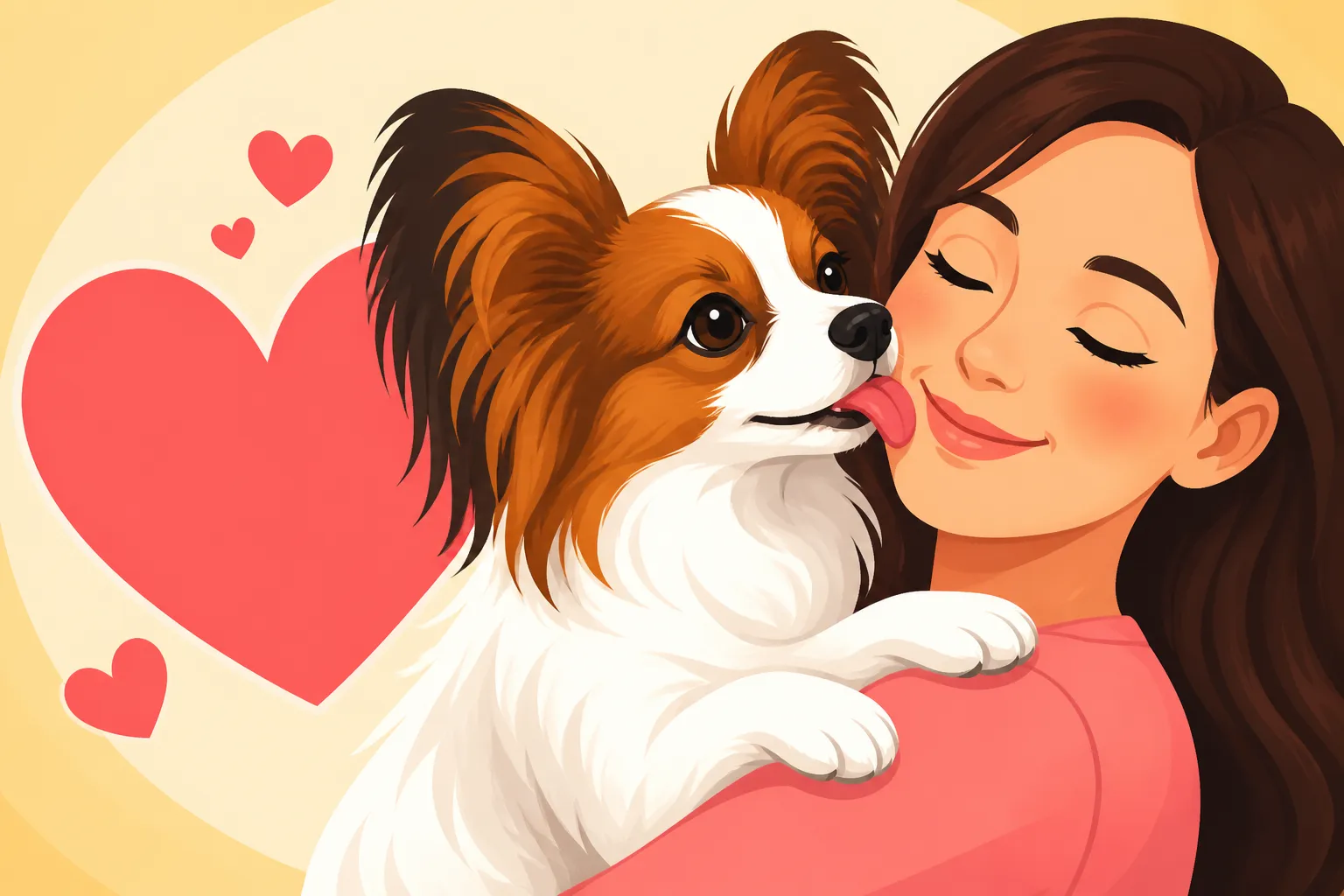
While not all Papillons are big lickers, many will offer gentle, inquisitive licks to your hands or face as a sign of affection. These can range from quick, almost absentminded "hello" licks to more sustained, devoted sessions that communicate deep adoration. They’re exploring you, bonding with you, and quite literally showering you with their love. Beyond licking, you’ll often notice soft nudges with their nose or head, pushing gently against your hand or leg, asking for a pet or just confirming your presence. And, of course, there’s the tail wag. A Papillon’s plumed tail is a fantastic barometer of their happiness. A full-body wag, where their entire backend wiggles with joy, especially when their beautiful, feathered tail is held high and waving like a flag, is an unmistakable declaration of delight at seeing or interacting with you. This isn't just a casual wag; it's an enthusiastic, almost frantic expression of pure joy that they are with you.
Vocalizations and Expressive Body Language
Papillons communicate their feelings through a variety of sounds and gestures that go beyond mere physical contact. Learning to interpret these subtle cues can deepen your understanding of their affectionate nature.
The Joyful Chirp and Happy Sigh
Papillons have a surprisingly wide range of vocalizations for such small dogs. Beyond the barks that might alert you to a leaf blowing past the window, many Papillons use soft, almost bird-like chirps or trills when they are particularly happy or trying to solicit gentle attention. It’s a quiet, happy sound that often occurs when they’re greeting you, playing gently, or simply feeling content in your presence. These aren't demanding noises; they're sweet, conversational sounds that express their inner joy. Similarly, a deep, contented sigh when they're settled on your lap or in their bed, perhaps after a long day of play or a satisfying meal, is a clear indicator of their comfort and relaxation. This sound is often accompanied by a soft closing of the eyes, signaling that they are completely at peace and secure in their environment, a profound testament to your loving care.
The Papillon Gaze and "Smiling" Face
Take a moment to truly look into your Papillon's eyes, and you'll often be met with a direct, adoring gaze that speaks volumes. This "soft eye" look, where their pupils are slightly dilated and their brow is relaxed, is a powerful form of non-verbal affection. They are connecting with you on a deep emotional level, soaking in your presence and showing you their devotion. Sometimes, especially when they've just received a good scratch behind the ears or are feeling particularly pleased, their mouth might relax into what almost looks like a tiny, gentle smile. Their delicate features and expressive eyes make them incredibly adept at communicating their feelings without a single bark. Understanding How Sensitive a Papillon Is can help you appreciate these nuanced expressions even more.
The Play Bow and Invitation to Fun
Papillons, despite their elegance, are playful little dynamos. One of their most obvious and joyful expressions of affection is the classic play bow. With their front legs extended, chest low to the ground, and rear end wiggling high in the air, often accompanied by an excited tail wag and sometimes a little "woo-woo" sound, they are inviting you to engage in fun. This gesture is an unequivocal sign that they feel safe, happy, and want to share their exuberance with you. It’s an invitation to chase, to wrestle gently, or to throw their favorite toy. They might also bring you a toy, dropping it at your feet and looking up expectantly, not necessarily for a game of fetch, but simply as an offering, a shared moment of playfulness that reinforces your bond. It's their way of saying, "You make me happy, let's have fun together!"
Subtle Yet Profound Gestures of Trust and Devotion
Beyond the obvious cuddles and wags, Papillons also show their affection in more subtle ways, demonstrating their deep trust and loyalty. These might not be as immediately recognizable but are equally meaningful.
The Gift of "Guard Duty" (from their perspective!)
Let's be honest, Papillons can be quite vocal. Their barks, while sometimes annoying when the mail carrier approaches or a squirrel dares to cross the yard, stem from a deeply ingrained desire to protect their loved ones. From their tiny, but mighty, perspective, they are diligently performing "guard duty." They position themselves near you, observing the environment, and signaling potential "threats." While we might wish for less barking, especially if you have close neighbors, it’s important to understand that this behavior, in its purest form, is a manifestation of their loyalty and devotion. They feel responsible for your safety and well-being, and they are doing their very best to alert you to anything they perceive as out of the ordinary. It’s their unique way of saying, "I've got your back." For more insights into their vocal tendencies, refer to How a Papillon Barks.
Bringing You Their Treasures
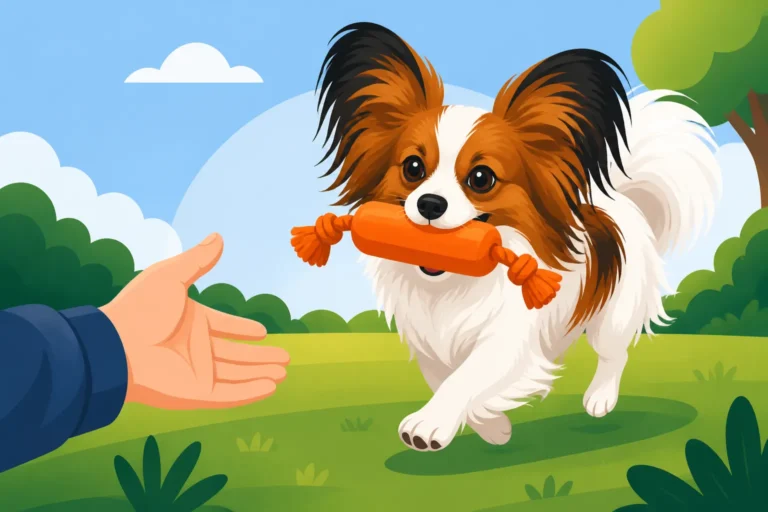
Sometimes your Papillon might bring you a toy, a sock, or even a random item they found on the floor. While this can sometimes be an invitation to play, other times it’s a more profound gesture of affection and sharing. They might drop their cherished squeaky toy at your feet, then simply look up at you with wide, expectant eyes. This isn't always about instigating a game of fetch; it’s about sharing something important to them, offering you a piece of their world. It’s a sign of immense trust and inclusion, treating you as a trusted confidant worthy of their most prized possessions. This offering is a quiet statement: "I trust you with what I value most, and I want to share my joy with you."
Relaxed and Vulnerable Sleep
Where and how your Papillon chooses to sleep can tell you a lot about their affection and trust. They will almost always prefer to sleep in the same room as you, if not directly on your bed or in a dog bed nestled right beside yours. More tellingly, when a Papillon sleeps in a vulnerable position – on their back with all four paws in the air, exposing their soft belly – it is the ultimate sign of feeling safe and loved in your presence. This posture is one of complete submission and relaxation, indicating they have absolute confidence in your protection and that they are entirely comfortable in their environment. This vulnerability demonstrates their profound trust and deep love, knowing that they can let their guard down entirely when they are with you. Crating a Papillon Overnight can also be a comfort to them if they are near you.
Understanding and Responding to Papillon Affection
Recognizing these diverse expressions of affection is key to building an even stronger, more loving relationship with your Papillon. They have so much to tell you if you only know how to listen.
Appreciating Their Unique Love Language
It’s easy to assume that affection only comes in the form of big, sloppy kisses, but as we’ve explored, Papillons communicate their love in a rich tapestry of ways, from physical closeness to subtle glances and happy sounds. Every Papillon is an individual, and while many will share these common traits, each dog will also develop their own unique quirks and gestures that mean "I love you." Taking the time to observe your individual Papillon's habits, the way they position themselves, the sounds they make, and their reactions to your presence, will significantly deepen your understanding of their personality and the strength of your bond. This deep appreciation for their personal love language is what makes the relationship so rewarding. Indeed, their intelligence, highlighted in The Papillon Is the Smartest Toy Breed There Is, makes these nuances even more profound.
Reinforcing Positive Affection
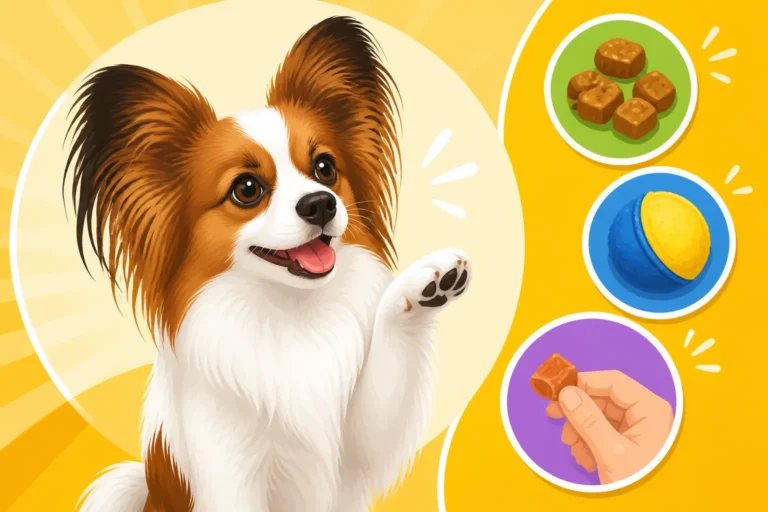
Once you start to recognize your Papillon’s unique ways of showing affection, you can actively reinforce these positive behaviors, encouraging an even more loving companion. Gentle praise, soft petting, and calm, reassuring words are powerful tools. When they nudge you for attention, respond with a loving touch. When they offer a soft lick, acknowledge it with a quiet, appreciative word. You can also use positive reinforcement techniques, perhaps even a small, high-value treat, when they exhibit a calm, affectionate gesture, helping them associate these actions with positive outcomes. Just remember the importance of respecting their boundaries; if they’re not in the mood for interaction, don’t force it. Building trust is about mutual respect. For guidance on effective training methods, considering How Short a Papillon's Training Session Should Be might be beneficial, as it emphasizes positive and brief interactions.
Creating a Secure and Loving Environment
The environment you provide plays a massive role in how comfortable and willing your Papillon is to express their affection. A secure, predictable home where they feel safe and cherished is paramount. This means providing plenty of comfortable spaces for them to relax, whether it's a cozy dog bed from a trusted online retailer like Amazon, or a soft blanket on the sofa where they can snuggle with you. Consistent routines help them feel secure, reducing anxiety and increasing their capacity for open affection. Positive, trust-building training, such as structured programs like those offered by BAXTER & Bella, can also foster confidence and a deeper desire to please, making them even more likely to shower you with their unique brand of love. When a Papillon feels secure and valued, their affectionate nature truly blossoms.
Here's a quick look at some common ways Papillons express their love:
| Type of Affection | Common Behaviors | What it Means |
|---|---|---|
| Physical Closeness | Following you room-to-room, curling on your lap, sleeping next to you. | You are their safe space; they want to be part of your world. |
| Gentle Contact | Licking hands/face, soft nudges with their nose, leaning against you. | Direct expression of adoration, bonding, seeking connection. |
| Happy Body Language | Full-body tail wags, playful bows, relaxed posture (e.g., belly up). | Joy in your presence, invitation to interact, feeling secure. |
| Vocalizations | Soft chirps/trills, contented sighs. | Inner peace, happiness, conversational communication. |
| Shared Items | Bringing toys or objects to you. | Trust, sharing their valued possessions, wanting to engage. |
| Protective Instincts | Alert barking (when not excessive) at perceived "threats." | Loyalty, desire to keep you safe from their perspective. |
Disclaimer
This article is for general informational purposes only and does not constitute professional advice. Laws, prices and regulations vary by location and change over time. Consult a qualified professional for guidance on your specific situation.