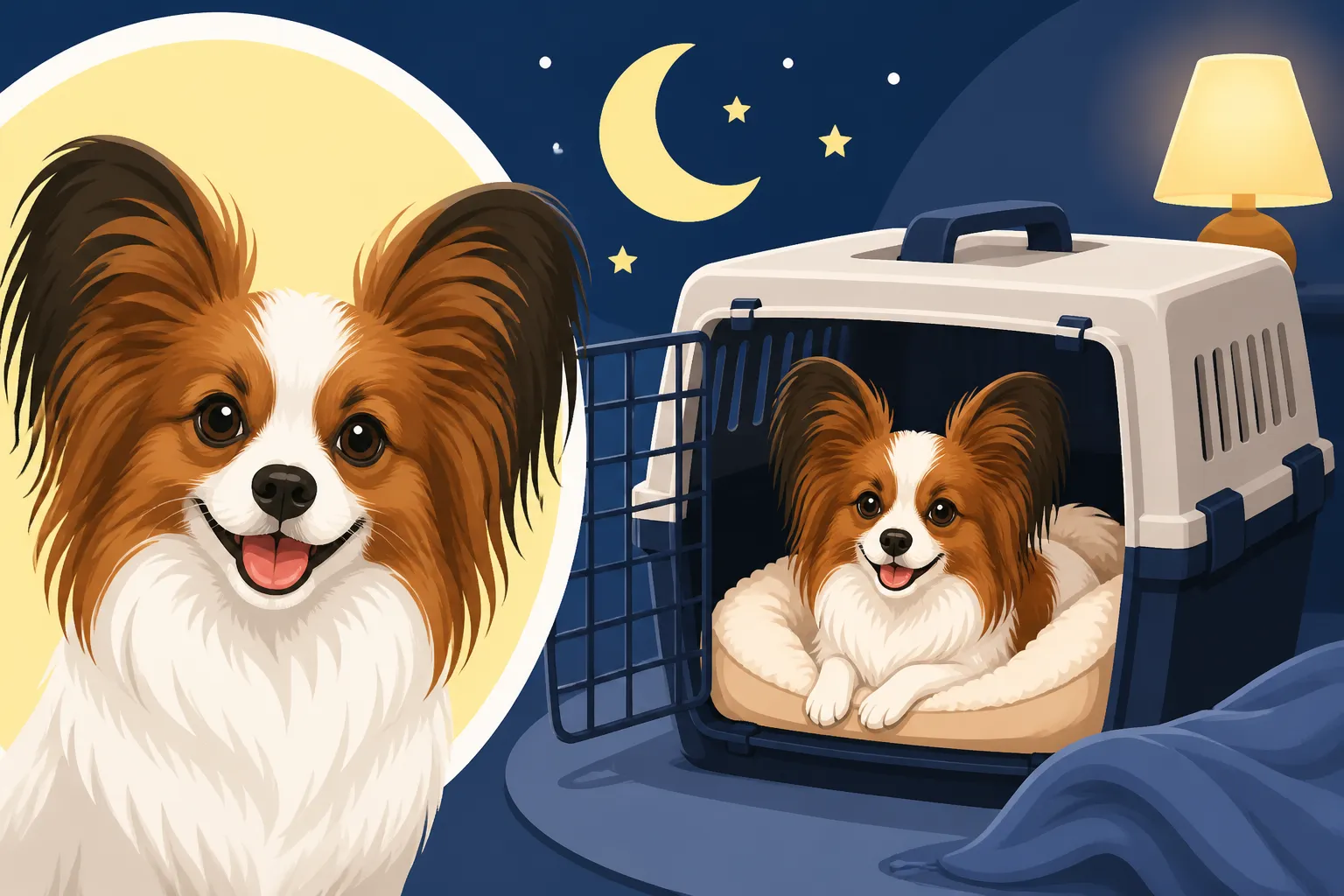
Crating a Papillon Overnight
Bringing a Papillon puppy home or even trying to establish new routines with an adult often brings up a big question mark about overnight arrangements. Many of us fret, wondering if it's fair to crate such a tiny, seemingly delicate dog all night, or if they'll be miserable. This guide is all about navigating the ins and outs of crating your Papillon overnight, helping you understand why it can be a wonderful tool, and how to make it a positive, comforting experience for your little butterfly dog.
Why Crating a Papillon Overnight Can Be a Good Idea
It might seem counterintuitive to put your beloved Papillon in a confined space for hours, especially when they're so small and cuddly. However, a properly introduced crate is far from a punishment; for many dogs, including intelligent and sensitive Papillons, it becomes a safe haven, a personal den where they can truly relax. It taps into their natural instinct for a secure, enclosed space.
The Benefits of a Safe, Den-Like Space
Think about it from your Papillon's perspective. In the wild, canids seek out small, dark, protected spaces – like a den – to rest, raise their young, and feel safe from predators. While your living room hardly resembles the wilderness, this instinct remains strong in our domestic dogs. A crate, when introduced correctly, fulfills this deep-seated need for security. It's a space that's theirs, free from the hustle and bustle of a busy home, loud noises, or the accidental clumsy foot of a human. For a Papillon, a breed that thrives on routine and can sometimes be a bit anxious if left feeling exposed, this private retreat is invaluable. It’s a place where they know they won't be disturbed, where they can chew a favorite toy, or simply snooze without interruption. This sense of security is especially important for puppies learning the ropes, or for newly adopted adult Papillons who are still adjusting to a new environment and might feel overwhelmed by too much open space.
Managing House Training and Preventing Accidents
Let's be real: house training a Papillon can sometimes feel like a marathon, not a sprint. Their tiny bladders, combined with their sometimes-finicky nature about going out in inclement weather, can make things tricky. Crating overnight is one of the most effective tools we have for solidifying house training. Dogs are naturally clean creatures and, generally speaking, they won't want to soil their sleeping area. This natural aversion to eliminating where they sleep means they'll hold it for as long as they can.
When your Papillon is crated overnight, they learn to control their bladder and bowels for longer periods. This isn't about cruelty; it's about building stamina and teaching them to associate outside with potty time. If they're loose in the house overnight, especially as puppies, they might just wander to a quiet corner and have an accident, setting back your training efforts significantly. The crate helps prevent these "hidden" accidents, making the process much smoother. When you let them out of the crate first thing in the morning, their immediate need to relieve themselves becomes obvious, reinforcing the connection between waking up and going potty outside. It's a structured approach that really pays off in the long run. For more on this, you might find How Long House Training a Papillon Takes helpful.
Providing Security and Preventing Destructive Chewing
Papillons are incredibly intelligent and often have a mischievous streak. A bored Papillon can quickly become a destructive one, especially when left unsupervised overnight. Whether it's gnawing on furniture legs, unraveling the carpet, or exploring electrical cords, their small size doesn't make them immune to causing damage or, more importantly, hurting themselves. The crate provides a secure, contained environment where they cannot get into trouble.
Beyond preventing destruction, the crate also offers security. Imagine your Papillon feeling vulnerable in a dark, silent house. Strange sounds or shadows can be magnified, potentially leading to anxiety or fear. Their crate, filled with a familiar blanket and a safe chew toy, acts as a sanctuary against these nighttime worries. It gives both you and your Papillon peace of mind. It's a great way to manage their environment and ensure they stay safe while you're asleep. This also helps with issues like separation anxiety, giving them a familiar, safe place to retreat to when you're not around. If you're wondering what kind of things a Papillon might chew on, What a Papillon Chews provides some insights.
Setting Up the Perfect Overnight Crate for Your Papillon
Making the crate a positive experience starts with choosing the right equipment and setting it up thoughtfully. This isn't just about putting a box in a corner; it's about creating a personal, comfortable, and inviting space your Papillon will want to be in.
Choosing the Right Crate Size and Type
The "right" crate size is crucial. Too big, and your Papillon might decide one end is a bedroom and the other is a bathroom, defeating the house training purpose. Too small, and they'll be uncomfortable and possibly cramped. A Papillon needs enough room to stand up, turn around easily, and lie down comfortably in various positions. For most adult Papillons, a crate around 18-24 inches long is usually sufficient, but always measure your individual dog and consult a sizing guide. Remember, Papillons range a bit in size, so what works for a five-pounder might be snug for a ten-pounder.
There are several types of crates:
| Crate Type | Pros | Cons | Ideal For |
|---|---|---|---|
| Wire Crate | Excellent ventilation, foldable, affordable | Can feel exposed, some dogs get paws caught in bottom | Most common, good for home and travel, can cover with blanket |
| Plastic Crate | Den-like feel, good for travel, more secure | Less ventilation, harder to clean, can be bulky | Anxious dogs, air travel (airline-approved options), den-lovers |
| Soft-Sided Crate | Lightweight, very portable, comfortable | Less secure (can be chewed through), not for anxious dogs | Temporary use, travel, calm dogs who are already crate trained |
| Furniture Crate | Blends with decor, doubles as end table | Often more expensive, less ventilation than wire | Owners who want aesthetics and functionality, calm dogs |
For overnight use, especially during initial training, a wire or plastic crate is often best for a Papillon. Wire crates offer good visibility and air circulation, and you can easily cover them with a blanket to create that den-like feel. Plastic crates naturally provide a more enclosed, den-like atmosphere. You can find a wide variety of options on platforms like Amazon, making it easy to compare and find one that fits your budget and needs. For ideas on cost, you may want to read What a Crate for a Papillon Costs.
Making the Crate Inviting and Comfortable
Once you have the right crate, the next step is to make it a five-star hotel for your Papillon. Comfort is key! Start with a soft, washable bed or blanket. Papillons love to burrow, so a cozy pad or a blanket they can nestle into will make a big difference. Make sure whatever you choose is safe and doesn't have loose parts they could chew off and swallow.
Adding a few safe, appropriate toys can also make the crate more appealing. Think about a Kong filled with peanut butter (xylitol-free, of course!) or a durable chew toy that will keep them occupied and happy. These items create positive associations with the crate, making it a place of comfort and enjoyment, not confinement. Avoid leaving items that could be a choking hazard or easily destroyed if your Papillon is still prone to chewing. Always supervise new toys to ensure they are safe.
Location, Location, Location: Where to Put the Crate
Where you place your Papillon's crate overnight is more important than you might think. Especially in the beginning, putting the crate in your bedroom, or at least very close to where you sleep, can be incredibly reassuring for your Papillon. This way, they can still hear and smell you, which helps alleviate any feelings of loneliness or anxiety. Papillons are very attached to their people, and being able to sense your presence makes a huge difference.
As they become more comfortable and confident with crating, you might gradually move the crate to a different location if you prefer. However, many Papillon owners find that keeping the crate in the bedroom for the long term works best, as it reinforces their bond and provides comfort. Ensure the location is free from drafts, direct sunlight (which could make it too hot in the morning), and loud, sudden noises. A quiet, semi-private spot is usually ideal.
Introducing Your Papillon to Overnight Crating
Successfully crating your Papillon overnight isn't something that happens instantly. It's a gradual process built on positive reinforcement, consistency, and a whole lot of patience. Rushing it can lead to negative associations, making the crate a source of fear rather than comfort.
Positive Associations and Gradual Introductions
The key to crate training is to make the crate a fantastic place to be. Never use the crate as punishment; that will only teach your Papillon to fear it. Instead, associate it with good things! Start by leaving the crate door open and tossing treats inside. Let them explore at their own pace. Feed meals near or even inside the crate. Play games where you toss a favorite toy inside. You want your Papillon to choose to go into the crate.
Once they're comfortable going in, start closing the door for very short periods while you're still in the room. Give them a treat, then open the door. Gradually increase the time the door is closed, and then the time you're out of sight. A helpful resource for structured training, like that offered by BAXTER & Bella, can guide you through these steps with positive reinforcement methods. Remember, consistency is key, and every interaction with the crate should be positive. This gentle introduction helps teach your Papillon How Fast a Papillon Learns a New Cue in a stress-free environment.
Establishing a Consistent Nighttime Routine
Dogs thrive on routine, and Papillons are no exception. A predictable nighttime schedule will signal to your Papillon that it's time to settle down for the night, making crate entry much smoother. This routine might look something like this:
- Last Potty Break: About 15-30 minutes before bedtime, take your Papillon outside for a final potty break. Make sure they have ample opportunity to empty their bladder and bowels. Praise them enthusiastically when they go!
- Winding Down: Engage in a calm activity, like a quiet cuddle session or a gentle grooming session. Avoid high-energy play right before bed.
- Crate Treat: Lure them into the crate with a special bedtime treat or a favorite long-lasting chew.
- "Bedtime" Cue: Use a consistent verbal cue, like "kennel up!" or "bedtime!" as they enter the crate.
- Lights Out: Turn off the lights and go to bed yourself.
Sticking to this routine every night helps your Papillon understand what's expected of them and reduces anxiety. They learn that going into the crate means it's time to sleep, and you'll be back in the morning.
Dealing with Whining and Barking
It's almost inevitable that your Papillon will whine or bark a little when first introduced to overnight crating, especially if they're a puppy or new to your home. It's tough to hear, but your reaction is critical. The golden rule is: do not respond to whining or barking unless you truly believe your Papillon needs to go potty.
If you know they've just had a potty break and are otherwise safe, ignore the noise. Responding (even to scold them) teaches them that whining gets your attention, reinforcing the behavior. They need to learn that quiet gets rewarded. The moment they quiet down, even for a few seconds, you can then approach, praise, and perhaps offer a small treat through the bars. Gradually extend the period of quiet required before you acknowledge them.
However, if your Papillon is a young puppy (under 4-5 months) or has been crated for many hours, they might genuinely need to relieve themselves. Learn to distinguish between "I want out" cries and "I really need to pee" cries. The latter often sounds more urgent and persistent. If you suspect they need to go, take them out immediately, quietly, on a leash, directly to their potty spot. No play, no fuss, just business. Once they've gone, put them straight back in the crate. This teaches them that the crate is still their bed, and outside is for potty. It takes time, but consistency here is key to success.
Troubleshooting Common Overnight Crating Challenges
Even with the best intentions and careful training, you might run into a few bumps in the road when crating your Papillon overnight. Don't get discouraged; these are common and usually solvable.
When Potty Breaks Are Truly Needed
One of the most common challenges, especially with puppies, is figuring out when a middle-of-the-night potty break is genuinely needed versus when it's just a plea for attention. Very young Papillon puppies (under 12-16 weeks) simply cannot hold their bladder for a full night. They will likely need one or even two nighttime breaks. For guidance, consider that a general rule of thumb is a puppy can hold their bladder for roughly one hour per month of age, plus one. So, a 3-month-old puppy might only be able to hold it for about 4 hours.
If your puppy wakes you up with urgent crying, take them out immediately, no questions asked. Keep the interaction minimal: no talking, no play, just a quick trip outside to their designated potty spot. Once they've relieved themselves, quietly return them to their crate. This reinforces that the crate is for sleeping, and outside is for potty, without making nighttime potty breaks a fun event. As your Papillon matures, they will naturally be able to hold it for longer periods. For older puppies, you might find that The Age a Papillon Is Reliably House Trained offers more insights into their capabilities.
Addressing Separation Anxiety Concerns
While crates can be a fantastic tool, they aren't a magical cure-all, especially if your Papillon struggles with true separation anxiety. If your Papillon exhibits extreme distress when left alone, even for short periods (beyond typical "I'd rather be with you" vocalizations), crating them without addressing the underlying anxiety can exacerbate the problem. Signs of separation anxiety can include frantic attempts to escape the crate (leading to injury), excessive drooling, destructive behavior inside the crate, or continuous, panicked barking and howling.
If you suspect your Papillon has separation anxiety, it's crucial to consult with a veterinarian or a certified professional dog trainer. They can help you develop a comprehensive behavior modification plan that might include counter-conditioning, desensitization, and potentially medication in severe cases. In these situations, crating might still be part of the solution, but it must be introduced very slowly and carefully, and often in conjunction with other strategies. For insights into Signs a Papillon Has Separation Anxiety, you can explore further. Sometimes, using a security camera to observe their behavior when you're not there can provide valuable information about the extent of their anxiety.
Transitioning from Crate to Free Roam
Many Papillon owners eventually aim for their dog to have free roam of the house overnight. This is a big step and should only be considered once your Papillon is fully house trained, reliably non-destructive, and completely comfortable and calm when left alone for extended periods. This usually means they are past their intense chewing phases and have demonstrated responsible behavior when given freedom.
To transition, start by leaving the crate door open at night once your Papillon has been reliably successful in the crate for a long time (months, not weeks). You can even keep the crate in your room, so they have the option to sleep in it if they choose. Some dogs, even when given the choice, will continue to use their crate as their preferred sleeping spot! Observe their behavior carefully. If they have accidents or chew on forbidden items, they're not ready, and it's back to crating for a bit longer. The key is to set them up for success and move at their pace, not yours. This gradual approach ensures they learn to be responsible with their freedom. Remember that How Long a Papillon Copes Alone is also a good indicator of their readiness for more freedom.
Disclaimer
This article is for general informational purposes only and does not constitute professional advice. Laws, prices and regulations vary by location and change over time. Consult a qualified professional for guidance on your specific situation.